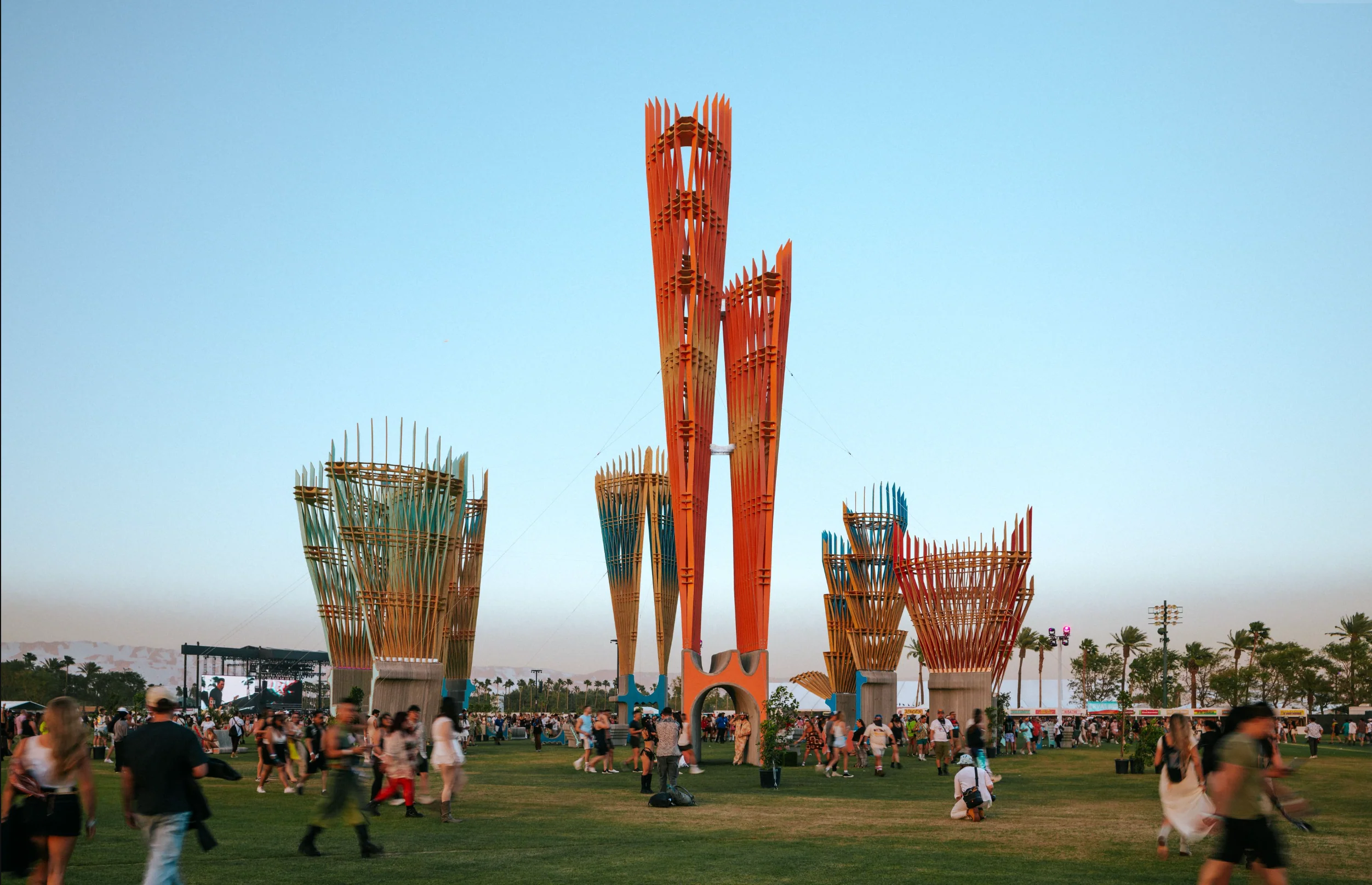
Coachella, officially known as the Coachella Valley Music and Arts Festival, is one of the world's most iconic music festivals that transforms the California desert into a cultural pilgrimage each spring. What began as a modest two-day event in 1999 has grown into a global phenomenon that sells out within hours, generates nearly a billion dollars in economic impact, and sets trends across music, fashion, and art. Understanding this festival requires exploring its surprising origins, massive logistical operations, and the unique desert experience that attracts over 500,000 attendees across two weekends every April.
From Ticketmaster Protest to Desert Empire: The Unlikely Origins of Coachella
The story of Coachella begins not with a music festival, but with a protest. On November 5, 1993, Pearl Jam performed a concert at the Empire Polo Club in Indio, California, drawing nearly 25,000 fans. This wasn't just any concert—it was part of the band's boycott against Ticketmaster, which controlled most Southern California venues at the time. The success of this desert show planted the seed for what would become Coachella.
Six years later, in October 1999, concert promoters Rick Van Santen and Paul Tollett of Goldenvoice launched the first Coachella Valley Music and Arts Festival. Approximately 25,000 people attended the two-day event featuring performances from Tool, Morrissey, Beck, and The Chemical Brothers. Despite the impressive lineup, the festival lost money due to scorching October heat and the lack of camping facilities. The financial struggle was so significant that organizers skipped 2000 entirely to restrategize.
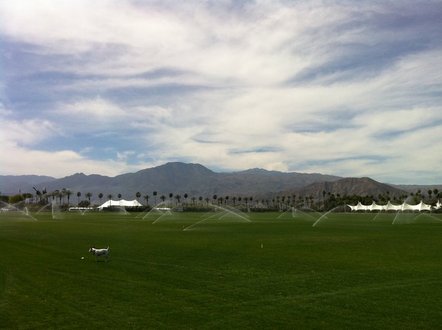
When Coachella returned in 2001, crucial changes were made: the event moved to April to avoid extreme heat and was reduced to a single day to control costs. This strategic shift worked, with Jane's Addiction headlining and the festival turning a modest profit. By 2002, Coachella returned to two days, added campgrounds, and featured headliners like Siouxsie and the Banshees, Björk, and Oasis—establishing the blueprint for future success.
25 Years of Evolution: How Coachella Grew From Modest Start to Global Phenomenon
The transformation of Coachella from a struggling festival to a cultural institution unfolded through several key milestones. In 2003, the festival gained international attention with headliners Iggy Pop and The Stooges, Beastie Boys, and Red Hot Chili Peppers attracting record crowds. The following year marked a turning point when Coachella sold out for the first time, with 50,000 tickets per day for performances by the Pixies, Radiohead, and The Cure.
By 2006, Coachella had established itself as a tastemaker with Daft Punk's legendary performance that many credit with launching the electronic dance music explosion in America. The festival expanded to three days in 2007 and sold out faster than ever with Rage Against the Machine headlining. Despite a rare non-sellout in 2008 (even with Prince headlining), Coachella rebounded in 2009 with Paul McCartney, The Cure, and Leonard Cohen, proving its resilience.
The introduction of wristband scanning technology in 2011 addressed overcrowding issues from previous years, while the 2012 festival made history with the "hologram" performance of Tupac Shakur alongside Dr. Dre and Snoop Dogg—showcasing Coachella's willingness to embrace technological innovation. Today, the festival regularly sells all 125,000 tickets for each of its two weekends within hours of release, with the 2023 event generating an estimated $908 million in Media Impact Value according to California Governor Gavin Newsom.
How Coachella Works: The Massive Logistics Behind the Music
Operating a festival of Coachella's scale requires military-level planning and coordination. The Empire Polo Club transforms from a quiet 78-acre equestrian facility into a temporary city accommodating over 125,000 people daily. The logistical operation includes:
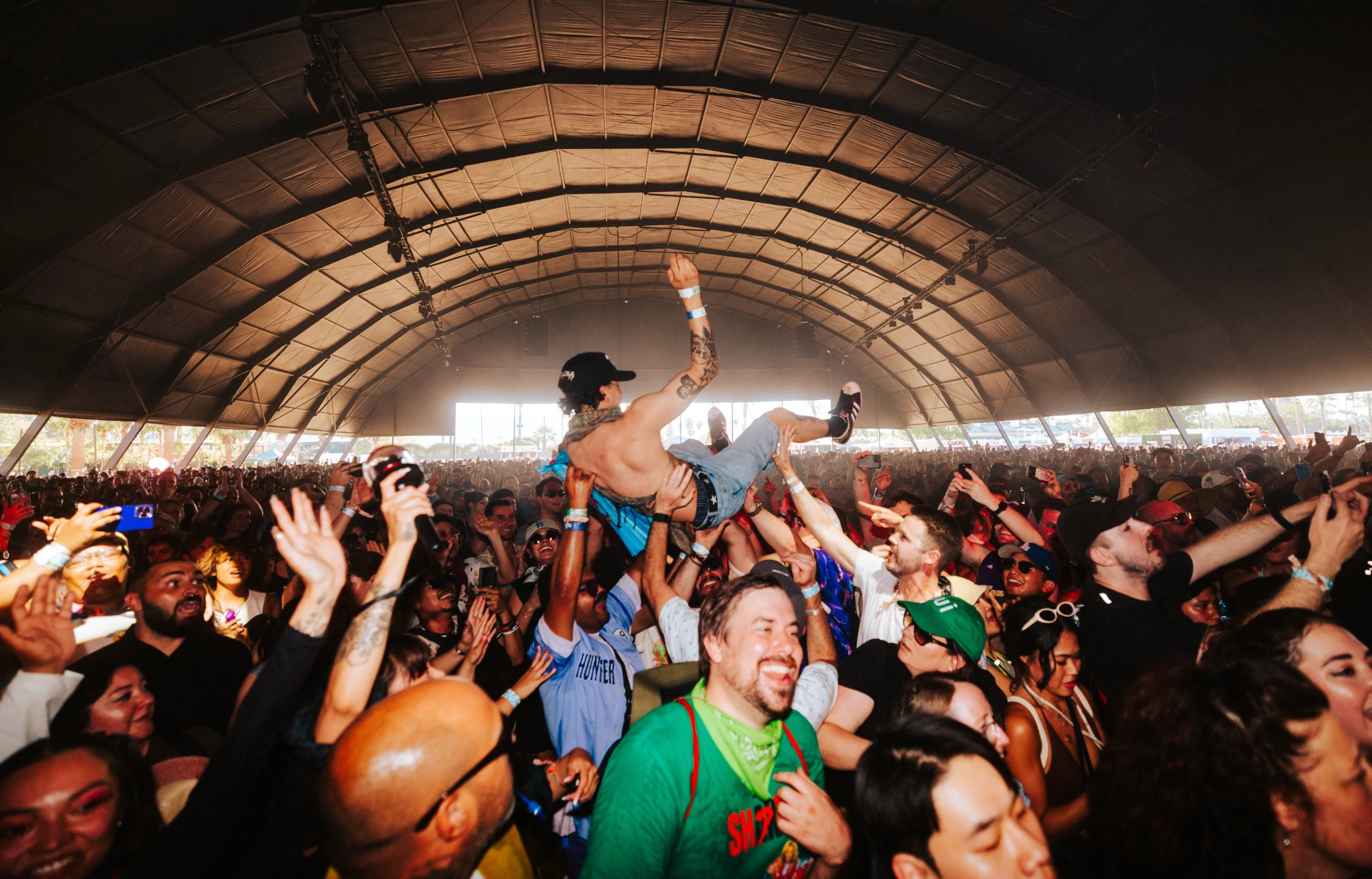
- Stage Infrastructure: Multiple stages including the massive Coachella Stage, Outdoor Theatre, Sahara Tent, Gobi Tent, and Mojave Tent, each with state-of-the-art sound and lighting systems.
- Art Installations: Large-scale commissioned artworks that become iconic photo destinations, ranging from interactive sculptures to towering architectural pieces.
- Food and Beverage: Hundreds of vendors offering everything from gourmet dining to festival favorites, with an emphasis on California cuisine and sustainable practices.
- Camping Operations: Car camping, tent camping, and luxury safari tents that house approximately 40% of attendees, complete with showers, general stores, and 24-hour activities.
- Transportation: Shuttle systems from surrounding cities, rideshare coordination, and bicycle rentals to manage the influx of people to the remote desert location.
The festival's economic model relies on multiple revenue streams: ticket sales (ranging from $499 for general admission to over $1,399 for VIP passes), sponsorship deals with major brands, merchandise sales, food and beverage concessions, and camping fees. Despite high production costs—including artist fees that can reach millions for headliners—Coachella remains extraordinarily profitable, with parent company AEG reporting consistently strong returns on the estimated $115 million production budget.
Coachella 2026: What's Happening Now
As Coachella enters its third decade, the 2026 festival continues to evolve while maintaining its core identity. The lineup features headliners Sabrina Carpenter, Justin Bieber, and Karol G, representing the festival's ongoing commitment to blending established superstars with emerging talent. New for 2026 is enhanced sustainability initiatives, including expanded solar power usage, comprehensive recycling programs, and water refill stations to reduce plastic waste.
The festival has also introduced "Coachella Curated" experiences—exclusive dining options, art tours, and behind-the-scenes access that cater to attendees seeking more than just musical performances. Despite inflation and rising production costs, ticket prices have remained relatively stable, with general admission passes starting at $549 and VIP passes at $1,199, though both typically sell out within hours of release.
One significant development is the festival's expanded digital presence, with YouTube streaming select performances to a global audience of millions. This hybrid approach allows Coachella to maintain its exclusive in-person experience while growing its brand internationally. According to recent economic impact studies, Coachella 2026 is projected to generate over $20 million in direct tourism spending for the Palm Springs area alone, demonstrating its continued importance to the regional economy.
The Future of Coachella: Trends and Predictions
As Coachella looks toward its 30th anniversary in 2029, several trends are shaping its future direction. The festival is investing more heavily in immersive technology, with virtual reality experiences and augmented reality art installations becoming increasingly prominent. Environmental sustainability has moved from a side initiative to a core priority, with goals to become carbon-neutral by 2030 through renewable energy, waste reduction, and sustainable sourcing.
Musically, Coachella continues to diversify its lineup, with greater representation of Latin, K-pop, and African artists reflecting global music trends. The festival's influence on fashion remains strong, but there's a noticeable shift toward sustainability in vendor requirements and attendee guidelines. Perhaps most significantly, Coachella is exploring expansion opportunities, with rumors of international editions while maintaining the original Indio event as the flagship experience.
Industry analysts predict that Coachella's greatest challenge will be balancing growth with authenticity—maintaining the intimate desert vibe that made it special while accommodating ever-increasing demand. The festival's success in navigating this tension will determine whether it remains the gold standard for music festivals or becomes a victim of its own popularity.
Key Takeaways: What Makes Coachella Special
Coachella's enduring appeal stems from its unique combination of musical curation, artistic expression, and desert escapism. Unlike many festivals that focus solely on music, Coachella creates a holistic experience where visual art, fashion, and community are equally important. Its remote location in the Colorado Desert forces attendees to fully immerse themselves in the festival environment, creating a sense of shared adventure that's difficult to replicate in urban settings.
The festival's commitment to artistic risk-taking—from groundbreaking performances like Daft Punk's 2006 pyramid show to Tupac's 2012 hologram—ensures that each year brings genuine surprises rather than predictable repetition. Perhaps most importantly, Coachella has managed to maintain its credibility as a tastemaker while achieving massive commercial success, a balance that has eluded many other festivals.
For first-time attendees or curious observers, understanding Coachella means recognizing it as more than just a music festival—it's a cultural barometer, an economic engine, and a testament to the power of ambitious vision paired with meticulous execution. From its unlikely origins as a protest against corporate ticketing to its current status as a global phenomenon, Coachella's story reflects broader themes in music, business, and culture that continue to resonate nearly three decades after its creation.