
Knowing how often to change your engine oil is key to keeping your vehicle running smoothly and efficiently. Whether you’re using synthetic oil or maintaining an older engine, following the right oil change interval can protect your engine and prevent costly repairs. In this guide, we’ll explore vital tips and insights to help you master your oil change schedule and support optimal vehicle maintenance.
Understanding Oil Change Intervals and Why They Matter
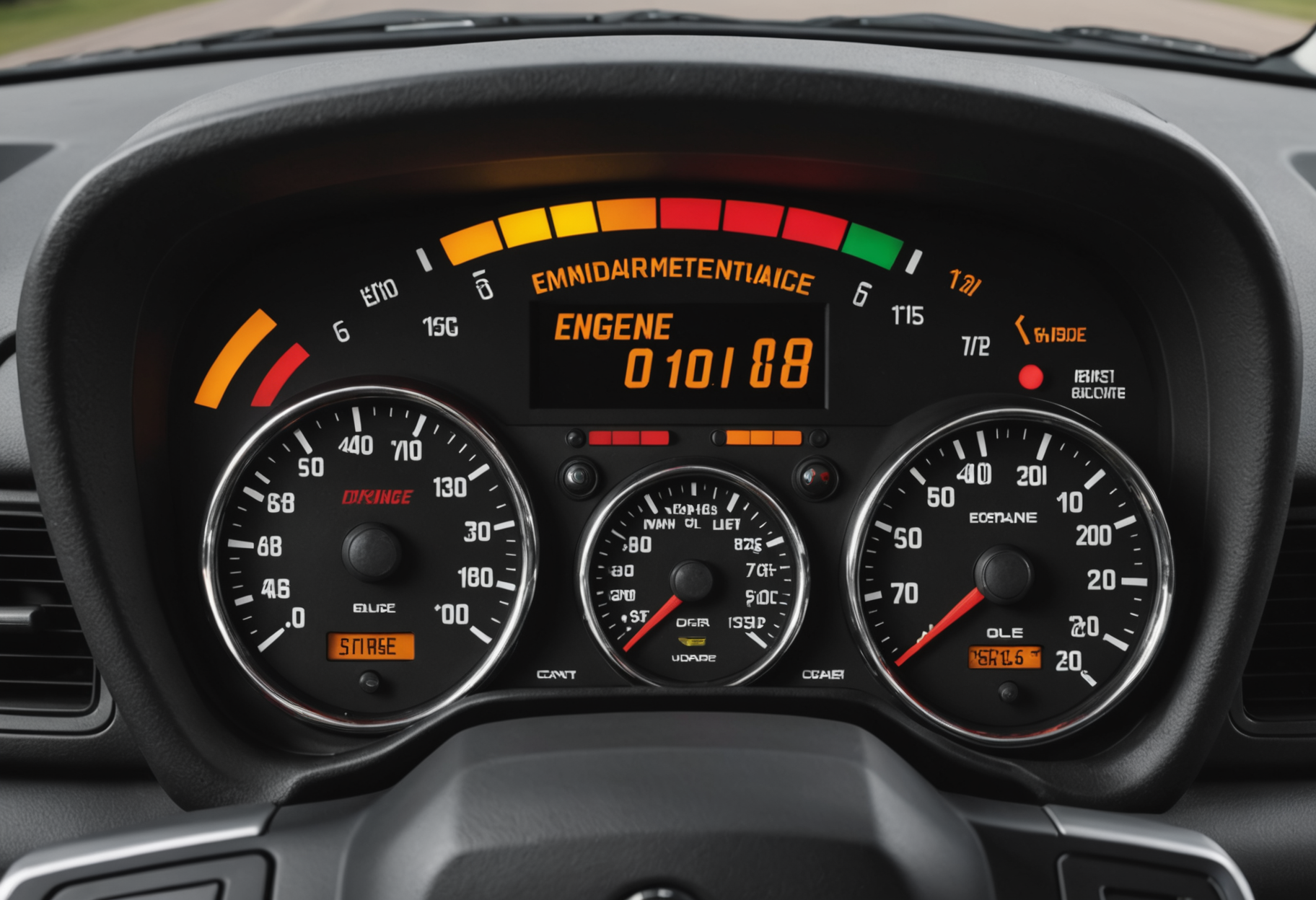
Your vehicle’s engine relies on clean oil to lubricate moving parts, reduce friction, and manage heat. Over time, oil breaks down and collects dirt, reducing its effectiveness. That’s why changing the engine oil at the recommended intervals is essential for performance and longevity.
Neglecting timely oil changes can lead to sludge buildup, poor fuel economy, and increased engine wear. According to the National Highway Traffic Safety Administration (NHTSA), regular oil maintenance is one of the most cost-effective ways to ensure your engine remains healthy over time.
How to Determine the Right Oil Change Interval for Your Vehicle
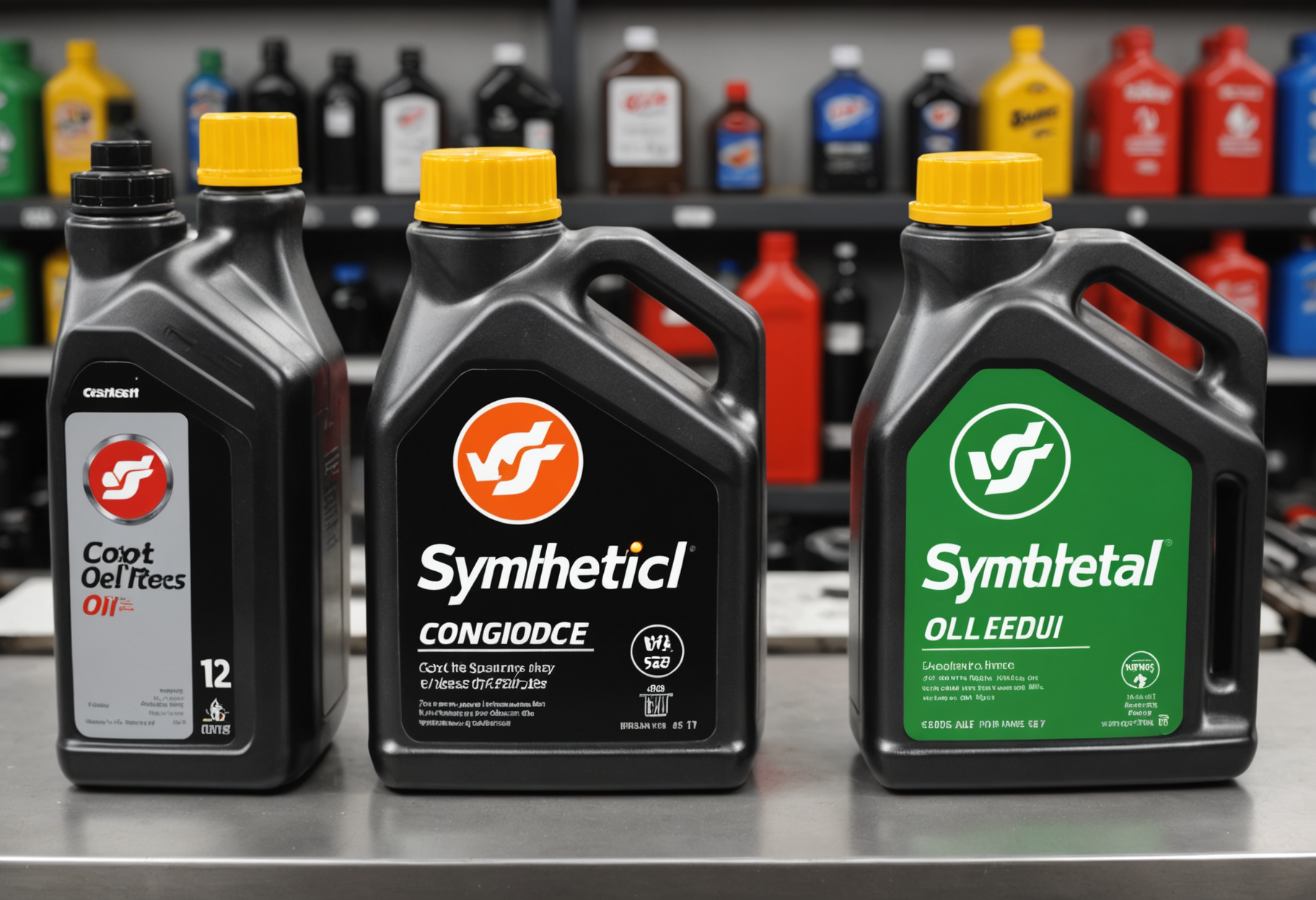
There is no one-size-fits-all when it comes to oil change frequency. While older vehicles running on conventional oil might require a change every 3,000 miles (4,800 km), modern engines paired with synthetic oil options can safely go thousands of kilometers more. For instance, a high-quality 10000 km engine oil is typically engineered to last longer between changes under normal driving conditions.
Your owner’s manual is a great starting point for understanding your car’s oil change interval. Additionally, many automakers are now equipping vehicles with oil life monitoring systems that track driving habits and alert you when service is due.
Signs You May Be Overdue for an Oil Change
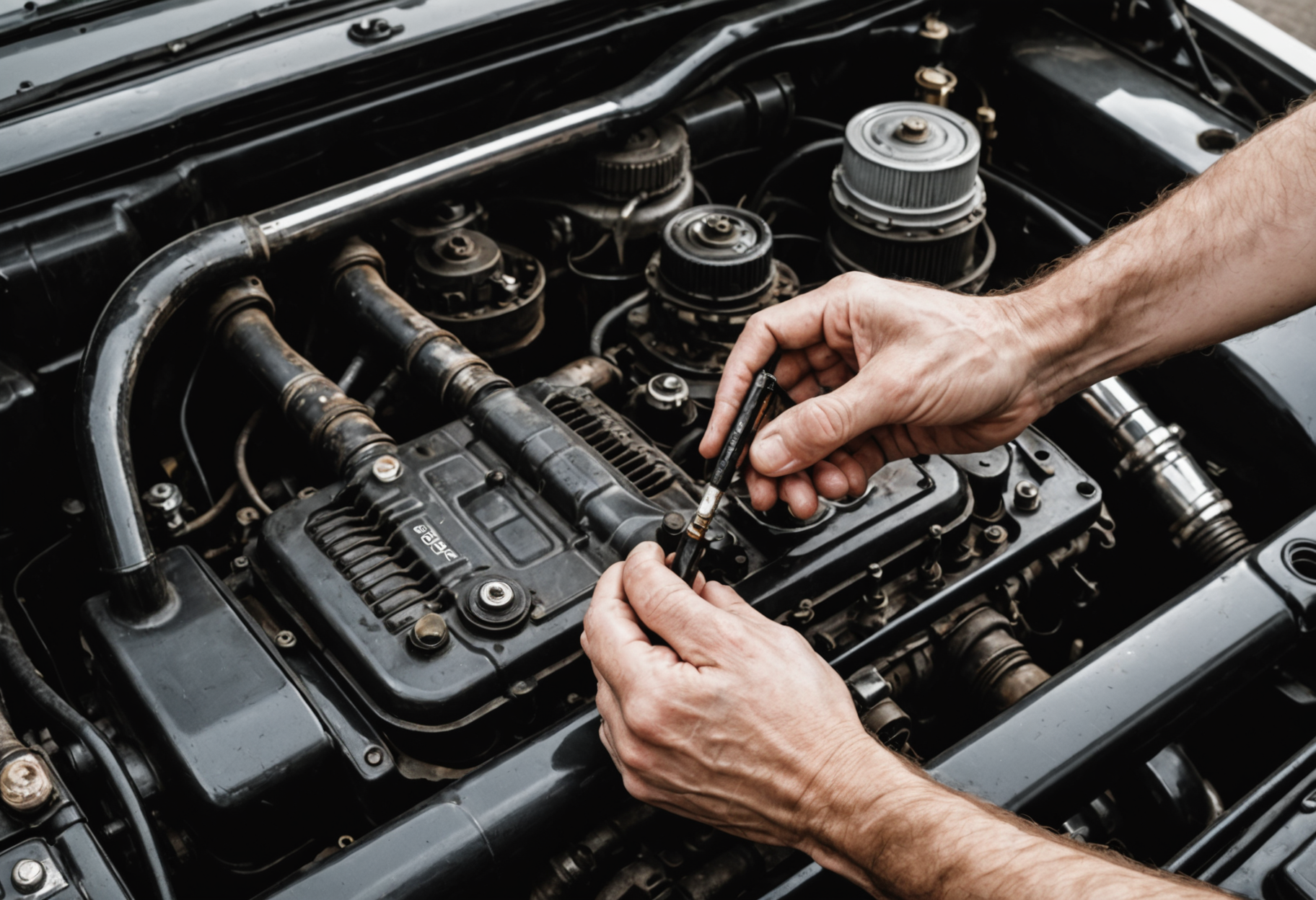
Even if you're not tracking mileage, your vehicle may give subtle warning signs that it's time for an oil change. Watch out for the following indicators:
- Engine noise or knocking sounds due to poor lubrication
- Dark, dirty oil when checked with a dipstick
- Oil smell inside the cabin
- Decreased fuel efficiency
- Check engine or oil light illuminated on the dashboard
While failing to act on these warning signs could lead to long-term engine damage, noticing them early can help you take timely action and prevent expensive repairs.
Choosing the Right Engine Oil for Your Vehicle
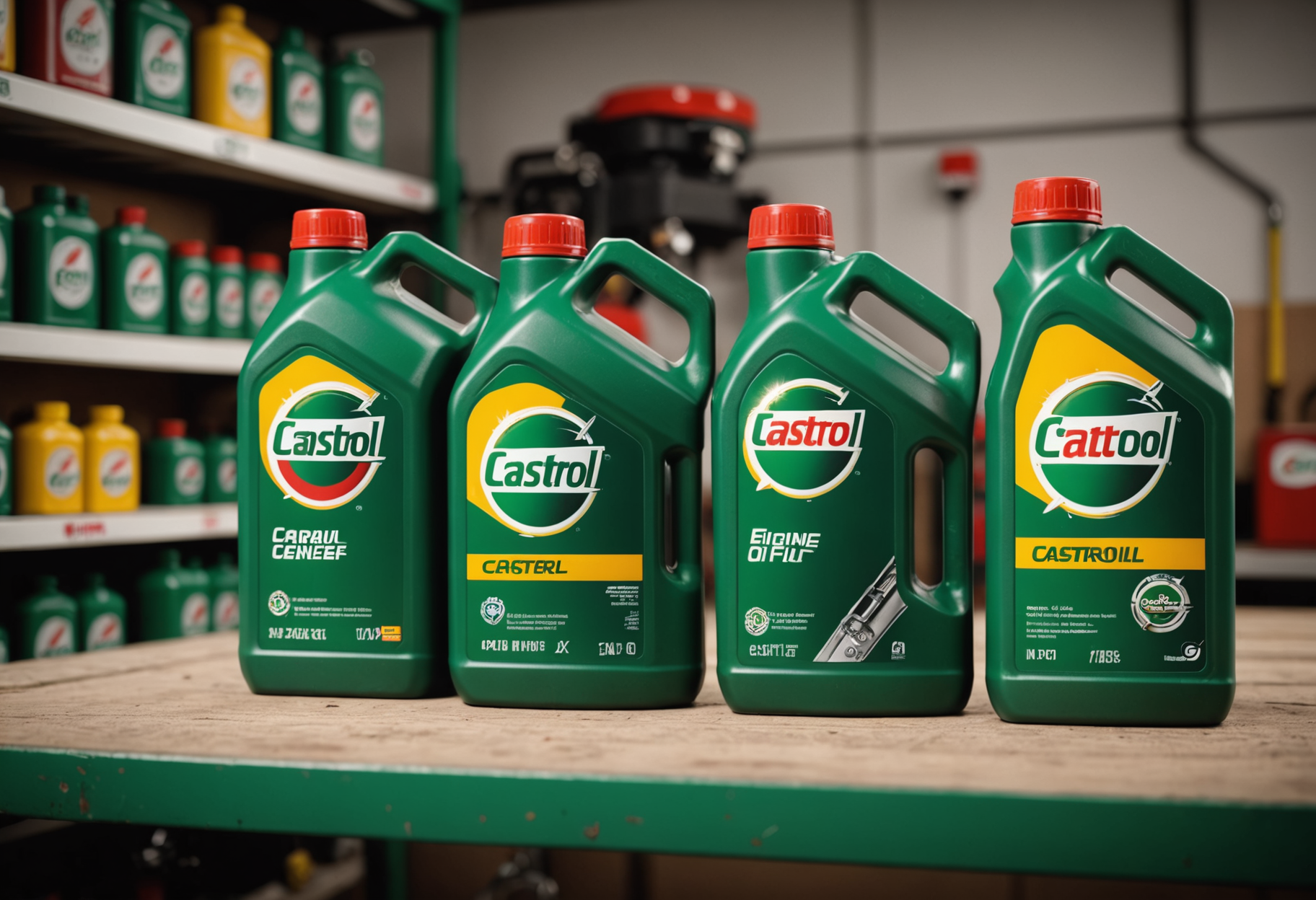
Choosing high-quality engine oil is just as important as changing it at the right interval. While synthetic oil might have a higher upfront cost, it provides better engine protection, particularly in extreme temperatures or high-performance vehicles. Brands such as Original Castrol Engine Oil offer formulations optimized for modern engines and long-lasting performance.
Refer to your owner’s manual for the recommended oil grade and viscosity. Modern formulations are often labeled with API or SAE standards that ensure compatibility and efficiency. Using the right oil type promotes smoother engine operation and may improve fuel economy.
Best Practices to Extend the Life of Your Engine Oil
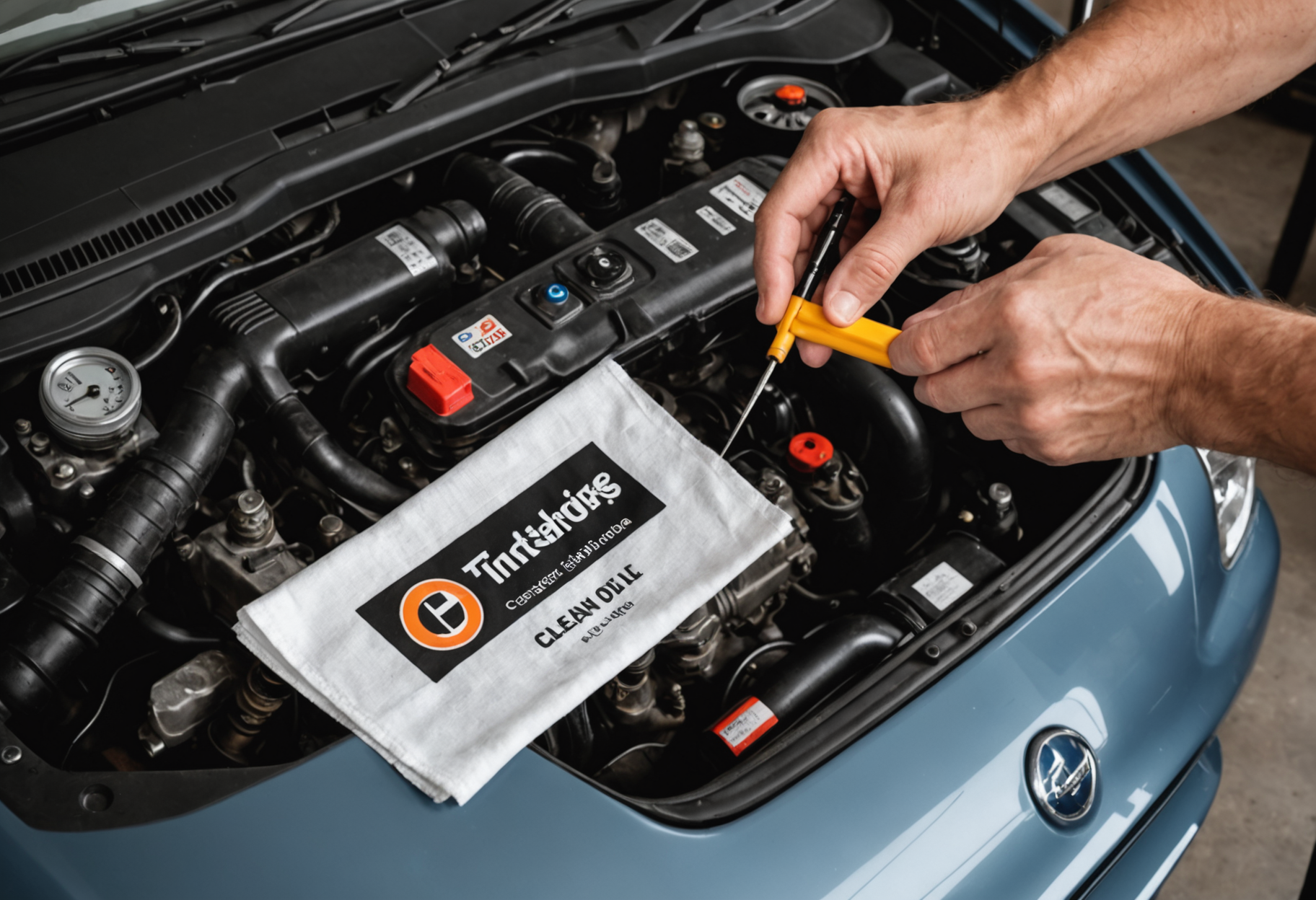
Even with high-performance oils, your driving habits impact oil durability. Quick trips, stop-and-go traffic, towing, and extreme weather can all shorten oil life. Here are some best practices to help get the most from your oil:
- Warm up your engine gently before high-speed driving
- Avoid prolonged idling
- Use high-quality filters during oil changes
- Stick to a regular oil change schedule even with low mileage
- Monitor oil levels monthly using the dipstick
Following these habits helps keep oil cleaner for longer and enhances overall engine performance.
Routine oil changes are a small investment with big returns when it comes to maintaining your vehicle’s health and long-term value. By understanding oil types, recognizing signs of wear, and sticking to a proper change schedule, you can extend your engine’s lifespan and avoid costly breakdowns. If you're curious about which engine oil option fits your car best—from synthetic formulas to high-performance brands like Original Castrol Engine Oil—learning more can help you make an informed decision tailored to your driving habits.