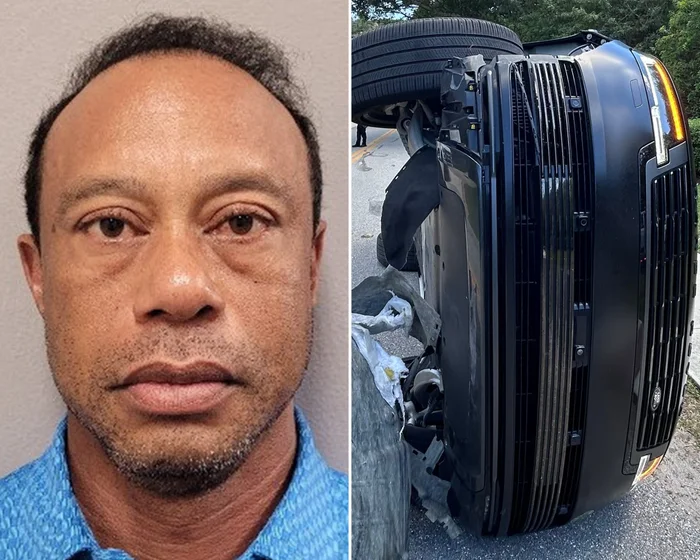
Golf legend Tiger Woods was arrested for driving under the influence (DUI) on March 27, 2026, after his Land Rover rolled onto its side in a two-car crash on Jupiter Island, Florida. According to the Martin County Sheriff's Office, Woods showed signs of impairment at the scene, was charged with DUI and property damage, and was released on bail after a mandatory holding period. This incident marks Woods' second DUI arrest and his fourth major vehicle incident since 2009, raising questions about what actually happens after a DUI arrest in Florida and how the legal process unfolds.
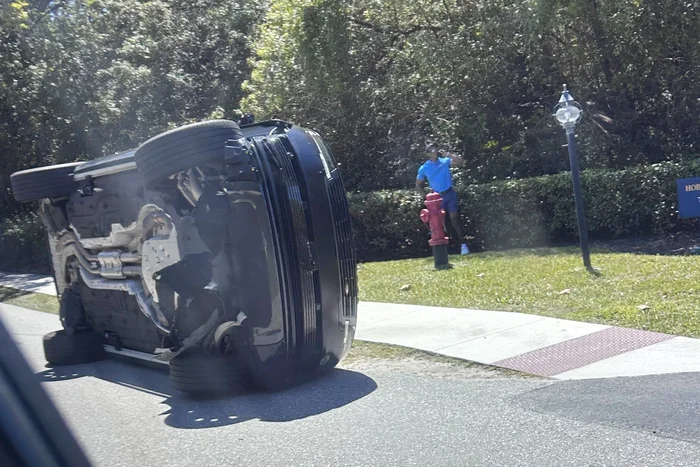
How the Tiger Woods DUI Incident Unfolded
The crash occurred just after 2 p.m. local time on March 27, 2026, in the 200 block of Beach Road on Jupiter Island. Authorities reported that Woods' Land Rover collided with another vehicle before rolling onto its side. Neither driver was injured, but the sheriff's office noted that Woods appeared "lethargic on scene" and exhibited signs of impairment. A breathalyzer test showed no alcohol in his system, leading investigators to suspect drug-related impairment. Woods was arrested on suspicion of DUI, charged with driving under the influence with property damage, and refusal to submit to a lawful test—both misdemeanors under Florida law.
Timeline: Tiger Woods' History of Vehicle Incidents
Woods' recent arrest is part of a longer pattern of vehicle-related incidents. According to a Golfweek timeline, his history includes:
- November 2009: Crashed his SUV into a tree and fire hydrant outside his Florida home, leading to widespread media scrutiny of his personal life.
- May 2017: Arrested for DUI in Jupiter, Florida, after police found him asleep at the wheel of his running Mercedes-Benz. He later stated that alcohol was not a factor and attributed the incident to prescription medication.
- February 2021: Suffered severe injuries in a single-vehicle rollover crash near Los Angeles, where he was traveling at high speed and lost control.
- March 2026: The latest rollover crash and DUI arrest in Jupiter Island.
Each incident has involved different circumstances, but the 2017 and 2026 arrests both involved DUI charges under Florida's strict impaired-driving laws.
Why DUI Arrests Follow a Strict Legal Process in Florida
Florida's DUI laws are designed to address impaired driving with a series of mandatory steps. When a driver is arrested for DUI, the process typically follows these stages:
- Traffic Stop and Field Sobriety Tests: An officer must have probable cause to pull over a vehicle—such as swerving, speeding, or an actual crash. The officer may administer field sobriety tests and a breathalyzer. Refusal to take a breath test can itself be a separate charge, as seen in Woods' case.
- Arrest and Booking: If signs of impairment are present, the driver is arrested and taken to jail for booking. This involves fingerprinting, photographing (the mugshot), and inventory of personal belongings. Under Florida's "eight-hour rule," DUI suspects must be held for at least eight hours before release, unless their blood-alcohol level drops below 0.05% earlier.
- First Appearance and Bail: Within 24 hours, the defendant appears before a judge for a first appearance. The judge reviews the charges, sets bail conditions, and may impose driving restrictions. Woods was released on bail after his mandatory holding period.
- Arraignment: The defendant is formally charged and enters a plea (guilty, not guilty, or no contest). This typically occurs within 30 days of arrest.
- Pre-Trial Motions and Plea Negotiations: Many DUI cases are resolved through plea bargains, where the defendant agrees to plead guilty in exchange for reduced penalties. If no agreement is reached, the case proceeds to trial.
- Trial and Sentencing: If convicted, penalties can include fines, license suspension, mandatory DUI school, community service, probation, and even jail time—especially for repeat offenders or cases involving property damage or injury.
Legal experts note that Florida's DUI penalties become increasingly severe with each conviction. A second DUI conviction within five years of a prior conviction carries a mandatory minimum jail sentence of 10 days, higher fines, and longer license revocation.
Where Things Stand Now: Latest on Tiger Woods' Case
As of late March 2026, Woods has been released on bail and is awaiting his first court appearance. The Martin County Sheriff's Office has indicated that the case will be forwarded to the State Attorney's Office for prosecution. Because Woods refused a breath test, prosecutors may rely on officer observations, dashcam footage, and possible blood-test results (if obtained) to prove impairment. Woods' legal team will likely examine the validity of the traffic stop, the administration of field tests, and whether his rights were properly read.
What Happens Next: The Road Ahead for Tiger Woods
Given Woods' prior DUI arrest in 2017, this new charge could be treated as a second offense within a five-year period, triggering enhanced penalties. However, Florida law also considers the specific circumstances—such as whether the DUI caused property damage or injury—which can elevate the charges. Legal analysts suggest that Woods may seek a plea deal to avoid trial, possibly involving substance-abuse education, community service, and monitored probation. Regardless of the outcome, the incident is likely to impact his public image, endorsement deals, and ability to travel internationally for golf tournaments.
The Bottom Line: Key Points to Remember
- DUI arrests in Florida follow a structured process from stop to sentencing, with mandatory holding periods and strict penalties for refusal to test.
- Second DUI convictions within five years carry mandatory jail time, higher fines, and longer license suspensions.
- Even without alcohol, impairment from prescription or illegal drugs can lead to DUI charges under Florida's "per se" and "actual impairment" laws.
- High-profile cases like Tiger Woods' illustrate how DUI laws apply equally to all drivers, regardless of celebrity status, and highlight the importance of understanding legal rights and procedures after an arrest.
While the Woods case continues to develop, it serves as a timely reminder of the serious consequences of impaired driving and the complex legal machinery that activates after a DUI arrest in Florida.