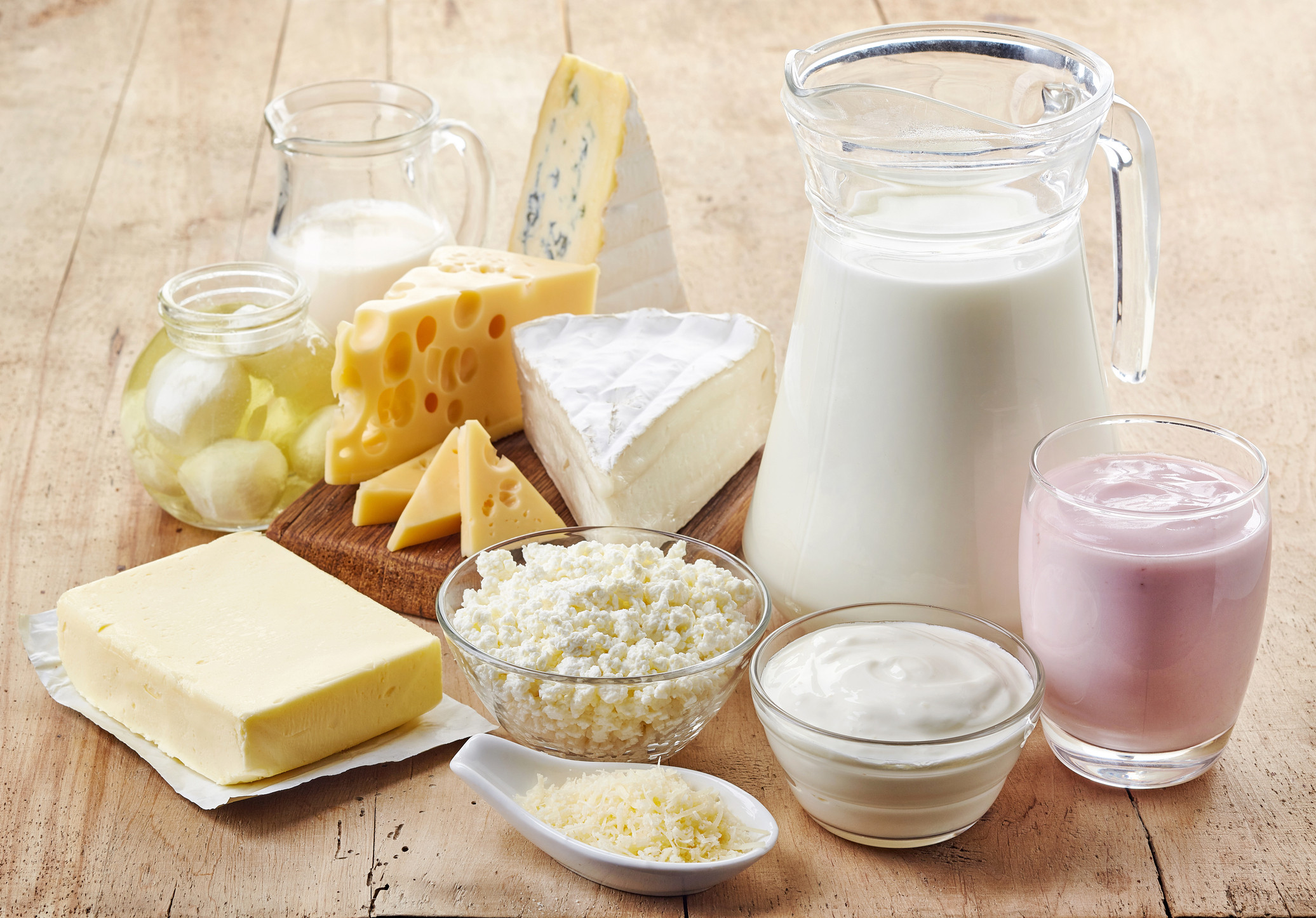
Dairy has long been one of the most confusing topics in the nutrition world. One day it is praised as a bone-building superfood, the next it is blamed for everything from inflammation to heart disease. But when it comes to the fat content of your milk, yogurt, and cheese, the scientific consensus is clearer than you might think — and the evidence strongly favors going low-fat.
For decades, major health organizations including the American Heart Association (AHA) and the UK's National Health Service (NHS) have recommended that adults and children over the age of two choose low-fat or fat-free dairy products. The reasoning is straightforward: much of the fat in dairy is saturated fat, which can raise LDL cholesterol levels in the blood and increase the risk of heart attack and stroke over time.
"Dairy isn't necessary in the diet for optimal health, but for many people, it is the easiest way to get the calcium, vitamin D, and protein they need to keep their heart, muscles, and bones healthy and functioning properly," says Vasanti Malik, a nutrition research scientist with the Harvard T.H. Chan School of Public Health. And when it comes to choosing between whole and low-fat, Malik still prefers most people stick with low-fat dairy to reduce saturated fat intake while still getting good amounts of nutrients.
The Saturated Fat Problem: Why Low-Fat Dairy Makes Sense
The total fat content of dairy products can vary dramatically. A cup of whole milk contains about 8 grams of fat, with roughly 5 grams coming from saturated fat. In contrast, the same serving of skimmed milk has virtually zero fat while still delivering around 8 grams of protein and 300 milligrams of calcium. That is the same nutritional payload, minus the artery-clogging saturated fat.
The AHA explicitly states that fat-free and 1% fat milk "provide slightly more nutrients than whole milk and 2% fat milk and are much lower in fat, saturated fat, cholesterol and calories." The organization recommends two to three servings of fat-free or low-fat dairy per day for adults, and two to two-and-a-half servings for children.
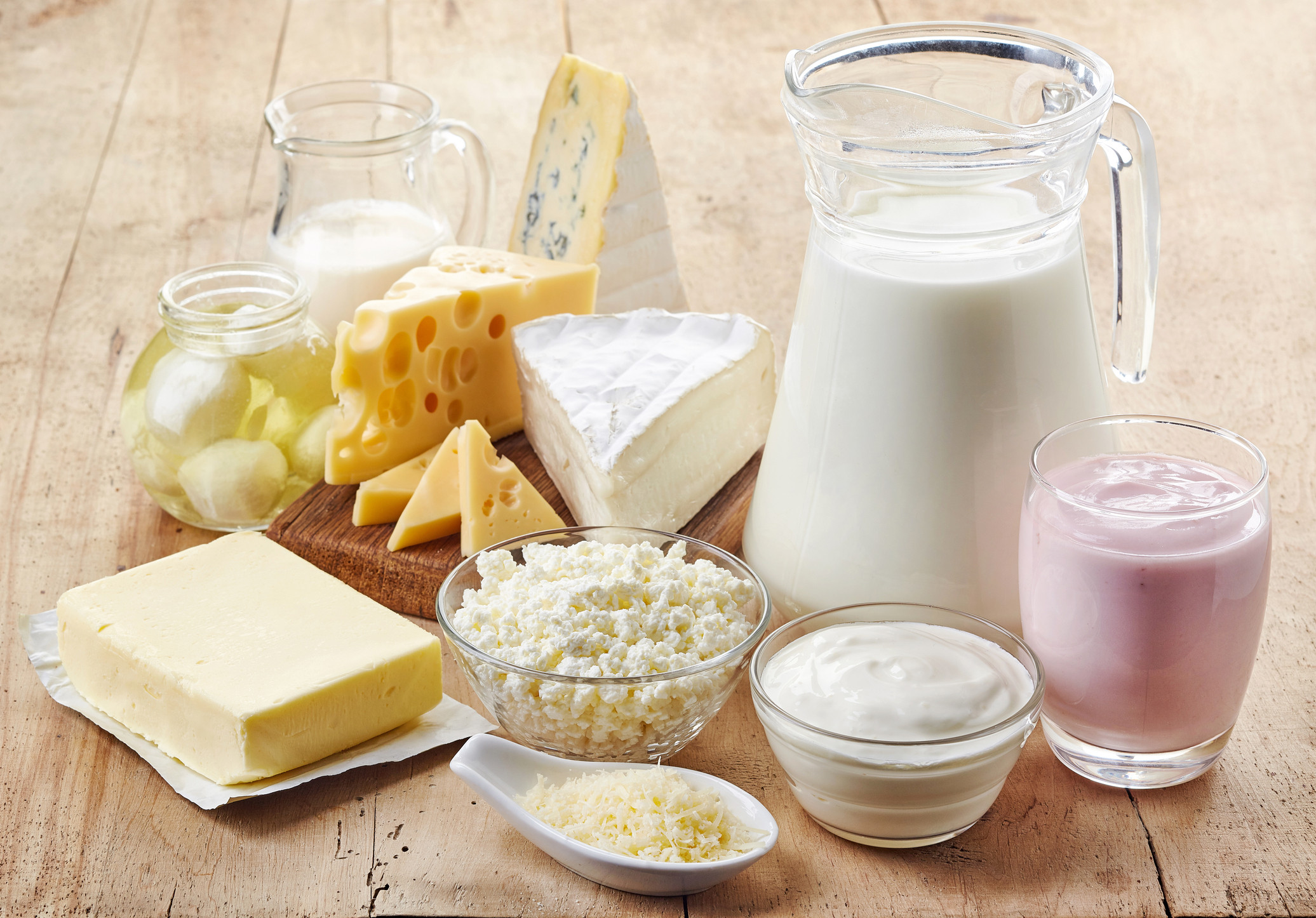
Cheese, another staple in many diets, can be particularly problematic. Most cheeses — including popular varieties like cheddar, brie, and stilton — contain between 20g and 40g of fat per 100g. For context, any food containing more than 17.5g of fat per 100g is considered high in fat according to NHS guidelines. Choosing reduced-fat hard cheeses, which typically have between 16g and 22g of fat per 100g, is one simple swap that can meaningfully reduce your saturated fat intake without sacrificing flavor.
The Full-Fat Debate: What the Newer Research Actually Says
In recent years, some headlines have suggested that full-fat dairy might not be as harmful as once believed — and in some cases, may even be beneficial. A 2018 report presented at the Congress of the European Society of Cardiology reviewed 20 studies involving nearly 25,000 people and found no association between the consumption of most dairy products and cardiovascular disease.
However, the same research came with an important caveat: the exception was milk, where very high consumption — an average of almost a liter a day — was linked with a higher risk of cardiovascular disease. So while moderate amounts of full-fat dairy may not be the dietary villain it was once made out to be, the evidence still does not support consuming it in large quantities.
More promising is the research on fermented dairy. A study published in the British Journal of Nutrition involving 2,000 men found that those who ate plenty of fermented dairy products like yogurt and cheese had a smaller risk of coronary artery disease than men who consumed less. This supports earlier findings that fermented dairy products have more healthful effects on blood lipid profiles than non-fermented dairy products.
Yogurt: The Standout Dairy Choice for Your Diet
If there is one dairy product that nutrition experts consistently recommend, it is yogurt — specifically, plain Greek yogurt. "It has more protein than regular yogurt and contains probiotics that help with gut health," says Malik. "And it's quite versatile, as you can eat it alone or add it to other dishes like smoothies and use it as a substitute for cream in recipes."
A typical serving of Greek yogurt packs about 15 to 20 grams of protein — roughly double what you would find in regular yogurt — making it an excellent choice for anyone looking to build or maintain muscle, manage their weight, or simply stay fuller for longer. When shopping, the key is to choose plain, lower-fat varieties and avoid flavored versions, which are often loaded with added sugar. The NHS advises checking nutrition labels carefully, as some lower-fat yogurts compensate for reduced fat with extra sugar.
Dairy and Weight Loss: What the Science Doesn't Support
One persistent myth that needs debunking is the idea that dairy — particularly milk — is a weight-loss tool. "Despite the push by the US dairy industry to promote dairy products, especially milk, as a weight-loss tool, research hasn't supported that except when also restricting calories," explains Malik.
In other words, simply adding low-fat dairy to your diet will not melt away pounds. But when incorporated into a balanced, calorie-conscious eating plan, low-fat dairy can be a nutrient-dense choice that supports overall health. The protein in dairy helps with satiety, and the calcium and vitamin D are essential for bone health — adults up to age 50 need 1,000 milligrams of calcium per day, and women over 50 and men over 70 need 1,200 mg.
Practical Swaps: How to Cut Dairy Fat Without Losing Flavor
Making the switch to lower-fat dairy does not mean sacrificing taste or satisfaction. Here are practical changes backed by health authorities that you can start making today:
Milk: If you currently drink whole milk, try transitioning gradually — move to 2%, then 1%, and eventually skimmed milk. Each step reduces saturated fat while preserving the same calcium, protein, and vitamin D content. The AHA also recommends fat-free or low-fat buttermilk, evaporated fat-free milk, and drinks made with fat-free or 1% milk and cocoa.
Cheese: Opt for reduced-fat hard cheeses or naturally lower-fat options like cottage cheese and quark, which can contain as little as 3g of fat per 100g. When using cheese for flavoring dishes, choose stronger varieties like mature cheddar — you will need less to achieve the same taste impact.
Yogurt: Plain, low-fat or fat-free Greek yogurt is the gold standard. Use it as a base for smoothies, a substitute for sour cream, or simply topped with fresh fruit.
Butter and cream: These are high in both fat and saturated fat, and butter is often high in salt as well. The NHS recommends using them less often and in smaller amounts. Lower-fat spreads and plain yogurt make excellent alternatives in cooking and baking.
The Bottom Line: What to Take Away About Low-Fat Dairy
Dairy is neither a dietary hero nor a villain. But when it comes to the fat debate, the weight of evidence from major health organizations is consistent: for most adults and older children, low-fat and fat-free dairy products are the smarter choice. They deliver the same essential nutrients — calcium, protein, vitamin D — with significantly less saturated fat, fewer calories, and lower cholesterol.
Adding some dairy to your daily routine — a splash of 1% milk in your coffee, a serving of plain Greek yogurt at breakfast, or a slice of reduced-fat cheese on a sandwich — can help you meet your nutritional needs without overloading on saturated fat. But as Malik reminds us, "eating a well-balanced diet that includes plenty of green leafy vegetables and nuts can better help you get the calcium and protein you need rather than relying too much on dairy." Low-fat dairy is a tool in your nutritional toolkit — not the whole toolbox.