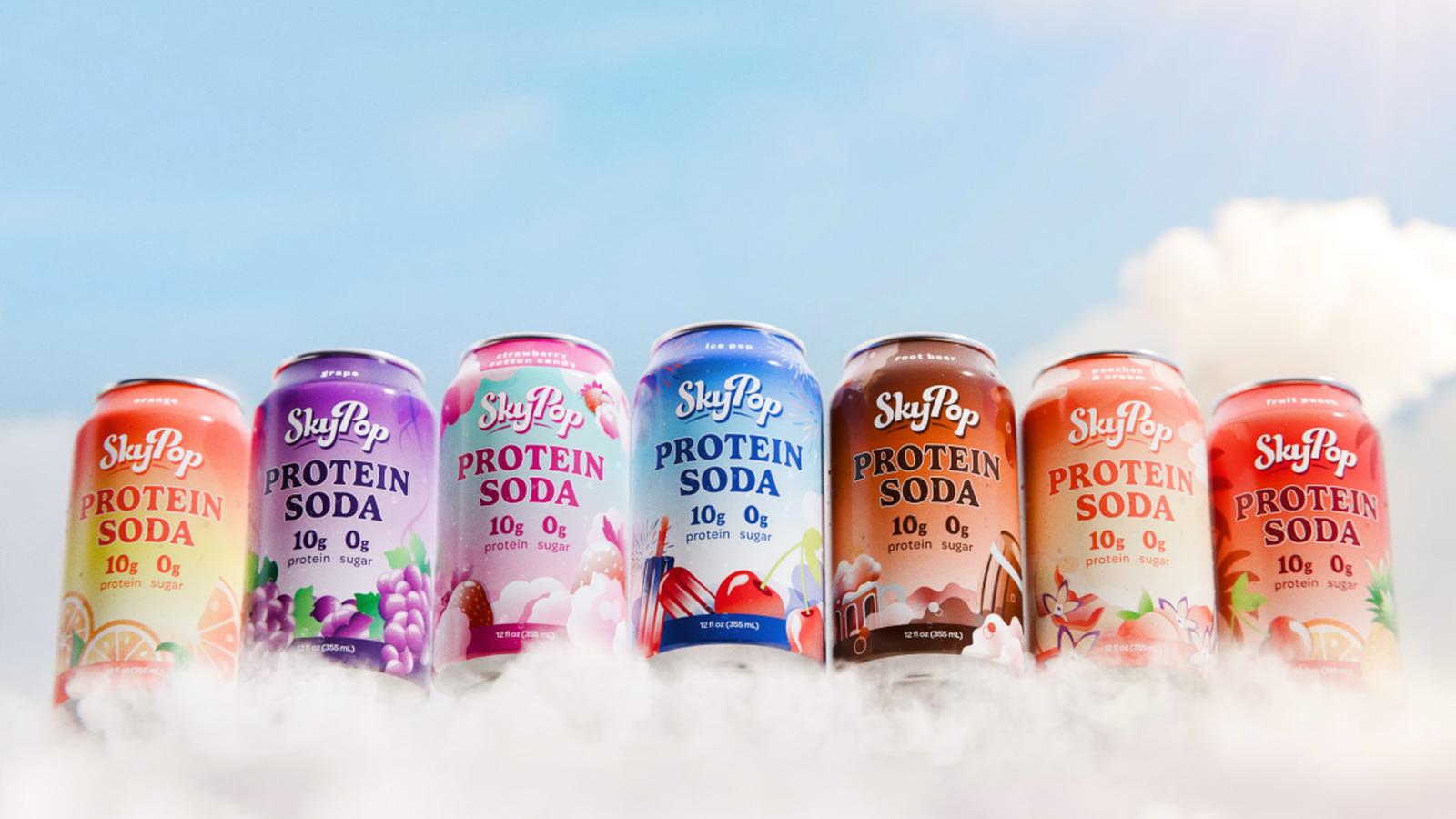
Keurig Dr Pepper has just shaken up the beverage industry with the nationwide launch of SkyPop, a protein-packed soda that promises 10 grams of real whey protein, zero sugar, and just 45 calories per can. As demand for high-protein drinks surges, this new "next-generation soda" is rolling out to major retailers across the United States, marking a significant shift in how major beverage companies are responding to health-conscious consumers.
How SkyPop Aims to Redefine the Soda Aisle
SkyPop represents Keurig Dr Pepper's boldest move yet into the functional beverage space. Each 12-ounce can delivers 10 grams of complete protein from whey isolate, contains no sugar, and keeps calories to just 45—positioning it as a grab-and-go option for fitness enthusiasts and those looking to reduce sugar intake. The lineup features nostalgic flavors like Root Beer, Grape, Orange, Ice Pop, and Strawberry Cotton Candy, designed to appeal to both traditional soda drinkers and the health-conscious crowd.
Timeline: From Concept to National Launch
The journey to SkyPop's nationwide rollout began with early retail tests at Walmart and Albertsons stores, where consumer response exceeded expectations. Following this successful pilot phase, Keurig Dr Pepper accelerated its distribution plans, securing placement in over 65,000 retail locations across Target, Kroger, CVS, and Gopuff. The official national launch on January 31, 2026, comes as protein-enhanced beverages continue to gain market share, growing at nearly triple the rate of traditional soft drinks.
Why Protein Sodas Are Dividing Nutrition Experts
While SkyPop's nutritional profile appears promising on the surface, nutrition experts urge caution. "Adding protein to soda doesn't make the soda magically healthy," warns registered dietitian Sarah Eberhardt in a recent interview. "It's still full of sugar or a sugar substitute, and the protein content doesn't offset the potential negative effects of regular soda consumption." Other experts note that while 10 grams of protein per can is beneficial, it shouldn't replace whole food protein sources or be viewed as a health drink.
Research cited by CNET indicates that "healthy" sodas—including prebiotic and protein varieties—should be viewed as occasional treats rather than daily beverages. The American Heart Association recommends limiting added sugars to no more than 25 grams per day for women and 36 grams for men, making zero-sugar options like SkyPop potentially appealing. However, artificial sweeteners and other additives in these drinks continue to be studied for their long-term health effects.
Where You Can Find SkyPop Right Now
As of February 2026, SkyPop is available nationwide at Walmart, Target, Kroger, Albertsons, CVS, and through delivery service Gopuff. The brand has secured prime shelf space in the emerging protein beverage sections of these retailers, often positioned near other functional drinks and fitness supplements. Early pricing suggests cans will retail between $2.50 and $3.00 each, with multi-packs expected to follow as production scales up.
What This Means for the Future of Beverages
Keurig Dr Pepper's investment in SkyPop signals a broader industry shift toward "better-for-you" beverages that don't sacrifice taste. With traditional soda sales declining for over a decade, major players are aggressively pursuing the health and wellness segment. Industry analysts predict that protein-enhanced beverages could capture up to 15% of the soft drink market within five years, potentially reshaping how consumers think about their beverage choices.
For fitness enthusiasts and health-conscious consumers, SkyPop represents both an opportunity and a cautionary tale. While it offers a convenient protein boost with zero sugar, experts emphasize that water, unsweetened tea, and whole foods remain the healthiest choices. As one nutritionist summarized: "If you're going to drink soda, this is certainly a better option than traditional sugar-packed versions—but it's still soda."
The Bottom Line on SkyPop Protein Soda
Keurig Dr Pepper's SkyPop launch represents a significant moment in beverage innovation, blending nostalgia with modern health trends. With 10 grams of protein, zero sugar, and nostalgic flavors, it offers an intriguing option for those seeking alternatives to traditional soft drinks. However, nutrition experts agree that while it's a step in the right direction, it shouldn't be viewed as a health food. As with all processed beverages, moderation remains key—and whole, nutrient-dense foods should always form the foundation of a healthy diet.