
More seniors than ever are returning to academia, challenging the idea that formal education is just for the young. With growing online options and programs that waive master’s degree requirements, earning a PhD has become a realistic and fulfilling pursuit later in life. In this guide, we’ll explore top universities offering PhD programs without a master’s, the benefits of late-life learning, and how it’s now easier than ever for seniors to enter doctoral studies.
What Makes a PhD Appealing to Seniors?

For many older adults, pursuing a PhD is not about advancing a career, but about personal growth, intellectual stimulation, and contributing to research. According to the National Library of Medicine, lifelong learning can enhance cognitive function and emotional well-being, particularly among older populations.
Whether you’re passionate about psychology, want to explore educational theory, or contribute to environmental studies, a PhD offers the structure and depth needed to pursue those interests at the highest academic level.
List of Universities Offering PhD Without a Master’s

One of the main barriers for seniors considering a PhD is the assumption that a master’s degree is required. In reality, many universities across the United States and Europe allow direct entry into PhD programs from a bachelor’s degree. Here are some institutions that offer such opportunities:
- University of Arizona (USA): Offers direct-entry PhD options, especially in science and engineering.
- Stanford University (USA): Many departments accept bachelor’s degree holders directly into their PhD tracks.
- University of Cambridge (UK): Known for graduate programs that consider relevant experience as part of admission criteria.
- Humboldt University of Berlin (Germany): Offers selective programs with flexible entry options for international students.
- University of Edinburgh (UK): Provides several direct-entry PhD tracks in fields like humanities and social sciences.
Each university has its own criteria regarding work experience, research proposals, and academic records, so it's essential to review details for each program.
Flexible Learning: Online and Part-Time Options

Accessibility is further improved by universities offering PhD programs online or with part-time options. This format benefits seniors managing other commitments or who prefer to study at their own pace. Schools like University of Maryland Global Campus and Walden University offer entirely online or hybrid PhD programs in psychology, education, and healthcare subjects.
These programs often come with remote supervision, online seminars, and flexible coursework submission, making them ideal for mature students across time zones and mobility levels.
Benefits of Earning a PhD Later in Life
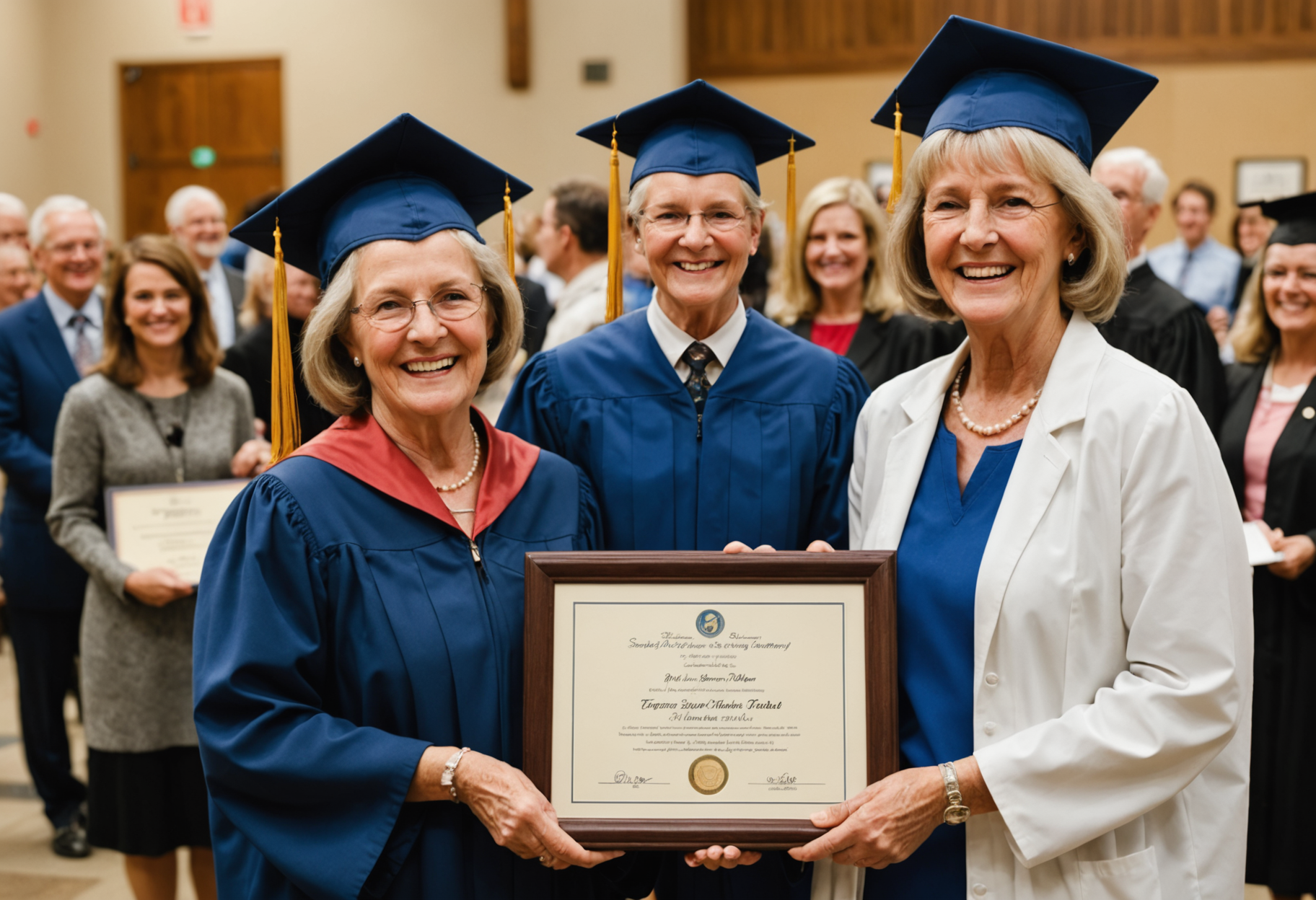
Pursuing a doctorate later in life isn’t just possible—it can also be deeply rewarding. Seniors often bring maturity, life experience, and clarity of purpose that enhances the research process. Here are some of the key benefits:
- Mental Engagement: Continual learning has been linked to improved memory and stress management.
- Sense of Purpose: Working towards a PhD can renew motivation and personal goals.
- Contributing Knowledge: Seniors can use their rich experiences to add practical value to academic literature.
- Community Impact: Research outcomes can influence communities or policy, particularly in fields like education or health.
Moreover, many programs and scholarships are dedicated to mature learners, further enhancing their access to higher education. The American Association of University Women, for example, offers fellowships specifically for older women returning to graduate study.
If you’ve ever dreamed of earning a PhD, age doesn’t have to be a limitation. With options like universities offering PhD without a master’s, online programs, and institutions across the USA and Europe embracing lifelong learners, it’s more possible than ever for seniors to achieve this goal. Consider exploring your options further—your next academic chapter might be just beginning.