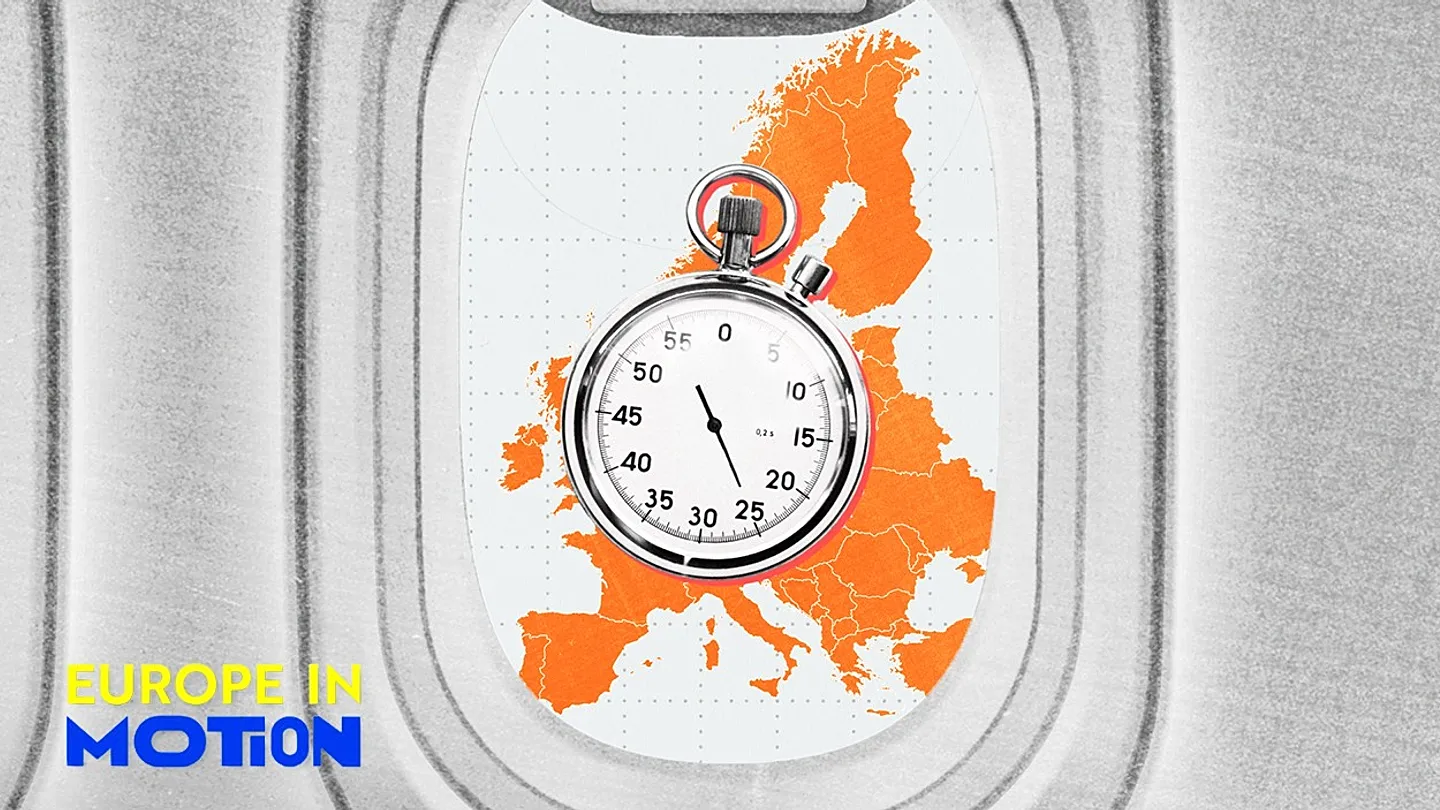
Thousands of travelers across Europe faced chaotic scenes in early April 2026 as a perfect storm of severe weather, airspace restrictions, and staffing shortages caused massive flight disruptions. With over 1,600 flights delayed or cancelled within a single week, passengers found themselves stranded at major hubs from Amsterdam to Athens, London to Lisbon. As the busy spring travel season gets underway, understanding the scale of these disruptions, knowing your rights, and having practical strategies can mean the difference between a manageable delay and a travel nightmare.
The Scale of Disruption: How Europe's Air Travel Network Unraveled
On April 5, 2026, a wave of disruption hit European air travel with 85 flights cancelled and 381 delayed across nine countries. The worst impacts were felt at Oslo Gardermoen Airport (23 cancellations), Stavanger Airport (23 cancellations), Amsterdam Schiphol (7 cancellations and 143 delays), London Heathrow (8 cancellations and 65 delays), and Copenhagen Airport (11 cancellations and 25 delays). Athens International Airport recorded 1 cancellation and 38 delays, demonstrating how even smaller hubs felt the knock-on effects of wider network problems.
The airlines most affected included SAS Scandinavian Airlines, KLM, British Airways, Virgin Atlantic, CityJet, and Aegean Airlines, but the disruption spread through shared terminals and connecting itineraries, leaving passengers on partner airlines dealing with missed connections and uncertain rebookings. For travelers, this meant crowded terminals, longer waits, and heightened anxiety just as the busy spring travel period was gaining momentum.
Timeline: From Weather Warnings to Widespread Delays
The crisis began on April 5, 2026, when a burst of winter-like weather brought high winds, poor visibility, and icy surfaces to parts of northern and central Europe. This coincided with continuing geopolitical tensions that forced reroutes and reduced capacity in European airspace, creating bottlenecks that slowed traffic flows across the region. As aircraft and crews fell out of position, reactionary delays built through the day, affecting airports far from the original weather problems.
Conditions started to improve later on April 5 as the worst weather moved away, but residual delays continued to ripple through timetables during the morning peak of April 6. By April 7, most hubs reported a gradual return to normal, but the incident highlighted the fragile state of Europe's aviation network as it operates at near-full capacity with little operational buffer.
Why Europe's Airports Are Struggling: The Three Key Factors
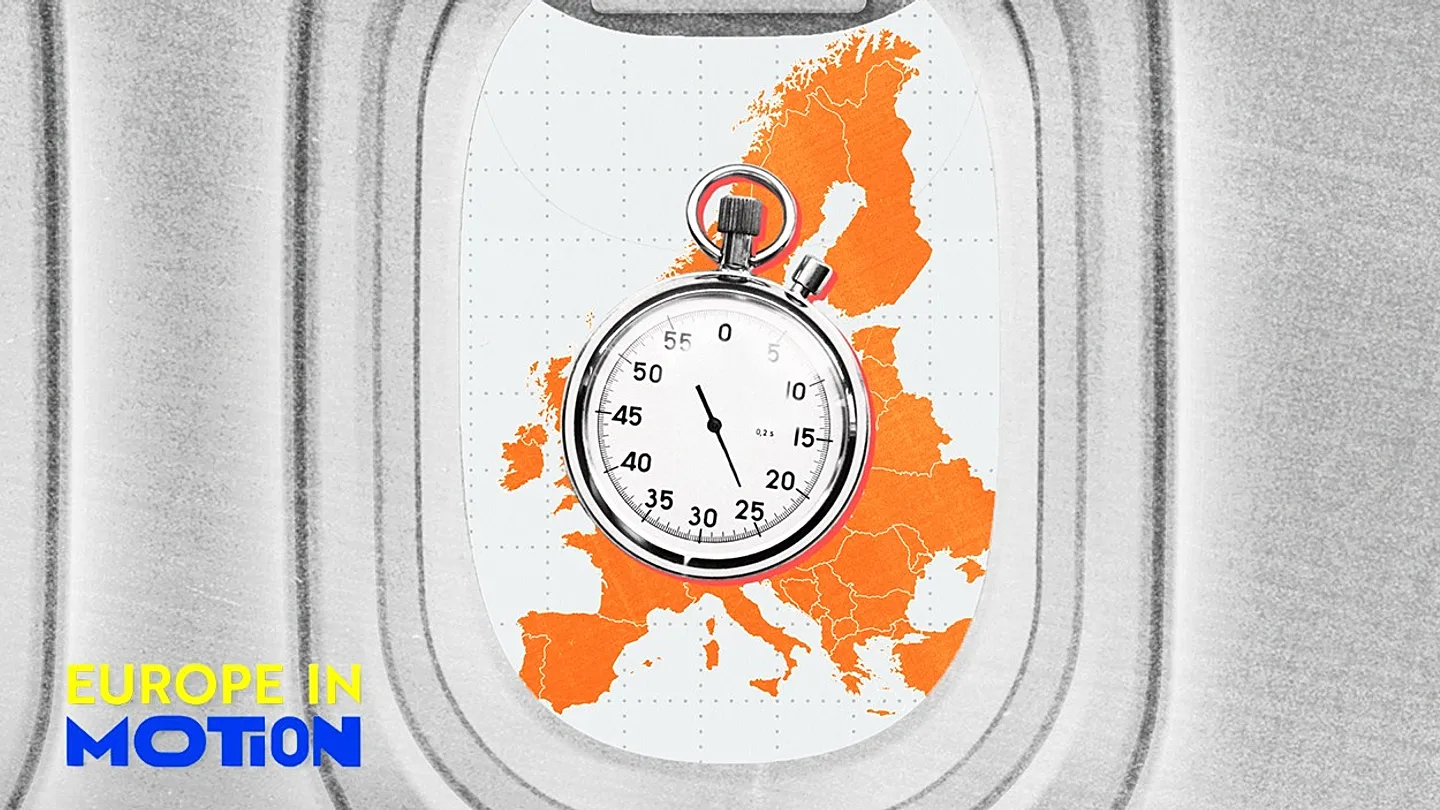
Three overlapping issues are behind the current disruption. First, severe weather events are becoming more frequent and intense, with winter-like conditions persisting into spring in some regions. Second, geopolitical tensions continue to force reroutes and reduce capacity in parts of European airspace, creating bottlenecks that slow entire traffic flows. Third, and perhaps most significantly, several airports are still operating with staff shortages at a time when passenger demand has returned to pre-pandemic levels.
Eurocontrol's latest annual report reveals that total flights in Europe are now at 100.2% of pre-pandemic levels, but the system lacks the resilience to handle disruptions. The organization warns that "reactionary delays"—knock-on effects from earlier disruptions—continue to be the main cause of problems, costing an average of 6.5 minutes per flight. This is why flying in the morning is generally preferable to evening departures, as early flights are less likely to be affected by accumulated delays.
Which Airports Are Worst Hit? The 2025 Punctuality Rankings
According to Eurocontrol data from 2025, Lisbon's Humberto Delgado Airport had the worst departure punctuality in Europe, with just 49% of flights leaving on time—the lowest rate not only among Europe's top 20 busiest hubs but across the entire continent. Zurich and Nice completed the top three for delayed departures, while Lisbon also ranked among the worst-affected airports for late arrivals, alongside Athens and Luxembourg.
At the other end of the spectrum, the Norwegian cities of Bergen and Oslo, Sweden's Stockholm, Denmark's Copenhagen, and Germany's Leipzig led the way for on-time departures, all with punctuality rates surpassing 80%. Munich, Rome Fiumicino, and London Heathrow showed the greatest improvements in punctuality between 2024 and 2025, suggesting that targeted operational changes can make a significant difference.
Despite a 4% overall improvement in punctuality, a staggering 30% of planes still experience late takeoffs, with an average delay of 15 minutes. Eurocontrol stresses that to keep up with growing traffic, authorities must tackle the shortage of air traffic controllers, improve airspace design and route planning, and accelerate technological innovation.
Your Rights When Flights Are Delayed: EU Compensation Explained
Under EU Regulation 261/2004, passengers facing significant delays have clear rights to assistance and potentially compensation. For delays of three hours or more at arrival, compensation ranges from €250 for short-haul flights (up to 1,500 km) to €400 for medium-haul flights (1,500-3,500 km) and €600 for long-haul flights (over 3,500 km).
Even before reaching the three-hour threshold, airlines must provide practical support. For delays of two hours or more (depending on flight distance), passengers are entitled to meals and refreshments, two telephone calls or emails, and hotel accommodation with transfers if an overnight stay becomes necessary. If a flight is cancelled, passengers have the right to choose between rerouting, a refund, or return transportation to their original departure point.
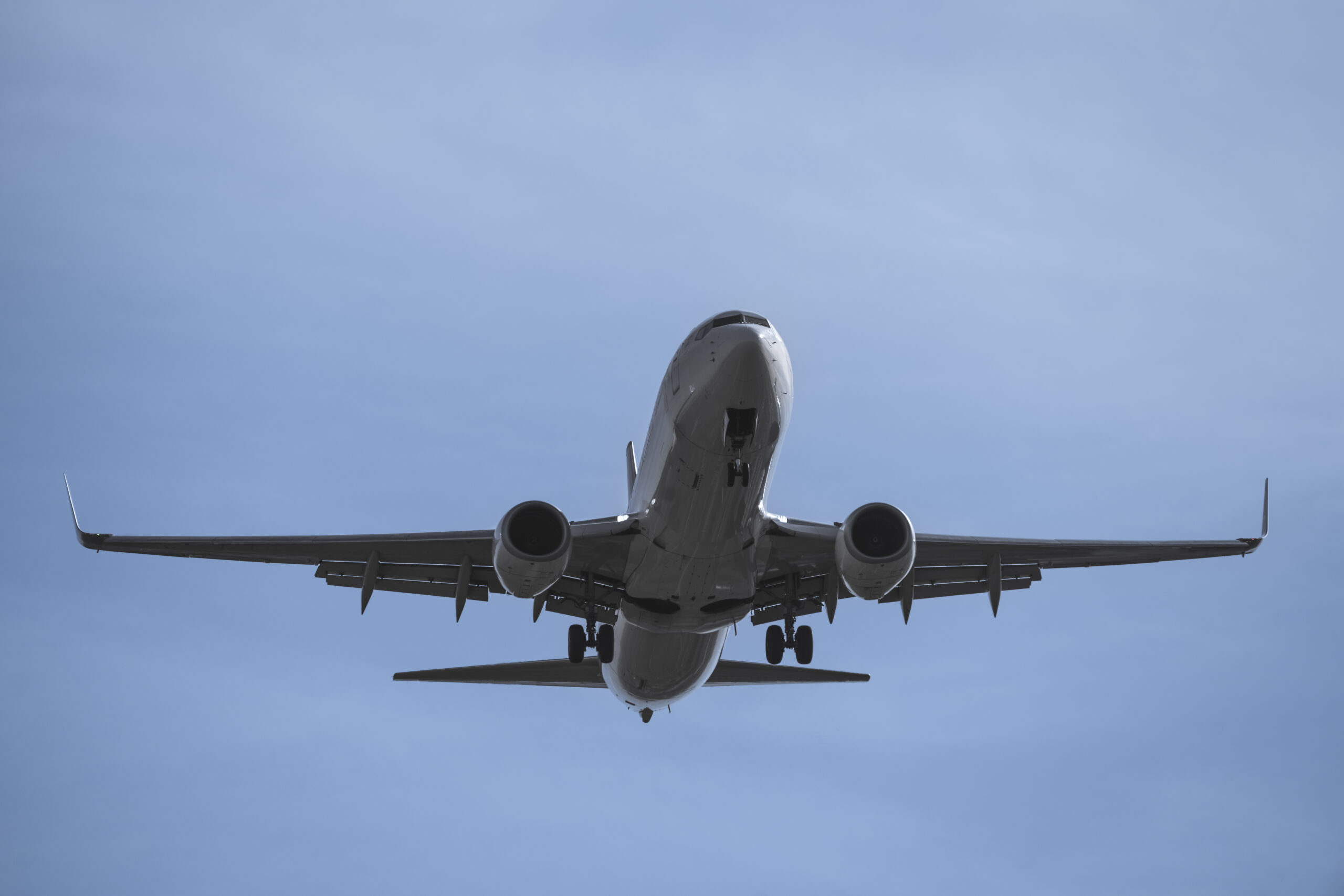
It's important to note that compensation is not payable when disruptions are caused by "extraordinary circumstances" such as severe weather, political instability, or security risks. In the April 5 disruptions, the main cause was severe weather, meaning compensation claims would likely be denied. However, the obligation to provide care and assistance still applies regardless of the cause.
Travel Smart: Expert Tips to Minimize Disruption
Seasoned travelers and aviation insiders recommend several strategies to reduce the impact of flight disruptions. First, always book morning flights when possible—they're statistically less likely to be affected by accumulated delays. Second, consider travel insurance that covers trip interruption and additional accommodation costs, especially during peak seasons. Third, use airline apps for real-time updates and rebooking options, as these are often faster than waiting in line at service desks.
If your flight is delayed or cancelled, act quickly but calmly. Approach airline staff politely but persistently, and know your rights under EU regulations. Document everything: take photos of information boards, keep receipts for any expenses, and note the names of airline representatives you speak with. If you're stranded overnight, don't assume the airline will automatically provide accommodation—you may need to ask specifically for what you're entitled to.
For connecting flights, build in generous layover times (at least 2-3 hours at major hubs) during periods of known disruption. Consider alternative airports near your destination that might have better availability if you need to be rebooked. And perhaps most importantly, maintain perspective: flight delays are frustrating but usually temporary, and maintaining a calm demeanor can often lead to better outcomes when dealing with stressed airline staff.
Looking Ahead: What Summer 2026 Holds for European Travel
As Europe approaches the summer 2026 travel season, the outlook is mixed. On one hand, air traffic continues to grow, with Istanbul's IGA Airport now handling 1,491 flights per day on average, followed by Amsterdam Schiphol (1,351), London Heathrow (1,315), and Paris Charles de Gaulle (1,314). All of Europe's top 20 airports except London Gatwick saw their air traffic rise between 2024 and 2025, with Istanbul Sabiha Gökçen experiencing double-digit growth (+13.8%) compared to an average of +4.3% across Europe.
The continent's network now sees around 30,000 flights per day—rising to 35,000 during the May-August peak season. Ryanair remains the busiest airline, operating almost 3,192 flights a day, followed by EasyJet (1,611), Turkish Airlines (1,559), Lufthansa (1,083), and Air France (1,061).
Eurocontrol has urged airports and airlines to tackle system congestion ahead of the summer peak, warning that without improvements in air traffic control staffing, airspace design, and technological innovation, delays will continue to plague European travel. For passengers, this means being prepared for potential disruptions, knowing your rights, and building flexibility into travel plans.
The Bottom Line: Key Points to Remember
European air travel is experiencing significant disruptions due to a combination of weather, geopolitical tensions, and operational challenges. Lisbon, Zurich, and Nice have the worst punctuality records, while Scandinavian airports generally perform best. Passengers have strong rights under EU Regulation 261/2004, including compensation for lengthy delays and assistance during disruptions. Travelers can minimize problems by booking morning flights, allowing generous connection times, and being prepared with documentation and knowledge of their rights. As summer 2026 approaches, staying informed and flexible will be key to navigating Europe's complex air travel network successfully.