Daylight saving time (DST) is the twice-yearly ritual of shifting the clocks forward one hour in spring and back one hour in fall — and in 2026, the "fall back" change happens on Sunday, November 1. At 2:00 a.m. local time, clocks roll back to 1:00 a.m., which means most Americans gain an extra hour of sleep and, for one confusing stretch, the question "what time is it?" doesn't have a single obvious answer. Here's exactly when the clocks change, why the practice exists, and what the shift means for your body and daily routine.
When Do the Clocks Change in 2026?
In the United States, daylight saving time began on Sunday, March 8, 2026, when clocks "sprang forward" from 2:00 a.m. to 3:00 a.m. It ends on Sunday, November 1, 2026, when clocks "fall back" from 2:00 a.m. to 1:00 a.m. The March date was the earliest possible, because the spring shift always falls on the second Sunday in March; the fall change always lands on the first Sunday in November.
The rule is easy to remember: spring forward, fall back. In March you lose an hour; in November you get it back. If you live in the United Kingdom or much of Europe, the calendar differs — British Summer Time began on March 29, 2026, and clocks there go back one hour on October 25, 2026.
Why Do We Change the Clocks? A Brief History
The concept is often credited to Benjamin Franklin, who wrote a 1784 satirical essay in the Journal de Paris suggesting Parisians wake earlier with the sun to save on candles and lamp oil. But Franklin was joking — he never proposed actually moving the clock. The modern idea came from George Vernon Hudson, a New Zealand entomologist who in 1895 proposed a two-hour shift so he would have more daylight to collect insects after his shift work at the post office.
Daylight saving time did not become law until World War I. Germany adopted it in 1916 to conserve fuel, and the United States followed with the Standard Time Act of March 19, 1918 — a wartime measure designed to save energy by making the most of usable daylight. It was repealed after the war, revived during World War II as "War Time," and finally standardized nationwide by the Uniform Time Act of 1966.
How Daylight Saving Time Actually Works
Daylight saving time does not create extra daylight — it simply shifts an hour of morning light into the evening. During warmer months, when the sun rises early anyway, moving the clock forward means sunset arrives an hour later, giving people more usable daylight after work and school. In the fall, the clock moves back so mornings are not pitch dark when people wake.
The mechanics at the moment of change are precise. On March 8 at 2:00 a.m., clocks jumped straight to 3:00 a.m., erasing an hour. On November 1 at 2:00 a.m., clocks turn back to 1:00 a.m., so the hour between 1:00 and 2:00 a.m. effectively happens twice. Most internet-connected devices — phones, computers, and smartwatches — update automatically, which is why experts recommend double-checking manual clocks, ovens, microwaves, and car dashboards.
Does Daylight Saving Time Still Save Energy?
Energy conservation was the original justification, but the evidence today is mixed at best. Studies in the 1970s suggested DST could save roughly 1% of daily energy use, but more recent research finds the effect is small or even reversed. A widely cited 2011 study by economists Matthew Kotchen and Laura Grant, based on a natural experiment in Indiana, found daylight saving time actually increased residential electricity consumption because people ran air conditioning and heating more. Several European studies reached similar conclusions, finding that savings on lighting were offset by higher demand for cooling and heating. In short, the energy-saving rationale that launched DST more than a century ago has largely eroded.
How the Time Change Affects Your Health
Losing or gaining an hour may sound trivial, but the shift has real physiological effects. Daylight saving time transitions disrupt the body's circadian rhythm — the internal clock that governs sleep, hormones, and metabolism. The American Academy of Sleep Medicine has documented that the spring-forward change, in particular, is associated with sleep disruption, mood disturbances, and a short-term rise in heart attacks, strokes, and traffic accidents. Sleep researchers even have a name for the groggy Monday after spring forward: "Sleepy Monday."
Because of these effects, the American Academy of Sleep Medicine and many health experts argue that permanent standard time — not permanent daylight saving time — is the healthiest option, since standard time aligns more closely with the body's natural sleep-wake cycle.
Who Doesn't Change Their Clocks?
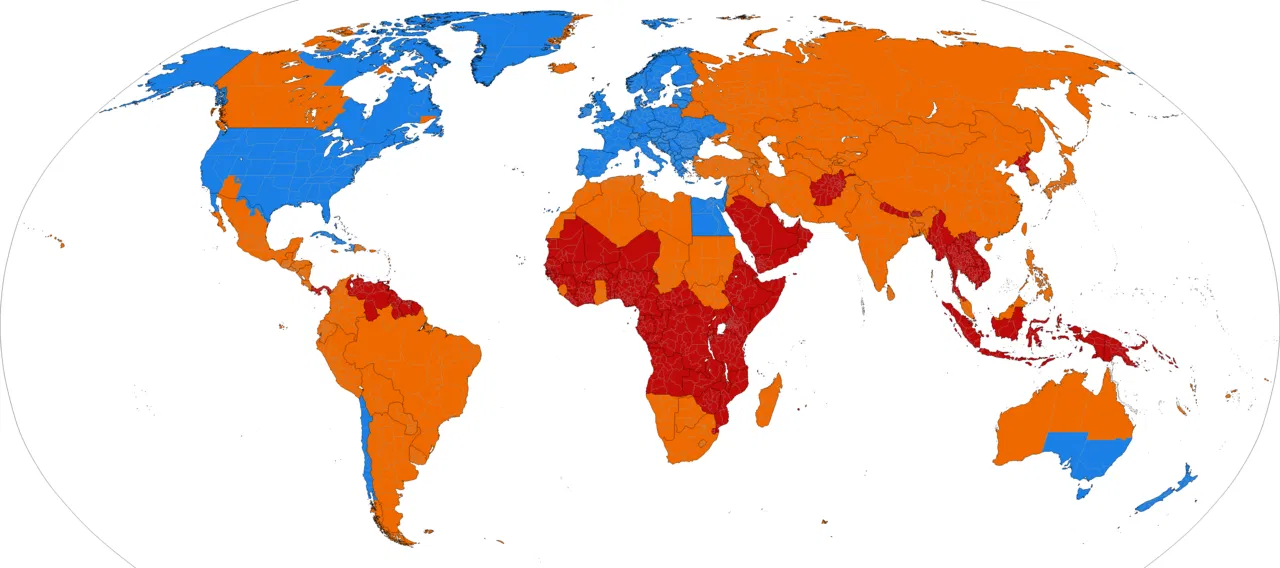
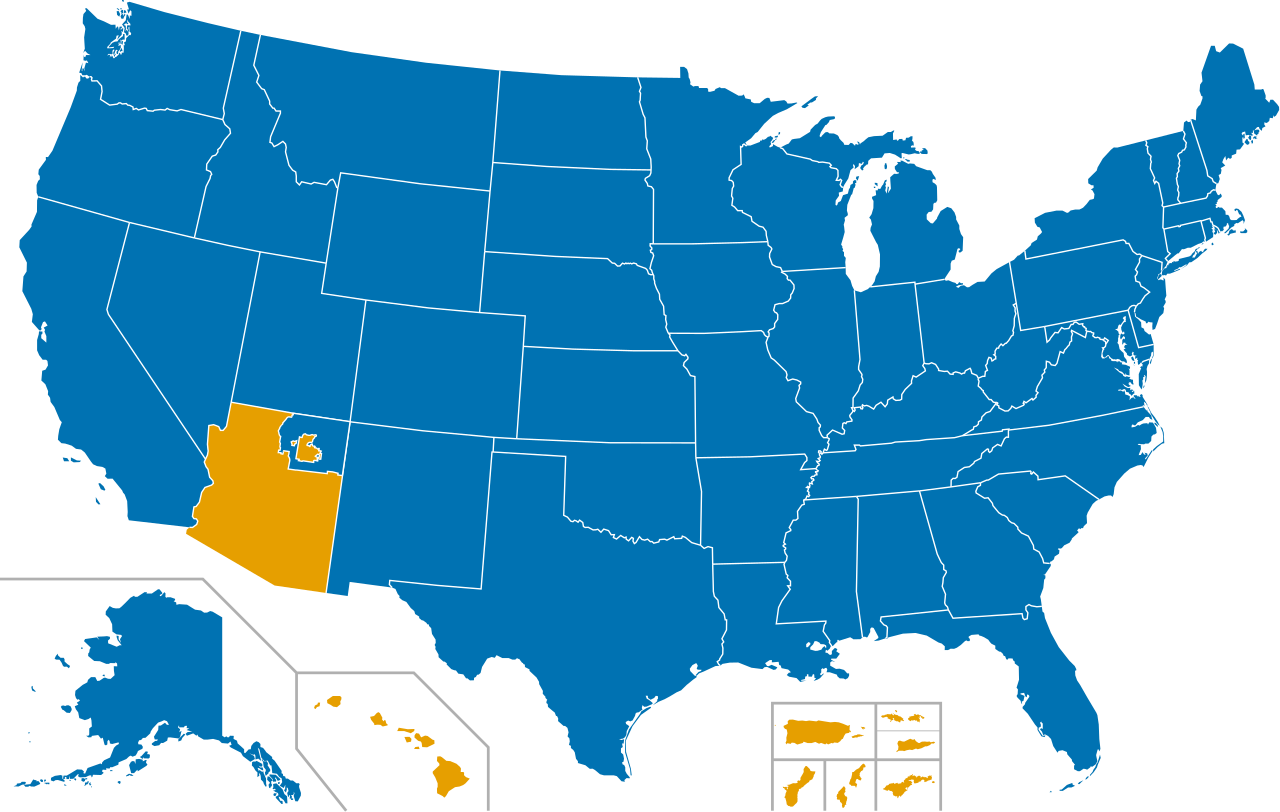
Not everyone in the U.S. participates. Hawaii and most of Arizona (with the exception of the Navajo Nation) stay on standard time year-round, largely because their climates and latitudes make shifting daylight less useful. U.S. territories — including Puerto Rico, the U.S. Virgin Islands, Guam, American Samoa, and the Northern Mariana Islands — also skip the switch. Globally, roughly 70 countries observe some form of daylight saving time, concentrated in Europe, North America, and parts of the Southern Hemisphere, while much of Asia and Africa do not.
The Push to Make Daylight Saving Time Permanent
Efforts to end the twice-yearly clock change have gained momentum. The Sunshine Protection Act — which would make daylight saving time permanent nationwide — was reintroduced in the 119th Congress as H.R. 139 and S. 29. The House passed a version of the bill earlier this year, but it has stalled in the Senate, so the clocks are still changing in 2026. Nineteen states have passed legislation or resolutions supporting permanent daylight saving time, but federal approval is required for states to adopt it. For now, Americans should expect to keep springing forward and falling back on schedule.
How to Prepare for the Time Change
Sleep experts recommend easing into the shift rather than letting it ambush you. A few days before the change, try going to bed and waking up about 15 minutes earlier (in spring) or later (in fall) each day. Get bright morning light soon after waking to help reset your internal clock, avoid caffeine after early afternoon, and keep your bedroom cool and dark. On the night of the change, most devices handle the update for you — just remember to adjust manual clocks and, if you can, use the extra fall hour to catch up on rest rather than scrolling on your phone.
The Bottom Line: What to Remember
- Daylight saving time 2026 ends Sunday, November 1, at 2:00 a.m., when clocks fall back one hour.
- It began Sunday, March 8, 2026 — the earliest possible spring-forward date.
- The practice began as a World War I fuel-saving measure, not an ancient tradition.
- Modern studies show DST saves little to no energy and can disrupt sleep and health.
- Hawaii, most of Arizona, and U.S. territories do not observe DST.
- The push for permanent DST is stalled in the Senate, so the clock changes continue for now.