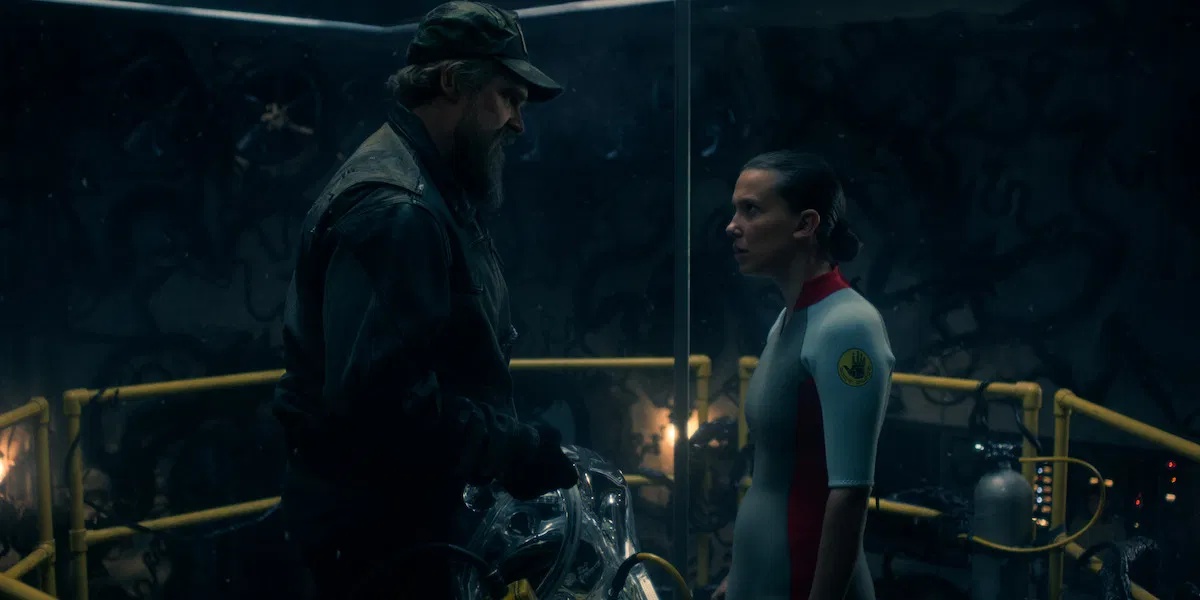
After nine years and five seasons, Netflix's hit series Stranger Things concluded with a finale that left fans with one burning question: did Eleven die? The Season 5 finale, titled "The Rightside Up," delivered an emotional and ambiguous ending for the show's main protagonist, leaving viewers to interpret whether Millie Bobby Brown's character sacrificed herself or found a way to survive. This article breaks down exactly what happens to Eleven in the final episode, explores the creators' intentions, and examines the evidence for both interpretations of her fate.
The Final Showdown: How Stranger Things Ended
In the epic series finale, the Hawkins crew launches their final assault against Vecna (Jamie Campbell Bower) and the Mind Flayer. Eleven, along with her sister Kali (Linnea Berthelsen) and Max (Sadie Sink), attacks Vecna psychically while the rest of the group battles the physical manifestations of the Upside Down. After a complex battle sequence that sees Joyce Byers (Winona Ryder) deliver the final blow to Vecna, the team prepares to destroy the Upside Down permanently using a bomb triggered by Prince's "Purple Rain."
At this critical moment, Eleven makes a startling decision. She tells her adoptive father Jim Hopper (David Harbour) that she must "end the cycle" by ensuring that her powers can never be used again to create supernatural weapons or open gates to other dimensions. As the bomb timer counts down, Eleven stands at the gateway to the Upside Down and refuses to leave. She psychically visits her boyfriend Mike Wheeler (Finn Wolfhard) to say goodbye, telling him, "None of this will ever end if I'm still here." After sharing a final psychic kiss with Mike, Eleven appears to be consumed by the explosion as the Upside Down collapses.
Eleven's Journey: From Lab Experiment to Hero
To understand the significance of Eleven's potential sacrifice, it's important to trace her character arc throughout the series. Born Jane Ives in 1971, Eleven was taken from her mother Terry Ives by Dr. Martin Brenner and raised as a test subject at Hawkins National Laboratory. Given the designation "011," she developed powerful psychokinetic and telepathic abilities through traumatic experiments. In Season 1, she escaped the lab and befriended Mike, Dustin, and Lucas, helping them find their missing friend Will Byers while hiding from government agents.
Over five seasons, Eleven evolved from a frightened, nonverbal child into a powerful young woman who repeatedly saved Hawkins from interdimensional threats. She closed the gate to the Upside Down in Season 2, battled the Mind Flayer in Season 3, and regained her powers in Season 4 after temporarily losing them. Each victory came at great personal cost, with Eleven continually grappling with her identity as both a weapon and a person deserving of normal life.

By Season 5, Eleven had become the central figure in the battle against Vecna, who was revealed to be her "brother" Henry Creel (also known as One). Her connection to Vecna and the Upside Down made her uniquely positioned to end the threat permanently, but also made her a target for military forces who wanted to weaponize her abilities. This context explains why Eleven might choose self-sacrifice as the only way to ensure true peace for her friends and prevent future atrocities.
The Alternative Theory: Did Eleven Actually Survive?
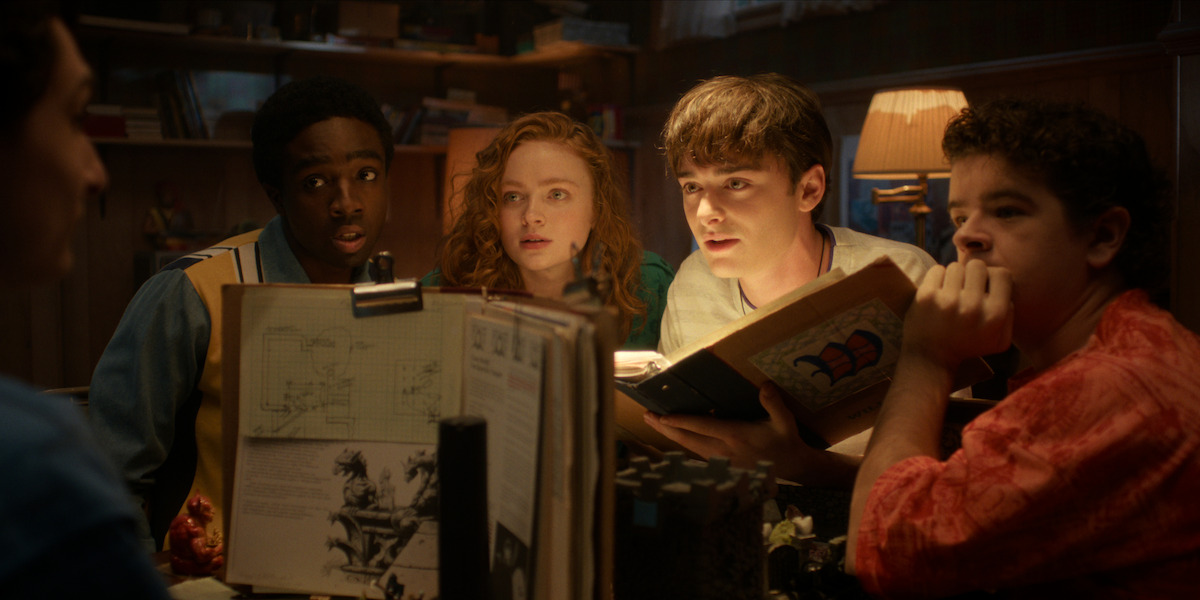
The finale doesn't end with Eleven's apparent death. Instead, it jumps forward 18 months to the group's high school graduation and their final Dungeons & Dragons game. During this epilogue, Mike proposes an alternative explanation for what happened to Eleven. He suggests that before her death, Kali used her illusion powers to create two spells: one making Eleven invisible, and another creating the illusion that she was swept up in the explosion.
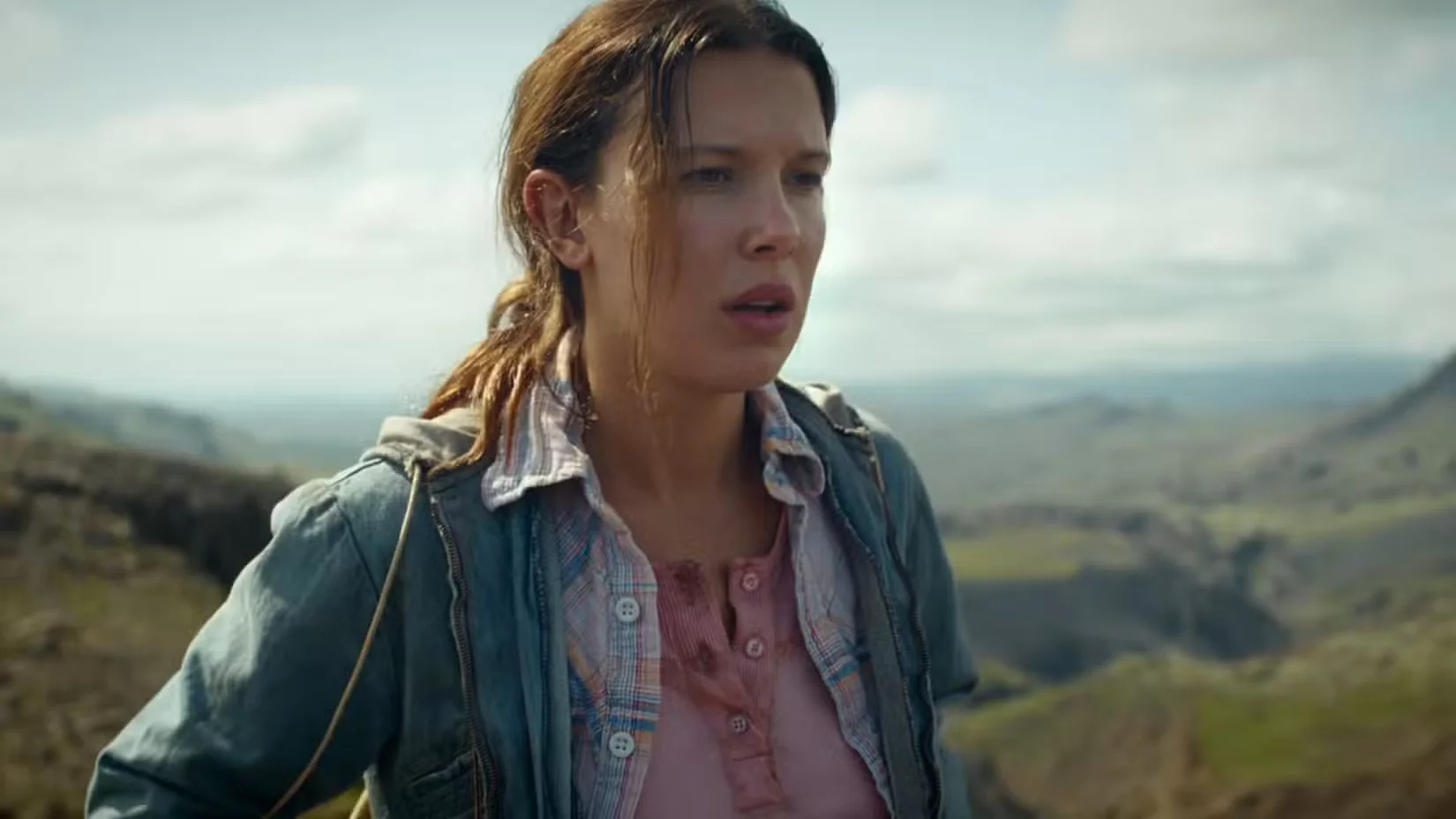
According to Mike's theory, Eleven actually escaped during the chaos and traveled to a remote location—"a small village bordered by three waterfalls"—where she could live in peace without fear of being hunted for her powers. Mike admits they can't know for sure if this theory is true, but says, "I choose to believe that it is." The episode then cuts to a scene showing Eleven walking through a beautiful landscape, suggesting this happier ending might be possible.
This ambiguity is intentional, as the Duffer Brothers explained in multiple interviews. Ross Duffer told Netflix's Tudum, "There was never a version of the story where Eleven was hanging out with the gang at the end. For us and our writers, we didn't want to take her powers away. She represents magic in a lot of ways and the magic of childhood. For our characters to move on and for the story of Hawkins and the Upside Down to come to a close, Eleven had to go away."
Creator Insights: Why Eleven's Fate Was Left Ambiguous
Matt and Ross Duffer have been clear about their storytelling intentions regarding Eleven's ending. In an interview with IGN, Matt Duffer explained, "What we wanted to do was confront the reality of what her situation was after all of this and how could she live a normal life. These are the questions that we've been posing this season that Hopper just doesn't even want to think or talk about. Mike's obviously talked about it a lot, but it's sort of this fantasy version that would never work. There are two roads that Eleven could take. There's this darker, more pessimistic one or the optimistic, hopeful one. Mike is the optimist of the group and has chosen to believe in that story."
The brothers revealed that they discussed whether to give Eleven a definitive happy ending but ultimately decided ambiguity served the story better. Ross Duffer added, "We thought it would be beautiful if our characters continued to believe in that happier ending even if we didn't give them a clear answer to whether that's true or not. The fact that they're believing in it, we just thought it was such a better way to end the story and a better way to represent the closure of this journey and their journey from children to adults."
What Other Characters' Endings Tell Us About Eleven's Fate
While Eleven's fate remains open to interpretation, the other main characters receive clear resolutions that provide context for her story:
- Mike Wheeler becomes a writer and continues to believe in Eleven's survival, representing the power of hope and storytelling.
- Will Byers finds acceptance in a larger city and moves on from his trauma, showing that characters can heal from their experiences.
- Joyce Byers and Jim Hopper get engaged and plan to move to Montauk, New York, finally achieving the happy ending that was denied to them earlier.
- Max and Lucas settle down together after their long-awaited movie date.
- Dustin Henderson continues his studies at university while maintaining his friendship with Steve.
- Steve Harrington stays in Hawkins to coach little-league baseball, finding purpose in mentoring the next generation.
The fact that every other character receives a definitive happy ending suggests that the creators wanted to provide closure while leaving Eleven's fate deliberately uncertain. This approach allows the audience to participate in the storytelling by choosing which interpretation they believe.
Fan Reactions and Theories About Eleven's Fate
Since the finale's release, fans have passionately debated Eleven's fate on social media and forums. Some viewers point to logistical questions as evidence for her survival: How did she get from the truck surrounded by soldiers to the portal? How was she able to use her powers when the military's "kryptonite" machines were active? These inconsistencies suggest that something supernatural might have helped her escape.
Other fans argue that the emotional weight of the story requires Eleven's sacrifice to be real. They note that her character arc has always been about selflessness and protecting others, making a heroic sacrifice a fitting conclusion. The Today article on the finale reported that one Reddit user cried "for an hour" after the episode, while another called it an "11/10 finale," showing the emotional impact of Eleven's potential death.
The Symbolic Meaning Behind Eleven's Ambiguous Ending
Beyond the literal question of whether Eleven died, her ambiguous ending serves important thematic purposes in the series:
- Representation of Childhood's End: Eleven embodies the magic and wonder of childhood in the series. Her departure symbolizes the characters leaving their childhood behind as they transition to adulthood.
- The Power of Belief: Mike's choice to believe in a happier ending for Eleven demonstrates how stories and beliefs can help people cope with loss and trauma.
- Sacrifice vs. Self-Preservation: Eleven's dilemma represents the conflict between self-sacrifice for the greater good and the right to live a normal life after trauma.
- Open-Ended Storytelling: By leaving Eleven's fate ambiguous, the Duffer Brothers invite viewers to continue engaging with the story beyond the final episode.
What's Next for the Stranger Things Universe
While Eleven's story may be complete (or intentionally incomplete), the Stranger Things universe continues to expand. The Duffer Brothers have confirmed a spinoff series with completely new characters, a new town, and a new mythology. They've also promised that this spinoff will answer some "loose threads" from the Season 5 finale, though it's unclear if this will include definitive answers about Eleven's fate.
For now, all five seasons of Stranger Things are available to stream on Netflix, allowing fans to revisit Eleven's journey from beginning to end. Whether viewers believe she died a hero's death or found peace in a hidden village, her character remains one of the most iconic in modern television.
Key Takeaways: Understanding Eleven's Fate
The question "Did Eleven die in Stranger Things?" has no single correct answer, and that's by design. Here's what we know for certain:
- In the Season 5 finale, Eleven appears to sacrifice herself by staying in the Upside Down as it collapses.
- Mike Wheeler proposes an alternative theory that Eleven survived with Kali's help and escaped to a remote location.
- The Duffer Brothers intentionally left Eleven's fate ambiguous to serve thematic purposes about childhood, belief, and closure.
- All other main characters receive clear happy endings, providing contrast to Eleven's uncertain fate.
- Ultimately, viewers are invited to choose which interpretation they believe, making Eleven's story personally meaningful to each fan.
Whether you believe Eleven died a heroic death or found peace in isolation, her journey from abused lab subject to savior of Hawkins represents one of television's most compelling character arcs. The ambiguity of her ending ensures that discussions about her fate—and what it means—will continue long after the final credits roll.