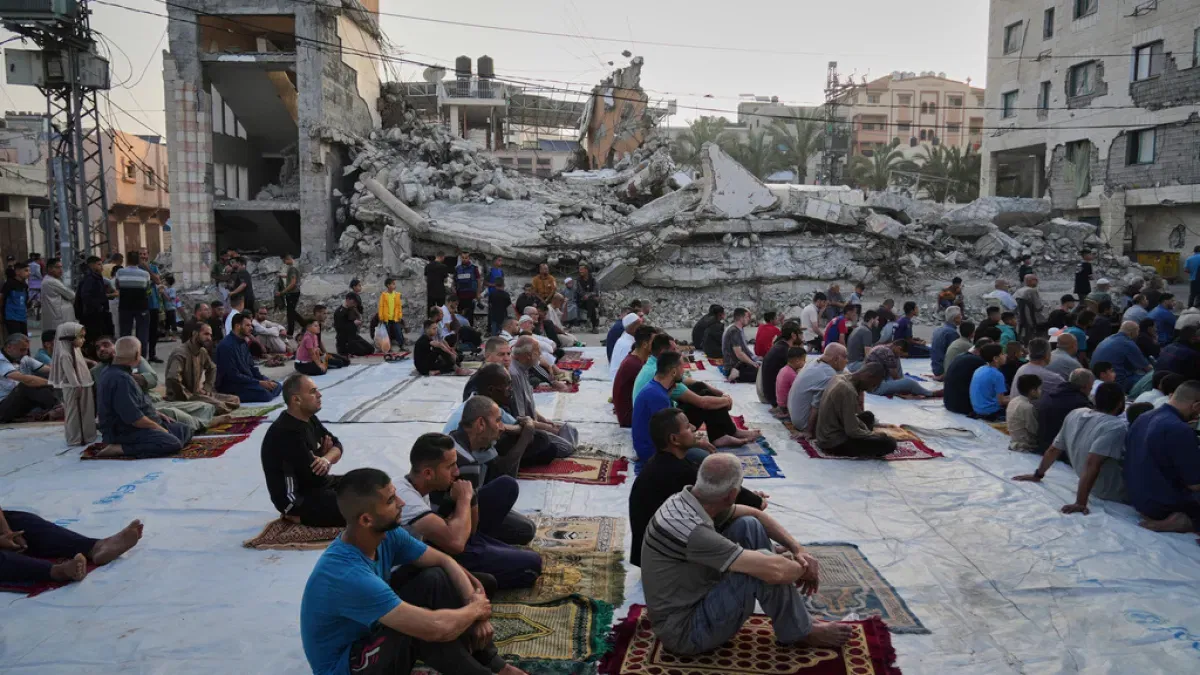
Eid al-Adha, also known as the "Festival of Sacrifice," is one of the two most important holidays in Islam, celebrated by Muslims around the world. It falls on the 10th day of Dhu'l-Hijja, the twelfth and final month of the Islamic calendar, and commemorates Prophet Abraham's unwavering willingness to sacrifice his son as an act of obedience to God. In 2025, Eid al-Adha was observed from June 6 to June 9 in most parts of the world, marking a time of prayer, charity, family gatherings, and communal feasting.
The Story Behind Eid al-Adha: Abraham's Test of Faith
According to Islamic tradition, the Prophet Abraham (known as Ibrahim in Arabic) received a command from God in a dream to sacrifice his eldest son, Ishmael (Isma'il). When Abraham told his son about the dream, Ishmael responded with unwavering faith, saying, "O my dear father! Do as you are commanded. Allah willing, you will find me steadfast" (Quran 37:102). As Abraham prepared to carry out the sacrifice, God intervened and provided a ram to be slaughtered instead, honoring both father and son for their submission. This story, which also appears in the Jewish Torah (Genesis, Chapter 22), forms the foundation of Eid al-Adha. The holiday's name itself comes from the Arabic words "Eid" (festival) and "Adha" (sacrifice), reflecting the core theme of devotion and surrender to God's will.
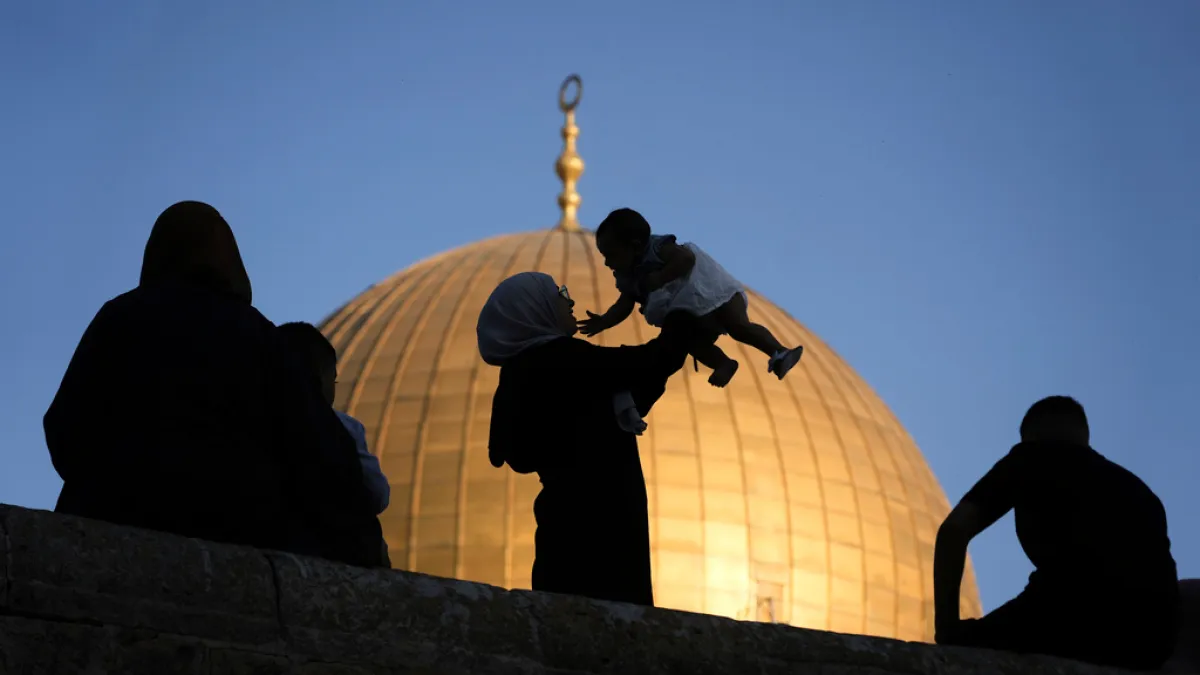
The holiday also marks the culmination of the Hajj pilgrimage in Mecca, Saudi Arabia, one of the Five Pillars of Islam. Pilgrims perform the ritual stoning of the devil, the tawaf (circumambulation of the Kaaba), and the saee (walking between the hills of Safa and Marwa) during this period. The connection between Hajj and Eid al-Adha is profound: pilgrims in Mina reenact Abraham's rejection of Satan by throwing stones at pillars, while Muslims worldwide simultaneously celebrate the festival.
How Eid al-Adha Is Observed: From Prayer to Sacrifice
The day begins with Muslims performing ghusl (a full-body ritual purification) and dressing in their finest clothes. They then gather for the Eid prayer, which takes place any time after sunrise and before the noon prayer. The prayer is typically held in large congregations at mosques or open prayer grounds called Eidgahs. Following the prayer, an imam delivers a sermon (khutbah) emphasizing the themes of sacrifice, charity, and community. Afterward, Muslims exchange greetings of "Eid Mubarak" (Blessed Eid), embrace one another, and often visit family and friends.
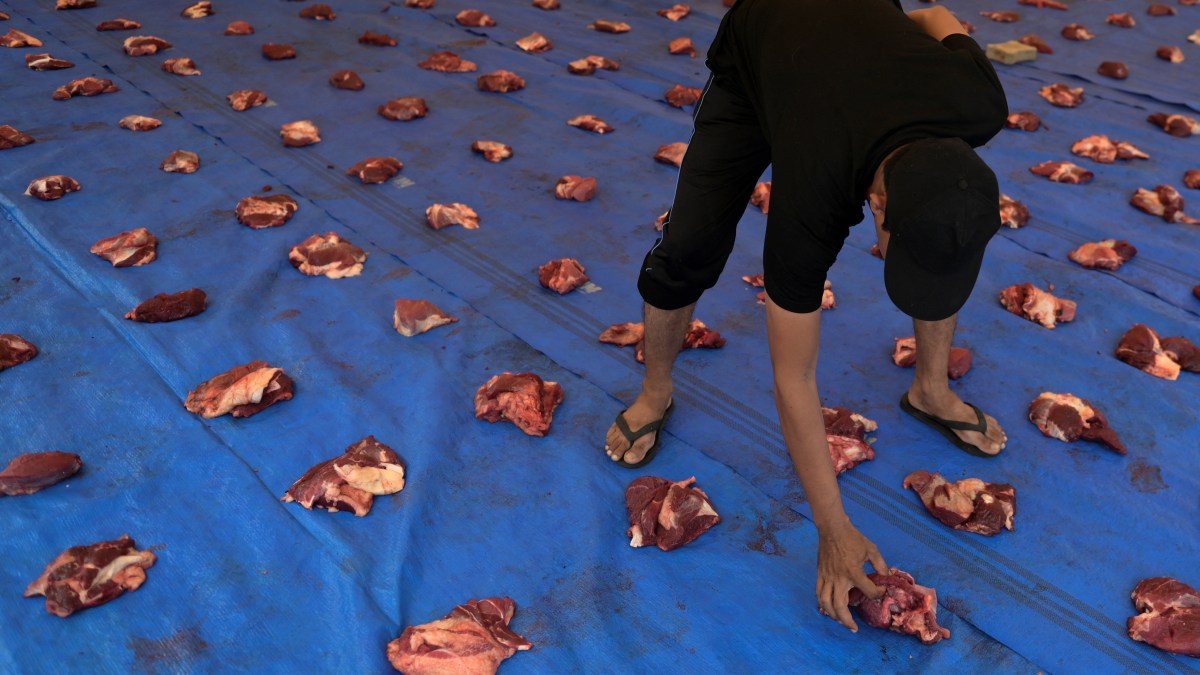
The central ritual of Eid al-Adha is the udhiyah or qurbani — the sacrifice of a halal animal such as a sheep, goat, cow, or camel. This act symbolizes Abraham's willingness to sacrifice his son. The animal must meet specific age and quality standards to be considered suitable. The meat from the sacrifice is divided into three equal parts: one-third for the family, one-third for relatives and friends, and one-third for the poor and needy. This distribution ensures that everyone, regardless of economic status, can partake in the celebration and enjoy meat. While some Islamic scholars consider the sacrifice obligatory (wajib), others view it as a strongly recommended practice (sunna mu'akkada), with alternatives such as charitable donations being permissible in some interpretations.
Key Dates: When Does Eid al-Adha Occur?
Because the Islamic calendar follows the lunar cycle, the date of Eid al-Adha shifts approximately 10-12 days earlier each year in the Gregorian calendar. The holiday falls on the 10th of Dhu'l-Hijja and extends for three to four days (the Tashreeq days). Recent and upcoming dates include:
- 2025: June 6–9 (West Asia, Europe, North America); June 7–10 (North Africa, South Asia, Southeast Asia)
- 2026: May 27–30 (Americas, Europe, West/South Asia, North Africa); May 28–31 (South Africa, East Asia, Oceania)
The variation in dates between regions occurs due to differences in moon sighting methodologies. In Turkish-speaking countries, the holiday is known as Kurban Bayramı, while in South Asia it is often called Bakra Eid or Eid ul-Azha, and in parts of the Arab world it is referred to as al-Eid al-Kabir (the Greater Eid).
Eid Traditions Around the World
While the core religious observances remain consistent, Eid al-Adha is celebrated with distinctive local customs across the globe. In Bangladesh, where approximately 13 million animals are sacrificed annually, temporary cattle markets called haats spring up in the days leading up to the holiday, and animals are traditionally decorated with garlands. People travel from cities back to their hometowns to celebrate with extended family, feasting on traditional Bengali meat dishes like kala bhuna, khasir rezala, and pulao.
In Pakistan, women apply intricate henna designs on their hands and feet — a famous tradition that adds to the festive atmosphere. Children eagerly await Eidi, gifts of money given by elders. In the Middle East, families prepare elaborate trays of traditional sweets such as ma'amoul (date-filled cookies) and baklava to share with guests and neighbors.
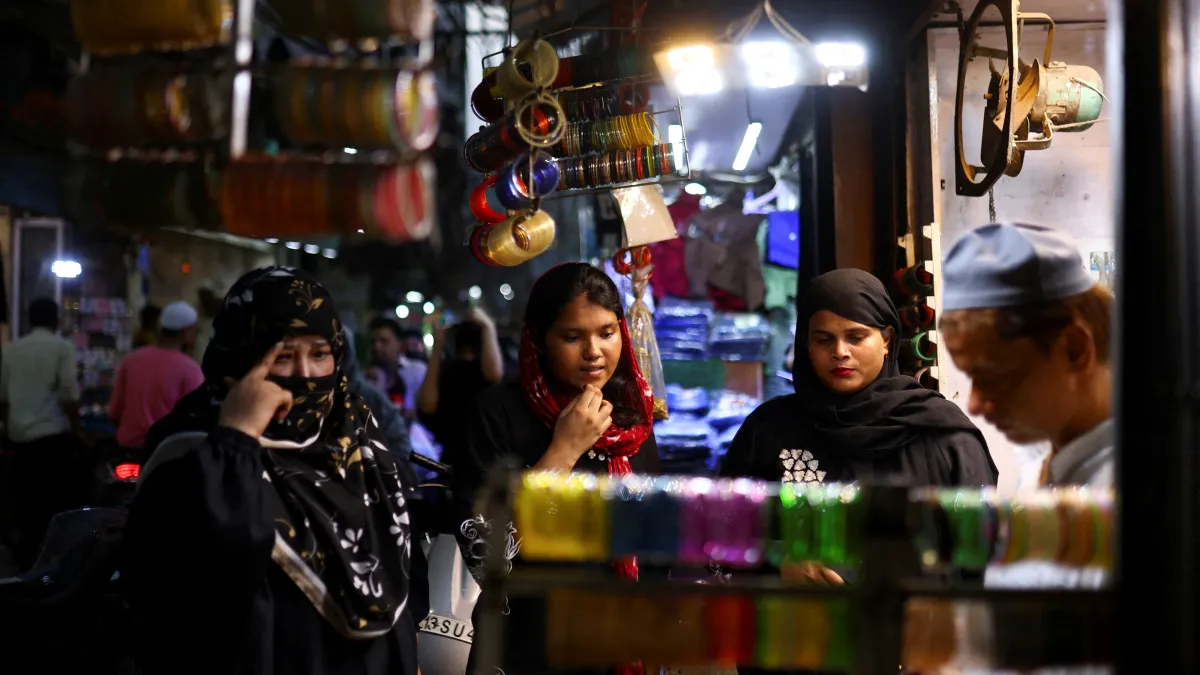
In African nations, the emphasis is on communal feasting and gift-giving, with extended families and neighbors invited to share meals. In Indonesia, the world's most populous Muslim country, freshly slaughtered beef and mutton are distributed for free to community members. In Western countries like the United States and the United Kingdom, Muslims gather at mosques and community centers for prayers, often inviting friends, neighbors, and colleagues of other faiths to join the festivities as a way of building bridges and sharing Islamic culture.
What Makes Eid al-Adha Different from Eid al-Fitr
Many people are familiar with Eid al-Fitr, which marks the end of Ramadan, but Eid al-Adha is distinct in several important ways. Eid al-Adha is often called the "Greater Eid" (al-Eid al-Kabir) because of its association with both the Hajj pilgrimage and the ritual sacrifice. While Eid al-Fitr celebrates the completion of a month of fasting, Eid al-Adha commemorates a story of profound faith and submission to God. The central ritual of animal sacrifice and the three-way division of meat is unique to Eid al-Adha, emphasizing charity and community welfare. Additionally, Eid al-Adha lasts four days compared to Eid al-Fitr's three days, and its timing is linked to the Hajj pilgrimage season.
The Significance of Eid al-Adha Today
Beyond its religious importance, Eid al-Adha carries powerful messages of charity, equality, and community. The requirement to share meat with the poor ensures that even those who cannot afford to purchase meat can participate in the celebration. This focus on social welfare reflects the Islamic principle of zakat (charity) and care for the less fortunate. The holiday also serves as a reminder of the values of sacrifice, obedience, and gratitude that are central to the Islamic faith. In an increasingly interconnected world, Eid al-Adha offers an opportunity for cultural exchange and understanding, as Muslims invite people of all backgrounds to share in the festivities and learn about the rich traditions of the holiday.
Key Takeaways About Eid al-Adha
- Meaning: "Festival of Sacrifice" — commemorates Prophet Abraham's willingness to sacrifice his son for God
- Timing: 10th–13th of Dhu'l-Hijja (the final month of the Islamic lunar calendar); shifts about 10-12 days earlier each year on the Gregorian calendar
- Duration: 3-4 days
- Key Rituals: Eid prayer, ritual animal sacrifice (qurbani), meat distribution (1/3 to family, 1/3 to friends/relatives, 1/3 to poor), gift-giving (Eidi), festive meals, and family visits
- Global Reach: Celebrated by over 1.8 billion Muslims worldwide, with unique local traditions in South Asia, the Middle East, Africa, Southeast Asia, and Western countries
- Connection to Hajj: Coincides with the annual pilgrimage to Mecca, one of the Five Pillars of Islam