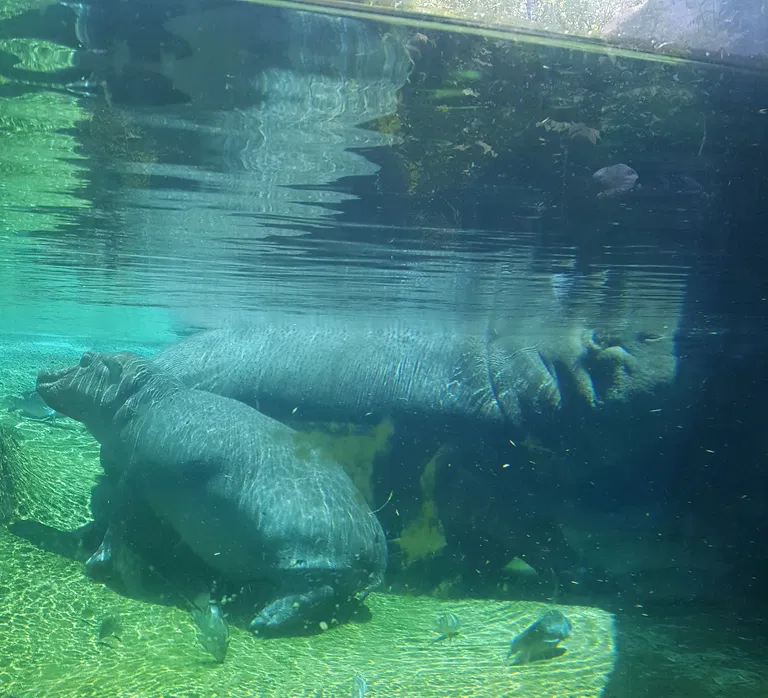
Fiona the hippo, the Cincinnati Zoo's world-famous 'miracle baby' who survived a dangerously premature birth to become a global internet sensation, died on November 19, 2026, at just nine years old. Her death — caused by a knitted hat she swallowed after a visitor accidentally sent it flying into her enclosure — has millions of fans asking a question most people have never stopped to consider: how long do hippos normally live?
The answer is a stark reminder of just how unexpected Fiona's loss really was. Hippos routinely live for decades, and in the right conditions they can reach half a century. Understanding their natural lifespan — and the remarkable facts behind these river giants — puts both Fiona's extraordinary life and her sudden death into perspective.
Fiona the 'Miracle Baby' Dies at 9 After Swallowing a Visitor's Hat
The Cincinnati Zoo & Botanical Garden confirmed the heartbreaking news in a statement on Thursday, saying it was 'devastated to share that beloved hippo Fiona has passed away.' Fiona had been under round-the-clock veterinary care for roughly ten days after ingesting a small knit hat. According to reports, a visitor tossed the hat into the air near her habitat; it bounced off a ceiling fan and landed in the water, where Fiona ate it.
Veterinarians and keepers initially hoped Fiona would pass the object naturally. When that didn't happen, the care team made several attempts to remove it while providing 24-hour supportive care. Despite those efforts, Fiona died from complications on Thursday afternoon, with the zoo announcing the news at 3:50 p.m.
'We know how much Fiona means to so many of you,' the zoo said — a sentiment reflected in the hundreds of flowers, notes and stuffed animals that appeared within hours at the zoo's hippo sculpture, along with the phrase 'Forever our Fiona.'
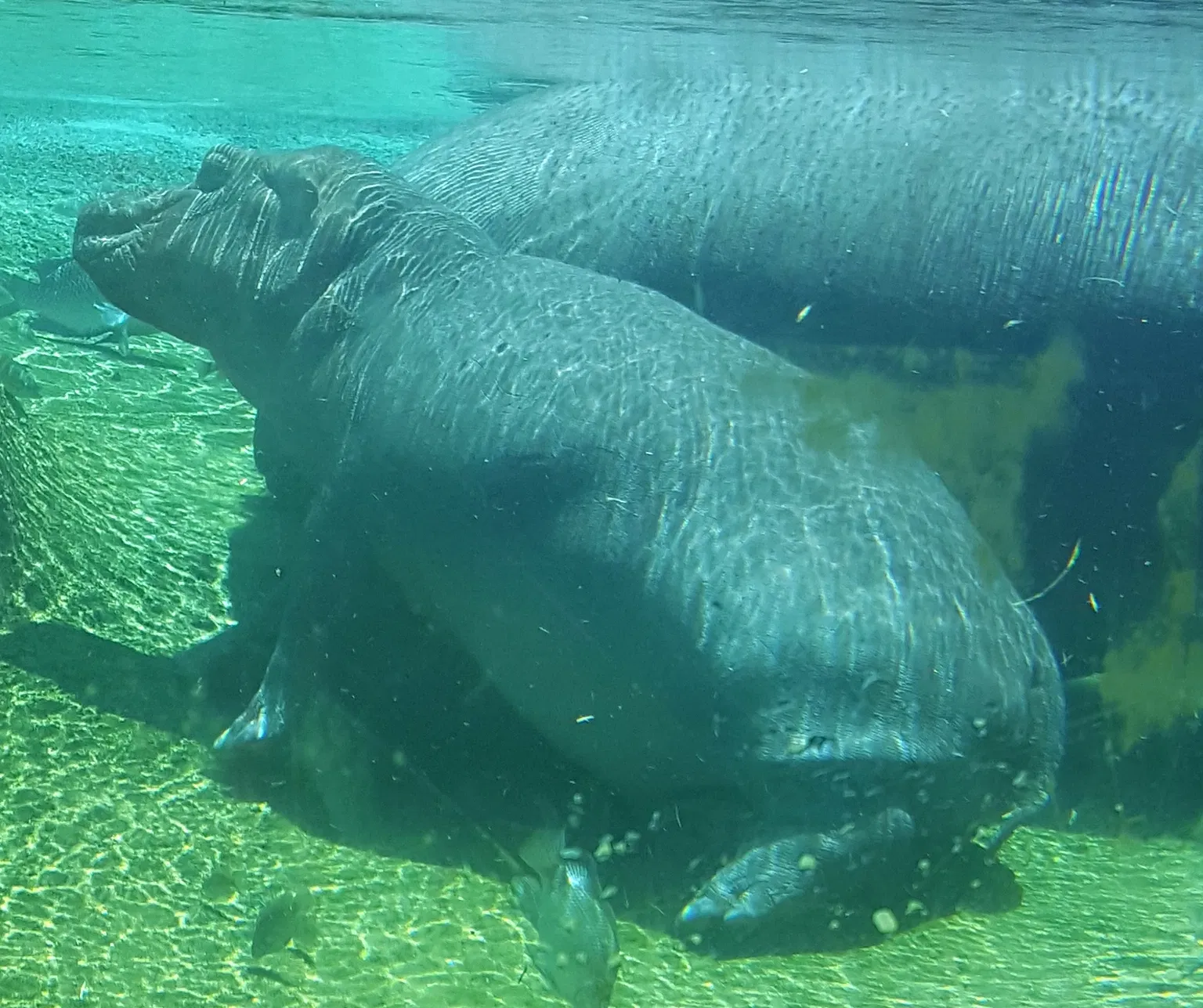
Fiona was a Nile hippopotamus (Hippopotamus amphibius), the larger of only two living hippo species — the other being the far smaller, forest-dwelling pygmy hippo. But her fame was never really about her species. It was about her improbable survival.
Timeline: From a 29-Pound Preemie to a Global Icon
Fiona's story began on January 24, 2017, at about 2:51 a.m., when she arrived six weeks early at the Cincinnati Zoo. A normal hippo pregnancy lasts about eight months, and Fiona's early arrival left her weighing just 29 pounds — roughly 25 pounds lighter than the lowest previously recorded weight for a Nile hippo and less than half a normal birth weight. She was too small and weak to stand or nurse on her own.
Zoo staff cared for her around the clock, at one point enlisting neonatal nurses from Cincinnati Children's Hospital who specialized in premature human babies. Against the odds, Fiona thrived. She hit 1,000 pounds around her second birthday, earned the affectionate nickname 'thousand-pound toddler,' and eventually weighed in at 2,036 pounds by mid-2022. Her every milestone — first steps, first swim, first birthday — was documented on social media, turning her into one of the most famous animals on the planet and inspiring a line of children's books and merchandise.
She later became a big sister when her younger brother Fritz was born on August 3, 2022, joining their mother Bibi in the zoo's Hippo Cove habitat.
How Long Do Hippos Live? The Answer, in the Wild and in Zoos
The short answer is that hippos are built for long lives. In the wild, a common hippo typically lives between 30 and 40 years, and according to Britannica, wild hippos rarely live beyond 40. In captivity, where food is consistent, predators are absent and veterinary care is on hand, that number climbs: captive hippos commonly reach 40 to 50 years, and some individuals have lived even longer.
By those standards, Fiona's death at nine was a devastating anomaly. She had not yet reached what would be considered middle age for her species. Her passing was not the result of old age, disease or any natural limit of her kind — it was an accident involving an object that never should have entered her habitat.
Several factors shape how long a hippo lives. In the wild, adult hippos face few natural predators thanks to their enormous size and famously aggressive temperament, but they remain vulnerable to drought, habitat loss, poaching and conflict with humans. Calves are the most at risk, facing threats from crocodiles, lions and even adult male hippos. In zoos, consistent nutrition and medicine typically push lifespans toward the upper end of the range.
Surprising Hippo Facts: Size, Speed, Diet and Deadly Behavior
Hippos are full of contradictions. They are among the heaviest land mammals on Earth, with common hippos typically weighing 3,000 to 7,000 pounds and some males topping 3,200 kilograms (about 3.5 tons) — a bulk rivaled only by elephants and white rhinoceroses. Yet for all that heft, a hippo can sprint up to 30 kilometers per hour (about 19 mph) over short distances, faster than most humans.
Despite their enormous size and fearsome tusks, hippos are almost entirely herbivorous. They leave the water at night to graze on grass, sometimes traveling up to 10 kilometers (6 miles) along familiar paths and consuming roughly 35 to 50 kilograms (80 to 110 pounds) in a single night. And they are more aquatic than they look: hippos can hold their breath for several minutes and can even sleep underwater, using an involuntary reflex that brings them to the surface to breathe every few minutes without waking.
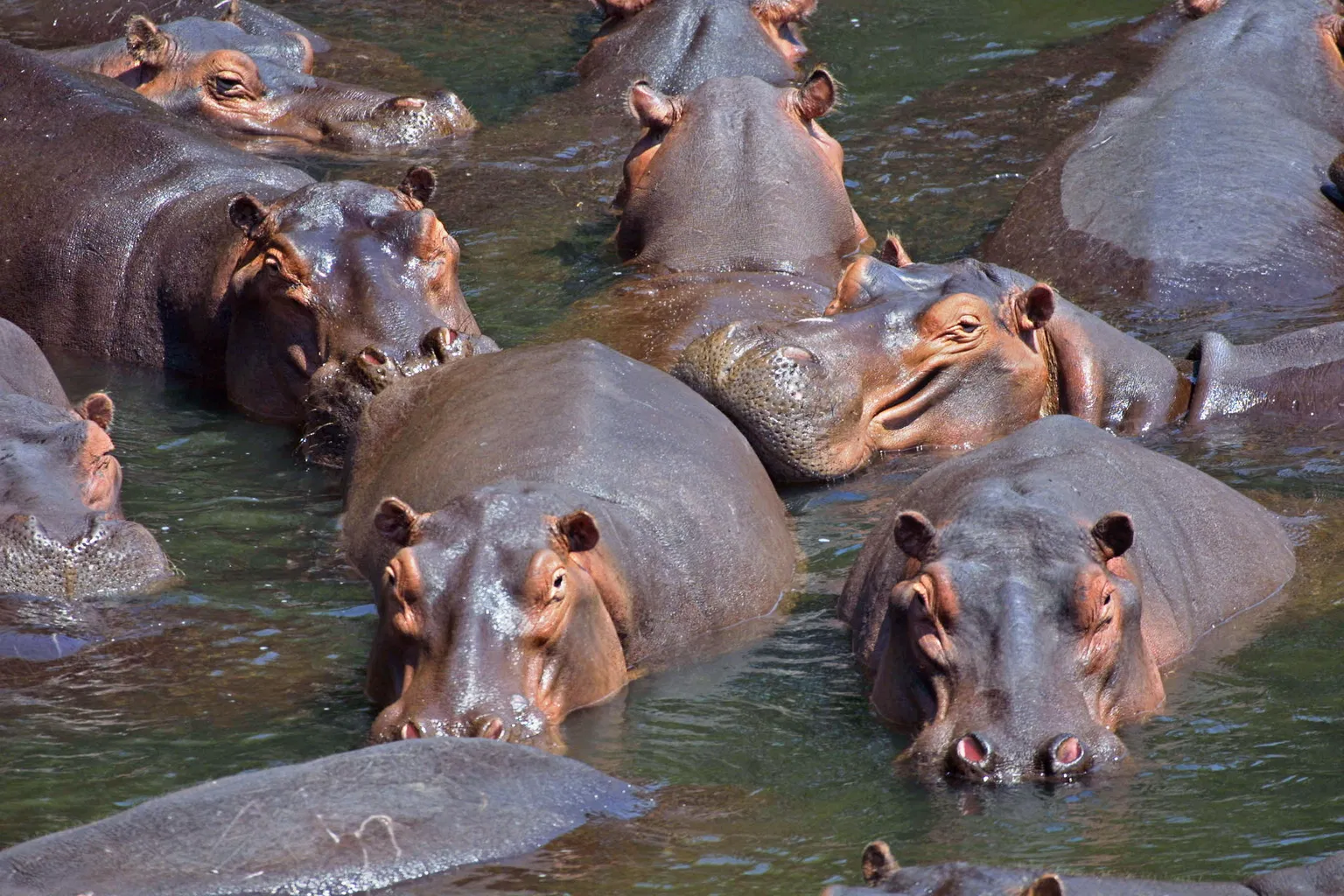
That docile, water-loving image can be dangerously misleading. Hippos are widely considered Africa's deadliest large land mammal, responsible for an estimated 500 human deaths per year. They are intensely territorial — especially in the water — and will charge boats, canoes and people who wander too close. Their combination of size, speed and aggression makes them far more dangerous than their chubby appearance suggests.
Why a Small Knitted Hat Proved Fatal — and Why Surgery Wasn't an Option
Fiona's death also highlights a vulnerability that captivates zoo visitors: hippos are powerful but not invincible. Their digestive systems are designed for grass, not fabric. A swallowed foreign object like a knit hat can lodge in the digestive tract, causing a blockage that even round-the-clock veterinary care may struggle to resolve.
Reports indicate Fiona's care team worked for days, first hoping she would pass the hat naturally and later attempting to remove it. They borrowed a 9-foot scope and even a horse farm's vibration plate to try to help dislodge the object, and Fiona underwent a colonoscopy while sedated. Crucially, specialists advised that surgery was not a viable option for a full-grown hippo — their sheer size, anatomy and the extreme difficulty of safely anesthetizing and operating on such an animal made it impossible.
The Cincinnati Zoo has long warned visitors never to throw items into animal habitats, and Fiona's death has renewed those calls with heartbreaking urgency. The zoo described the hat as having entered her habitat accidentally, but the outcome underscores why enclosures are strictly off-limits for outside objects.
Key Takeaways: What Fiona Taught Us About Hippos
- Hippos typically live 30-40 years in the wild and 40-50 years in captivity, making Fiona's death at age 9 a tragic outlier.
- Fiona was born six weeks premature on January 24, 2017, weighing just 29 pounds, and defied the odds to become a global celebrity.
- Hippos are herbivores that graze on grass at night, yet they are Africa's deadliest large land mammal, killing an estimated 500 people a year.
- Despite weighing up to 3.5 tons, hippos can run nearly 20 mph and even sleep underwater using an automatic breathing reflex.
- Fiona's death from swallowing a visitor's hat is a reminder never to throw objects into animal enclosures — and a lesson in why surgery on a full-grown hippo is nearly impossible.