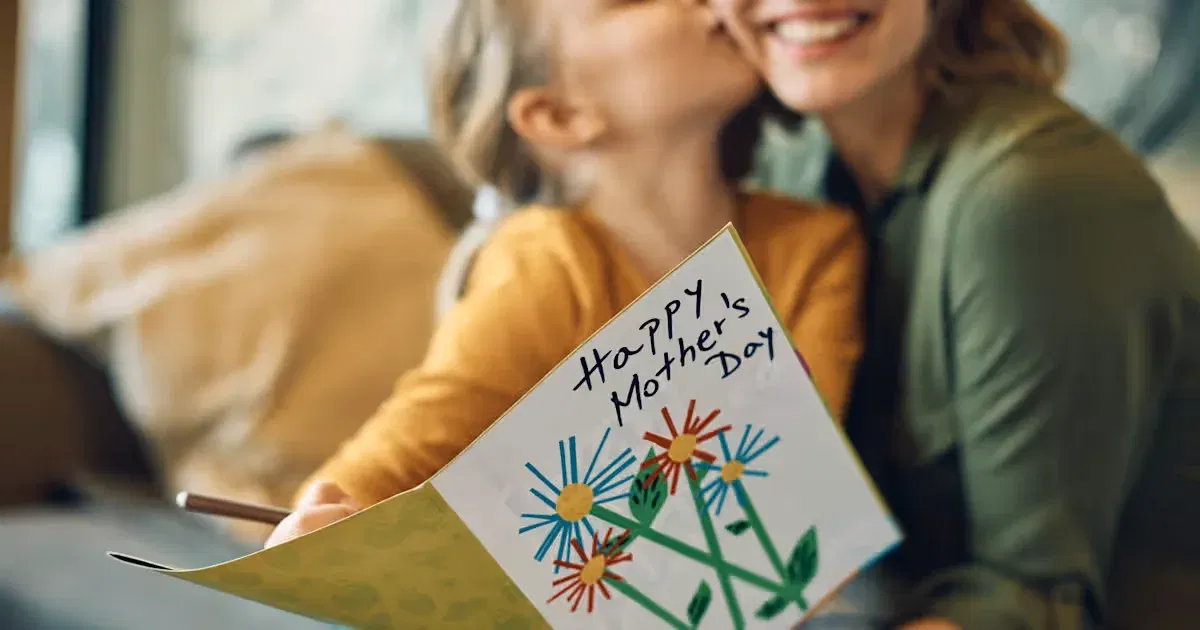
Mother's Day is celebrated by billions of people around the world, but few know the remarkable story behind how this beloved holiday came to be. Far from a creation of greeting card companies, Mother's Day has deep roots stretching back to ancient civilizations, and its modern incarnation was born from the tireless efforts of a daughter who simply wanted to honor her mother. Today, Mother's Day is observed on different dates in more than 40 countries, with the American version—held on the second Sunday of May—being the most widely recognized. In 2025, Mother's Day falls on Sunday, May 11.
The Ancient Origins: Mother Goddesses and Mothering Sunday
Celebrations of mothers and motherhood can be traced back thousands of years. The ancient Greeks held spring festivals in honor of Rhea, the mother of the gods, while the Romans celebrated Cybele, their mother goddess, with a multi-day festival called Hilaria. However, the clearest direct predecessor to the modern Mother's Day is the early Christian tradition known as "Mothering Sunday."
Originating in the United Kingdom in the 16th century, Mothering Sunday was observed on the fourth Sunday of Lent. On this day, the faithful would return to their "mother church"—the main church in their hometown—for a special service. Over time, the tradition became more secular, with children presenting their mothers with flowers and small gifts. This custom eventually declined, only to merge with the American Mother's Day in the 1930s and 1940s, creating the hybrid celebration we know today in the UK.
The Three Women Who Created Mother's Day in America
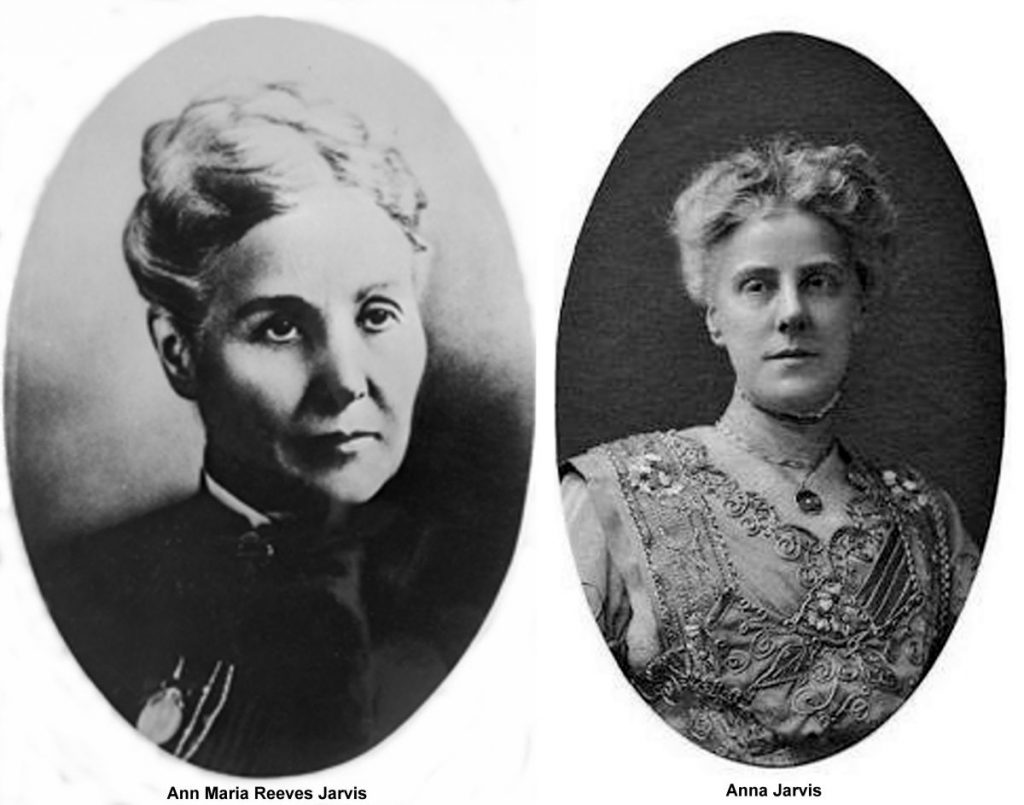
While many people contributed to the idea of a day honoring mothers, three women stand out as the primary architects of the American Mother's Day: Ann Reeves Jarvis, Julia Ward Howe, and Ann's daughter, Anna M. Jarvis.
Ann Reeves Jarvis: The Activist Who Started It All
Known affectionately as "Mother Jarvis," Ann Reeves Jarvis was a young Appalachian homemaker and lifelong activist. In the mid-1800s, she organized "Mothers' Day Work Clubs" in West Virginia to combat unsanitary living conditions and educate women about childcare. She was deeply concerned about the high infant mortality rate that was especially pervasive in Appalachia. During the Civil War, she organized women's brigades to help regardless of which side their men had chosen. After the war, she proposed a "Mothers' Friendship Day" to promote reconciliation between former Union and Confederate families, laying the groundwork for a national day of maternal honor."
Julia Ward Howe: The Poet Who Called for Peace
Julia Ward Howe was already famous as the author of "The Battle Hymn of the Republic" when she took up the cause of mothers. In 1870, she issued her "Mother's Day Proclamation," a passionate call for mothers to unite in promoting world peace. "We will not have great questions decided by irrelevant agencies," she wrote. "Our husbands shall not come to us, reeking with carnage, for caresses and applause." Howe campaigned for a "Mother's Peace Day" to be celebrated every June 2, and her version of the holiday was observed in Boston and other cities for about 30 years before fading away in the years preceding World War I.
Anna M. Jarvis: The Daughter Who Made It a National Holiday
After Ann Reeves Jarvis died in 1905, her daughter Anna Jarvis of Philadelphia resolved to memorialize her mother's life and work. She began an aggressive campaign to establish a national day honoring all mothers. "I hope and pray that someone, sometime, will found a memorial mother's day," Ann had once said. Anna took those words to heart, bombarding politicians, civic organizations, and public figures with telegrams, letters, and in-person meetings. At her own expense, she wrote, printed, and distributed booklets promoting her idea.
In May 1907, Anna held a memorial service for her mother at the Methodist Church in Grafton, West Virginia. The following year, on May 10, 1908, a general Mother's Day service was held at the same church to honor all mothers. This marked the birth of the tradition that the second Sunday in May should be set aside to celebrate every mother, living or deceased. The idea spread quickly. The mayor of Philadelphia proclaimed a local Mother's Day, and West Virginia became the first state to officially adopt the holiday. By 1914, the momentum was unstoppable.
Timeline: How Mother's Day Became Official
The journey from a local church service to a national holiday was remarkably swift. In 1914, just six years after the first official Mother's Day service, Representative J. Thomas Heflin of Alabama and Senator Morris Sheppard of Texas presented a joint resolution to Congress. The resolution passed both houses, and on May 9, 1914, President Woodrow Wilson signed a proclamation designating the second Sunday in May as a legal holiday called "Mother's Day," dedicated to "the best mother in the world, your mother." For the first few years, the day was observed with simplicity and reverence, with church services held in honor of all mothers—living and deceased.
The Irony: Anna Jarvis Came to Despise Her Own Holiday
Perhaps the most surprising chapter in Mother's Day history is what happened next. As the holiday gained popularity, it became increasingly commercialized. Florists, greeting card companies, and candy makers eagerly embraced the opportunity. Anna Jarvis was horrified. She had envisioned a deeply personal, heartfelt day of family connection—not a commercial windfall for businesses. She denounced the sending of greeting cards as lazy ("a poor excuse for the letter you are too lazy to write") and even protested the use of the holiday by charitable organizations to raise money. The irony was not lost on observers, given that her mother's original work clubs were all about public health and community activism. Anna Jarvis spent much of her later life and her personal fortune trying to have the holiday removed from the calendar. She died in 1948 in a sanitarium, bitter about what her creation had become.
Mother's Day Traditions Around the World
While the American version of Mother's Day has spread globally, many countries have their own unique traditions and dates for honoring mothers.
In the United Kingdom and Ireland, Mothering Sunday (often called Mother's Day) is still observed on the fourth Sunday of Lent, a date that shifts each year. In Ethiopia, mothers are celebrated during the Antrosht festival at the end of the rainy season, with families gathering for a large feast. In Thailand, Mother's Day is celebrated on August 12, the birthday of Queen Sirikit. In Mexico, the holiday falls on May 10 each year (not a Sunday), when mariachi bands are hired to serenade mothers, and families gather for elaborate meals. In Japan, children often draw pictures of their mothers and present them as gifts. In Peru, families visit cemeteries to honor deceased mothers with flowers and prayers. In Ethiopia, the Antrosht festival involves a multi-day celebration where children bring ingredients for a traditional hash called "kitfo" and the family feasts together.
How Mother's Day Is Celebrated Today
Modern Mother's Day celebrations vary widely, but certain traditions remain nearly universal. In the United States, it is one of the biggest days of the year for dining out, with restaurants often requiring reservations weeks in advance. It is also the most popular day for long-distance phone calls—a 2010 study found that phone traffic spikes by more than 11 percent on Mother's Day as children call their mothers. Florists and greeting card companies see their highest sales volumes of the year. Breakfast in bed, handmade cards from young children, brunches, and gift-giving remain traditional cornerstones of the celebration. In recent years, many families have also embraced experiences over material gifts, such as spa days, weekend getaways, or shared cooking classes.
The Bottom Line: Key Points to Remember
- Mother's Day has ancient roots in Greek and Roman goddess festivals and the Christian tradition of Mothering Sunday
- The modern American holiday was created by Anna Jarvis, first celebrated in 1908 in Grafton, West Virginia
- President Woodrow Wilson made it an official U.S. holiday in 1914, designating the second Sunday in May
- The original purpose was rooted in activism—Ann Reeves Jarvis's work clubs aimed at improving public health and infant survival
- Anna Jarvis later spent years trying to end the holiday she created because of its commercialization
- Mother's Day is celebrated on different dates in over 40 countries, with unique traditions ranging from serenades in Mexico to cemetery visits in Peru
- In 2025, Mother's Day in the United States is celebrated on Sunday, May 11