A widespread Verizon outage on January 14, 2026, left tens of thousands of customers without cellular service for over six hours, highlighting how vulnerable our connected world can be to telecommunication disruptions. While Verizon resolved the issue and offered $20 credits to affected customers, the incident raised important questions about how cellular networks actually work, what causes these massive outages, and what you can do when your service suddenly disappears.
How the Verizon Outage Unfolded: A Timeline of Events
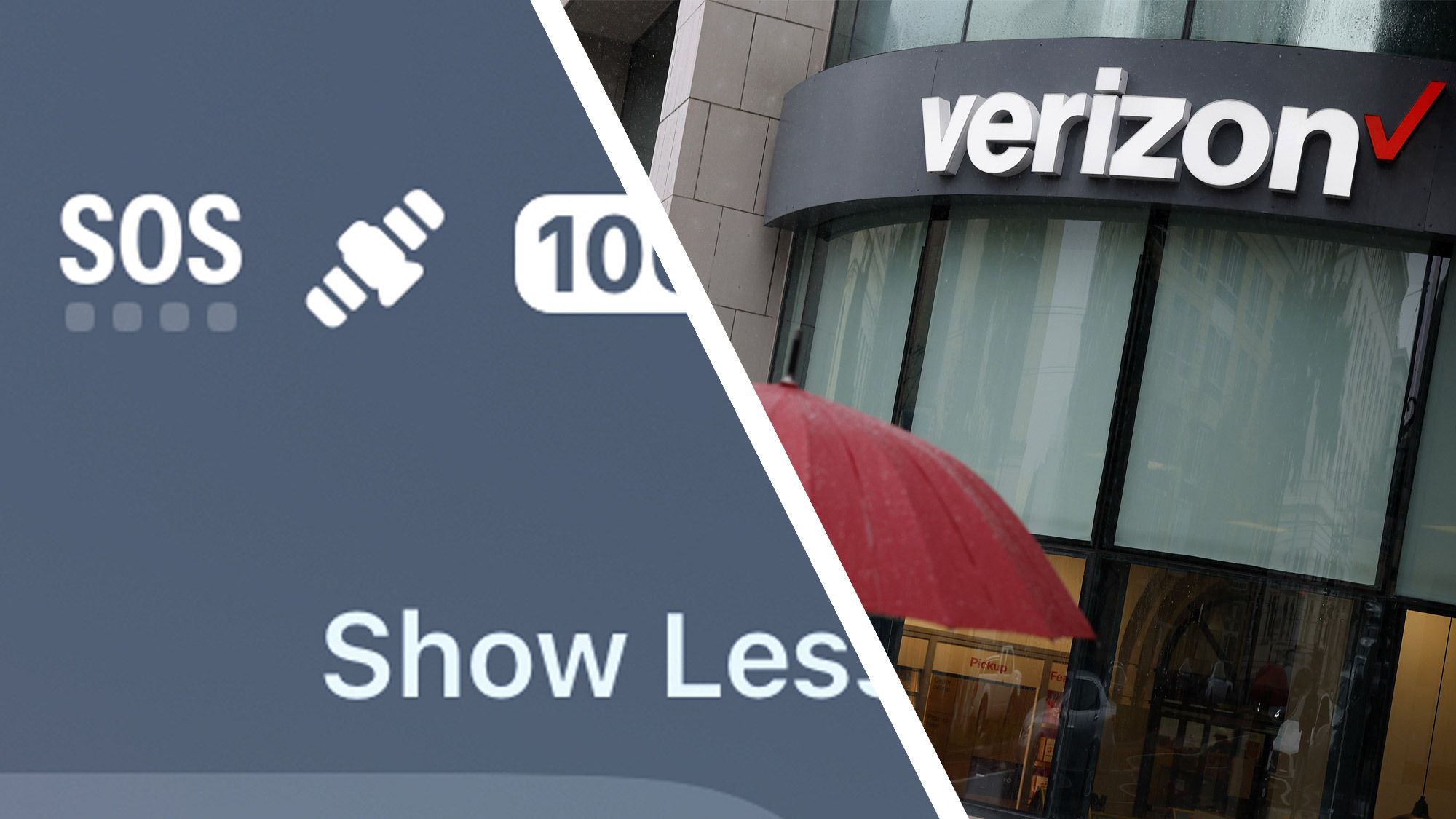
The disruption began around 12:30 p.m. Eastern Time when Verizon customers across the United States started reporting loss of service. According to Downdetector, error reports peaked at 178,284 concurrent complaints within a 15-minute period, with the platform receiving over 1.7 million total reports throughout the day. Phones on the affected network displayed "SOS" in the status bar where the cellular antenna icon typically appears, and even Wi-Fi calling—which should work independently—appeared to be down for many users.
Verizon's engineering teams worked through the afternoon and evening, with the company providing periodic updates via social media and its website. By 10:15 p.m. ET, Verizon announced the outage had been resolved, though many customers reported sporadic service throughout the night. The company later announced $20 account credits for affected customers, acknowledging in a statement that "we did not meet the standard of excellence our customers expect."
Understanding Cellular Networks: How Your Phone Connects
To comprehend how outages occur, it helps to understand how cellular networks operate. Your smartphone connects to a nearby cell tower, which then routes your call or data through a complex network of switches, routers, and servers. Verizon's network consists of thousands of cell sites across the country, connected by fiber optic cables and microwave links to central offices and data centers.
As Verizon explains in its network support documentation, "A mobile network outage is an unexpected disruption that prevents service to many cell sites at the same time. This can result in loss of voice, data and/or messaging service for mobile device or Verizon Home Internet users in the outage area." This is different from simply having poor signal strength in a particular location—outages affect entire regions or even the entire network.
What Causes Major Network Outages?
While Verizon hasn't disclosed the specific cause of the January 2026 outage, experts point to several common culprits. Lee W. McKnight, an associate professor at Syracuse University who researches wireless grids, told The New York Times that such outages are "more likely to be caused by a software configuration problem or human error than a cyberattack."
Telecommunication networks can fail for various reasons:
- Software glitches: Configuration errors, buggy updates, or database corruption can propagate through networked systems
- Hardware failures: Critical equipment like routers, switches, or power supplies can malfunction
- Human error: Mistakes during maintenance, upgrades, or network reconfigurations
- Cyberattacks: While law enforcement sources told ABC News there was no indication of a cyberattack in this case, such incidents remain a threat
- Physical damage: Fiber cuts, tower damage from weather, or power outages
Professor McKnight noted that telecommunications companies sometimes struggle with training employees for the complex reality of modern networks: "They haven't adjusted their training to deal with the current reality. One little mistake and it takes out whatever happened today."
How Companies Restore Service During Outages
When a major outage occurs, carrier engineering teams follow established protocols to identify and resolve the issue. As Verizon stated during the January 14 outage, their teams were "fully deployed" and working to restore service. The process typically involves:
- Isolation: Determining which segment of the network is affected
- Diagnosis: Identifying the root cause through system logs and monitoring tools
- Containment: Preventing the problem from spreading to other network segments
- Resolution: Implementing fixes, which might involve rolling back software updates, rerouting traffic, or replacing hardware
- Verification: Testing to ensure service is fully restored before declaring the incident resolved
During the Verizon outage, the company provided regular updates through social media and its website, acknowledging the problem and keeping customers informed—a crucial aspect of outage management that helps reduce frustration and prevent misinformation.
What to Do When Your Cellular Service Goes Down
Based on Verizon's own troubleshooting guidelines and expert recommendations, here are steps you can take during a network outage:
- Restart your device: This simple step can sometimes reconnect your phone to the network
- Connect to Wi-Fi: Enable Wi-Fi Calling if available—this routes calls over internet connections
- Check carrier status pages: Visit your provider's website or use apps like Downdetector to see if others are experiencing issues
- Use alternative communication: Messaging apps like WhatsApp, Signal, or iMessage that work over Wi-Fi
- For emergencies: As New York and Washington advised during the Verizon outage, use a landline or another carrier's device to call 911 if necessary
Verizon specifically recommends: "During a network outage we recommend you connect to Wi-Fi for a data connection, and activate Wi-Fi Calling for voice calls." The company also suggests checking coverage maps and ensuring Airplane Mode is off if you're troubleshooting potential outage issues.
The Bigger Picture: Why Network Reliability Matters
The January 2026 Verizon outage highlighted how dependent modern society has become on cellular connectivity. New York State Assemblyman Anil Beephan Jr. sent a letter to the Federal Communications Commission calling for an investigation, stating that "these outages have had a significant and unacceptable impact on public safety, including disruptions to reliable access to emergency communications and critical response systems."
Major cities had to issue special guidance for emergency calls, and businesses faced disruptions as payment systems, delivery services, and communications faltered. The incident also sparked competitive responses from other carriers, with T-Mobile and AT&T both posting messages highlighting their own network stability during Verizon's troubles.
Key Takeaways from Major Network Outages
While telecommunication outages are often resolved within hours, they serve as important reminders about our technological infrastructure:
- Modern cellular networks are incredibly complex systems vulnerable to software, hardware, and human errors
- Carriers have dedicated engineering teams and protocols for rapid response to major disruptions
- Customers have alternatives during outages, including Wi-Fi calling and internet-based messaging apps
- Network reliability isn't just about convenience—it's a public safety issue affecting emergency communications
- Regular testing, employee training, and system redundancies help prevent and mitigate outages
The Verizon outage of January 2026, while disruptive, provided valuable insights into how telecommunication networks function—and sometimes fail. By understanding what causes these disruptions and how they're resolved, consumers can better navigate service interruptions and appreciate the complex infrastructure that keeps us connected every day.