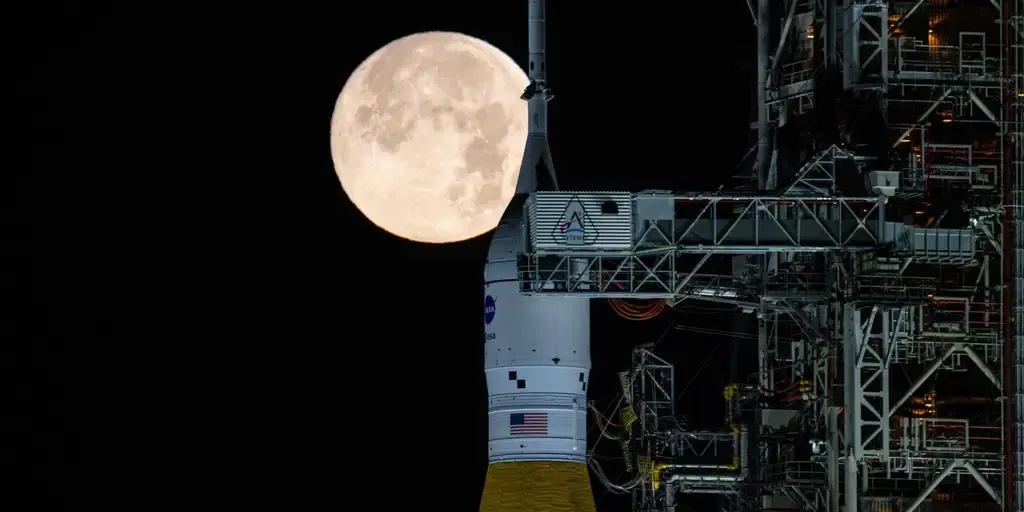
NASA is on the verge of making history with the Artemis II mission, the first crewed lunar flyby in over 50 years. Scheduled for launch no earlier than April 1, 2026, this groundbreaking mission will send four astronauts around the Moon and back, testing critical systems that will pave the way for future lunar landings. As the countdown clock ticks at Kennedy Space Center, the world watches as humanity prepares to return to deep space exploration.
How Artemis II Will Make History: The First Crewed Lunar Mission in 50 Years
The Artemis II mission represents a monumental leap forward in human space exploration. For the first time since Apollo 17 in 1972, astronauts will venture beyond low Earth orbit to travel around the Moon. The four-person crew includes NASA astronauts Reid Wiseman (commander), Victor Glover (pilot), Christina Koch (mission specialist), and Canadian Space Agency astronaut Jeremy Hansen (mission specialist). This diverse team brings together extensive experience in spaceflight, engineering, and science.
The mission's primary objective is to validate the Orion spacecraft's performance with a crew aboard. During the approximately 10-day journey, astronauts will test life support systems, navigation equipment, communication capabilities, and crew operations in the deep space environment. Unlike the Apollo missions that focused on lunar landing, Artemis II serves as a crucial test flight to ensure systems are ready for the more ambitious Artemis III mission that will land astronauts on the lunar surface.
Countdown to Launch: The Artemis II Timeline Hour by Hour
The launch countdown for Artemis II follows a precise sequence of events known as L-minus (time to liftoff) and T-minus (built-in sequence) timelines. NASA teams across the country have begun the countdown process, which starts approximately 16 hours before the scheduled launch time of 6:24 p.m. EDT on April 1, 2026.
Key milestones include L-16 hours when non-essential personnel leave the launch complex, L-13 hours when the ground launch sequencer activates, and L-10 hours when the decision to load propellants occurs. The tanking process for liquid hydrogen and liquid oxygen follows a carefully choreographed schedule, with fueling operations continuing until just hours before launch. The countdown includes built-in holds that provide flexibility for unexpected issues without impacting the launch schedule.
Why Artemis II Matters: Testing Deep Space Systems for Future Moon Landings
Artemis II serves as a critical proving ground for technologies that will enable sustainable human presence on the Moon and eventually Mars. The Orion spacecraft, developed by Lockheed Martin, represents the most advanced crew vehicle ever built for deep space exploration. It consists of two main components: the crew module where astronauts live and work, and the European Service Module that provides propulsion, power, thermal control, and life support essentials.
One of the mission's most important safety features is the "free-return trajectory" – a path around the Moon that allows the spacecraft to return to Earth using lunar gravity alone, without requiring engine burns in case of system failures. This trajectory was famously used by Apollo 13 during its emergency return and provides an added layer of safety for the crew.
The spacecraft's life support system represents a significant advancement over previous designs. It must reliably provide breathable air, manage carbon dioxide removal, regulate temperature and humidity, and handle water recycling for the entire 10-day mission. Successfully validating these systems in deep space is essential before attempting longer missions to the lunar surface and beyond.
Where Things Stand Now: Final Preparations for Launch
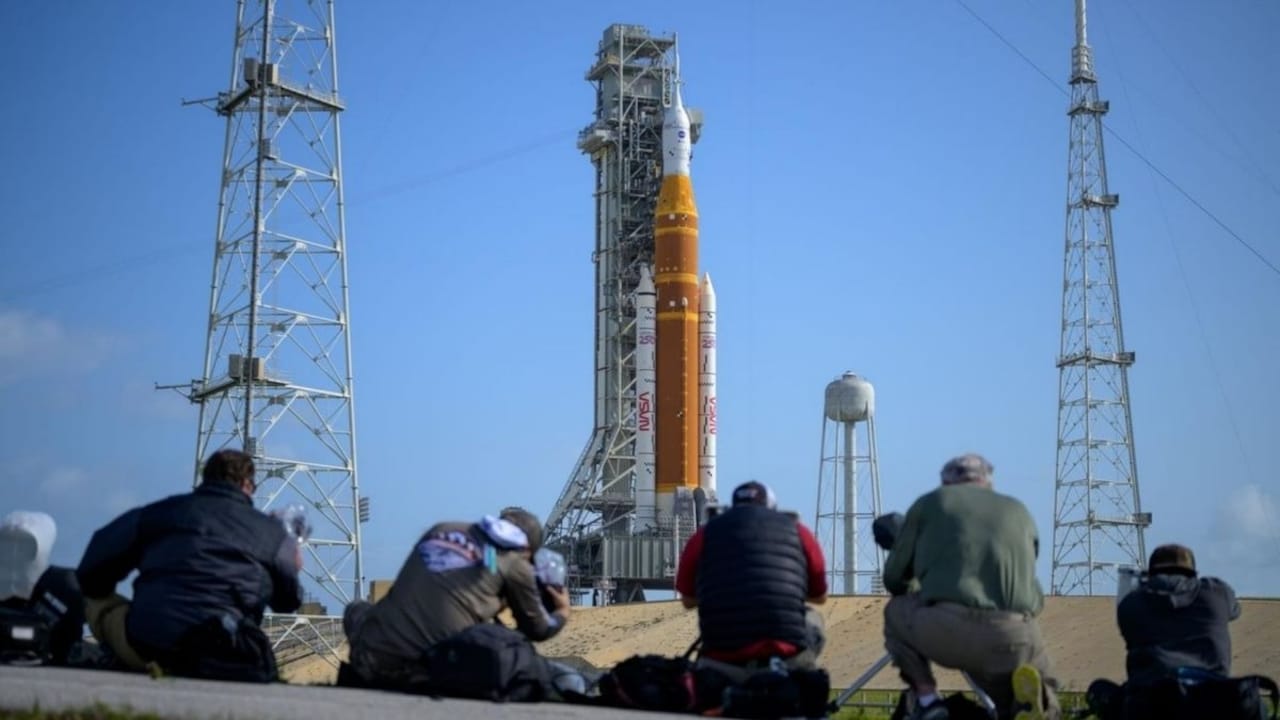
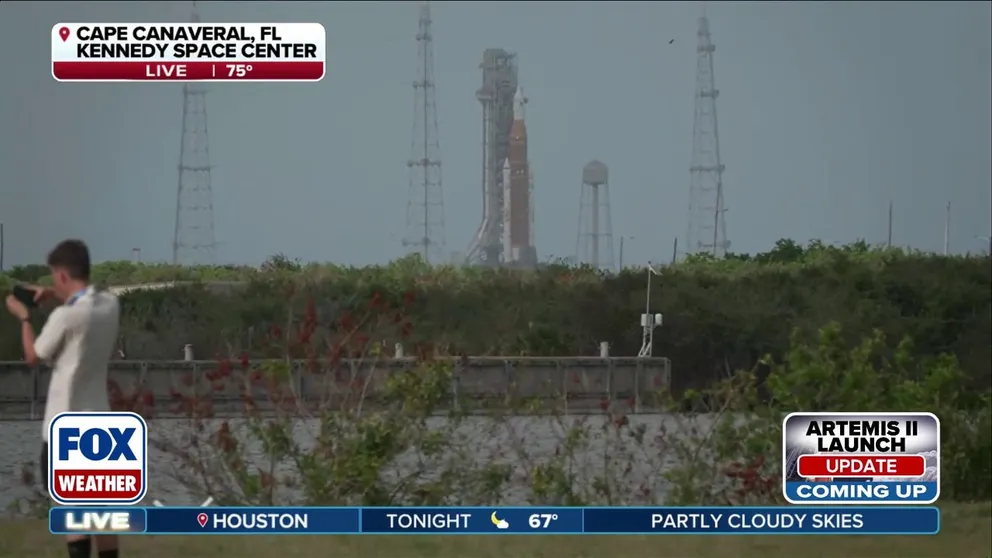
As of late March 2026, final preparations are underway at Kennedy Space Center. The 322-foot-tall Space Launch System (SLS) rocket stands vertical on Mobile Launcher 1 at Launch Complex 39B, with the Orion spacecraft mounted atop. Media organizations have positioned remote cameras around the launch pad, while NASA teams conduct final systems checks and weather assessments.
The launch window opens at 6:24 p.m. EDT on April 1, with backup opportunities on subsequent days. Weather conditions in Florida appear favorable, with teams monitoring wind patterns and potential precipitation. The astronauts have completed their final training simulations and are in quarantine at the Johnson Space Center in Houston before traveling to Florida for launch.
What Happens After Artemis II: The Road to Lunar Landing
Following the successful completion of Artemis II, NASA will proceed with Artemis III – the mission that will return humans to the lunar surface. Targeted for the late 2020s, Artemis III will see two astronauts land near the Moon's South Pole, an area rich in water ice and scientific potential. The lessons learned from Artemis II will directly inform the planning and execution of this historic landing.
The Artemis program represents more than just a return to the Moon; it's a stepping stone for future Mars exploration. Technologies tested during Artemis II, particularly those involving long-duration life support and deep space navigation, will be essential for the three-year round trip to Mars. International partnerships with the European Space Agency, Canadian Space Agency, and other nations demonstrate the global nature of modern space exploration.
Key Takeaways: What You Need to Know About Artemis II
Artemis II marks humanity's return to crewed deep space exploration after a 50-year hiatus. The mission will test critical systems needed for sustainable lunar presence while carrying a diverse crew of four astronauts around the Moon. Launching aboard the most powerful rocket ever built, the SLS, the Orion spacecraft will follow a safe free-return trajectory that ensures crew safety even in emergency situations.
As countdown procedures continue at Kennedy Space Center, this mission represents not just a technological achievement but a symbolic renewal of human exploration beyond Earth orbit. The data collected and lessons learned will shape the future of space exploration for decades to come, bringing us closer to establishing a permanent human presence on the Moon and eventually sending humans to Mars.