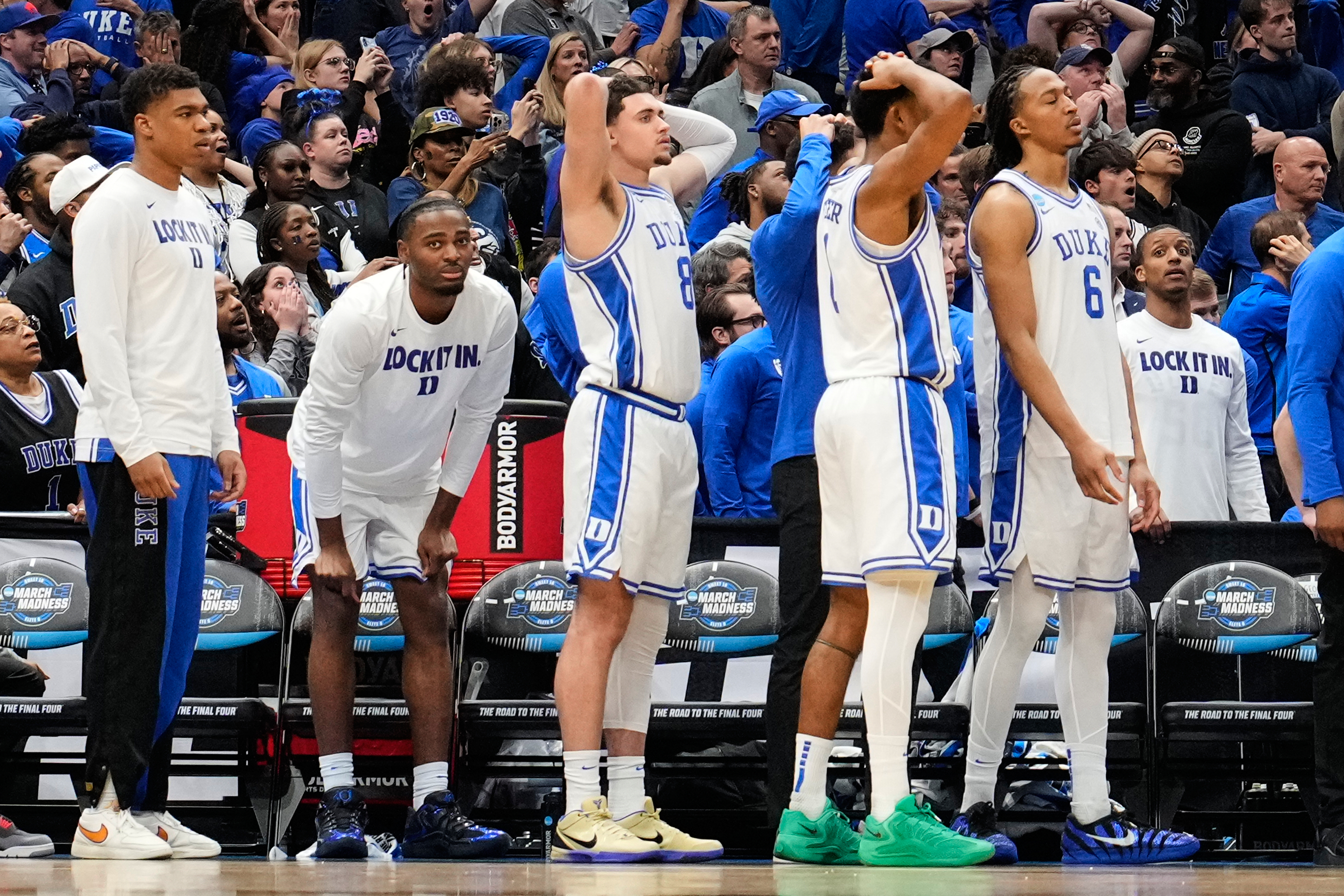
With 0.4 seconds left on the clock and his team trailing by two, UConn freshman Braylon Mullins launched a desperation 35-foot three-pointer that swished through the net, sending the Huskies to the Final Four and ending top-seeded Duke's season in heartbreak. The 73-72 victory on March 29, 2026, wasn't just another Elite Eight thriller—it was a perfect illustration of why March Madness captivates millions. But how does the NCAA tournament actually work? From the selection process to the final buzzer, here's everything you need to understand about college basketball's most chaotic and beloved event.
Inside March Madness: The Tournament That Defines College Basketball
The NCAA Division I men's basketball tournament, branded as March Madness or The Big Dance, is a single-elimination tournament that determines the national champion of college basketball. First held in 1939, the event has grown into a cultural phenomenon that dominates sports conversation every March. The current format features 68 teams competing across seven rounds: the First Four, Round of 64, Round of 32, Sweet Sixteen, Elite Eight, Final Four, and National Championship. What makes the tournament so compelling is its single-elimination structure—one bad game ends your season, creating endless opportunities for dramatic upsets and Cinderella stories.
Building the Bracket: How 68 Teams Earn Their Spot
Selecting the tournament field is a complex process that unfolds on Selection Sunday. Thirty-one teams receive automatic bids by winning their conference championships, regardless of their regular-season record. The remaining 37 spots are awarded as at-large bids chosen by the NCAA selection committee. This 12-member committee, composed of athletic directors and conference commissioners, evaluates teams using various metrics including win-loss records, strength of schedule, NET rankings, and performance against other tournament-caliber teams. The committee also seeds all 68 teams, ranking them from 1 to 68 and placing them into four regional brackets using an "S-curve" method to ensure competitive balance.
The Selection Committee's Delicate Balancing Act
Committee members must recuse themselves when their own schools are discussed, and they spend months evaluating teams before making final decisions. The seeding process considers geographic preferences for the top teams, with higher seeds generally placed closer to home when possible. The First Four games feature the four lowest-seeded automatic qualifiers and the four lowest-seeded at-large teams, reducing the field to 64 before the traditional bracket begins. This system ensures that conference champions get their shot while allowing the best teams from power conferences to compete for the title.
From First Four to Final Four: The Tournament Timeline
The tournament begins with the First Four games played on Tuesday and Wednesday after Selection Sunday. The Round of 64 starts Thursday and Friday, with 32 games determining who advances to the weekend's Round of 32. The second weekend features the Sweet Sixteen (regional semifinals) and Elite Eight (regional finals), where winners earn their trip to the Final Four. The national semifinals and championship game are typically held in a predetermined host city, with Indianapolis scheduled for 2026. Each round increases the stakes, creating the pressure-cooker environment that produces iconic moments like Mullins' game-winner.
Duke vs UConn: A Case Study in Tournament Drama
The 2026 Elite Eight clash between Duke and UConn exemplified everything that makes March Madness special. Duke, the tournament's overall No. 1 seed, built a 19-point first-half lead and appeared headed to the Final Four. But UConn mounted one of the greatest comebacks in tournament history, outscoring Duke 44-28 in the second half before Mullins' last-second heroics. The game continued a storied rivalry that began in the 1964 NCAA tournament and includes the 1999 national championship game. For UConn, the victory marked their return to the Final Four; for Duke, it represented another painful March collapse despite a 35-3 season.
Why March Madness Captures America's Attention
Beyond the basketball, the tournament has become a national ritual thanks to bracket challenges that turn office workers into amateur prognosticators. The unpredictability—where a No. 15 seed can defeat a No. 2 seed, or a freshman can become an overnight legend—creates shared cultural moments that transcend sports. The single-elimination format means every game matters, and every possession can become part of tournament lore. As television ratings and betting activity demonstrate, March Madness has evolved from a basketball tournament into a three-week national event that engages casual fans and die-hards alike.
Looking Ahead: The Future of the Tournament
While the basic structure has remained consistent since expanding to 68 teams in 2011, the NCAA tournament continues to evolve. Conference realignment changes the automatic bid landscape, while advances in analytics give the selection committee more data to evaluate teams. The 2026 tournament's thrilling Elite Eight games—including UConn's upset of Duke—demonstrate that the drama only intensifies as the field narrows. With television contracts ensuring widespread coverage and digital platforms making every game accessible, March Madness is poised to remain America's premier sporting event for years to come.
Whether you're filling out a bracket or just watching the highlights, understanding how the NCAA tournament works enhances appreciation for every buzzer-beater and upset. From Selection Sunday's bracket reveal to cutting down the nets on championship Monday, March Madness delivers a unique blend of athletic excellence, strategic complexity, and pure unpredictability that keeps us all watching.