
Every March, basketball fans across the United States are captivated by the NCAA women's basketball tournament, popularly known as Women's March Madness. This single-elimination championship determines the national champion of Division I women's college basketball and has grown into one of the most exciting sporting events of the year. With viewership records shattering and parity increasing across programs, understanding how this tournament works provides deeper appreciation for the drama, upsets, and incredible athletic performances that define these three weeks of madness.
What Is Women's March Madness?
Women's March Madness is the annual NCAA Division I women's basketball tournament that brings together 68 teams in a single-elimination bracket. The term "March Madness" originally described the men's tournament but was officially extended to the women's tournament in 2022 following a gender equity review. The tournament typically runs from mid-March through early April, with games broadcast across ESPN networks and ABC. What makes March Madness unique is its unforgiving format: one loss ends a team's season, creating intense pressure and unforgettable moments that have produced some of sports' greatest underdog stories.
How Teams Qualify for the Tournament
There are two primary pathways for teams to earn a spot in the women's NCAA tournament. The first is through automatic qualification, where all 31 Division I conferences award their tournament champion an automatic bid. This means that even a team with a mediocre regular-season record can secure a tournament spot by winning its conference tournament—a system that regularly produces Cinderella stories.
The second pathway is through at-large selection. The NCAA Women's Basketball Selection Committee chooses 37 additional teams based on their overall performance throughout the season. The committee evaluates teams using the NCAA Evaluation Tool (NET) rankings, which consider factors like win-loss record, strength of schedule, game location, scoring margin, and quality of opponents. Teams that perform well against tough competition, particularly on the road, significantly improve their chances of receiving an at-large bid.
Selection Sunday: When the Bracket Is Revealed
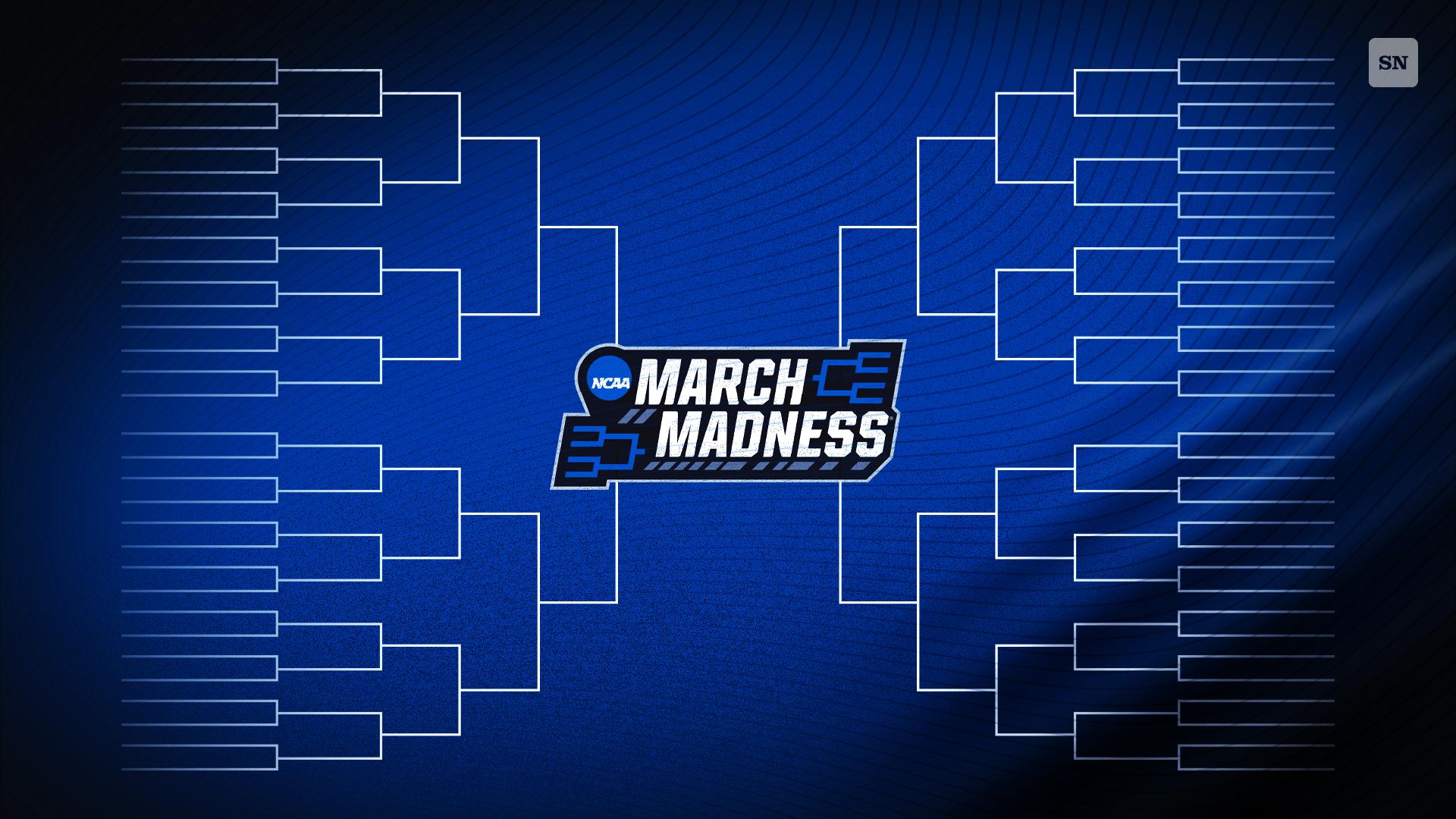
Selection Sunday marks one of the most anticipated moments of the college basketball calendar. On this day (typically the second Sunday in March), the NCAA selection committee reveals the complete tournament bracket during a televised event. The bracket shows all 68 teams, their seeds (rankings from 1 to 16 within each region), their regional assignments, and their first-round matchups.
The selection process involves extensive deliberation by the committee, which spends days evaluating teams and constructing the bracket according to specific principles. These principles include geographic considerations, avoiding early-round rematches of teams that played during the regular season, and maintaining the integrity of the seeding system. The four No. 1 seeds are generally assigned to different regions, and the committee attempts to keep teams closer to their geographic regions when possible to minimize travel.
The Tournament Format: Round by Round
The women's tournament follows a seven-round single-elimination format that whittles 68 teams down to one national champion. Here's how each round works:
- First Four: Four play-in games reduce the field from 68 to 64 teams. These games feature the four lowest-seeded automatic qualifiers and the four lowest-seeded at-large teams. The winners advance to the main bracket.
- First Round (Round of 64): The remaining 64 teams compete in 32 games. Teams are seeded 1 through 16 in each of four regions, with matchups following the seeding hierarchy (1 vs. 16, 2 vs. 15, etc.).
- Second Round (Round of 32): The 32 winners from the first round face off in 16 games.
- Sweet 16 (Regional Semifinals): The 16 remaining teams compete in eight games within their respective regions.
- Elite Eight (Regional Finals): The eight Sweet 16 winners play four games to determine which team from each region advances to the Final Four.
- Final Four (National Semifinals): The four regional champions meet at a predetermined neutral site for two semifinal games.
- National Championship: The two Final Four winners compete for the national title.
Understanding the Seeding System
Seeding is the ranking system that determines tournament matchups and bracket placement. The selection committee ranks all 68 teams from 1 to 68 on a "seed list," then divides them into four regions of 16 teams each (after the First Four). Within each region, teams are seeded 1 through 16 based on their perceived strength, with the best team in the region receiving the No. 1 seed and the weakest receiving the No. 16 seed.
The seeding creates predictable first-round matchups that theoretically favor higher-seeded teams: No. 1 plays No. 16, No. 2 plays No. 15, No. 3 plays No. 14, and so on. This system rewards teams for strong regular-season performance by giving them easier initial opponents. However, the single-elimination format means even heavily favored teams can be upset—a reality that has produced some of the tournament's most memorable moments.
Key Differences Between Men's and Women's Tournaments
While the men's and women's tournaments share the same basic structure and branding, several important distinctions exist:
- Field Size: Both tournaments now feature 68 teams after the women's tournament expanded from 64 teams in 2022, bringing parity with the men's event.
- Early-Round Hosting: In the women's tournament, the top 16 seeds host first- and second-round games at their home arenas, providing a significant advantage. The men's tournament holds early-round games at neutral sites.
- Branding Timeline: The women's tournament only gained official "March Madness" branding rights in 2022, decades after the men's tournament established the trademark.
- Scheduling: The women's tournament typically follows a slightly different calendar, with Selection Sunday occurring on the same day as the men's but with some round dates adjusted.
- Broadcast Rights: While the men's tournament airs on CBS, TBS, TNT, and truTV, the women's tournament is broadcast exclusively on ESPN networks and ABC.
The Magic of Upsets and Cinderella Stories
What truly defines March Madness is the potential for dramatic upsets where lower-seeded teams defeat favorites. These "Cinderella stories" capture national attention and demonstrate why the tournament format creates such compelling drama. Some of the most famous upsets in women's tournament history include:
- Harvard over Stanford (1998): No. 16 seed Harvard's victory over No. 1 Stanford remains the only time a 16-seed has beaten a 1-seed in the women's tournament.
- Mississippi State's historic run (2017): The Bulldogs reached the championship game as a No. 2 seed, ending UConn's 111-game winning streak in the national semifinals.
- South Dakota's Sweet 16 appearance (2022): The No. 10 seed Coyotes advanced to the Sweet 16, defeating higher-seeded opponents along the way.
These upsets occur because the single-elimination format eliminates the safety net that superior teams typically enjoy in best-of-series formats. One off night, one hot-shooting opponent, or one critical injury can end a championship contender's season instantly.
How Tournament Brackets Work
The tournament bracket has become a cultural phenomenon beyond the games themselves. Millions of fans fill out brackets predicting the outcome of every tournament game, often participating in office pools or online contests. Brackets are typically scored with increasing point values for each round (1 point for first-round correct picks, 2 points for second round, 4 for Sweet 16, etc.), making later-round predictions more valuable.
The odds of creating a perfect bracket are astronomically small—approximately 1 in 9.2 quintillion for random guessing. Even knowledgeable basketball experts rarely predict all games correctly, as upsets are inherently unpredictable. This uncertainty is precisely what makes bracket challenges so engaging: everyone has a chance, and unexpected results create chaos in standings.
Where to Watch Women's March Madness
All women's NCAA tournament games are broadcast on ESPN, ESPN2, and ABC, with streaming available through ESPN+ and the ESPN app. The tournament schedule typically features games throughout the day during the first two rounds, creating a basketball marathon experience for fans. The Final Four and championship game air on ABC in primetime, attracting millions of viewers and capping off three weeks of intense competition.
The Bottom Line: Why March Madness Captivates America
Women's March Madness works because it combines high-stakes competition with inherent unpredictability. The single-elimination format means every game matters, the seeding system creates compelling matchups, and the potential for upsets keeps fans engaged from the First Four through the championship game. As the women's game continues to grow in popularity and parity increases across programs, the tournament only becomes more compelling each year.
Whether you're a casual fan filling out your first bracket or a devoted follower analyzing NET rankings, understanding how the tournament works enhances the experience. From Selection Sunday's bracket reveal to the cutting down of the nets, Women's March Madness represents the pinnacle of college basketball—a three-week spectacle where legends are made, underdogs triumph, and anything can happen.