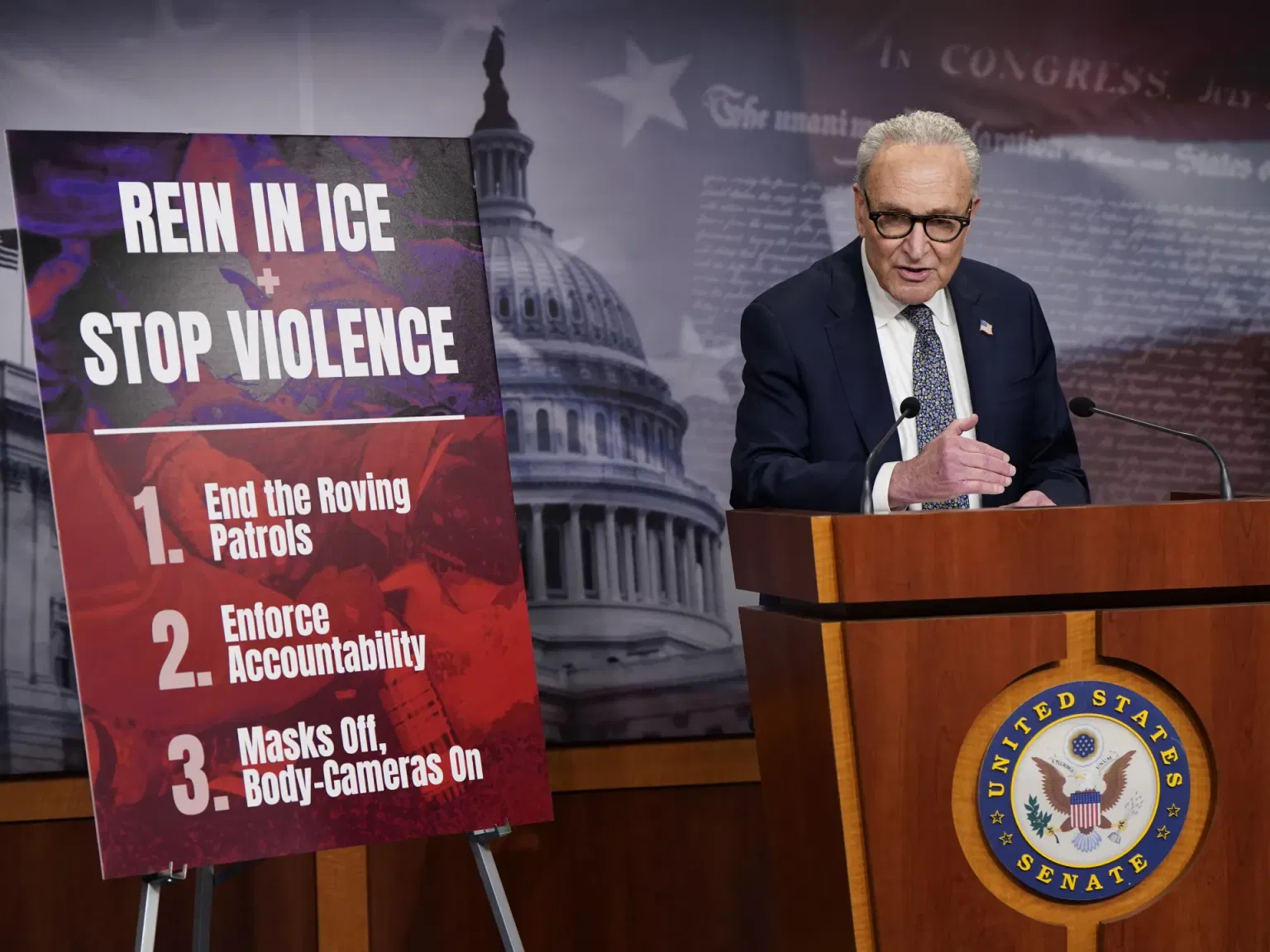
As midnight struck on January 31, 2026, the United States government entered a partial shutdown—the latest chapter in a recurring budget drama that has become a defining feature of American politics. With Congress failing to pass crucial appropriations bills before the funding deadline, several federal agencies began scaling back operations, marking the second government shutdown within a single fiscal year. This latest impasse, driven by disputes over immigration enforcement and homeland security funding, highlights the complex budgetary mechanisms that can bring the world's largest economy to a temporary standstill.
How a Funding Deadlock Triggers Government Shutdowns
At its core, a government shutdown occurs when Congress fails to pass the appropriations bills that fund federal agencies before the existing funding expires. The US federal government operates on a fiscal year that begins October 1, and Congress must pass 12 separate appropriations bills to keep all agencies fully operational. When these bills aren't approved by the deadline, agencies without authorized funding must cease non-essential functions, leading to what's officially termed a "lapse in appropriations."
The current 2026 shutdown specifically involves the Department of Homeland Security (DHS), after Democratic senators refused to vote for continued DHS funding following the killings of two US citizens during immigration enforcement operations. This partial shutdown affects approximately 25% of federal agencies while other departments continue operating with previously approved funding.
From Budget Battles to Shutdown: The 2025-2026 Timeline
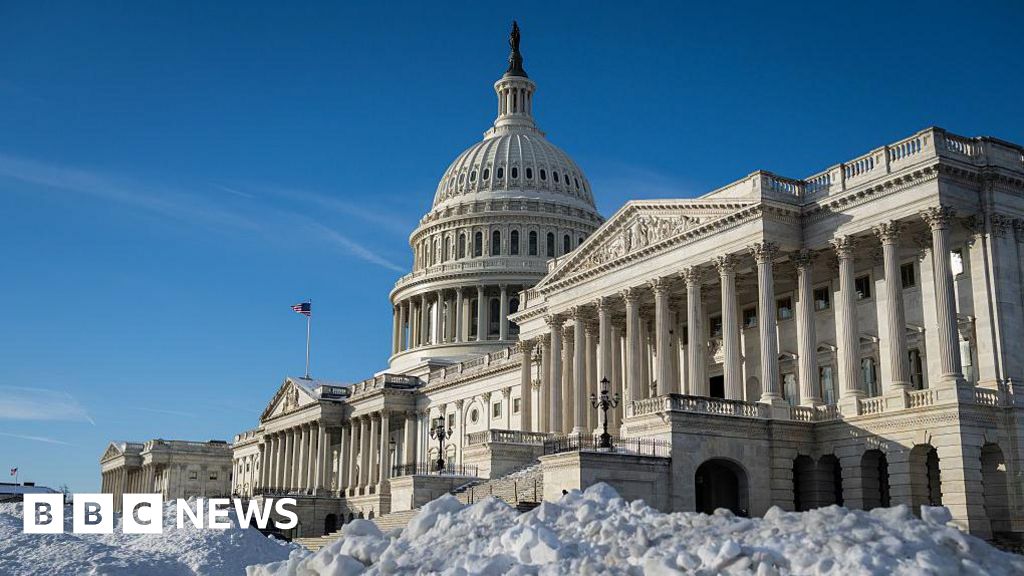
The road to the January 2026 shutdown began with the longest government shutdown in modern history just months earlier. Here's how events unfolded:
- October 1, 2025: Fiscal Year 2026 begins without any appropriations bills passed, triggering a full government shutdown that would eventually last 43 days.
- November 12, 2025: Congress passes a continuing resolution (CR) that temporarily funds the government through January 30, 2026, ending the record-breaking shutdown.
- January 26, 2026: The Senate approves a spending package that excludes DHS funding, creating the conditions for a partial shutdown.
- January 30, 2026: The continuing resolution expires at midnight without Congress passing new appropriations for DHS and several other agencies.
- January 31, 2026: Partial government shutdown begins at 12:01 AM, affecting DHS and other unfunded agencies while the House of Representatives remains out of session until Monday.
Why Government Shutdowns Keep Happening and What They Cost
Government shutdowns have become increasingly common in recent decades due to deepening political polarization and the use of budget deadlines as bargaining chips. According to the Committee for a Responsible Federal Budget, the October 2025 shutdown resulted in an estimated $11 billion loss in real GDP, while Bloomberg analysis suggested the economic impact reached approximately $100 billion annually.
The human costs are equally significant: during full shutdowns, approximately 800,000 federal employees face furloughs or work without pay, while essential services like national parks, passport processing, and scientific research experience disruptions. The Congressional Budget Office notes that while most economic activity rebounds after shutdowns end, the cumulative damage includes reduced consumer confidence, delayed government contracts, and interrupted public services.
Where Things Stand: The January 2026 Shutdown
As of late January 2026, the partial government shutdown remains in effect for agencies without approved funding, particularly the Department of Homeland Security. The Senate has passed a spending package that separates DHS funding from other appropriations, but the House of Representatives cannot vote on the measure until it returns to session on Monday, February 2. White House officials have indicated they're working with Congressional leaders to address concerns and complete Fiscal Year 2026 appropriations.
Federal employees in affected agencies are following contingency plans, with non-essential personnel furloughed and essential workers continuing without immediate pay. Services like border security, immigration enforcement, and disaster response continue under emergency provisions, while other DHS functions like cybersecurity training and routine inspections face suspension.
The Road Ahead: Possible Resolutions and Reform Efforts
Several outcomes are possible in the coming days and weeks. The most likely scenario involves the House voting on the Senate-passed package when it reconvenes, potentially ending the partial shutdown quickly. However, if disagreements persist, the shutdown could extend through February, coinciding with the next major budget deadline: April 15, 2026, the statutory date for Congress to pass a budget resolution.
Long-term solutions being discussed include automatic continuing resolutions that would prevent future shutdowns, biennial budgeting to reduce frequency of deadlines, and reforms to the appropriations process. The Brookings Institution notes that while procedural changes could reduce shutdown risks, ultimately resolving budget impasses requires political compromise on substantive policy differences.
Key Takeaways: Understanding Government Shutdowns
- Government shutdowns occur when Congress fails to pass appropriations bills before funding deadlines, forcing affected agencies to cease non-essential operations.
- The 2025-2026 period saw two shutdowns: a record 43-day full shutdown and the current partial shutdown affecting DHS and other agencies.
- Shutdowns have significant economic costs (estimated $11-100 billion) and disrupt government services, federal workers, and public confidence.
- Current negotiations focus on DHS funding, with potential resolution when the House returns to session in early February 2026.
- Long-term reforms propose automatic funding mechanisms to prevent future shutdowns while addressing underlying political divisions.