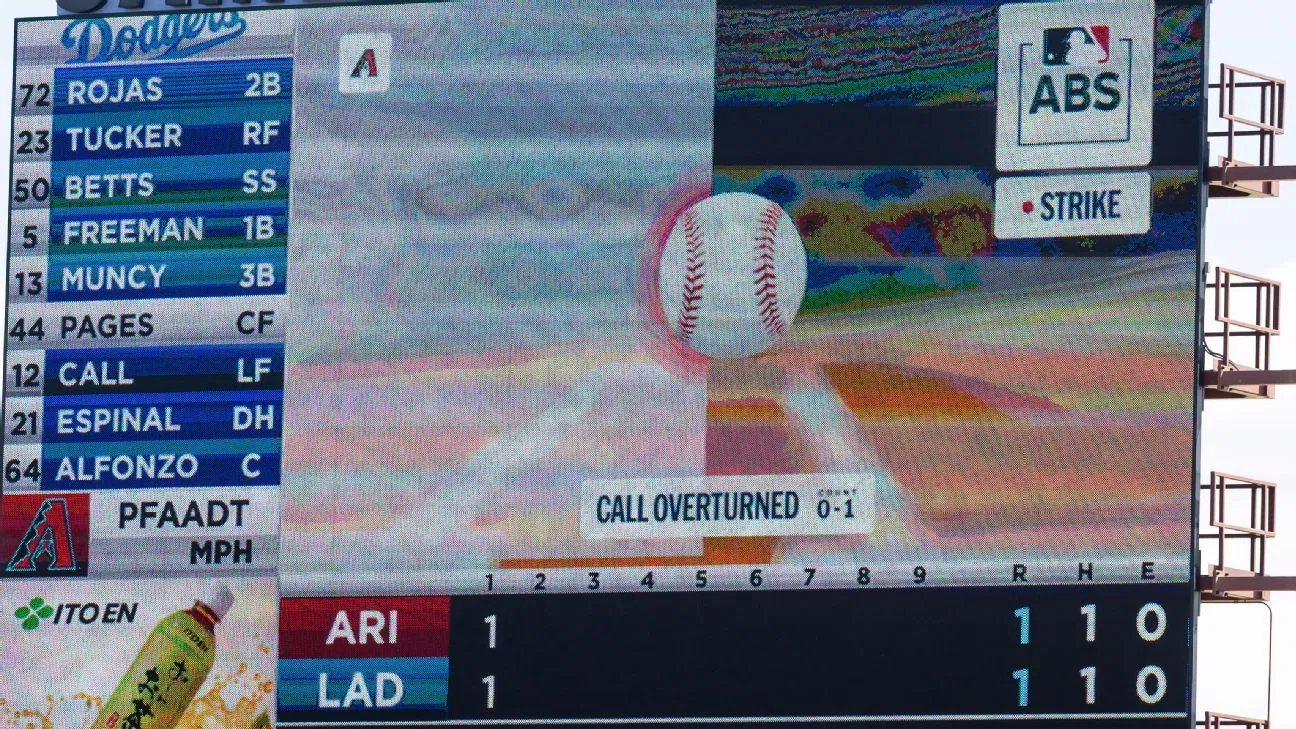
When umpire C.B. Bucknor took the field for the Boston Red Sox vs. Cincinnati Reds game on March 28, 2026, he couldn't have known he was about to become a landmark case in baseball history. By the end of the game, six of his eight ball-strike calls had been overturned by Major League Baseball's new Automated Ball-Strike Challenge System, highlighting both the imperfections of human umpires and the transformative technology that's changing America's pastime. This incident provides the perfect entry point to understanding how Major League Baseball works—from its century-old structure to the cutting-edge systems that are shaping its future.
The Building Blocks: MLB's 30-Team Structure
Major League Baseball (MLB) is a professional baseball league in North America composed of 30 teams, divided equally between two historic leagues: the American League (AL) and the National League (NL). This structure dates back to 1903 when the two leagues formed an agreement to coexist under what would become MLB. Each league contains 15 teams, further divided into three divisions—East, Central, and West—creating a total of six divisions across MLB.
The American League and National League maintained separate identities for decades, with the AL adopting the designated hitter rule in 1973 while the NL kept pitchers batting. This distinction ended in 2022 when MLB implemented universal designated hitter rules, bringing both leagues under the same offensive rules. Despite this unification, the leagues maintain separate identities for scheduling and postseason purposes, with teams playing more games within their own league.
The Marathon: Understanding the 162-Game Season
MLB's regular season is a marathon of endurance, with each team playing 162 games over approximately six months. The season typically begins in late March or early April with Opening Day—a celebrated tradition across baseball—and runs through early October. The 2026 season opened on March 25 with a marquee matchup between the New York Yankees and San Francisco Giants, followed by a full slate of Opening Day games on March 26.
The 162-game schedule includes 52 games against division opponents (13 against each of the other four teams in the division), 64 games against non-division teams within the same league, and 46 interleague games against teams from the opposite league. This balanced schedule ensures each team faces a similar level of competition while maintaining regional rivalries that drive fan interest throughout the season.
The Road to the World Series: MLB's Playoff Format
After the regular season concludes, MLB's postseason tournament determines the league champion through a series of elimination rounds. The current format, expanded in 2022, includes 12 teams—six from each league. Each league sends its three division winners plus three wild-card teams (the non-division winners with the best records).
The postseason begins with the Wild Card Series, where the third division winner hosts the third wild-card team and the second division winner hosts the second wild-card team in best-of-three series. The top division winner in each league receives a bye to the Division Series. The winners advance to the best-of-five Division Series, followed by the best-of-seven League Championship Series, with the AL and NL champions meeting in the best-of-seven World Series to determine MLB's champion.
The ABS Revolution: How Automated Ball-Strike Challenges Work
Baseball's most significant technological advancement arrived in 2026 with the implementation of the Automated Ball-Strike (ABS) Challenge System. Unlike traditional instant replay reviews initiated by managers, the ABS system allows players—specifically the batter, pitcher, or catcher—to immediately challenge a ball or strike call by making a hand signal to the umpire. Each team begins with two challenges per game, retaining them if successful but losing them if the call stands.
The system uses Hawk-Eye camera technology, originally developed for tennis and cricket, to track the exact location of each pitch relative to the batter's individual strike zone. When a challenge is initiated, the system quickly analyzes the pitch trajectory and displays an animated replay on stadium video boards and television broadcasts, showing whether the pitch was actually a ball or strike. The umpire then announces the result, either confirming or overturning the original call.
ABS in Action: The CB Bucknor Game That Made History
The Red Sox-Reds game on March 28, 2026, demonstrated both the capabilities and growing pains of the new ABS system. Home plate umpire C.B. Bucknor, a veteran umpire often criticized for his strike zone consistency, had eight of his calls challenged during the game—five by the Reds (who were successful on all five) and three by the Red Sox (who succeeded only once). Among the overturned calls were back-to-back pitches to Reds third baseman Eugenio Suárez in the sixth inning, both called strikes by Bucknor but ruled balls by ABS.
The frustration peaked in the eighth inning when Bucknor called Red Sox shortstop Trevor Story out on a check-swing strike three without consulting the first base umpire. While check swings cannot be challenged under ABS rules (as they involve swing judgment rather than location), the incident led to Boston manager Alex Cora's ejection and highlighted the tension between human judgment and technological precision. The game ended with Cincinnati winning 6-5 in extra innings, but the story became Bucknor's 75% overturn rate on challenged calls.
What's Next for MLB and Technology
The ABS Challenge System represents just one step in MLB's ongoing technological evolution. The league continues to explore full automated strike zones, enhanced player tracking for analytics, and improved fan experiences through augmented reality. However, baseball's tradition-conscious culture ensures changes come gradually, with the challenge system serving as a compromise between complete automation and traditional umpiring.
Looking ahead, MLB faces questions about how technology will continue to reshape the game. Will full automation eventually replace human umpires for ball-strike calls? How will player development change with more precise data on strike zones? And what new technologies might emerge to address other subjective calls like check swings or tag plays? These questions will define baseball's evolution throughout the 2020s and beyond.
Key Takeaways for New Baseball Fans
For those new to baseball, understanding MLB's structure and rules can seem daunting, but a few key points provide a solid foundation. First, remember the 30-team structure divided between two leagues with three divisions each. Second, appreciate the marathon nature of the 162-game season and how it tests team depth and consistency. Third, follow the playoff format's expansion to 12 teams, which keeps more franchises in contention deeper into the season. Finally, recognize how technology like the ABS system is changing the game while preserving its essential human elements.
Major League Baseball stands at a fascinating intersection of tradition and innovation, where century-old structures coexist with cutting-edge technology. Whether you're watching a tense playoff game or following a controversial ABS challenge, understanding how MLB works enriches every aspect of the baseball experience. As the 2026 season unfolds with its new challenge system and ongoing evolution, fans have front-row seats to history in the making—both on the field and in the technology that surrounds it.