
The disappearance of Nancy Guthrie, the 84-year-old mother of TODAY show co-anchor Savannah Guthrie, has captured national attention and raised important questions about how missing person investigations actually work. When someone vanishes under mysterious circumstances, law enforcement agencies follow specific protocols and investigative techniques to locate the missing individual and determine what happened. Understanding these procedures helps explain why certain actions are taken in high-profile cases like Nancy Guthrie's, from the initial 911 call to forensic analysis and public appeals for information.
Inside a Missing Person Investigation: The Critical First Steps
When a missing persons report is filed, police immediately begin what criminology experts call the "golden hours" of investigation. According to law enforcement procedures, the first 72 hours are the most critical because leads tend to be freshest and evidence is most likely to be preserved. In Nancy Guthrie's case, the investigation began on February 1, 2026, when her family reported her missing after she failed to show up for church in Tucson, Arizona. Initial responding officers gather essential information including the missing person's physical description, medical conditions, last known whereabouts, and any potential risk factors.
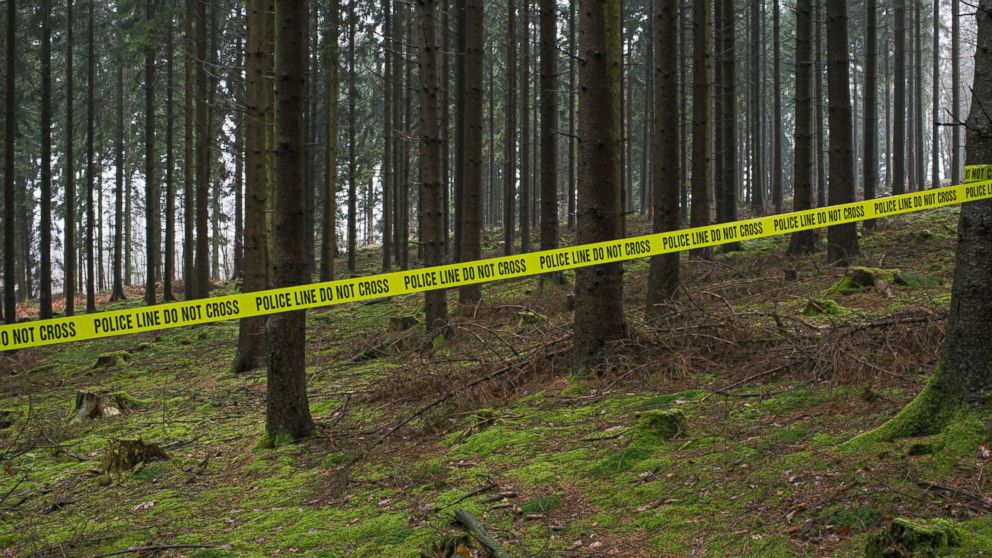
Law enforcement assesses each case based on risk level, considering factors like age, health conditions, and circumstances of disappearance. Nancy Guthrie's case was immediately elevated to high-risk due to her age (84), limited mobility, dependence on daily medication, and evidence suggesting possible foul play. The Pima County Sheriff's Department and FBI quickly became involved, treating her home as a crime scene and processing forensic evidence including blood samples found on her porch that later tested positive for her DNA.
Building the Timeline: How Investigators Piece Together What Happened
One of the most crucial aspects of any missing person investigation is constructing an accurate timeline of events. Investigators gather information from witnesses, surveillance footage, electronic devices, and forensic evidence to create a minute-by-minute account of the person's last known movements. In the Guthrie case, authorities established a detailed timeline showing she was last seen by family members on January 31 when they dropped her off at her home around 9:48 p.m. Her garage door closed at 9:50 p.m., and she was believed to be settling in for the night.
The investigation revealed several critical data points: her doorbell camera disconnected at 1:47 a.m. on February 1, software detected movement on another camera at 2:12 a.m., and her pacemaker disconnected from its monitoring app at 2:28 a.m. These electronic breadcrumbs helped investigators narrow the window during which she likely disappeared. Timeline reconstruction allows police to identify potential witnesses, determine if the disappearance was voluntary or involuntary, and establish patterns that might suggest what happened.
Forensic Analysis and Evidence Collection in Missing Persons Cases
Modern missing person investigations rely heavily on forensic science and technological evidence. In cases where foul play is suspected, crime scene technicians collect and analyze physical evidence including DNA, fingerprints, trace evidence, and digital footprints. The Guthrie investigation involved processing her home as a crime scene, collecting blood samples, examining her cellphone (which was left behind), and analyzing surveillance footage from neighborhood cameras.

Digital forensics plays an increasingly important role, as seen in the Guthrie case where investigators examined data from her pacemaker monitoring app, doorbell camera system, and cellphone. Electronic evidence can provide critical information about a person's movements, health status, and potential interactions. In kidnapping or abduction cases, ransom notes are also subjected to forensic analysis for fingerprints, DNA, handwriting analysis, and technical tracing of digital communications.
Public Appeals and Community Involvement in Investigations
When initial investigative techniques don't yield immediate results, law enforcement often turns to the public for assistance. This can include press conferences, social media campaigns, distribution of flyers, and reward offers. In the Nancy Guthrie case, her daughter Savannah Guthrie made emotional public appeals through traditional media and Instagram videos, pleading for her mother's safe return and sharing concerns about her medical needs.
The FBI offered a $50,000 reward for information leading to Nancy Guthrie's recovery or the arrest and conviction of those involved in her disappearance. Public appeals serve multiple purposes: they generate tips from the community, put pressure on potential perpetrators, and keep the case in the public consciousness. Investigators also work with media outlets to control the release of information, sometimes holding back specific details to verify tips or maintain investigative integrity.
Understanding Ransom Notes and Kidnapping Investigations
When missing person cases involve potential kidnapping, investigators follow specialized protocols for ransom negotiations and suspect communication. The Guthrie case gained additional complexity when ransom notes referencing Nancy Guthrie were sent to multiple news organizations. Law enforcement must carefully analyze such communications for authenticity, as they sometimes come from imposters seeking financial gain or attention rather than actual perpetrators.
FBI agents specializing in kidnapping cases examine ransom notes for linguistic patterns, technical details about their delivery, and any included demands or threats. They also work to establish secure communication channels while attempting to trace the origin of the messages. In confirmed kidnapping cases, negotiators follow established procedures to protect the victim while gathering intelligence about the perpetrators and their location.
The Role of Technology in Modern Missing Person Searches
Today's missing person investigations leverage technology in ways that were unavailable just a decade ago. From electronic monitoring devices like Nancy Guthrie's pacemaker (which disconnected from its app at 2:28 a.m., providing a crucial timestamp) to neighborhood surveillance cameras, ride-sharing records, and cellphone data, digital evidence creates investigative opportunities. Law enforcement can obtain search warrants for financial records, communication histories, and location data that might reveal patterns or connections.
Advanced forensic techniques including DNA analysis, facial recognition technology, and data analytics help investigators process large amounts of information quickly. Social media monitoring can reveal whether missing individuals are active online or if their accounts are being accessed by others. In cases involving potential transportation across state lines, license plate readers and traffic cameras become important tools for tracking movements.
What Happens When a Missing Person is Located
While the search continues for Nancy Guthrie, it's important to understand the procedures that follow when missing persons are found. Depending on the circumstances, reunification may involve medical evaluation, psychological support, forensic interviews to gather evidence about what happened, and potentially legal proceedings if crimes were committed. Law enforcement must carefully document the recovery process while respecting the individual's privacy and trauma.
In cases involving kidnapping or abduction, locating the victim is only the beginning of a longer process that includes apprehending suspects, building criminal cases, and providing victim support services. Even when missing persons return voluntarily, investigators may conduct interviews to understand why they disappeared and ensure they're not at risk of similar situations in the future.
The Ongoing Search for Nancy Guthrie: Current Status
As of the latest updates, the search for Nancy Guthrie continues with involvement from local, state, and federal law enforcement agencies. The investigation represents a real-world application of missing person investigative protocols, combining traditional police work with modern technology and forensic science. The case highlights both the challenges investigators face and the systematic approaches they use to pursue leads and evidence.
The disappearance of Nancy Guthrie serves as a poignant reminder of how missing person investigations work behind the scenes. From the critical first hours to ongoing forensic analysis and public appeals, each step follows established procedures designed to maximize the chances of locating missing individuals and understanding what happened to them. As technology evolves and investigative techniques improve, law enforcement continues to refine these processes while facing the human realities at the heart of every missing persons case.