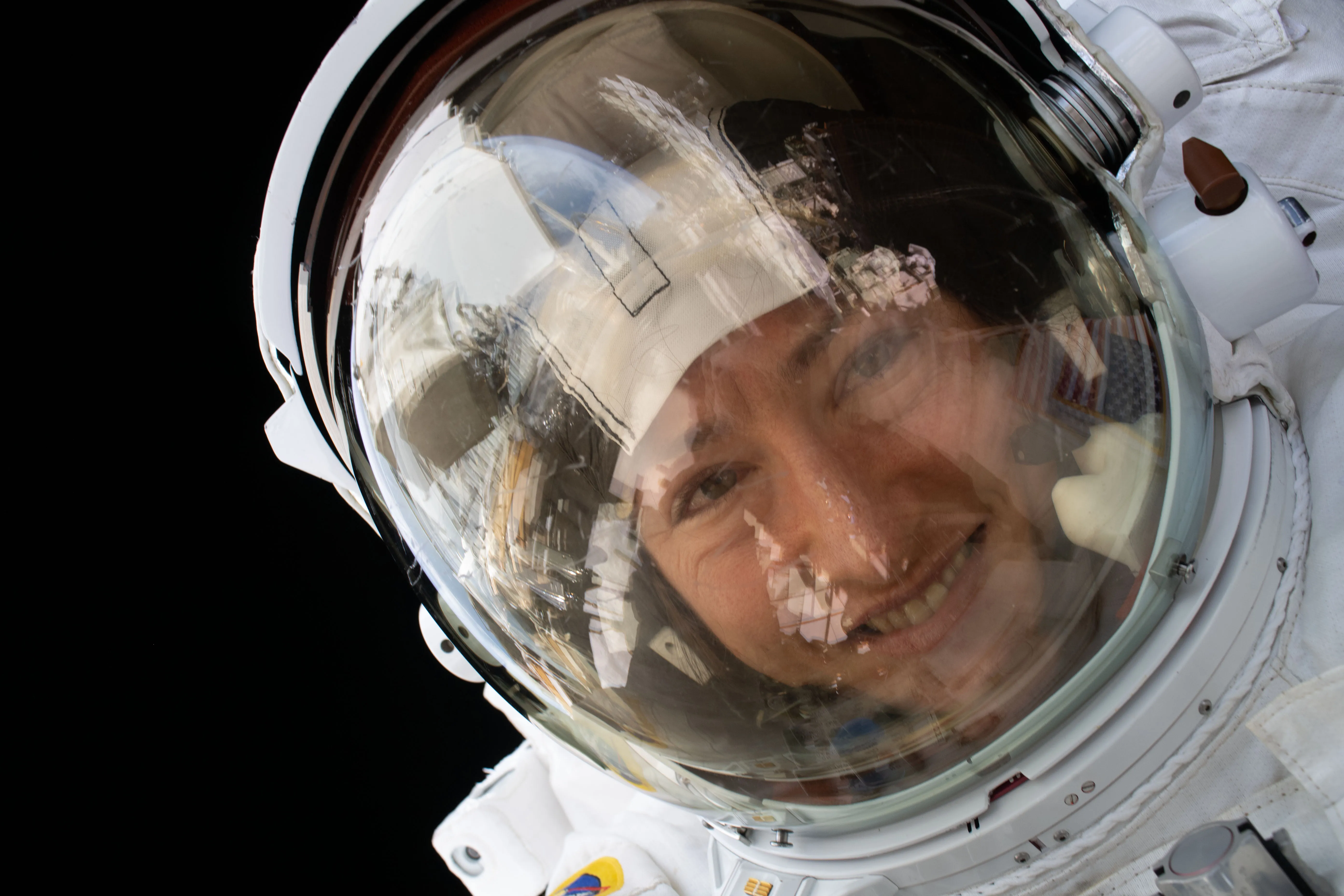
Since its establishment in 1958, the National Aeronautics and Space Administration (NASA) has been at the forefront of human space exploration, scientific discovery, and technological innovation. As an independent executive branch agency of the U.S. government, NASA's mission extends far beyond launching rockets—it encompasses everything from studying Earth's climate to developing the next generation of aerospace technology and preparing for human missions to Mars. With a budget of $25 billion in fiscal year 2024 and a workforce of approximately 18,000 civil servants across 10 major research centers, NASA continues to push the boundaries of what's possible in air and space.
How NASA Is Structured: The Organization Behind Space Exploration
NASA's organizational structure is designed to manage complex space missions while advancing scientific research across multiple disciplines. The agency is headquartered in Washington, D.C., and operates through four primary mission directorates: Aeronautics Research, Science, Space Operations, and Exploration Systems Development. Each directorate focuses on specific areas—from developing advanced aircraft technologies to planning crewed missions to the Moon and Mars. NASA's 10 field centers across the United States, including the Johnson Space Center in Houston, Kennedy Space Center in Florida, and Jet Propulsion Laboratory in California, specialize in different aspects of space exploration, creating a collaborative network that drives innovation.
From Apollo to Artemis: NASA's Historic Journey Through Space
NASA's history is marked by groundbreaking achievements that have transformed our understanding of the universe. The agency was created in response to the Soviet Union's launch of Sputnik, with President Dwight D. Eisenhower signing the National Aeronautics and Space Act on July 29, 1958. The 1960s saw the Mercury and Gemini programs laying the foundation for the Apollo missions, culminating in Neil Armstrong's historic first steps on the Moon in 1969. The Space Shuttle program (1981-2011) revolutionized access to space with reusable spacecraft, while the International Space Station—continuously occupied since 2000—has served as an orbiting laboratory for scientific research. Today, NASA's Artemis program aims to return humans to the Moon and establish a sustainable presence there by the end of the decade.
NASA's Current Missions: Exploring Our Solar System and Beyond
NASA currently operates dozens of active missions across our solar system and beyond. The International Space Station remains a hub for scientific research, with astronauts conducting experiments in microgravity that benefit life on Earth. The Artemis program represents NASA's next giant leap, with Artemis II scheduled to carry astronauts around the Moon—the first crewed lunar mission since 1972. Robotic explorers like the Perseverance rover continue to search for signs of ancient life on Mars, while the James Webb Space Telescope peers deeper into the universe than ever before. Closer to home, NASA's Earth Science Division monitors our planet's climate, weather patterns, and environmental changes using a fleet of satellites and airborne instruments.
Where NASA Stands Today: Recent Developments and Achievements
In recent years, NASA has achieved significant milestones that highlight the agency's evolving capabilities. The successful launch and deployment of the James Webb Space Telescope in 2021 has already revolutionized astronomy, capturing unprecedented images of distant galaxies and exoplanet atmospheres. NASA's commercial crew program, partnering with companies like SpaceX and Boeing, has restored America's ability to launch astronauts from U.S. soil after the Space Shuttle's retirement. The agency's Ingenuity helicopter made history as the first aircraft to achieve powered, controlled flight on another planet, demonstrating new possibilities for Mars exploration. Meanwhile, NASA's Earth science missions continue to provide critical data for understanding climate change and natural disasters.
The Future of Space Exploration: What's Next for NASA
NASA's roadmap for the coming decades includes ambitious plans that will shape the future of space exploration. The Artemis program aims to land the first woman and first person of color on the Moon, establishing a sustainable lunar presence that will serve as a stepping stone to Mars. The Gateway—a lunar orbiting outpost—will provide a staging point for lunar surface missions and deep space expeditions. On Mars, NASA plans to collaborate with international partners to return Martian samples to Earth for detailed analysis, potentially answering whether life ever existed on the Red Planet. Technological advancements in propulsion, life support systems, and in-situ resource utilization will enable longer-duration missions throughout the solar system.
Key Takeaways: Understanding NASA's Impact and Importance
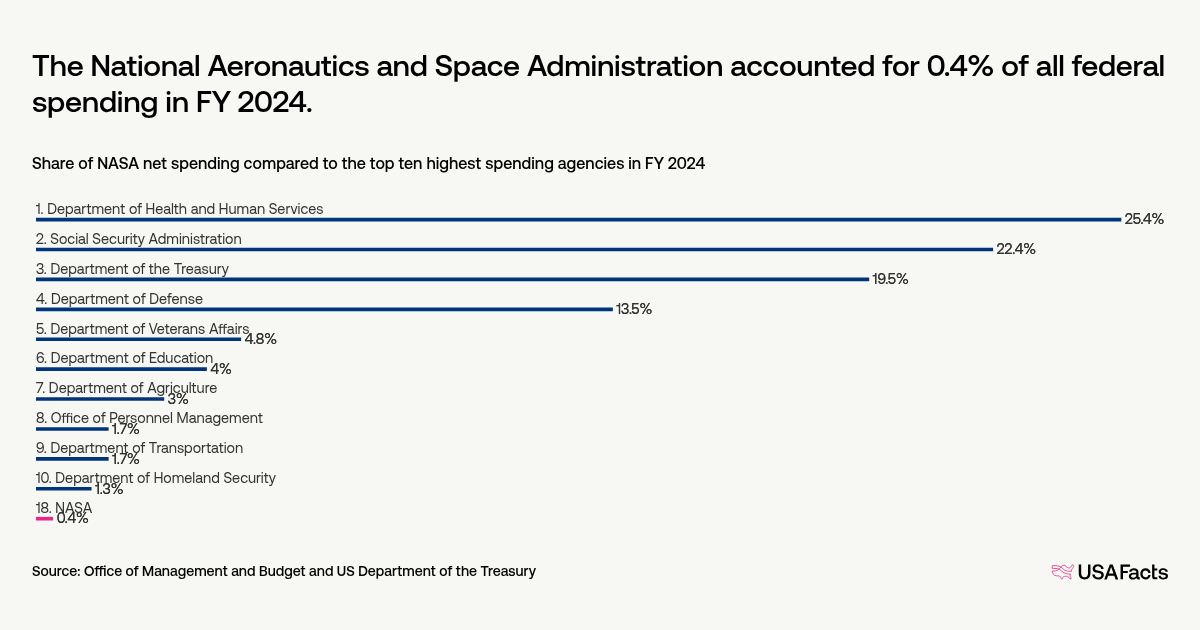
NASA's work extends far beyond space exploration, with technologies developed for space missions finding applications in everyday life. From memory foam mattresses and cordless tools to water purification systems and medical imaging devices, NASA spinoffs have improved quality of life for millions. The agency's scientific research has deepened our understanding of Earth's climate system, leading to better weather forecasting and environmental monitoring. With a budget representing just 0.4% of federal spending, NASA continues to deliver extraordinary value through scientific discovery, technological innovation, and inspiration for future generations of scientists, engineers, and explorers.