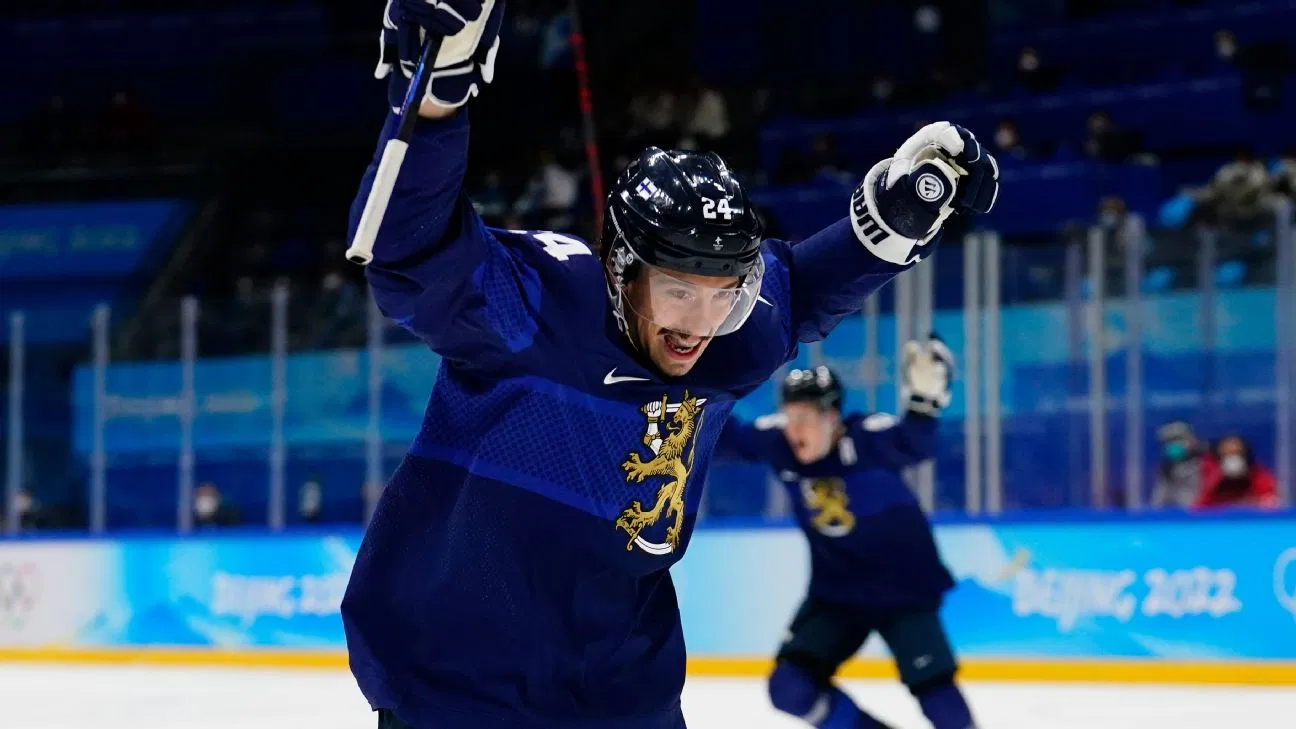
The 2026 Winter Olympics in Milano Cortina have brought back one of the most anticipated events in winter sports: Olympic ice hockey. For the first time since 2014, NHL players are competing on the Olympic stage, ending a 12-year hiatus that saw the world's best professionals miss the 2018 and 2022 Games. This return has sparked renewed interest in how Olympic hockey works, from its unique tournament format to the rule differences that distinguish it from the NHL. Whether you're a casual viewer or a dedicated fan, understanding the structure and rules of Olympic hockey enhances the experience of watching the world's top athletes compete for gold.
How the 2026 Olympic Hockey Tournament Works: Format Explained
The Olympic men's ice hockey tournament features 12 teams divided into three groups of four. According to Sportsnet, teams play a three-game preliminary round in a round-robin format within their groups. The tournament uses a three-point system: three points for a regulation win, two points for an overtime or shootout win, one point for an overtime or shootout loss, and zero points for a regulation loss. This system encourages competitive play throughout all three periods.
After the preliminary round, the top four teams overall receive byes to the quarterfinals. The remaining eight teams compete in playoff qualification games to fill the other four quarterfinal spots. From there, it's a single-elimination knockout tournament leading to the gold medal game. The women's tournament follows a similar format but with ten teams divided into two groups.

From Antwerp to Milano Cortina: A Century of Olympic Hockey
Ice hockey made its Olympic debut at the 1920 Summer Olympics in Antwerp, Belgium, as noted by NHL.com. It transitioned to the Winter Games in 1924 in Chamonix, France, and has been a staple ever since. For most of Olympic history, only amateur athletes were allowed to compete, which excluded NHL professionals. This changed in 1998 when the NHL, NHL Players' Association, and International Ice Hockey Federation reached an agreement to allow NHL players to participate.
The NHL continued to send players through 2014, but disagreements over insurance costs, travel logistics, and the league's schedule led to the NHL skipping the 2018 and 2022 Olympics. The 2026 Milano Cortina Games mark the return of NHL players, creating what many consider the most competitive Olympic hockey tournament in over a decade. Wikipedia notes that this arrangement is expected to continue for future Olympics, ensuring fans can watch the world's best professionals compete for their countries every four years.
Olympic vs NHL Rules: What Makes International Hockey Different
While both Olympic and NHL hockey share the same basic objective, several key rule differences create distinct styles of play. According to NBC Los Angeles, the most noticeable difference is rink size: Olympic games are played on international-sized rinks measuring 197 by 98.5 feet, while NHL rinks are 200 by 85 feet. The wider Olympic rink creates more open ice, emphasizing speed, skill, and puck movement over physical play.
Overtime rules also differ significantly. In preliminary round games, if teams are tied after regulation, they play a five-minute 3-on-3 overtime period followed by a shootout if still tied. In knockout rounds, overtime extends to 10 minutes of 3-on-3 play before a shootout. For gold medal games, overtime becomes sudden-death with unlimited 20-minute periods of 5-on-5 play until someone scores.
Other important differences include stricter penalties for fighting (automatic game misconduct plus additional suspension), different icing rules (no-touch icing in Olympics vs. hybrid icing in NHL), and roster variations (Olympic teams can dress 13 forwards, 7 defensemen, and 2 goalies compared to the NHL's 12 forwards, 6 defensemen, and 2 goalies).
Qualification: How Teams Earn Their Spot in the Olympics
The road to Olympic hockey begins years before the Games. As explained by Olympics.com, the qualification process for Milano Cortina 2026 combines direct entries with qualification tournaments. The top eight ranked men's teams in the IIHF World Ranking following the 2025 World Championship automatically qualify. These typically include traditional powers like Canada, United States, Sweden, Finland, and Russia (though Russian participation remains uncertain due to ongoing geopolitical issues).
The remaining four spots are determined through a series of qualification tournaments held in late 2025. Lower-ranked teams compete in preliminary qualification rounds, with winners advancing to final qualification tournaments. The women's tournament uses a similar system, with the top six teams automatically qualifying and four spots determined through qualification events. This system ensures a mix of established hockey nations and emerging programs, creating compelling underdog stories.
Current Standings: Where Team USA and Favorites Stand in 2026
As the 2026 tournament progresses, several storylines have emerged. Team USA, featuring stars like Auston Matthews, the Hughes brothers (Jack and Quinn), and the Tkachuk brothers (Brady and Matthew), opened strong with a 5-1 victory over Latvia. The Americans face Denmark and Germany in their remaining group play, needing strong performances to secure a top-four bye to the quarterfinals.
Canada, the defending gold medalist from 2014 (when NHL players last participated), remains undefeated with a roster boasting Connor McDavid, Sidney Crosby, and Cale Makar. Sweden, Finland, and the Czech Republic also field powerhouse rosters, making this one of the most competitive Olympic hockey tournaments in history. The return of NHL players has elevated the skill level dramatically, with games featuring faster pace, more scoring chances, and highlight-reel plays.
The Road to Gold: What's Next in the 2026 Tournament
Following group play, the tournament moves to single-elimination knockout rounds. The quarterfinals begin on February 18, with semifinals on February 20 and medal games on February 22. The condensed schedule means teams must manage energy and avoid injuries while facing increasingly difficult opponents.
Experts predict several potential gold medal matchups, including a classic Canada vs. USA final or a Nordic showdown between Sweden and Finland. The larger ice surface favors European teams accustomed to international rinks, but North American teams have adapted quickly with their elite skill players. Regardless of the outcome, the 2026 Olympic hockey tournament represents a triumphant return to form for international hockey, showcasing the sport at its highest level.
Key Takeaways: What You Need to Know About Olympic Hockey
Olympic ice hockey combines century-old tradition with modern elite competition. The 2026 tournament marks the return of NHL players after a 12-year absence, featuring the world's best professionals competing for national pride. The format includes group play followed by knockout rounds, with unique rules like larger rinks, different overtime procedures, and stricter penalties that distinguish it from NHL hockey. Qualification involves both automatic bids and tournaments, ensuring global representation. As the Milano Cortina Games continue, fans can expect fast-paced, high-skill hockey that represents the pinnacle of international competition.