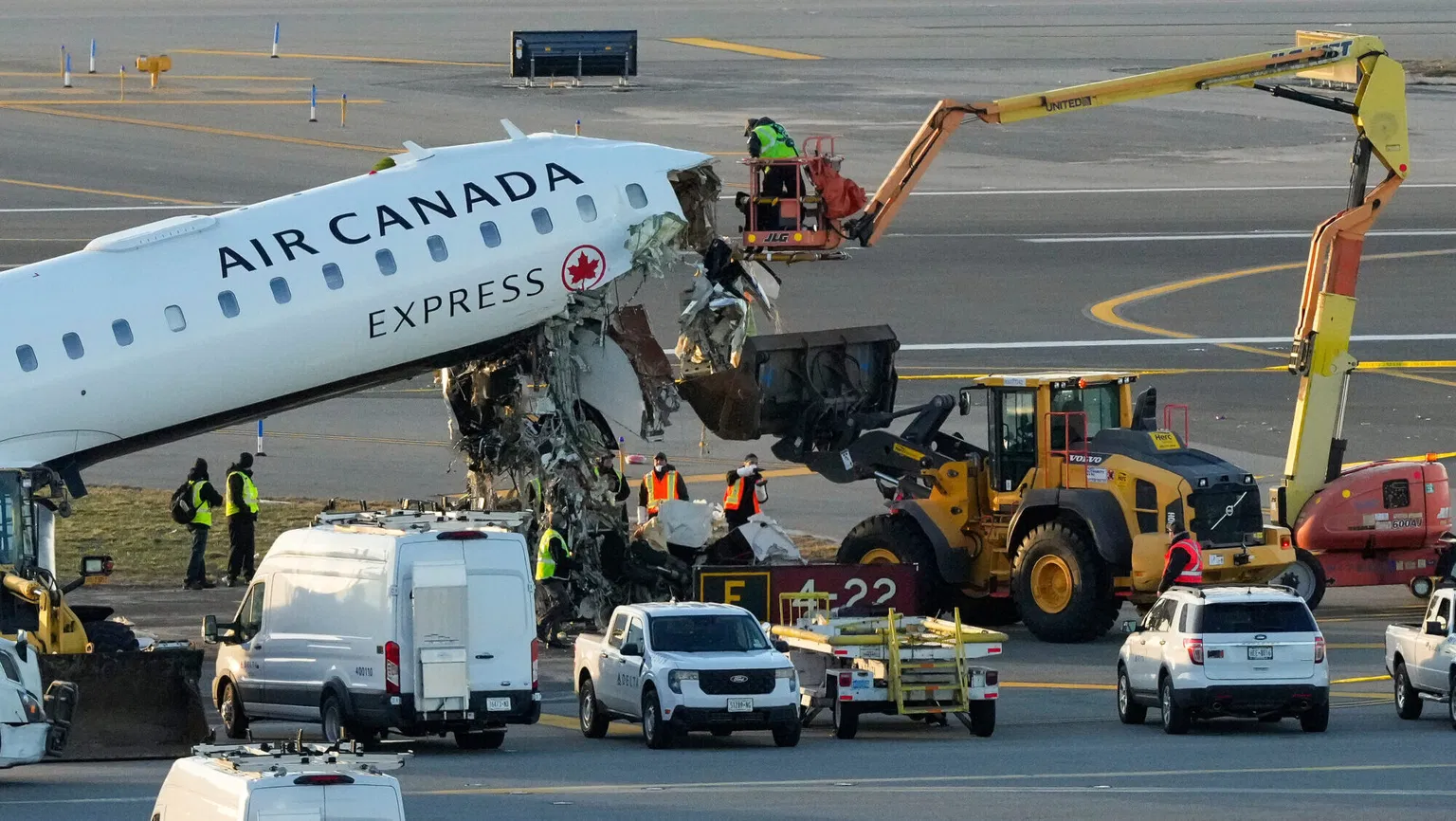
The tragic collision between an Air Canada Express jet and a fire truck at New York's LaGuardia Airport on March 22, 2026, has raised critical questions about aviation safety systems. The accident, which killed both pilots and injured 41 others, serves as a sobering case study in how runway safety technology works—and why it sometimes fails. Understanding these systems is key to appreciating the complex safety net that protects air travel every day.
How Runway Safety Systems Are Designed to Prevent Collisions
At the heart of modern airport safety is a sophisticated network of technology called ASDE-X (Airport Surface Detection Equipment, Model X). This system acts as the eyes of air traffic controllers, providing real-time tracking of everything moving on airport surfaces. ASDE-X combines data from multiple sources: surface movement radar, multilateration sensors, ADS-B (Automatic Dependent Surveillance-Broadcast) receivers, and aircraft transponders. By fusing this information, the system creates a comprehensive picture of all aircraft and properly equipped vehicles on runways and taxiways.
The system's primary function is conflict detection. When ASDE-X identifies a potential collision risk—such as an aircraft on final approach while a vehicle is on the runway—it triggers visual and audible alarms in the control tower. This gives controllers precious seconds to intervene and prevent disaster. The technology is particularly crucial at busy airports like LaGuardia, where multiple movements occur simultaneously in limited space.
What Went Wrong at LaGuardia: A Perfect Storm of Failures
The LaGuardia collision reveals how multiple system failures can converge with tragic results. According to the National Transportation Safety Board (NTSB) investigation, the Port Authority fire truck that entered Runway 4 lacked a critical component: a transponder. Without this electronic device, the ASDE-X system had no way to detect the vehicle's presence on the runway. The fire truck was essentially invisible to the safety system designed to prevent exactly this type of incident.
Compounding the problem, the air traffic controller who cleared the fire truck to cross the runway was reportedly handling multiple positions simultaneously due to staffing shortages. This divided attention, combined with the missing electronic warning, created the conditions for catastrophe. As the Air Canada Express Flight 8646 descended toward Runway 4, neither the technology nor the human operators detected the conflict until it was too late.
How the NTSB Investigates Aviation Accidents
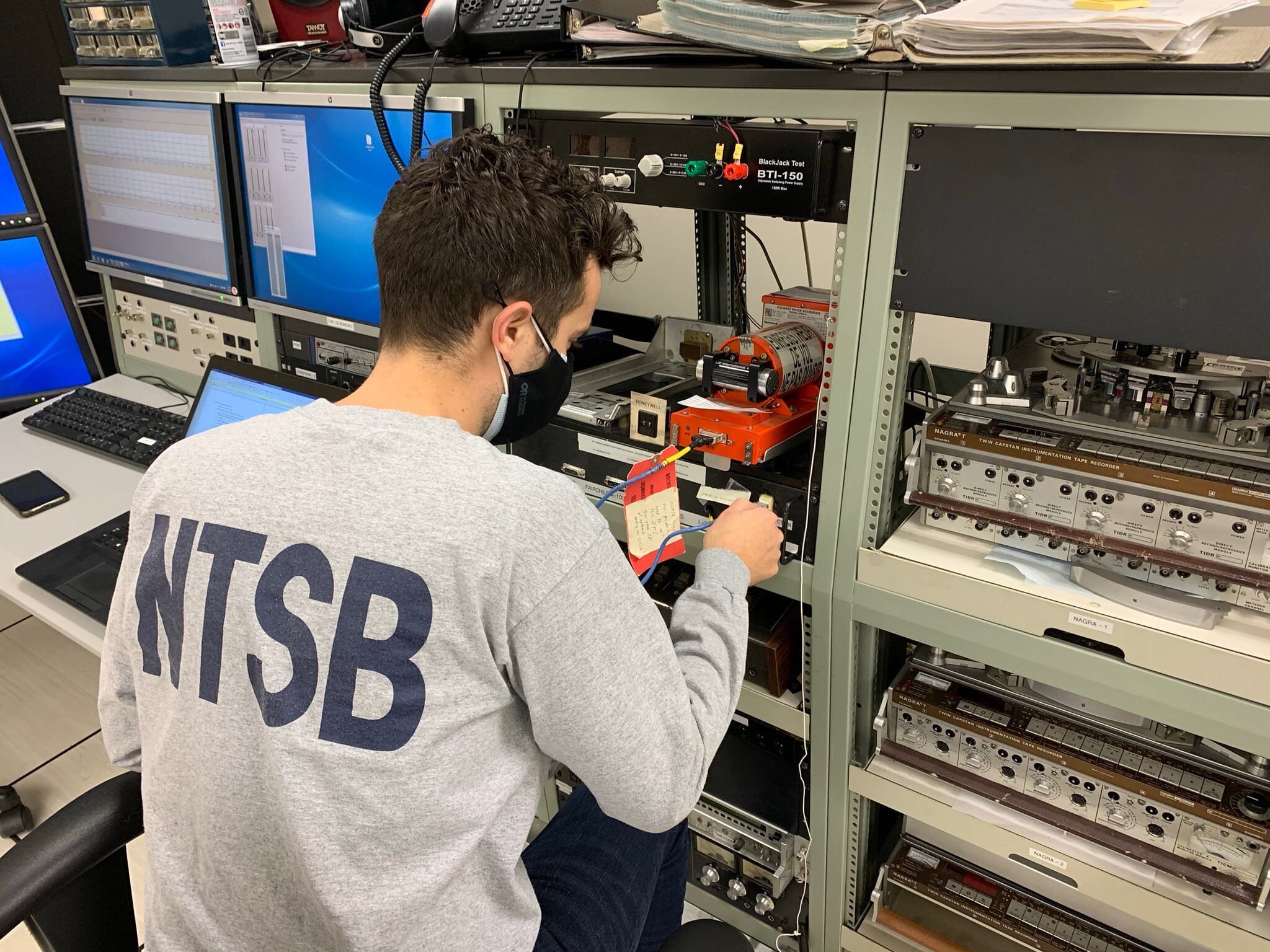
Following major incidents like the LaGuardia crash, the NTSB dispatches a specialized "Go Team" to begin the investigative process. This team follows a meticulous, multi-phase approach that has been refined over decades of accident investigation. The first priority is securing the scene and recovering critical evidence, particularly the flight data recorder and cockpit voice recorder—commonly known as "black boxes."
The investigation then expands to examine three key areas: human performance, aircraft systems, and environmental factors. Investigators interview witnesses, review controller communications, examine maintenance records, and analyze weather data. In the LaGuardia case, this included evaluating why the fire truck lacked required equipment, assessing controller staffing levels, and testing the ASDE-X system's performance.
Perhaps most importantly, the NTSB focuses not on assigning blame but on identifying safety improvements. Their investigations typically result in recommendations to regulatory agencies like the FAA, aircraft manufacturers, and airport operators. These recommendations aim to prevent similar accidents in the future through technology upgrades, procedural changes, or training improvements.
The Critical Role of Transponders in Ground Safety
The LaGuardia incident highlights a often-overlooked aspect of aviation safety: ground vehicle equipment standards. While commercial aircraft are required to have functioning transponders, ground vehicles operating in airport movement areas may have varying equipment requirements depending on the airport and vehicle type. Transponders work by emitting a unique electronic signal that identifies the vehicle's position, speed, and direction to surveillance systems like ASDE-X.
Without this electronic signature, vehicles become "non-cooperative targets" that are much harder for radar-based systems to track reliably. This creates significant blind spots in airport surveillance coverage. The NTSB has previously recommended that all vehicles operating in movement areas be equipped with transponders or similar tracking technology, but implementation has been inconsistent across airports and vehicle types.
Current Status and Future Improvements
In the wake of the LaGuardia crash, the FAA and airport authorities are reevaluating ground safety protocols. Immediate measures include audits of vehicle equipment at major airports and reviews of controller staffing levels. Longer-term solutions may involve mandatory transponder requirements for all airport vehicles, enhanced conflict alert algorithms in ASDE-X, and improved controller training for surface movement management.
Technological advances also offer promising solutions. Next-generation systems like ADS-B Out for ground vehicles could provide more precise tracking than traditional transponders. Automated alert systems that don't rely solely on electronic signatures are also in development, using advanced radar and camera fusion to detect any object on runways regardless of equipment.
Key Takeaways for Aviation Safety
The LaGuardia collision serves as a powerful reminder that aviation safety is a complex system where technology, procedures, and human factors must work in harmony. No single layer of protection is foolproof, which is why multiple redundant systems are essential. The investigation underscores several critical lessons: equipment standards must keep pace with technology, human factors cannot be overlooked in system design, and continuous improvement is necessary even in highly safe systems.
For travelers, understanding these systems provides context for the extensive safety measures that protect every flight. While accidents are rare, each incident drives improvements that make air travel even safer. The legacy of the LaGuardia crash will likely be enhanced vehicle tracking requirements, improved controller resources, and more robust conflict detection systems—all contributing to the ongoing evolution of aviation safety.