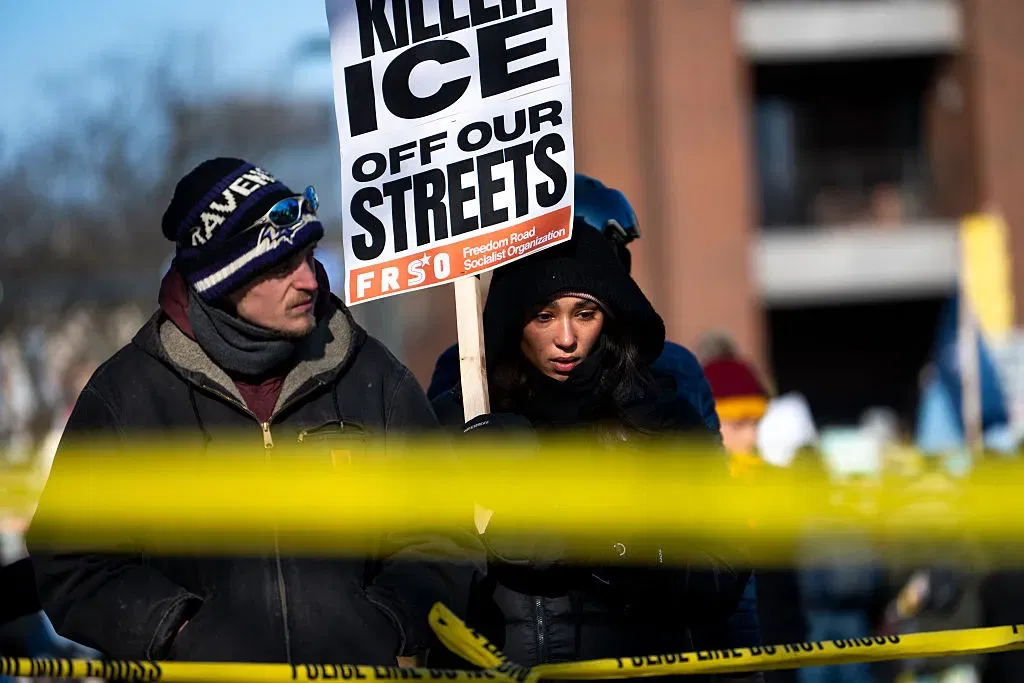
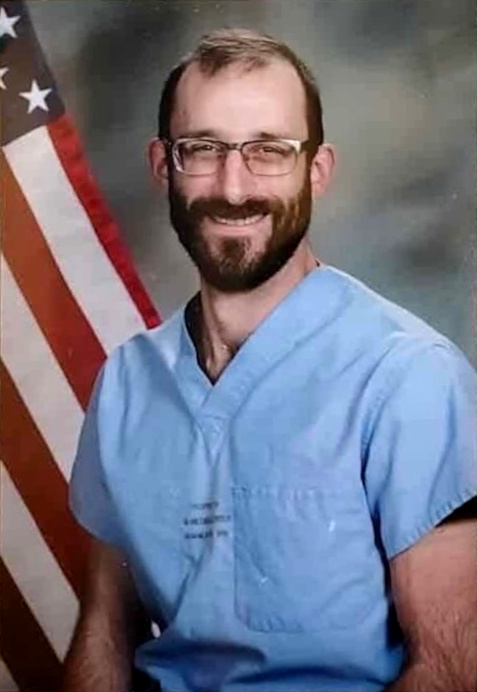
The fatal shooting of Alex Pretti, a 37-year-old ICU nurse in Minneapolis, has sparked national attention and raised important questions about how police shooting investigations actually work. When federal immigration officers shot and killed Pretti on January 24, 2026, it set in motion a complex investigative process that involves multiple agencies, evidence review protocols, and oversight mechanisms. Understanding this process is crucial for making sense of cases like Pretti's and recognizing what constitutes a thorough, transparent investigation.
How the Alex Pretti Case Unfolded: Key Facts and Developments
Alex Jeffrey Pretti, a veteran's affairs nurse, was shot and killed by U.S. Customs and Border Protection agents during an encounter in Minneapolis. According to CBS News, the FBI has now taken over the investigation after initial leadership by Homeland Security Investigations (HSI) – an unusual assignment since HSI typically investigates crimes with international or immigration nexus, not officer-involved shootings. Two federal agents fired their weapons during the incident, and both have been placed on administrative leave pending investigation.
Video evidence has played a crucial role in the investigation. Footage from January 13 shows Pretti damaging a government SUV's taillight before being tackled by agents. More importantly, video from the shooting itself appears to contradict official accounts, showing Pretti was already restrained when shots were fired. This discrepancy highlights why thorough investigation processes matter – initial reports don't always match what evidence later reveals.
Timeline: How the Shooting Investigation Developed
The investigation into Alex Pretti's death follows a pattern seen in many officer-involved shootings, though with unusual twists due to federal involvement. On January 24, 2026, Pretti was shot around 9 a.m. Central time. Within hours, HSI took lead investigative responsibility – a decision that raised eyebrows among law enforcement experts. By January 30, the FBI assumed control, reflecting standard protocols for serious use-of-force cases.
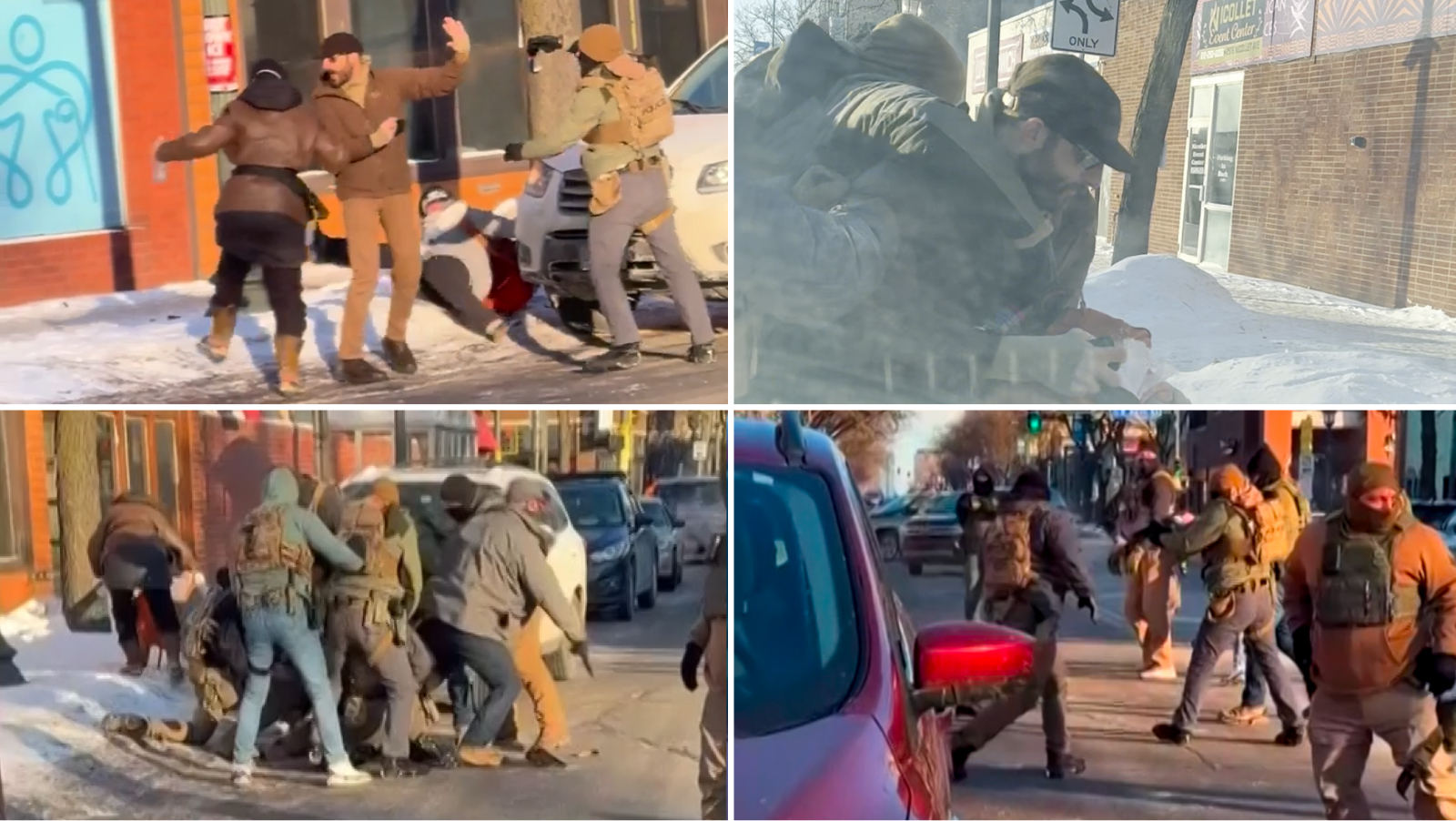
Key developments include forensic audio analysis revealing 10 shots were fired in less than five seconds, the release of bystander and body camera footage, and a Department of Homeland Security report confirming two agents discharged their weapons. Each piece of evidence adds to the investigative picture, demonstrating how modern shooting investigations rely heavily on digital documentation.
How Police Shooting Investigations Actually Work: The Step-by-Step Process
According to the Philadelphia Citizens Police Oversight Commission, police shooting investigations follow a structured process designed to ensure thorough examination of all evidence. Immediately after a shooting, investigators arrive to secure the scene and collect physical evidence. This includes firearms, shell casings, surveillance footage, body camera videos, and photographs of the location and involved individuals.
Investigators then conduct witness interviews, including statements from officers involved, bystanders, and anyone with relevant information. The investigation division uses all available evidence to write detailed reports that analyze whether the shooting was justified and if officers followed department policies. These reports go to oversight boards like the Use of Force Review Board (UFRB), which evaluates whether force was appropriate and rules were followed – though this is separate from criminal investigations.
Different Types of Investigations: Criminal vs. Administrative
Understanding the Alex Pretti case requires recognizing that shooting investigations typically occur on two parallel tracks: criminal and administrative. The criminal investigation, now led by the FBI, examines whether laws were broken and if charges should be filed. This involves gathering evidence that could prove criminal intent or wrongdoing beyond a reasonable doubt.
The administrative investigation focuses on whether officers violated department policies, regardless of criminal liability. This is where agencies like HSI or internal affairs units operate. Agents placed on administrative leave, as in Pretti's case, represents standard procedure during these investigations. The administrative review can result in disciplinary actions, retraining, or policy changes even if no criminal charges are filed.
Where the Alex Pretti Investigation Stands Now
As of late January 2026, the FBI has assumed lead investigative responsibility, bringing specialized resources for ballistics analysis, forensic processing, firearm examinations, and large-scale witness canvassing. The two agents involved remain on administrative leave. Multiple video analyses have been conducted by news organizations, revealing discrepancies between official accounts and visual evidence.
The case has drawn political attention, with President Trump commenting on social media and Minnesota officials calling for transparency. Just Security, a legal analysis forum, has outlined what a proper investigation should include: independent oversight, thorough evidence collection, and clear communication with the public about findings.
What Happens Next in Shooting Investigations Like This
Looking forward, the Alex Pretti investigation will likely follow a path common to high-profile officer-involved shootings. The FBI will complete its criminal investigation and present findings to prosecutors, who will decide whether to bring charges. Simultaneously, administrative reviews will determine if policy violations occurred and what disciplinary or corrective actions are needed.
Public reporting requirements mean some findings will eventually be released, though the timing and completeness of disclosures often become points of contention. The case may also prompt broader discussions about federal law enforcement procedures, use-of-force policies, and oversight mechanisms for immigration enforcement operations.
Key Takeaways: Understanding the Investigation Process
The Alex Pretti case illustrates several important aspects of shooting investigations: multiple agencies may be involved, video evidence plays a crucial role, investigations occur on both criminal and administrative tracks, and the process can take months or years to complete. Understanding this complex system helps citizens evaluate whether investigations are thorough and transparent, and what standards should be expected when deadly force is used by law enforcement.