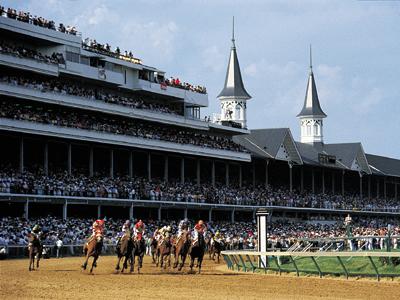
The Kentucky Derby isn't just a horse race — it's a cultural phenomenon that stops America in its tracks every first Saturday in May. Known as "The Run for the Roses" and "The Most Exciting Two Minutes in Sports," this legendary event at Churchill Downs in Louisville, Kentucky, blends world-class Thoroughbred racing with Southern traditions that date back nearly 150 years. But how exactly does the Kentucky Derby work, where did its iconic customs come from, and what makes it one of the most-watched sporting events in the world?
How the Kentucky Derby Began: A Race Born From European Inspiration
The Kentucky Derby traces its origins to 1875, when a 28-year-old entrepreneur named Meriwether Lewis Clark Jr. — the grandson of William Clark of the famous Lewis and Clark expedition — returned from a trip to Europe with a bold vision. Clark had attended the Epsom Derby in England and the Grand Prix de Paris in France, and he wanted to create an American race that matched their prestige. He founded the Louisville Jockey Club, raised funds to build a racetrack on land owned by his uncles, John and Henry Churchill, and on May 17, 1875, the first Kentucky Derby was run in front of roughly 10,000 spectators. Fifteen horses competed that day, and the winner was a chestnut colt named Aristides, ridden by jockey Oliver Lewis. The original distance was 1.5 miles, but it was shortened to its current 1.25 miles (10 furlongs) in 1896.
The Road to the Derby: How Horses Qualify for the Starting Gate
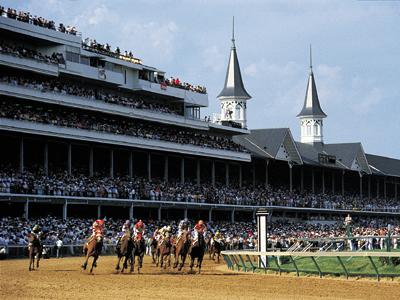
Only 20 horses earn the right to run in the Kentucky Derby each year, and the journey to get there is called the "Road to the Kentucky Derby." This is a points-based qualification system that spans dozens of prep races around the world, primarily in the United States but also in countries like Japan, the United Kingdom, Ireland, and Dubai. Points are awarded to the top five finishers in each designated prep race, with the most important races — known as the "Kentucky Derby Championship Series" — offering the highest point totals. The 20 horses with the most accumulated points earn a spot in the starting gate. All horses must be three-year-old Thoroughbreds, and colts and geldings carry 126 pounds (57 kg), while fillies carry 121 pounds (55 kg). It's a strict and competitive system that ensures only the best of the best make it to Churchill Downs on race day.
Timeline: How the Kentucky Derby Developed Over 150 Years
1875 — The very first Kentucky Derby is run on May 17 at Churchill Downs. Aristides wins in a field of 15 horses, covering 1.5 miles.
1896 — The race distance is shortened from 1.5 miles to 1.25 miles, where it remains to this day.
1902 — Colonel Matt Winn, a local businessman, takes over management of Churchill Downs and transforms the Derby into a major national event, introducing many of the traditions we know today.
1925 — The iconic twin spires of Churchill Downs are added to the grandstand, becoming one of the most recognizable landmarks in sports.
1973 — Secretariat wins the Derby in a record time of 1:59.40 — a record that still stands more than 50 years later. He goes on to win the Triple Crown.
2015 — American Pharoah ends a 37-year Triple Crown drought, becoming the first horse since Affirmed in 1978 to win all three Triple Crown races.
The Traditions That Make the Derby Unique
The Kentucky Derby is as famous for its traditions as it is for the race itself, and each custom has a fascinating backstory.
The Run for the Roses. The tradition of draping the winning horse with a garland of roses dates back to 1896, when New York socialite E. Berry Wall presented roses to the winner at a post-race party. Today, the winning horse receives a lavish blanket of 554 red roses (the number varies slightly by year) hand-sewn onto green satin backing featuring the seal of the Commonwealth of Kentucky and the Churchill Downs twin spires. This is why the Derby is called "The Run for the Roses."
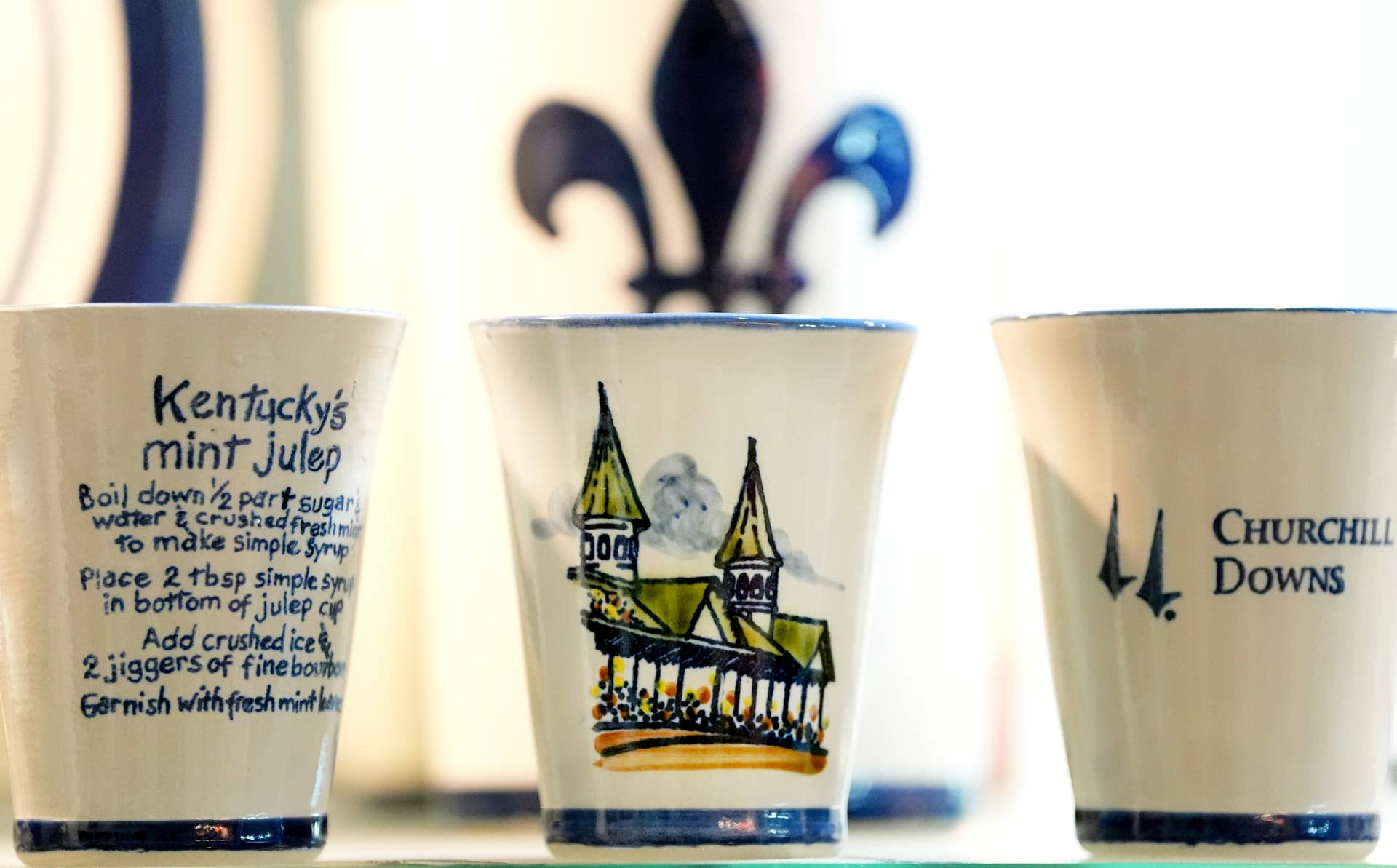
The Mint Julep. The official drink of the Kentucky Derby is the mint julep — a refreshing blend of bourbon, fresh mint, sugar, and crushed ice served in a silver or glass cup. More than 120,000 mint juleps are served at Churchill Downs over Derby weekend, using close to 10,000 bottles of bourbon and 1,000 pounds of fresh mint. The tradition of drinking mint juleps at the Derby dates back to the early 20th century and has become synonymous with the event's Southern hospitality.
The Hats. Perhaps the most visually striking Derby tradition is the wearing of elaborate, often oversized hats. Women (and some men) don ornate headpieces ranging from elegant wide-brimmed designs to wild, creative creations adorned with flowers, feathers, and even miniature horse figures. The tradition has roots in the formal attire worn by wealthy spectators in the early 1900s, when ladies shielded themselves from the sun with large hats in the days before luxury box seats existed.
"My Old Kentucky Home." As the horses make their way to the starting gate, the University of Louisville marching band strikes up Stephen Foster's "My Old Kentucky Home," and the crowd of more than 150,000 sings along. This tradition began in 1921 and remains one of the most emotional moments of the day.
Why the Kentucky Derby Matters: The First Jewel of the Triple Crown
The Kentucky Derby is the first and most famous leg of the American Triple Crown, followed by the Preakness Stakes (two weeks later in Baltimore) and the Belmont Stakes (three weeks after that in New York). A horse that wins all three achieves immortality, but it's incredibly rare — only 13 horses in history have ever accomplished the feat. The most recent was Justify in 2018. The Derby purse today exceeds $3 million, with the winner taking home roughly $1.86 million plus the value of the horse, which can skyrocket overnight. Secretariat's 1973 time of 1:59.40 remains the track record, and only two horses have ever run the Derby in under two minutes — Secretariat and Monarchos (2001, with a time of 1:59.97).
Where Things Stand Now: The Modern Kentucky Derby
Today, the Kentucky Derby is a multi-day celebration that extends well beyond the two-minute race. The Kentucky Derby Festival, held in the weeks leading up to the big day, includes more than 70 events — from the Great Steamboat Race on the Ohio River to the Pegasus Parade, the largest balloon and float parade in the country. The most recent running, the 2026 Kentucky Derby on May 2, marked 150 years since the first race, with tens of millions of viewers watching worldwide and over 150,000 fans packing Churchill Downs.
What's Next for the Kentucky Derby
As the Kentucky Derby moves past its 150th anniversary, the race continues to evolve. Innovations in track safety, equine welfare, and breeding science are reshaping the sport. Meanwhile, the "Road to the Kentucky Derby" points system continues to expand globally, bringing in contenders from Japan, Europe, and the Middle East. One thing that won't change, however, is the magic of that first Saturday in May — when 20 of the world's finest three-year-old Thoroughbreds line up at the starting gate, the crowd sings "My Old Kentucky Home," and for roughly two minutes, the entire sporting world watches Churchill Downs.
The Bottom Line: Everything You Need to Know About the Kentucky Derby
- The Kentucky Derby has been run continuously since 1875, making it America's oldest continually held major sporting event
- It's a 1.25-mile race for three-year-old Thoroughbreds run on the first Saturday in May at Churchill Downs in Louisville, Kentucky
- Only 20 horses qualify through the "Road to the Kentucky Derby" points system
- Secretariat holds the fastest Derby time at 1:59.40 (set in 1973)
- The winning horse receives a blanket of 554 red roses
- Iconic traditions include mint juleps, elaborate hats, and singing "My Old Kentucky Home"
- The Derby is the first leg of the Triple Crown, followed by the Preakness and Belmont Stakes