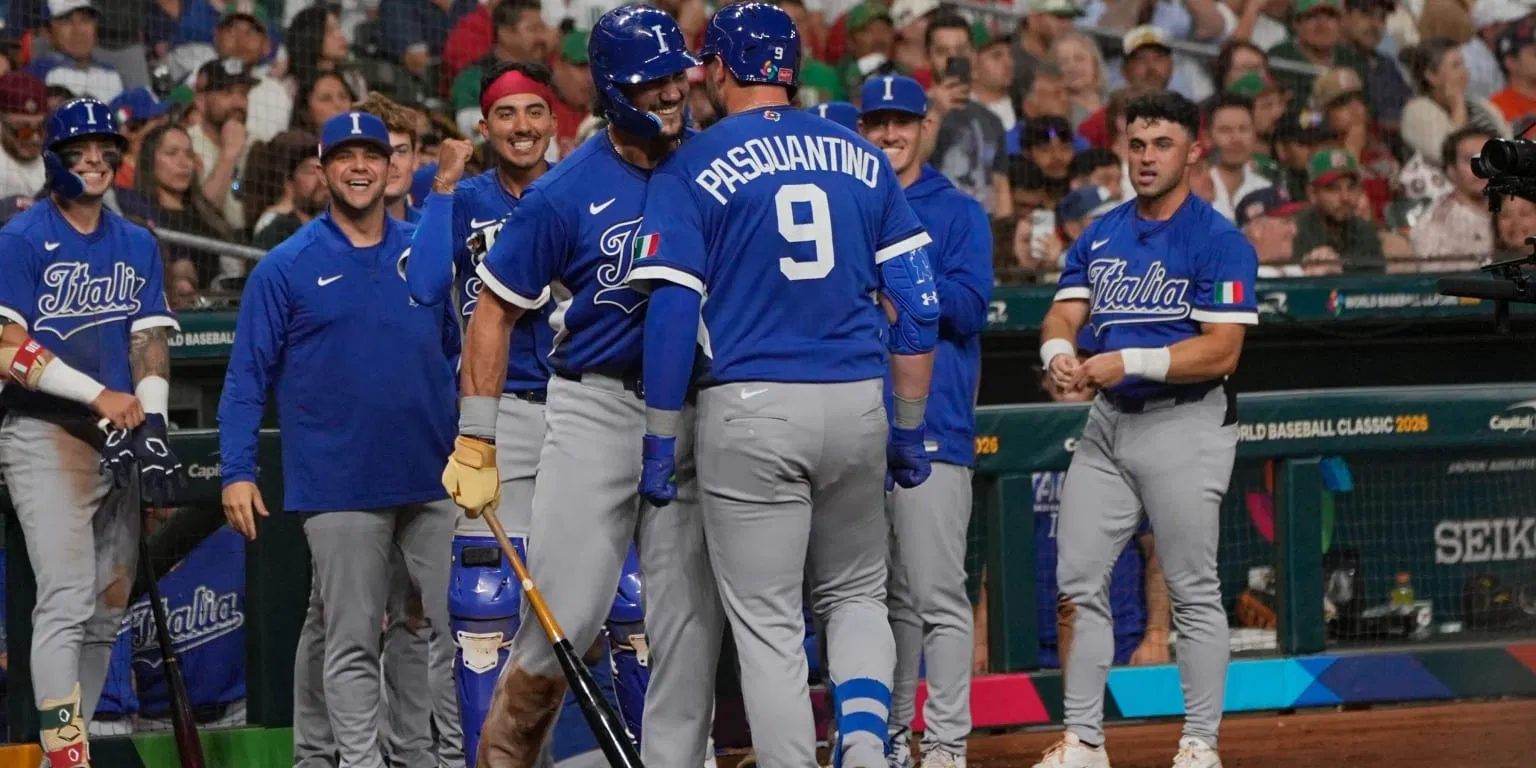
When Italy faced Mexico in the 2026 World Baseball Classic on March 11, the game quickly became one for the history books. Behind a stunning three-home run performance from team captain Vinnie Pasquantino, Italy secured a decisive 9-1 victory, clinching the top seed in Pool B and simultaneously helping Team USA advance to the quarterfinals. This dramatic matchup not only showcased elite international baseball but also highlighted the unique structure and global appeal of the World Baseball Classic—a tournament that brings together the best players from around the globe every four years.

The Historic Italy vs Mexico Game That Captured Attention
On March 11, 2026, at Daikin Park in Houston, Italy and Mexico faced off in a game that would reshape the Pool B standings. Italy, already riding high after an upset win over Team USA, needed a victory to secure the pool's top seed. Mexico, meanwhile, was fighting to keep its quarterfinal hopes alive. What unfolded was a masterclass from Italian first baseman Vinnie Pasquantino, who became the first player in World Baseball Classic history to hit three home runs in a single game. His offensive explosion powered Italy to a 9-1 win, eliminating Mexico from the tournament and securing Team USA's spot in the next round as the pool runner-up. The game drew a crowd of 39,894 and demonstrated the high stakes and intense competition that define the WBC.
Understanding the World Baseball Classic: What It Is and How It Started
The World Baseball Classic is an international baseball tournament that was first conceived by Major League Baseball and the World Baseball Softball Confederation. The inaugural event took place in 2006, created as a response to baseball's removal from the Olympic program after the 2008 Games. The tournament was designed to grow the sport globally by assembling the best professional players to represent their home countries or heritage nations. Held every four years, the WBC has grown in prestige and popularity, with past champions including Japan (2006, 2009), the Dominican Republic (2013), the United States (2017), and Japan again (2023). The 2026 edition marks the sixth iteration of the event, featuring an expanded field of 20 teams.
Tournament Format Explained: Pools, Round-Robin, and Knockout Stages
The World Baseball Classic uses a multi‑stage format that balances round‑robin pool play with single‑elimination knockout rounds. For the 2026 tournament, the 20 qualified teams are divided into four pools of five teams each. Each pool plays a round‑robin schedule, meaning every team faces each of the other four teams in its pool once. The two teams with the best records in each pool advance to the quarterfinals. From there, the tournament shifts to a single‑elimination bracket: eight teams compete in quarterfinal matches, followed by semifinals and a championship game. This structure ensures that every pool game matters while also creating a thrilling knockout phase that crowns a true world champion.
How Teams Qualify for the World Baseball Classic
Qualification for the World Baseball Classic is a two‑tier process. The top four teams from each of the four pools in the previous tournament receive automatic bids for the next edition. For the 2026 WBC, that means 16 teams earned automatic entry based on their performance in 2023. The remaining four spots are filled through regional qualifying tournaments held in the year preceding the main event. These qualifiers are typically double‑elimination or round‑robin events that give emerging baseball nations a chance to compete on the global stage. The qualification system ensures a mix of traditional powerhouses and up‑and‑coming programs, reflecting the tournament's mission to expand baseball's international reach.
Key Rules That Make the WBC Unique
While the World Baseball Classic follows standard baseball rules, it introduces several modifications designed to protect player health and maintain competitive balance. The most notable are pitching restrictions: starters are limited to 65 pitches in the first round, 80 in the second round, and 95 in the championship round. Pitchers also must observe mandatory rest periods based on their pitch counts. Additionally, the tournament uses a mercy rule: if a team leads by 10 or more runs after seven innings (or 6½ if the home team is ahead), the game is called. These rules help manage workloads for professional players who are in the middle of their MLB preseasons while also keeping games competitive and safe.
The Impact and Significance of the Tournament
Beyond crowning a world champion, the World Baseball Classic has become a catalyst for growing baseball's popularity in non‑traditional markets. The tournament gives fans in countries like Italy, Israel, and the Netherlands a chance to see their national teams compete against established powers like the United States, Japan, and the Dominican Republic. It also provides a platform for players to represent their heritage—something vividly illustrated by Vinnie Pasquantino, an American‑born player of Italian descent who became a national hero for Italy. The WBC's global TV coverage and passionate in‑stadium atmospheres have helped baseball gain new followers worldwide, reinforcing the sport's international appeal.
What's Next for the 2026 World Baseball Classic
With the pool stage now complete, the 2026 World Baseball Classic moves into its quarterfinal round. Italy, as the Pool B winner, will face a runner‑up from another pool, while Team USA will take on Canada. The remaining quarterfinal matchups will feature other pool winners and runners‑up, setting the stage for a thrilling finish in Miami. For fans, the tournament offers a chance to see baseball's biggest stars—from Juan Soto to Shohei Ohtani—compete with national pride on the line. And for the sport itself, the WBC continues to be a vital showcase, proving that baseball is truly a global game with a growing, passionate international fanbase.