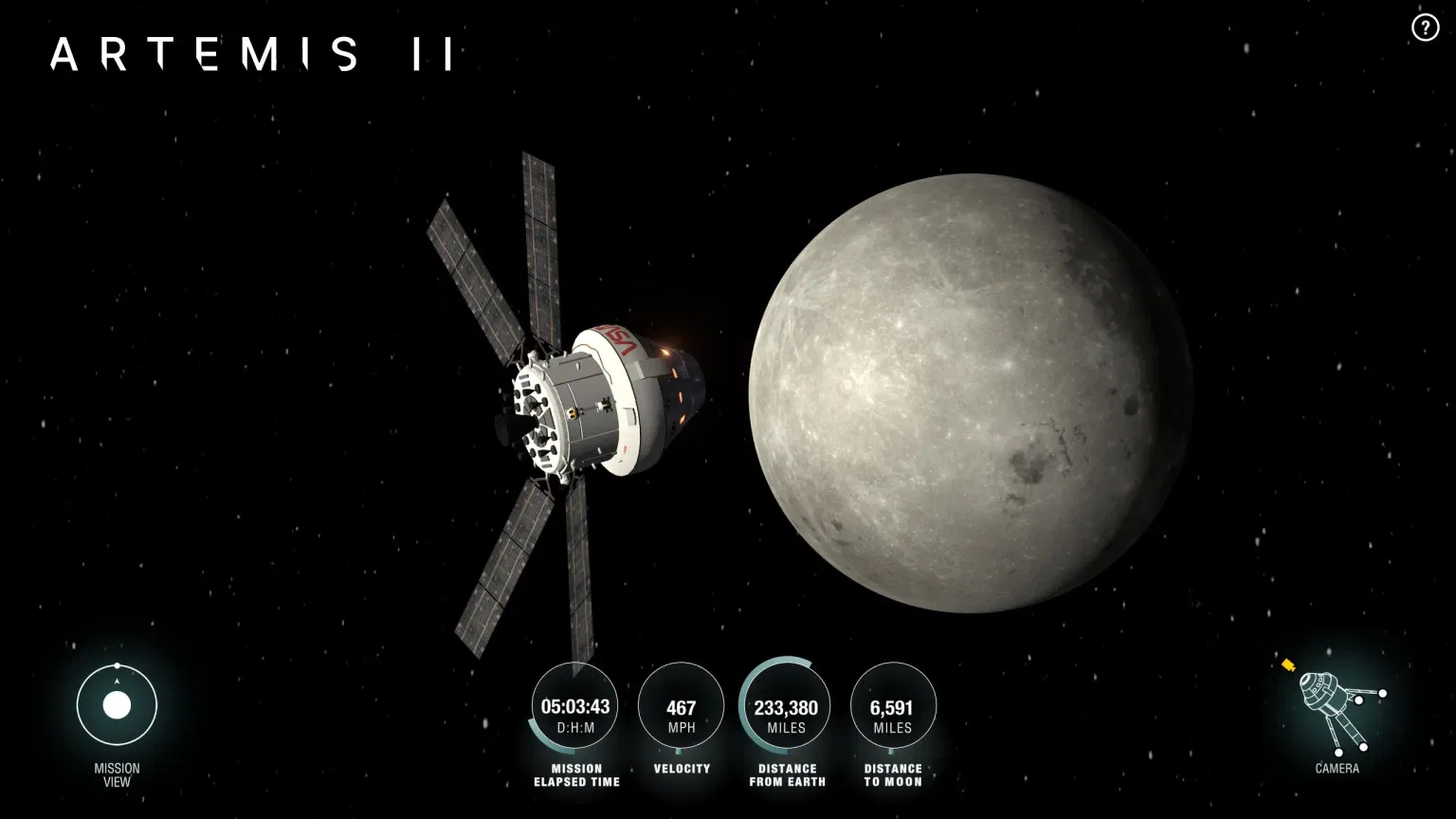
For the first time in over 50 years, humans are venturing beyond low Earth orbit on a historic journey around the Moon. NASA's Artemis II mission carries four astronauts aboard the Orion spacecraft, marking humanity's return to deep space exploration. Unlike the Apollo era when tracking was limited to mission control, today anyone with an internet connection can follow every moment of this groundbreaking journey in real time.
How NASA's Real-Time Tracking System Works
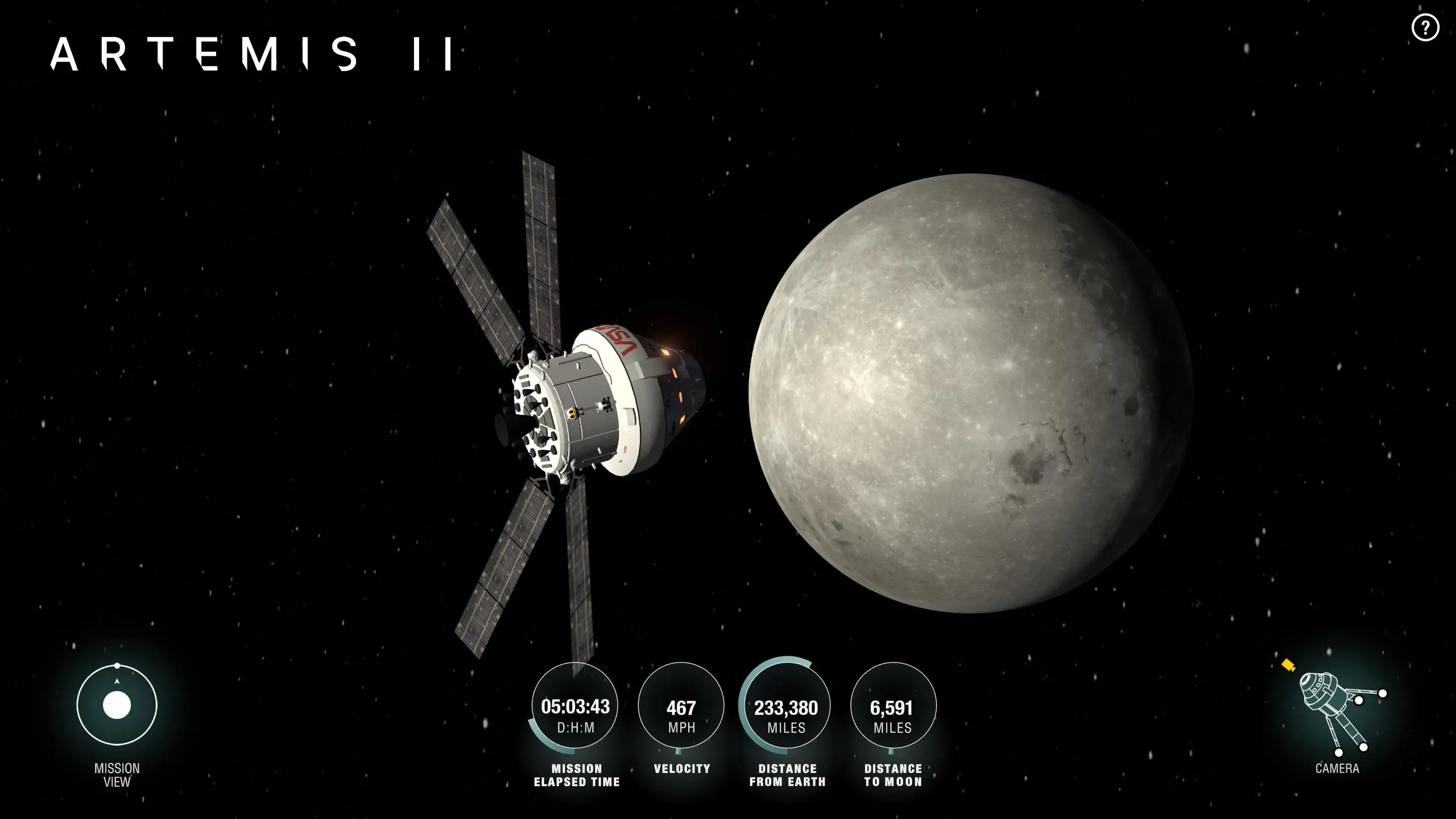
NASA has developed the Artemis Real-time Orbit Website (AROW), an interactive tool that provides live updates on the Orion spacecraft's position, speed, and mission progress. The system uses data from NASA's Deep Space Network—a collection of large radio antennas located around the world—to continuously track the spacecraft's telemetry and transmit it to the public website.
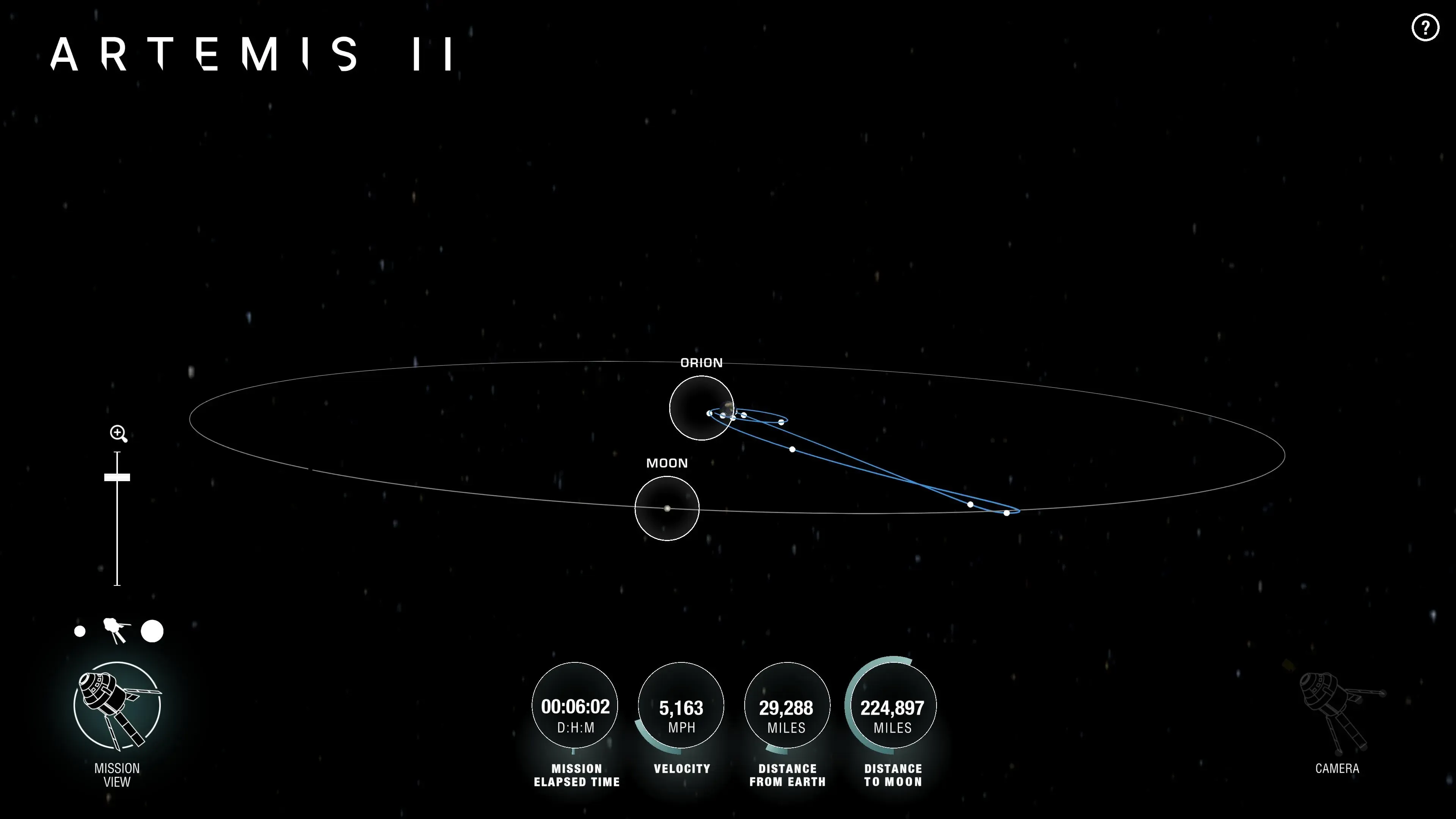
When you visit the AROW website, you'll see three primary elements: Earth, the Moon, and the Orion spacecraft. The tool visualizes their relative positions in space and shows the complete trajectory Orion will follow during its approximately 10-day mission. Real-time data includes the spacecraft's current distance from Earth, distance from the Moon, speed, and mission elapsed time.
Step-by-Step Guide to Using the Artemis Tracker
Tracking the Artemis II mission is straightforward and requires no special equipment. Here's how to get started:
- Visit the official Artemis Real-time Orbit Website at NASA.gov or use the NASA app on your mobile device
- Allow the interactive visualization to load—you'll see a 3D representation of Earth, the Moon, and the spacecraft
- Use your mouse or touchscreen to rotate the view, zoom in and out, and examine different perspectives
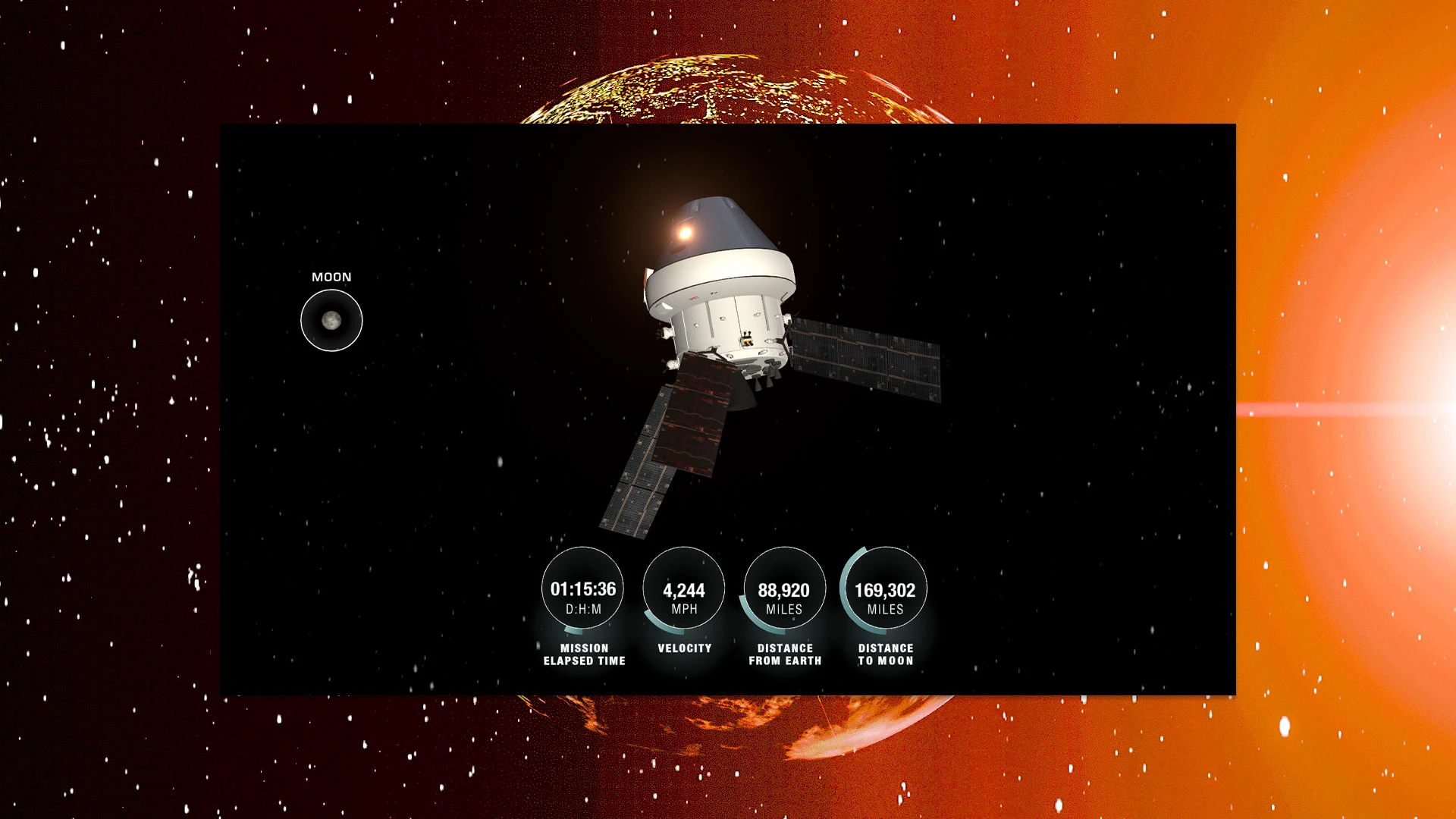
- Check the data panels for real-time metrics including speed (in miles per hour), distance from Earth (in miles), and mission elapsed time
- Toggle between different views using the menu options to see the trajectory path, crew activities, or communication status
The tracking data updates continuously, providing an unprecedented window into human spaceflight. You can watch as Orion performs critical maneuvers like the outbound trajectory correction burn, lunar flyby, and return trajectory adjustments.
What the Tracking Data Tells You About the Mission
NASA's tracking system provides more than just positional information. Each data point tells a story about the challenges and achievements of deep space travel:
- Distance from Earth: As Orion travels toward the Moon, this number grows to nearly 250,000 miles—farther than any human has traveled since the Apollo program ended
- Speed
- Mission Elapsed Time: This counter shows days, hours, and minutes since launch, helping viewers understand mission milestones
- Crew Status: During certain periods, the tracker indicates crew activities like meals, sleep periods, and system checks
The Historical Significance of Artemis II Tracking
The ability for the public to track a lunar mission in real time represents a dramatic shift from the Apollo era. During the 1960s and 1970s, mission updates came through periodic radio and television broadcasts, with detailed tracking limited to NASA facilities. Today's technology allows millions worldwide to participate in the mission simultaneously, creating a shared experience of human exploration.
Artemis II marks several historic firsts: the first crewed mission to the Moon since 1972, the first lunar mission to include a woman and a person of color, and the first to utilize modern digital tracking accessible to the global public. The tracking data itself becomes part of history, documenting humanity's return to deep space exploration.
Alternative Tracking Methods and Third-Party Tools
While NASA's AROW is the official tracking source, several third-party websites and applications also provide Artemis II tracking with additional features:
- Artemis Live Tracker: Offers enhanced visualization with additional telemetry data and historical mission information
- Mission control dashboards: Some educational institutions and space organizations have created their own tracking interfaces with customized data displays
- Mobile applications: Several space-focused apps include Artemis tracking alongside other NASA mission data
- Social media updates: NASA's official social media accounts provide regular updates with screenshots and data highlights from the tracking system
These alternative sources can complement the official NASA tracker by providing different visualizations or additional context about the mission's technical aspects.
Understanding the Technology Behind Spacecraft Tracking
The ability to track a spacecraft 250,000 miles away relies on sophisticated technology and global infrastructure. NASA's Deep Space Network uses massive radio antennas in California, Spain, and Australia to maintain constant communication with Orion. These facilities work in rotation as Earth turns, ensuring uninterrupted tracking coverage.
Data from the spacecraft includes position information from star trackers and inertial measurement units, system status from onboard computers, and even live video feeds during certain mission phases. This information gets processed at NASA centers, converted into the visualizations seen on AROW, and transmitted to the public within seconds—a remarkable feat of modern space communication technology.
Why Public Access to Mission Tracking Matters
Making mission tracking publicly available serves multiple important purposes for NASA and the space community. It increases transparency about government-funded space exploration, inspires future generations of scientists and engineers, and creates educational opportunities for students worldwide. The real-time data allows teachers to incorporate current space missions into their lessons and enables researchers to study mission dynamics as they unfold.
For the astronauts' families and the global public, the tracker provides reassurance during the mission's riskiest phases and creates a sense of shared participation in this historic journey. As Artemis II paves the way for future lunar landings and eventual Mars missions, public tracking systems will continue to play a vital role in engaging humanity in the next chapter of space exploration.
Whether you're a space enthusiast following every data point or a casual observer checking in occasionally, NASA's Artemis tracking system offers an unprecedented window into human spaceflight. As the Orion spacecraft continues its journey around the Moon and back to Earth, this real-time connection to the mission reminds us that space exploration remains one of humanity's greatest collective endeavors—and now, everyone can come along for the ride.