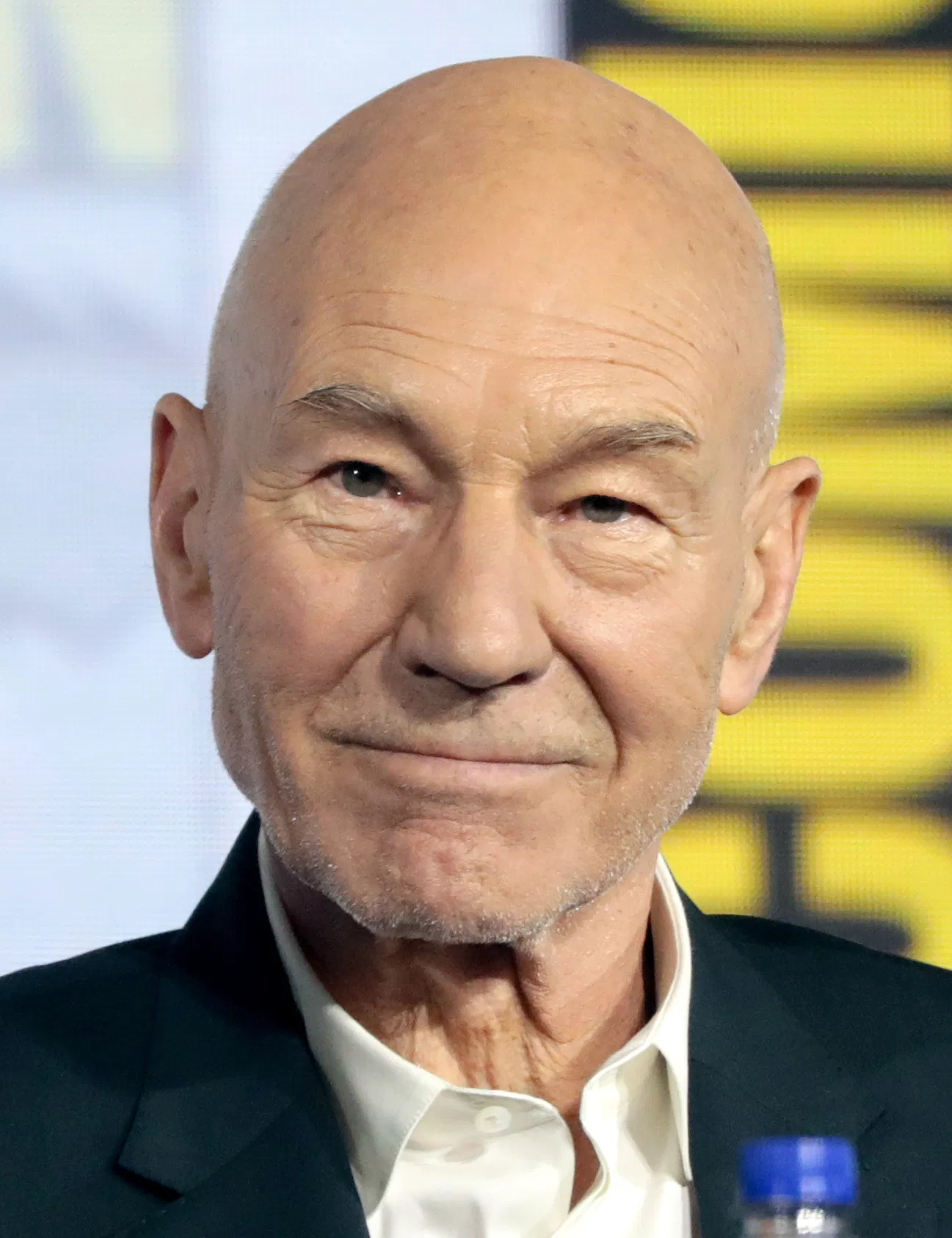
Sir Patrick Stewart, the Yorkshire-born actor who became one of the most recognisable faces of both science fiction and classical theatre, died on October 28, 2026, at his home in Los Angeles. He was 86. Best known for playing Captain Jean-Luc Picard in "Star Trek: The Next Generation" and Professor Charles Xavier in the "X-Men" films, Stewart enjoyed a career that stretched across more than seven decades, from the stages of the Royal Shakespeare Company to the bridge of the Starship Enterprise. His death, which followed what his family described as a battle with Alzheimer's disease and Lewy body dementia, prompted tributes from across the entertainment world, led by his lifelong friend Sir Ian McKellen, who called him "the most respected and beloved actor."
From Mirfield to the Royal Shakespeare Company
Patrick Stewart was born on July 13, 1940, in Mirfield, a market town in West Yorkshire. His childhood was difficult: his father, Alfred, was a British Army regimental sergeant major whose experiences during the Second World War left him with what was then called combat fatigue — now recognised as post-traumatic stress disorder — and he was violent toward Patrick's mother, Gladys, a mill worker. Stewart later spoke openly about witnessing that abuse and became a campaigner against domestic violence.
He left school at 15 to work as a junior reporter and obituary writer on a local newspaper, the Dewsbury Reporter. Theatre had already taken hold of him, however: he had been performing with local amateur drama groups since the age of about 12. Encouraged by a teacher who saw his potential, he left journalism and won a scholarship to the Bristol Old Vic Theatre School, beginning his professional stage career in 1959.
In 1966, Stewart joined the Royal Shakespeare Company, the start of a 27-year association during which he appeared in more than 40 productions. He became a company mainstay, playing Shakespearean clowns such as Touchstone in "As You Like It" and Launce in "The Two Gentlemen of Verona" alongside weightier roles. In 1979 he won his first Laurence Olivier Award, for his performance as Enobarbus in "Antony and Cleopatra."

Timeline: Seven Decades on Stage and Screen
- 1940 — Born July 13 in Mirfield, West Yorkshire, England.
- 1959 — Begins his professional acting career.
- 1966 — Joins the Royal Shakespeare Company.
- 1976 — Plays Sejanus in the BBC series "I, Claudius."
- 1979 — Wins his first Olivier Award, for "Antony and Cleopatra."
- 1984 — Plays Gurney Halleck in David Lynch's "Dune."
- 1987 — Debuts as Captain Jean-Luc Picard in "Star Trek: The Next Generation."
- 2000 — First plays Professor Charles Xavier in "X-Men."
- 2001 — Appointed an Officer of the Order of the British Empire (OBE).
- 2009 — Wins his second Olivier Award, for "Hamlet."
- 2010 — Knighted by Queen Elizabeth II for services to drama.
- 2020–2023 — Reprises Picard in the series "Star Trek: Picard."
- 2026 — Dies at home in Los Angeles on October 28, aged 86.
Becoming Captain Picard and Professor X
Stewart's life changed in 1987, when he was cast as Captain Jean-Luc Picard in "Star Trek: The Next Generation." The role made him a global star: the series ran for seven seasons and four feature films. Stewart's Picard was a departure from the traditional action hero — a thoughtful, erudite diplomat who preferred reflection and diplomacy to phasers and fistfights. It was a performance rooted in his Shakespearean training, and it helped redefine what a television leading man could be. He later returned to the role in "Star Trek: Picard" (2020–2023), exploring the character in later life.
In 2000, Stewart took on a second defining role: Professor Charles Xavier, the powerful telepath who leads the X-Men. Over the following 17 years he returned to the character in films including "X2," "X-Men: The Last Stand" and "Logan" (2017), where his portrayal of an ageing, ailing Xavier earned some of the best reviews of his film career. Between these two franchises he also made memorable appearances as Gurney Halleck in "Dune" (1984), Leondegrance in "Excalibur" (1981) and Ebenezer Scrooge in "A Christmas Carol" (1999).
Awards, Honours and a Knighthood
Stewart's accolades reflected his rare ability to move between the highest reaches of theatre and film. He won two Laurence Olivier Awards — for "Antony and Cleopatra" (1979) and "Hamlet" (2009) — and a Grammy Award, while his one-man stage version of "A Christmas Carol" won the Olivier Award for Best Entertainment. He was also nominated for a Tony Award, three Golden Globe Awards and four Emmy Awards. In 2001 he was appointed an OBE, and in 2010 Queen Elizabeth II knighted him for services to drama. In 2023 he published a bestselling memoir, "Making It So," which won an Audie Award for its audiobook the following year.
A Lifelong Friendship with Ian McKellen
One of the most celebrated aspects of Stewart's life was his friendship with Sir Ian McKellen. The two first crossed paths at the Royal Shakespeare Company — Stewart joined in 1966 and McKellen in 1974 — and their bond deepened over decades of shared work and mutual admiration. McKellen even officiated Stewart's 2013 wedding to the American singer-songwriter Sunny Ozell, Stewart's third wife. Stewart is survived by Ozell and by his two children, Daniel and Sophie, from his first marriage to Sheila Falconer.
Following Stewart's death, McKellen led the tributes, describing his friend as "the most respected and beloved actor" and a "man to admire," and adding that "he wore his heart on his sleeve." West End theatres dimmed their lights in his honour, and tributes poured in from the "Star Trek," "X-Men" and Shakespeare communities alike.
Why Patrick Stewart's Legacy Endures
Stewart's significance lies in his ability to bridge two worlds that rarely meet: the classical stage and blockbuster science fiction. He brought Shakespearean depth to Captain Picard and Professor X, and in turn brought a vast pop-culture audience back to Shakespeare. For millions of viewers he was the face of "Star Trek's" optimistic vision of the future, and for the theatre world he was one of the finest Shakespearean actors of his era. His life story — from a difficult Yorkshire childhood to a knighthood and global fame — remains a testament to determination, talent and the power of opportunity.
The Bottom Line: Key Facts to Remember
- Patrick Stewart was born on July 13, 1940, in Mirfield, West Yorkshire, and died on October 28, 2026, aged 86.
- He left school at 15 to work as a newspaper reporter before winning a scholarship to the Bristol Old Vic Theatre School.
- He joined the Royal Shakespeare Company in 1966 and appeared in more than 40 of its productions.
- He became a global star as Captain Jean-Luc Picard in "Star Trek: The Next Generation" (1987–1994).
- He played Professor Charles Xavier in the "X-Men" films from 2000 to 2017.
- He won two Olivier Awards and a Grammy, and was knighted by Queen Elizabeth II in 2010.
- His lifelong friend Sir Ian McKellen led the tributes following his death.