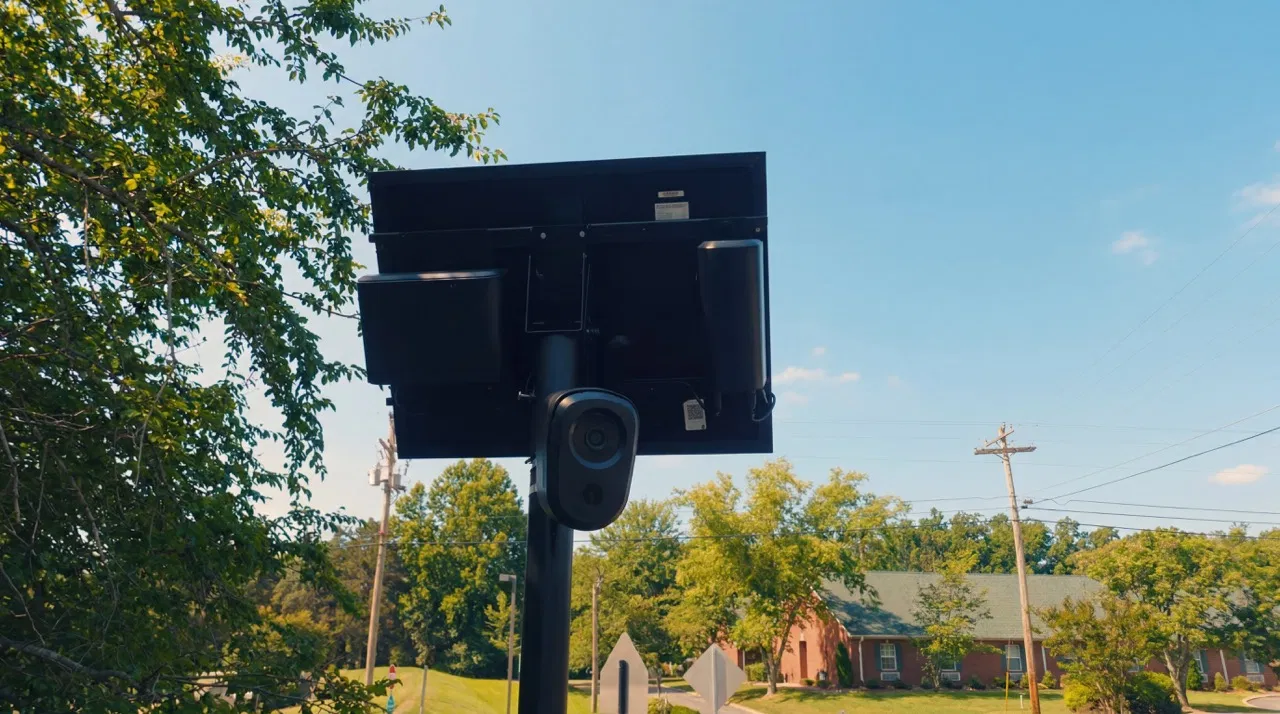
If you've driven through an American neighborhood lately, there's a good chance a Flock camera photographed your license plate without you noticing. Flock Safety — the Atlanta-based company behind the small, solar-powered cameras bolted to poles across the country — says its automated license plate recognition (ALPR) network now scans more than 20 billion vehicles each month in over 5,000 communities across 49 states. That scale has turned a once-obscure question into a mainstream one: "Have I been flocked?" Here's what Flock cameras actually are, how the technology works, what data it captures, and how you can check whether your plate is in the system.
What Are Flock Cameras?
Flock cameras are automated license plate readers made and operated by Flock Safety, a privately held surveillance company founded in 2017 by three Georgia Tech alumni: Garrett Langley, Paige Todd, and Matt Feury. What began as a side project — the founders reportedly built their first cameras by hand around Langley's dining room table — has grown into one of the largest privately run surveillance networks in the United States.
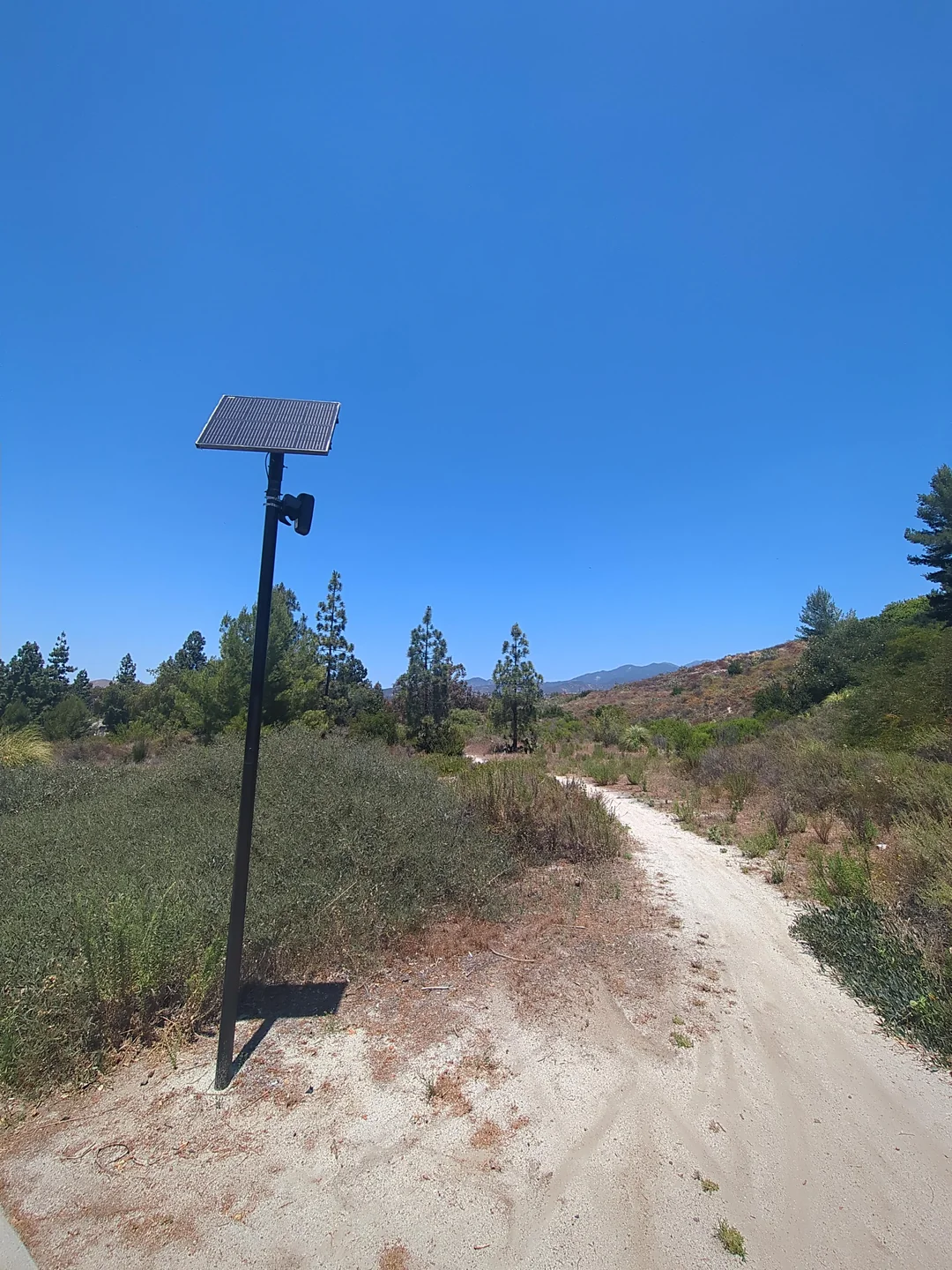
The company sells its hardware primarily to law enforcement agencies, homeowner associations, and private property owners, marketing it as a tool for crime prevention and investigation. Its product lineup includes the "Falcon" and "Sparrow" fixed cameras, plus video surveillance and gunshot-detection systems. As of 2025, Flock had raised roughly $950 million in venture funding at a $7.5 billion valuation, employed about 1,500 people, and counted more than 6,000 municipalities as customers.
Inside the Camera: How Flock Reads Your Plate
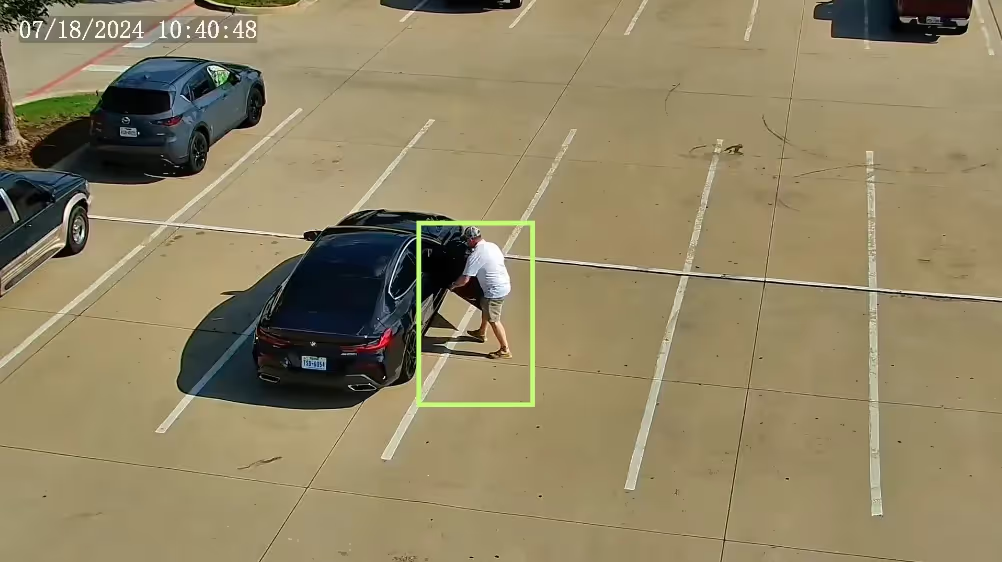
The core function of a Flock camera is deceptively simple: photograph the rear of every passing vehicle, then extract as much identifying information as possible. According to an analysis by The Center for Human Rights and Privacy, the Falcon and Sparrow cameras use computer vision to read each vehicle's license plate and identify other distinguishing features such as the make, model, and color of the car.
That data is then transmitted over a cellular network to Flock's central servers, where each scan is logged with a timestamp and GPS location in a searchable database. The system automatically compares every result against the FBI's National Crime Information Center (NCIC) database and state and local police "hot lists" of wanted or stolen vehicles. When a match appears, an alert is sent to the relevant law enforcement agency.
Critically, Flock's own marketing materials show that the cameras are capable of tracking individual people — not just cars — and the company has continued to broaden the types of data it captures, including a pilot for acoustic "distress detection" that listened to human voices (a rollout Flock later ended after pushback).
How Accurate Are Flock Cameras? The Error Problem
For all the sophistication of its software, Flock's cameras are far from infallible. A 2021 study by the surveillance research firm IPVM found roughly a 10% error rate in the Falcon camera's output — a finding Flock disputed while halting sales to IPVM. Those errors have real-world consequences: misread plates have led to wrongful arrests in several cities.
In 2026, Business Insider reported that a driver in Roseville, California, was repeatedly pulled over because Flock kept misidentifying a single character on his license plate. A local police analysis found that 71% of the 1,427 stolen-vehicle or felony alerts Flock sent in 2023 and 2024 were incorrectly identified plates — while the system also missed vehicles that actually were involved in crimes.
Security researchers have flagged serious vulnerabilities as well. In 2025, a series of flaws were identified in Flock cameras, including hardcoded credentials, cleartext storage of code, and an enabled debug interface. Separately, researchers found a misconfiguration that allowed anyone to access live camera feeds and administrator panels on Flock's Condor line. Flock said those issues required physical access to the device, or affected only a limited number of units, and had been remedied.
"Have I Been Flocked?" — How to Check Your Plate
The phrase "have I been flocked" has gone from niche slang to a full-fledged website: Have I Been Flocked? (haveibeenflocked.com), a free tool built by the privacy advocacy collective DeFlock. Modeled loosely on the "Have I Been Pwned" breach checker, the site lets anyone type in a license plate number to see whether that plate has appeared in Flock's records — and it displays a running tally of roughly 4.7 million plates and more than 240 million Flock searches that researchers have documented.
The site goes further than a simple lookup. It publishes "Featured Reports" that measure how agencies are using Flock data, including a First Amendment Report (tracking searches tied to protests, journalists, and religious gatherings) and an Immigration Report (tracking searches that reference immigration enforcement or ICE coordination). DeFlock has also organized a "National Week of Action Against ALPRs" to encourage communities to push back on the technology.
The Privacy Debate: Why Critics Call It Mass Surveillance
Civil liberties groups such as the ACLU and the Electronic Frontier Foundation argue that Flock's network amounts to mass surveillance. The concern isn't only that cameras photograph every car, but that the resulting database creates a detailed, searchable record of where individual people have traveled — effectively a tracking device aimed at the entire public.
That argument has begun to win in court. In June 2024, a judge in Norfolk, Virginia, ruled that collecting location data from the city's 172 Flock cameras constitutes a "search" under the Fourth Amendment and cannot be used as evidence without a warrant, likening the database to the GPS tracking deemed unconstitutional in United States v. Jones.
Political pushback has followed. In June 2025, a coalition of more than 30 community groups successfully pressured Austin, Texas, to cancel its Flock contract after an audit found that over 20% of the police department's ALPR searches lacked proper documentation. Oakland, California, rejected a $2 million Flock contract in November 2025 over concerns the data could be used for immigration enforcement — a fear sharpened by reporting that a Texas officer used license plate cameras to track down a woman who had obtained an abortion. Amazon's Ring even scrapped a planned Flock partnership in February 2026 following backlash to a Super Bowl ad.
Where Things Stand Now
Flock continues to grow even as scrutiny intensifies. The company says it operates in more than 5,000 communities and has expanded into drones after acquiring Aerodome in 2024, with its CEO telling Forbes the goal is to "eliminate all crime in America." Yet a growing number of cities are pausing, cancelling, or renegotiating their Flock contracts over privacy, accuracy, and civil liberties concerns.
For individual drivers, the practical question is whether any of this affects you day to day. If you want to know whether your own travels have been logged, Have I Been Flocked? offers a starting point — though privacy advocates caution that the tool only covers records researchers have been able to obtain, and the most reliable way to limit your exposure is to support local policies that restrict how long plate data is kept and who is allowed to search it.
The Bottom Line: Key Points to Remember
- Flock cameras are solar-powered ALPR readers that photograph the rear of every passing vehicle and log the plate, make, model, color, time, and location.
- The company says it scans more than 20 billion vehicles a month across 5,000+ U.S. communities.
- Independent testing has found error rates around 10%, and misreads have caused wrongful arrests.
- "Have I Been Flocked?" lets you check whether your license plate appears in documented Flock records.
- Courts and cities are increasingly treating Flock's database as a Fourth Amendment "search" that requires a warrant.