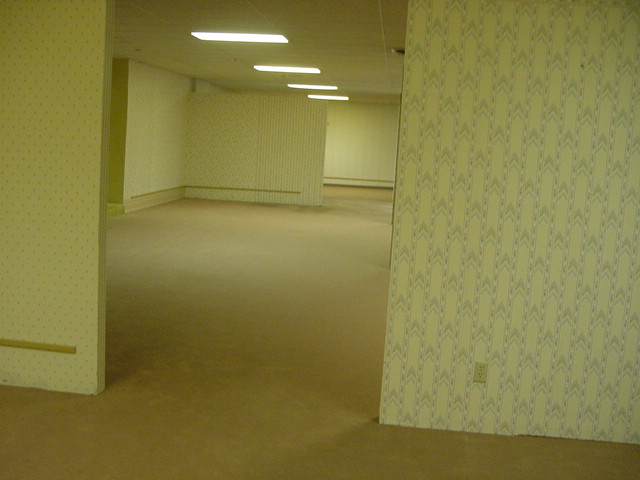
If you've spent any time on the internet in the last few years, you've likely stumbled across an image of a seemingly endless yellow room with buzzing fluorescent lights and cheap carpet. It's unsettling, familiar, and strangely compelling — and it's the face of one of the internet's most fascinating horror phenomena: the Backrooms. But what exactly are the Backrooms? How did a single photograph posted on an anonymous message board evolve into a full-blown cultural phenomenon, complete with a Hollywood movie from acclaimed studio A24? Let's step inside and explore the world behind the yellow wallpaper.
How It Began: A Single Image on 4chan
The story of the Backrooms begins on May 12, 2019, on the paranormal board (/x/) of the anonymous imageboard 4chan. An unknown user started a thread asking others to "post disquieting images that just feel 'off'" and attached a photograph: a slightly tilted view of a large, carpeted room with pale yellow wallpaper, fluorescent ceiling lights, and dividing walls. There were no windows, no furniture, and no people.
The next day, another anonymous user replied to the thread, giving the image its name and supplying what would become the defining description of the Backrooms:
"If you're not careful and you noclip out of reality in the wrong areas, you'll end up in the Backrooms, where it's nothing but the stink of old moist carpet, the madness of mono-yellow, the endless background noise of fluorescent lights at maximum hum-buzz, and approximately six hundred million square miles of randomly segmented empty rooms to be trapped in. God save you if you hear something wandering around nearby, because it sure as hell has heard you."
"Noclipping" is a term borrowed from video games, referring to when a player passes through a wall or floor due to a programming glitch. The idea that one could accidentally glitch out of reality into this desolate, endless space struck a nerve. The Backrooms were born.
Timeline: From Creepypasta to Cultural Phenomenon
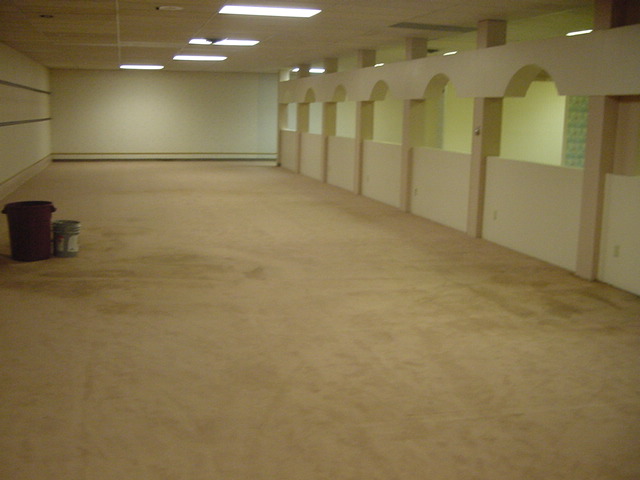
2002 — The photograph that would become the Backrooms is taken during the renovation of a former furniture store at 807 Oregon Street in Oshkosh, Wisconsin. The building was being converted into a HobbyTown USA location. The photo was captured on a Sony Cyber-shot camera on June 12, 2002, and documented on a renovation blog in March 2003.
May 12, 2019 — An anonymous user posts the photo on 4chan's /x/ board. The next day, another user names it "The Backrooms" and writes the iconic description. The creepypasta goes viral.
2019–2021 — Internet users expand the concept on Reddit (r/backrooms reaches over 157,000 members by March 2022), creating additional "levels" and "entities." Wikis emerge on Fandom and Wikidot as fans build an elaborate collaborative mythology.
January 2022 — 17-year-old filmmaker Kane Parsons uploads his first Backrooms short film to YouTube. The video, which uses analog horror aesthetics and found-footage style, quickly goes viral with millions of views.
2022–2024 — Parsons continues his YouTube series, and the Backrooms concept spreads across TikTok, Twitter, and other platforms. The #liminalspaces hashtag amasses nearly 100 million views on TikTok.
May 2024 — A Backrooms-dedicated Discord community finally traces the original image's origin to the HobbyTown USA renovation blog in Oshkosh, Wisconsin, solving a five-year mystery.
2025 — A24 announces it has greenlit a feature-length Backrooms film directed by Kane Parsons, making the 19-year-old the youngest director in A24's history.
May 29, 2026 — The Backrooms film, starring Chiwetel Ejiofor, Renate Reinsve, and Mark Duplass, is released in theaters nationwide.
The Lore: Levels, Entities, and Collaborative Worldbuilding
One of the most remarkable aspects of the Backrooms is how it evolved from a single paragraph into an elaborate shared universe built entirely by internet users. Much like the SCP Foundation before it, the Backrooms became a collaborative writing project where anyone could contribute new ideas.
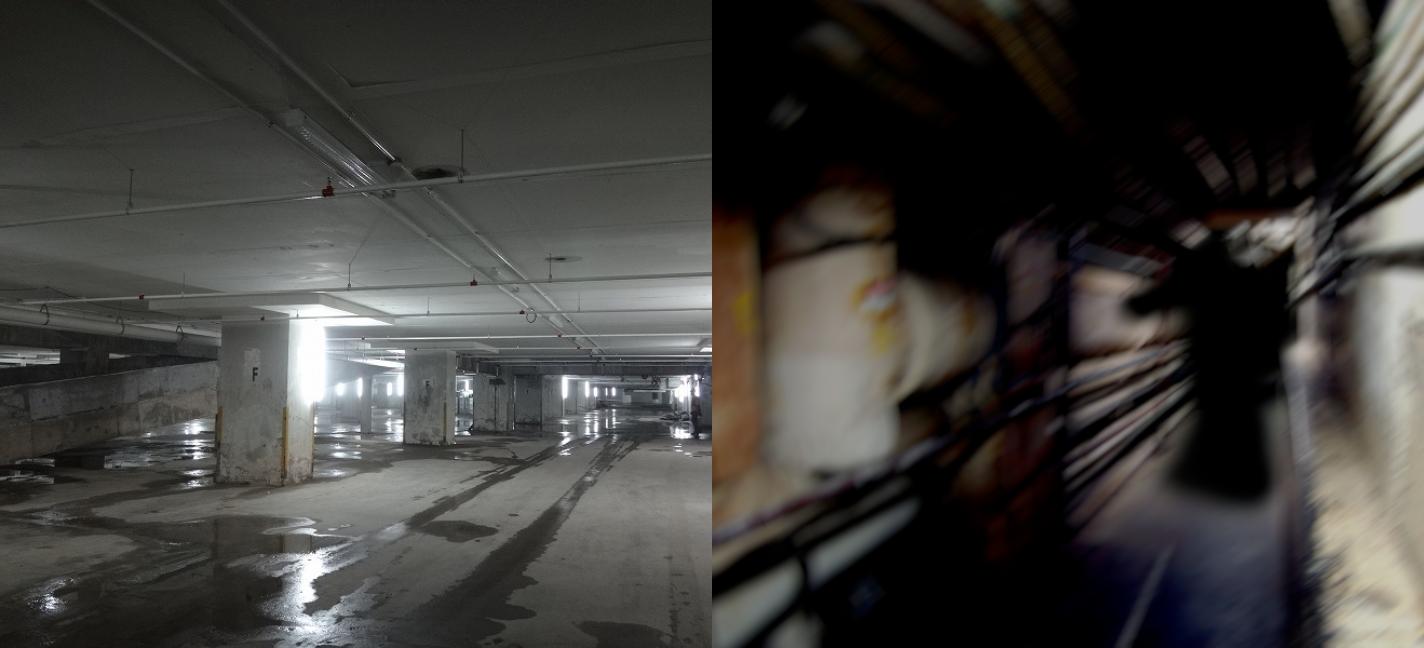
The original concept described only one endless yellow room. But fans quickly expanded this into a multi-level dimension. The first level (Level 0) is the original yellow office maze. Level 1 is a dark, endless parking garage. Level 2 is a long maintenance tunnel with pipes running along the walls. As the lore grew, so did the number of levels — some wikis now catalog over 1,000 distinct levels, each with unique characteristics, dangers, and rules.
Alongside the levels came "entities" — hostile creatures that inhabit the Backrooms. These range from vaguely humanoid figures to formless shadows to creatures that mimic human voices. The original creepypasta warned readers that something was "wandering around nearby," and the fandom has since fleshed out dozens of distinct entity types, each with their own behaviors and threat levels.
The Conversation notes that the Backrooms represent "the internet horror world built by its users," describing it as a uniquely democratic form of storytelling where the line between creator and audience dissolves. Unlike traditional horror franchises controlled by studios, the Backrooms belong to everyone — and anyone can add to the mythos.
Why the Backrooms Work: The Psychology of Liminal Horror
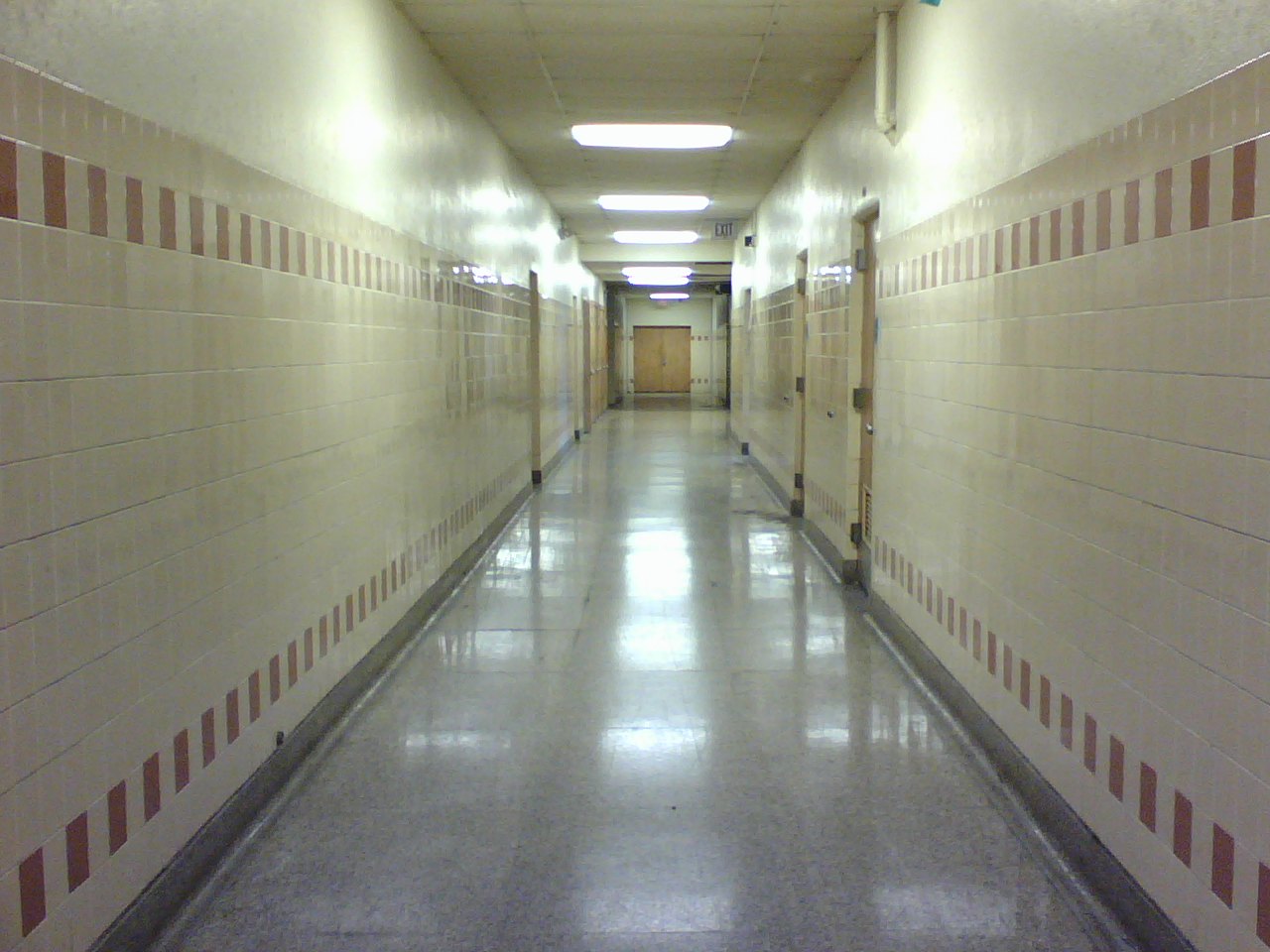
The Backrooms phenomenon taps into a specific type of unease that psychologists and media scholars call "liminal horror." A liminal space is a place of transition — hallways, waiting rooms, empty parking lots, abandoned malls — locations that are meant to be busy but are depicted as unnaturally empty. These spaces feel familiar yet deeply wrong.
"The Backrooms are the subconscious of the modern world," wrote Forbes culture critic Dani Di Placido. The concept plays on the universal experience of being in an empty office building or school hallway after hours — a place that should be full of life but is instead silent and still. The yellow wallpaper, buzzing fluorescent lights, and endless identical rooms create what Paste magazine described as "a fungal, sickly yellow" atmosphere that symbolizes caution, deterioration, and existential distress.
PC Gamer compared the Backrooms' multi-level structure to the cosmic horror of H.P. Lovecraft, noting that both tap into the fear of vast, unknowable spaces. But the Backrooms have a distinctly modern flavor — born from internet culture, video game mechanics (noclipping), and the collective anxiety of a generation that spends increasing amounts of time in digital, liminal spaces.
Kane Parsons and the YouTube Breakthrough
While the Backrooms spread steadily through Reddit and wiki communities in 2019–2021, it remained a relatively niche internet curiosity until January 2022. That's when Kane Parsons, a then-17-year-old filmmaker from Virginia, uploaded his first Backrooms short film to YouTube.
Parsons took a radically different approach from the sprawling wiki mythology. Instead of Levels and Entities, he opted for an "analog horror" aesthetic — grainy footage, dated camera equipment, and a pseudo-scientific framing that made the horror feel disturbingly real. His first video, simply titled "The Backrooms (Found Footage)," shows a teenage filmmaker navigating the yellow maze with a camcorder. It has been viewed tens of millions of times.
According to Variety, Parsons decided to create his own vision of the Backrooms rather than adapt existing fan lore. "Instead of following the sprawling Backrooms Wiki mythology, Kane Parsons decided to go the analog horror route, opting for a more pseudo-scientific approach that grounds the horror in realism," the outlet reported. His series introduced the concept of the "Async Research Institute," a fictional research organization that discovered the Backrooms through experimental technology.
Parsons' YouTube series quickly became the definitive visual interpretation of the Backrooms. His videos caught the attention of A24, the prestigious independent studio behind films like Hereditary, Midsommar, and Everything Everywhere All At Once. By age 19, Parsons had become the youngest director ever signed by A24.
The A24 Film: Backrooms Hits Theaters
The Backrooms feature film, released on May 29, 2026, represents a remarkable journey from anonymous 4chan post to Hollywood blockbuster. Directed by a 20-year-old who first explored the concept on his YouTube channel at age 17, the film stars Oscar-nominated actors Chiwetel Ejiofor and Renate Reinsve alongside Mark Duplass.
The film follows Clark (Ejiofor), a small-town theorist who uncovers a hidden dimension behind reality — one tied to years of unexplained vanishings. Ejiofor's character discovers a strange doorway that appears in the basement of a furniture showroom, leading him into the nightmarish otherworld of the Backrooms. USA Today called it "the wild story of how an anonymous internet comment spawned a highly anticipated horror movie."
Reviews have praised Parsons' ability to translate the uniquely digital horror of the Backrooms to the big screen while maintaining the eerie atmosphere that made the original concept so compelling. The film makes the "Backrooms" one of the most successful creepypasta-to-film adaptations ever, following in the footsteps of Slender Man — though with considerably more critical acclaim.
Where the Backrooms Stand Today
As of 2026, the Backrooms have firmly entered the mainstream. The original photograph — once a mysterious, anonymous image on 4chan — has been definitively traced to its source: a HobbyTown USA renovation blog from 2003. The room's original layout is long gone, having been converted into a radio-controlled car racing track called Revolution Racing.
Meanwhile, the Backrooms continue to evolve as a collaborative creative project. The Wikidot wiki houses thousands of user-submitted levels, entities, and storylines. Kane Parsons has hinted at potential sequels to his A24 film, and the YouTube series continues to be a touchstone for analog horror creators.
The Backrooms phenomenon has also left its mark on academia. Scholars have analyzed it as a case study in digital folklore, collaborative storytelling, and the psychology of internet-age horror. The Conversation published an article calling it "the internet horror world built by its users," noting that the Backrooms represent a new form of collective mythmaking unique to the digital age.
What's Next for the Backrooms
Kane Parsons has already discussed plans for future installments in interviews with Variety, suggesting the Backrooms universe could expand across multiple films. With A24's backing and the enormous built-in fanbase, the Backrooms franchise seems poised for continued growth.
On the fan-created side, the wiki communities continue to expand the mythology, adding new levels and refining the collaborative canon. Video game adaptations — both official and fan-made — have proliferated, with several Backrooms games available on platforms like Steam and itch.io.
The cultural impact of the Backrooms is undeniable. What began as a single eerie photograph and a paragraph of haunting prose has become one of the defining internet horror phenomena of the 21st century — a testament to the power of collective creativity in the digital age.
Key Takeaways: Everything You Need to Know About the Backrooms
- Origin: The Backrooms began with a 2019 4chan post featuring a photograph of an empty yellow room, described as an endless dimension you enter by "noclipping" out of reality.
- The Image: The iconic photo was taken in 2002 during a HobbyTown USA store renovation in Oshkosh, Wisconsin. Its origin was a mystery until 2024.
- Community Lore: Fans have expanded the concept into hundreds of interconnected "levels" inhabited by hostile "entities," creating one of the internet's largest collaborative fiction projects.
- YouTube Fame: Kane Parsons' 2022 analog horror short films brought the Backrooms to mainstream attention, amassing millions of views.
- Hollywood Adaptation: A24 released a feature film directed by Parsons in May 2026, starring Chiwetel Ejiofor and Renate Reinsve.
- Cultural Impact: The Backrooms helped popularize the "liminal space" aesthetic and represent a new form of collaborative, internet-native horror storytelling.