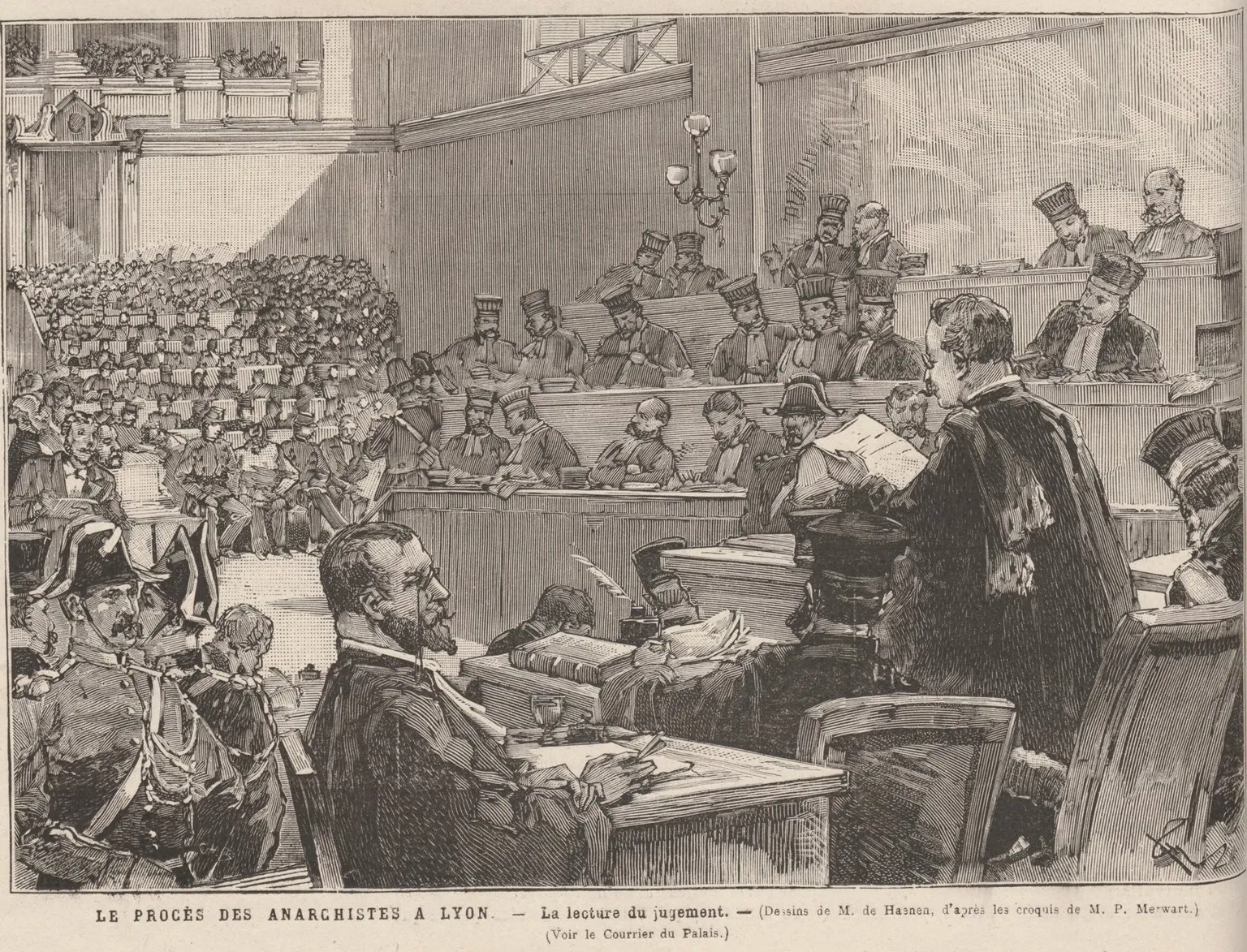
A mistrial means a trial has been stopped before a jury reaches a verdict, leaving the case without a formal outcome. When a judge declares a mistrial, there is no finding of guilt or innocence — the proceedings simply end, and the matter usually returns to the starting line. Courts declare mistrials for two broad reasons: the jury is hopelessly deadlocked and cannot agree on a verdict, or something serious went wrong during the trial, such as misconduct or a procedural error, that would make a fair outcome impossible. Understanding what a mistrial is helps explain why some cases drag on for years, restarting with fresh juries and new arguments.
What a Mistrial Actually Means
The Legal Information Institute at Cornell Law School defines a mistrial as what happens when a jury is unable to reach a verdict and a new trial with a new jury becomes necessary — or when a serious procedural error or misconduct would result in an unfair trial, prompting the judge to end the case without a decision "on the merits" and order a new trial.
In everyday language, a mistrial is a do-over trigger. The word combines "mis" (meaning wrong or failed) with "trial," signaling that the first attempt at resolving the case failed before it could be completed. Crucially, a mistrial is not a verdict: the defendant is neither convicted nor acquitted, and the underlying charge or dispute remains open.
Mistrials can happen in both criminal and civil cases. In a criminal case, a mistrial means the defendant has not been found guilty; in a civil case, it means neither side has won. Either way, the slate is effectively wiped clean for a potential retrial.
Mistrial vs. Acquittal vs. Dismissal: What's the Difference
These three outcomes sound similar but are very different. An acquittal is a verdict of "not guilty" that ends the case permanently — the defendant cannot be retried on the same charge because of double jeopardy protections. A dismissal is when the judge throws the case out, often for a legal defect, and depending on the type of dismissal it may or may not be refiled. A mistrial is neither: no verdict was reached at all, so the case is generally left open and can be brought back to court with a new jury.
Why Judges Declare Mistrials: The Most Common Causes
Judges are cautious about declaring mistrials because they are disruptive, expensive, and emotionally taxing for everyone involved. They typically act only when continuing the trial would violate a party's right to a fair process. According to Cornell Law School and other legal references, the most common grounds for a mistrial include:
- A hung jury. The jury cannot reach the unanimous verdict required in a criminal trial and reports that it is deadlocked.
- Improperly admitted evidence. Prejudicial evidence is introduced that should not have been allowed, and no instruction from the judge can undo the damage.
- Misconduct. Misconduct by the court, the lawyers, the parties, the witnesses, or a juror compromises the fairness of the trial.
- Jury problems. A juror is disqualified after being seated, or a juror becomes ill or dies, and no alternate is available to replace them.
- New evidence or lack of jurisdiction. A court discovers it lacks authority over the case, or critical new evidence surfaces that could change the outcome.
- Illness or death of an attorney. If a key lawyer or judge cannot continue, the trial may have to be abandoned.
Under Federal Rules of Criminal Procedure Rule 26.3, before a judge orders a mistrial, the court must give each defendant and the government a chance to comment on whether the mistrial is appropriate and to state whether they consent or object. This safeguard helps ensure that a mistrial is not used improperly.
How a Hung Jury Turns Into a Mistrial
The hung jury is the most well-known path to a mistrial. In the United States, criminal juries must reach a unanimous verdict to convict. That rule was reinforced in 2020, when the U.S. Supreme Court held in Ramos v. Louisiana that a unanimous jury is required to convict in any criminal offense that requires a jury trial. If even one juror refuses to agree with the other eleven, the jury is "hung."
When a jury reports that it is deadlocked, judges do not usually declare a mistrial right away. Many jurisdictions allow the judge to deliver an "Allen charge" — sometimes called a dynamite charge — which urges the jurors to keep deliberating and to listen to one another's views in an effort to reach a verdict. Only if the jury remains stuck after further deliberation will the judge declare a mistrial on the basis of a hung jury.
A hung jury can also be partial. In a criminal trial, if the jury reaches a verdict on some charges but deadlocks on others, the resolved counts stand, while the deadlocked charges may be retried later at the prosecution's discretion.
What Happens After a Mistrial Is Declared
Once a mistrial is declared, the jury is dismissed and the current trial ends. But the case itself does not necessarily disappear. The prosecution in a criminal case — or the plaintiff in a civil case — generally has the right to retry the case with a new jury.
The reason a retrial is usually allowed comes down to double jeopardy. The constitutional protection against double jeopardy bars the government from prosecuting someone twice for the same offense after an acquittal or conviction. But because a mistrial produces no verdict, double jeopardy typically does not attach, and the case can be brought again. Either side may file a motion requesting a mistrial, and a judge may declare one on their own initiative when they believe a fair trial is no longer possible.
There are limits, however. If a judge declares a mistrial over the defendant's objection without a legitimate reason, or if prosecutorial misconduct was intended to provoke the defendant into requesting a mistrial, a retrial may be barred. In practice, prosecutors weigh the cost, delay, and likelihood of success before deciding whether to retry a case, and many cases end in plea deals or dismissal after a mistrial.
The Bottom Line: Key Points to Remember
- A mistrial ends a trial without a verdict, so the defendant is neither convicted nor acquitted.
- The two main triggers are a hung jury (a deadlocked jury) and serious error or misconduct that makes a fair trial impossible.
- Common grounds include improperly admitted evidence, juror or attorney misconduct, juror illness or death, and lack of jurisdiction.
- After a mistrial, the case can usually be retried with a new jury because double jeopardy does not attach when no verdict was reached.
- Judges generally try to salvage a deadlocked jury first — for example, with an Allen charge — before declaring a mistrial.