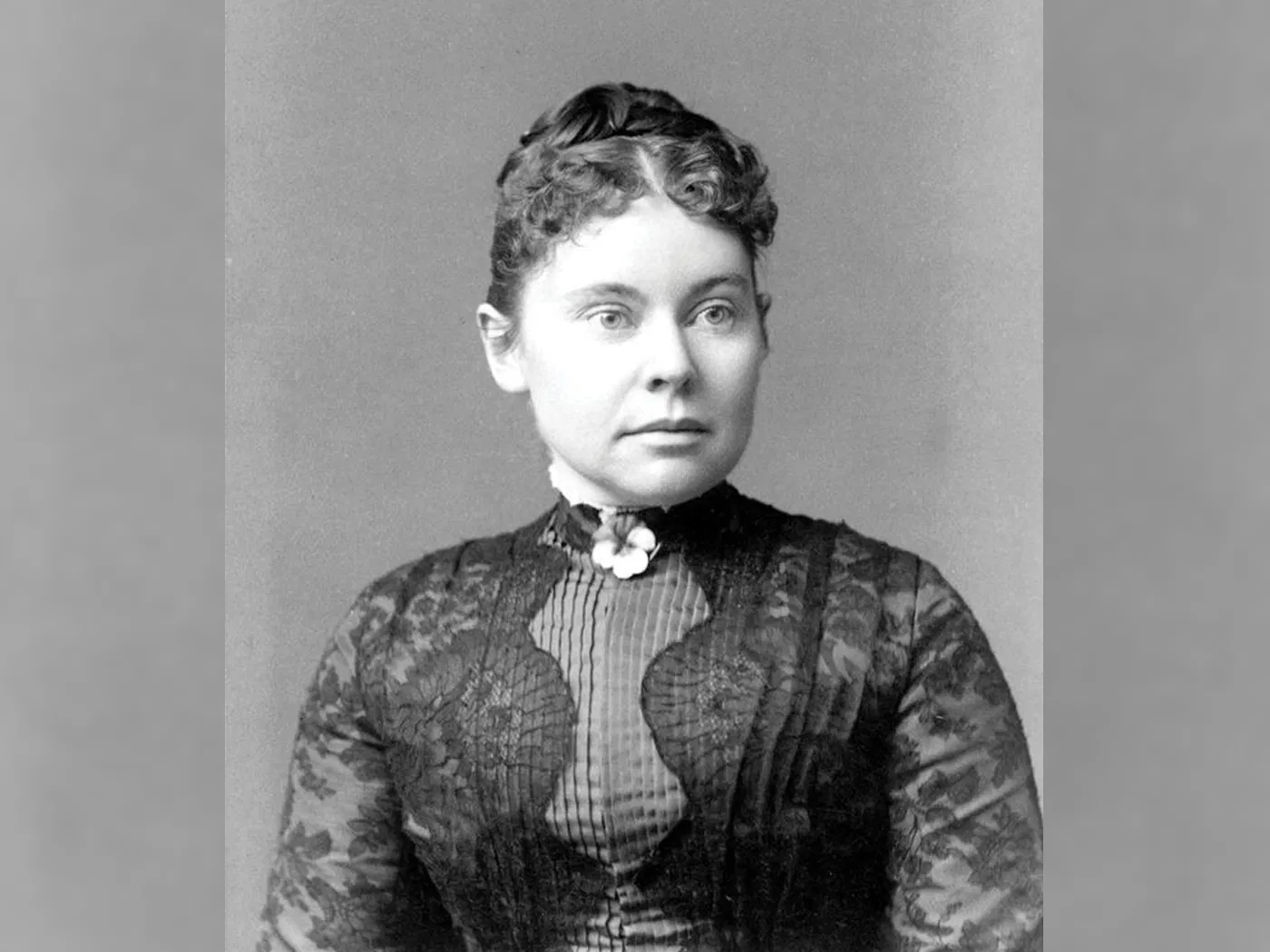
On the morning of August 4, 1892, the body of Andrew J. Borden — a wealthy but famously frugal businessman — was found slumped on a sofa in the sitting room of his Fall River, Massachusetts home, his face hacked nearly beyond recognition. Upstairs, his wife Abby lay dead in a guest bedroom, struck at least 18 times with a hatchet. The only person ever tried for the killings was Andrew's 32-year-old daughter, Lizzie Borden. Yet after a sensational trial, an all-male jury acquitted her in roughly 90 minutes. More than 130 years later, the question of what really happened in the Lizzie Borden case remains one of America's most enduring true-crime mysteries.
Who Was Lizzie Borden?
Lizzie Andrew Borden was born on July 19, 1860, in Fall River, Massachusetts, the third daughter of Andrew Jackson Borden and Sarah Anthony Morse Borden. Her mother died in 1863, and a second sister, Alice, had already died in infancy, leaving Lizzie to be raised alongside her older sister Emma. Andrew remarried a woman named Abby Durfee Gray, who became the girls' stepmother.
Andrew Borden made his fortune manufacturing and selling furniture and caskets before becoming a successful property developer, bank president, and textile-mill director. At the time of his death, his estate was valued at around $300,000 — a fortune in 1892. Yet he was notoriously tight-fisted: the family home at 92 Second Street had no indoor plumbing, even though running water was common among the wealthy by then.
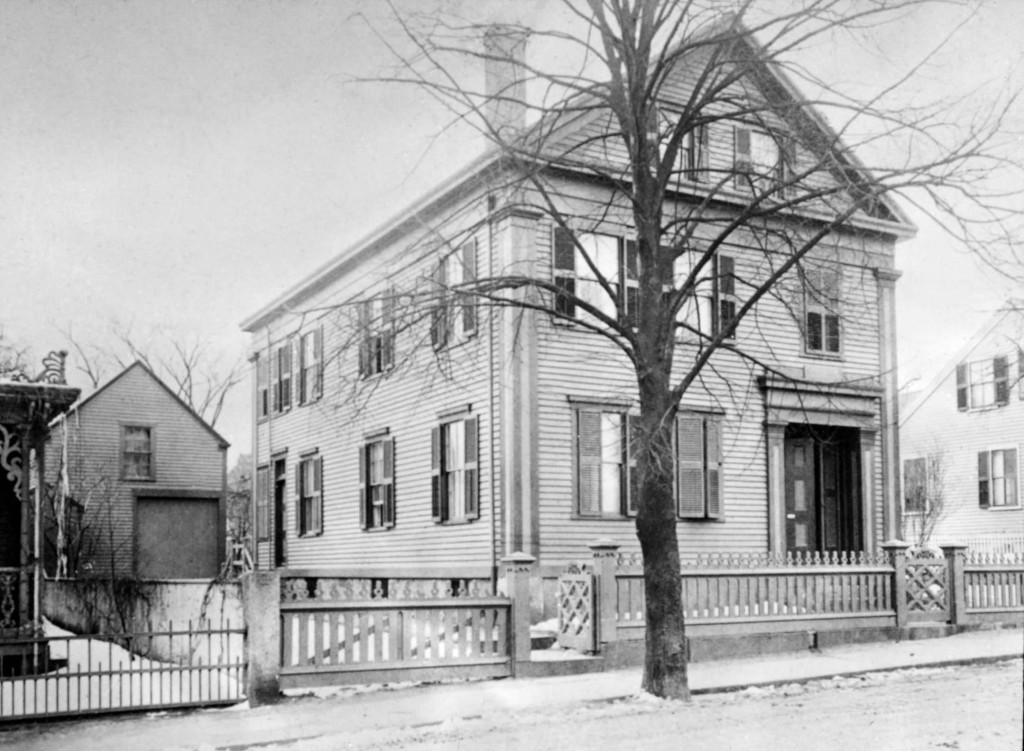
Life in the household was tense. Lizzie and Emma reportedly referred to Abby only as "Mrs. Borden" and suspected she had married their father for his money. The sisters resented Andrew's gifts of real estate to relatives of Abby, and a family argument in July 1892 sent both daughters away on extended vacations. They returned to Fall River about a week before the murders.
The Murders: What Happened on August 4, 1892?
The household that morning included Andrew, Abby, Lizzie, the Irish-born maid Bridget Sullivan, and a houseguest — Lizzie's maternal uncle, John Vinnicum Morse, who had arrived the previous evening to discuss business. Morse left the house around 8:48 a.m., and Andrew set out on his morning walk sometime after 9:00.
Forensic evidence later showed that Abby was killed first, likely between 9:00 and 10:30 a.m., while she was upstairs making a bed in the guest room. She was struck in the side of the head and then hit 17 more times in the back of the head — roughly 18 to 19 blows in total.
Andrew returned home around 10:30 a.m. and lay down on the sitting-room sofa for a nap. Sometime before 11:10 a.m., he was attacked and struck 10 or 11 times with a hatchet-like weapon. His wounds were still bleeding when his body was found, meaning the attack had occurred only moments earlier. One of his eyes had been split in two, suggesting he was asleep when the blows began.
At 11:10 a.m., Lizzie called out to the maid, "Maggie, come quick! Father's dead. Somebody came in and killed him." The neighbor Adelaide Churchill and Bridget Sullivan soon climbed the stairs and discovered Abby's body in the guest room.
A Timeline of the Borden Case
Here is how the investigation and trial unfolded:
- August 4, 1892 — Andrew and Abby Borden are found murdered in their Fall River home.
- August 8, 1892 — Lizzie testifies at a coroner's inquest, giving contradictory accounts of her whereabouts.
- August 11, 1892 — Lizzie is arrested and jailed on a warrant of murder.
- December 2, 1892 — A grand jury indicts Lizzie on three counts of murder.
- June 5, 1893 — The trial opens in New Bedford, Massachusetts.
- June 20, 1893 — The jury acquits Lizzie after roughly 90 minutes of deliberation.
Why Was Lizzie Borden Acquitted?
From the start, police suspected Lizzie. Her answers to investigators' questions were at times strange and contradictory. She first claimed to have heard a groan or scraping noise before entering the house, then later said she had heard nothing. She told her father that a messenger had summoned Abby to visit a sick friend — yet no such note or messenger was ever found. Officers described her as too calm and poised; one called her "a very peculiar woman."
But the case against her was entirely circumstantial, and several pieces of evidence fell apart at trial. The inquest testimony — which forms the basis of the modern debate over her guilt — was ruled inadmissible because Lizzie had been questioned without counsel while dosed with morphine. The judge also excluded evidence that she had tried to buy prussic acid (hydrogen cyanide) from a druggist the day before the murders, ruling it too remote to be relevant.
No murder weapon was ever conclusively identified. Police found a hatchet-head with a broken handle in the basement, but could not prove it was the weapon — and they failed to remove the tools from the house during their initial, cursory search. A friend, Alice Russell, testified she saw Lizzie burn a dress in the kitchen stove days after the killings, but Lizzie insisted it was ruined by paint, and the defense never pressed the point.
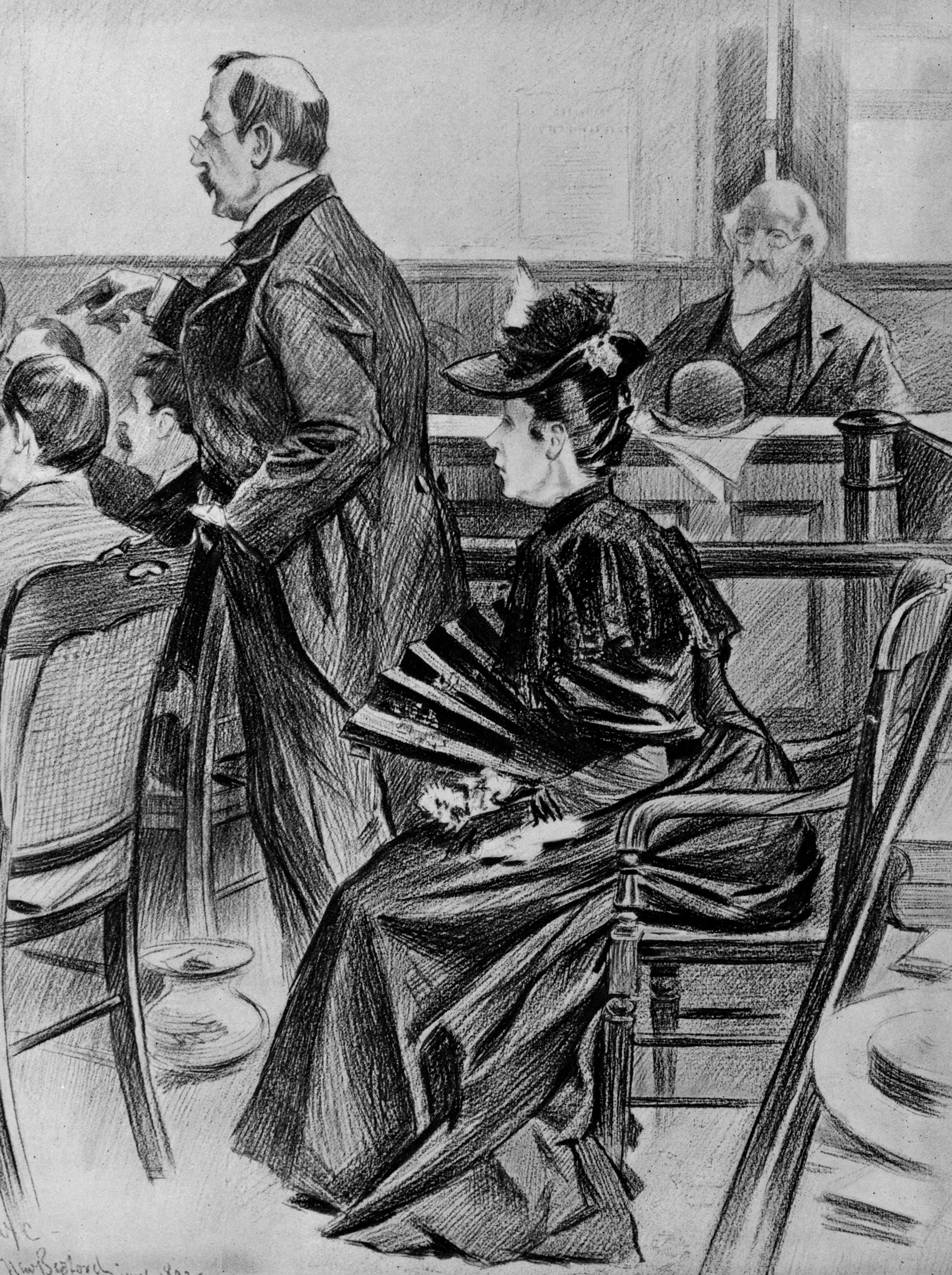
Perhaps most importantly, Lizzie's defense team — which included former Massachusetts governor George D. Robinson — leaned on the era's assumptions about women. A "respectable" Sunday-school teacher, they argued, simply could not commit such a brutal act. When prosecutors presented the victims' skulls in court, Lizzie fainted — a moment that played directly into the defense's narrative. After a closing summary from the judge that clearly favored the defense, the jury needed only one ballot to acquit her. "I am the happiest woman in the world," Lizzie told reporters as she left the courthouse.
Theories About Who Killed the Bordens
The famous rhyme — "Lizzie Borden took an axe / and gave her mother forty whacks" — exaggerates the violence: Abby was struck about 18 or 19 times and Andrew 11, not 40 and 41. But the rhyme reflects how firmly the public has linked Lizzie to the crime. She remained the prime suspect even after her acquittal.
Over the years, researchers have proposed other explanations. Some have suggested Lizzie killed while in a "fugue state," or that she was driven to violence by abuse. Others point to her uncle John Morse, who slept in the house the night before the murders and supplied what police called an "absurdly perfect and over-detailed alibi." A man named William Borden — speculated to be Andrew's illegitimate son — has also been floated as a suspect, as has Lizzie's sister Emma, who was out of town at the time. None of these theories has ever been proven.
Life After the Trial
Although acquitted, Lizzie was ostracized by Fall River society. She and Emma used their inheritance to buy a grand home they called "Maplecroft" in the wealthier Highlands neighborhood, and Lizzie began calling herself "Lizbeth." Her reputation was further tarnished in 1897 when she was accused of shoplifting in Providence, Rhode Island. In 1905, after an argument over a party Lizzie threw for actress Nance O'Neil, Emma moved out — and the sisters never spoke again.
Lizzie died of pneumonia on June 1, 1927, at age 66, reportedly worth more than $250,000. Emma died nine days later. Both lifelong spinsters, the sisters were buried side by side in the family plot at Oak Grove Cemetery in Fall River.
Why the Lizzie Borden Case Still Fascinates Us
The case has never been officially solved — no one else was ever charged — which is precisely why it endures. The Borden house at 92 Second Street now operates as a museum and bed-and-breakfast, and trial artifacts, including the suspected hatchet-head, are preserved by the Fall River Historical Society. The story has been retold in an opera, a ballet, plays, films, and television, from Elizabeth Montgomery's 1975 TV movie The Legend of Lizzie Borden to Christina Ricci's Lizzie Borden Took an Ax (2014) and the 2018 film Lizzie starring Chloë Sevigny.
Now the story is returning to the spotlight once again. The fourth season of Ryan Murphy's Netflix true-crime anthology Monster, titled Monster: The Lizzie Borden Story, will star Ella Beatty as Lizzie Borden, with Rebecca Hall and Vicky Krieps also in the cast. The series is expected to premiere on Netflix in September 2026.
Key Takeaways
- Andrew and Abby Borden were killed with a hatchet on August 4, 1892, in Fall River, Massachusetts.
- Lizzie Borden, Andrew's 32-year-old daughter, was the only person ever tried for the murders.
- She was acquitted on June 20, 1893, after roughly 90 minutes of jury deliberation.
- The case relied on circumstantial evidence — no murder weapon or bloody clothing was ever conclusively proven.
- The crime was never solved, and Lizzie lived out her life as a social outcast until her death in 1927.