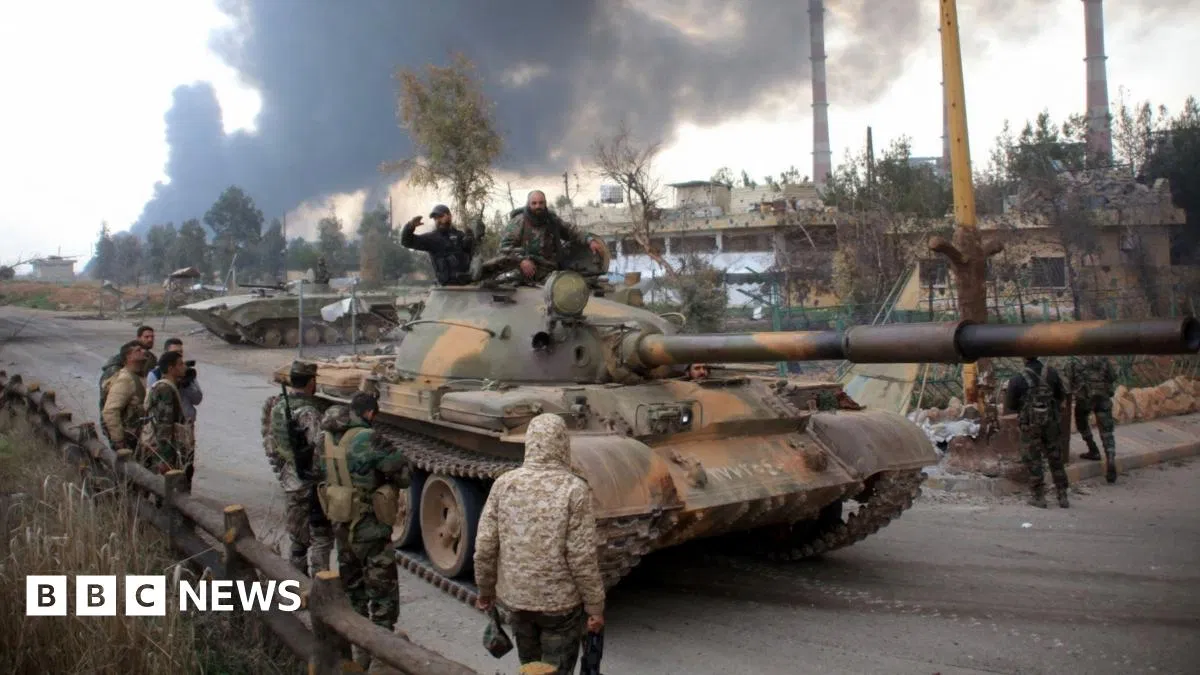
In a world where conflicts frequently dominate headlines, the concept of a ceasefire stands as a crucial mechanism to halt violence and create space for dialogue. Whether it’s a temporary pause in fighting or a step toward lasting peace, understanding what a ceasefire is, how it works, and why it matters is essential for making sense of international relations. With recent news about ceasefire agreements between the US and Iran, the term has surged into public discourse, but its roots and nuances extend far beyond today’s headlines.
What Is a Ceasefire? Breaking Down the Basics
At its simplest, a ceasefire is an agreement between two or more warring sides to stop fighting. According to the BBC Indonesia’s Newswords series, the word itself is a combination of two English words: “cease,” which means to stop, and “fire,” which in this context refers to the firing of guns. Literally, then, a ceasefire is a time when gunfire stops. But as the BBC explains, in real‑world usage the term often implies a more formal and complicated arrangement than just a momentary lull in shooting.
The Kiddle Encyclopedia offers a similarly straightforward definition: “A ceasefire is when people fighting in a war or conflict agree to stop for a period of time. It’s like a timeout in a game.” Both sides agree to halt attacks, and the ceasefire can be part of a formal written treaty or simply an informal understanding between the fighting groups.
Ceasefires are not always permanent. They can be temporary, lasting only a few hours or days, or they can be intended as a step toward a longer‑term peace. The Cambridge Dictionary defines a ceasefire as “an agreement, usually between two armies, to stop fighting in order to allow discussions about peace.” This highlights a key purpose of many ceasefires: to create a window for negotiations.
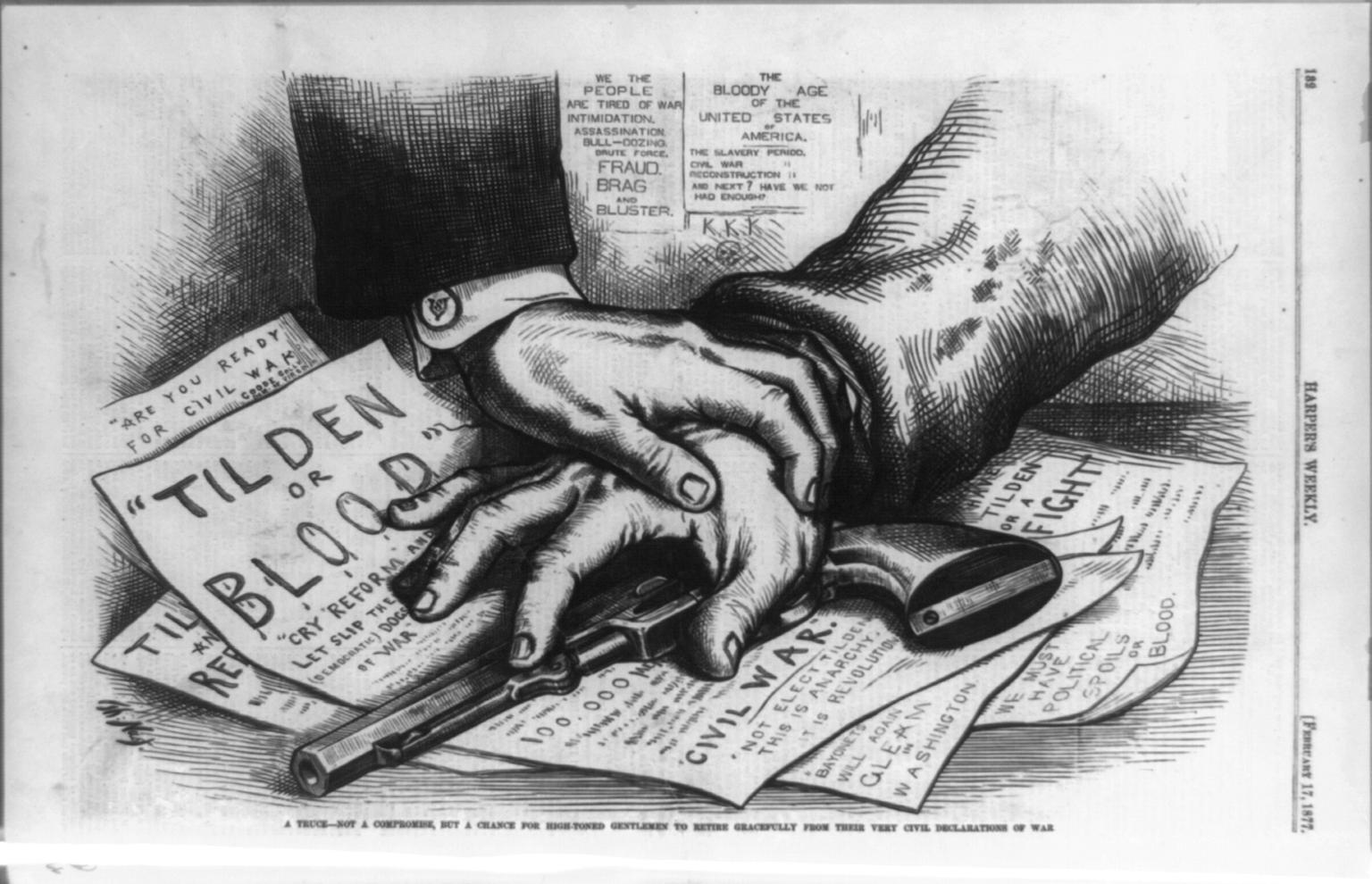
From the Christmas Truce to Korea: A Timeline of Notable Ceasefires
Ceasefires have shaped the course of history. One of the most famous examples is the Christmas Truce of 1914, during World War I. As recounted by Kiddle, on December 24, 1914, German and British soldiers spontaneously observed an unofficial ceasefire to celebrate Christmas. There was no signed agreement—just a shared desire for a brief respite from the horrors of trench warfare. After a few days, the fighting resumed, but the event remains a powerful symbol of humanity amid conflict.
Another landmark ceasefire occurred on July 27, 1953, when an agreement halted the fighting in the Korean War. This ceasefire created a demilitarized zone (DMZ) that still separates North and South Korea today. Importantly, no formal peace treaty has ever been signed, meaning the two Koreas are technically still at war—a reminder that a ceasefire does not always equal a permanent peace.
More recent examples include the Kashmir conflict ceasefire line that divides Indian‑ and Pakistani‑controlled areas, and the Israeli–Palestinian ceasefire announced in February 2005, in which both sides agreed to completely stop violence against each other.
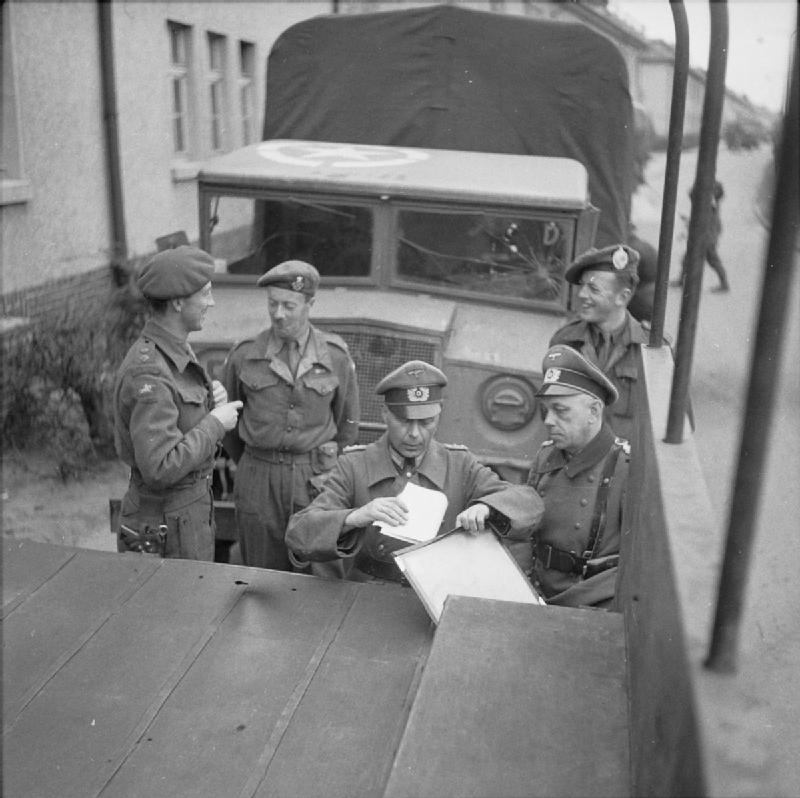
How Ceasefires Work: Types, Purposes, and Challenges
Not all ceasefires are the same. According to guidance from the United Nations Peacemaker, ceasefires can be categorized by the number of parties involved:
- Unilateral: One side declares it will stop fighting, regardless of whether the other side agrees.
- Bilateral: Both (or all) warring parties agree to suspend hostilities.
- Multilateral: Multiple parties, often with the involvement of international mediators, agree to a ceasefire.
Ceasefires can also vary in scope. A partial ceasefire may apply only to a specific region or type of weapon, while a full ceasefire aims to stop all military activity. The purpose behind a ceasefire can differ, too. Sometimes it is purely humanitarian—to allow aid to reach civilians or to evacuate the wounded. Other times it is tactical, giving one or both sides time to regroup, or diplomatic, intended to build confidence for further negotiations.
As the BBC Indonesia report notes, ceasefires are often accompanied by other terms or conditions. One side might demand certain actions before agreeing to stop fighting. These conditions can become sticking points, and if a party breaks the agreement, it is called a breach of the ceasefire. Moreover, a ceasefire can sometimes be viewed as a ploy—a trick to gain time to plan more attacks—which underscores the fragility of such arrangements.
Where Ceasefires Stand Today: Modern Applications and Limitations
In contemporary conflicts, ceasefires remain a standard tool of conflict management. International organizations like the United Nations frequently mediate ceasefire agreements, and they are often a prerequisite for peace talks. The recent US‑Iran ceasefire, for example, illustrates how even highly tense confrontations can be temporarily paused through diplomatic channels.
However, modern ceasefaces also face new challenges. Non‑state armed groups, asymmetric warfare, and the use of drones and cyber attacks complicate traditional ceasefire monitoring. Violations are common, and maintaining a ceasefire requires not just a signed document but also effective monitoring mechanisms, trust‑building measures, and often the presence of neutral observers.
The Road Ahead: How Ceasefires Fit Into Broader Peace Processes
Ceasefires are rarely an end in themselves. Instead, they are usually a first step toward a more comprehensive peace settlement. A successful ceasefire can create the breathing room needed for negotiators to address underlying issues, such as territorial disputes, political representation, or resource sharing. In some cases, a ceasefire may evolve into a permanent armistice or a peace treaty.
Experts emphasize that the most durable ceasefires are those that are inclusive—involving all relevant parties—and that are linked to a clear political process. Without a credible path to addressing the root causes of a conflict, a ceasefire may simply freeze the violence rather than resolve it.
Key Takeaways: What You Need to Know About Ceasefires
- A ceasefire is an agreement to stop fighting, either temporarily or permanently.
- It can be unilateral, bilateral, or multilateral, and may be formal (written) or informal.
- Historically, ceasefires have ranged from spontaneous truces (like the Christmas Truce) to complex, mediated agreements (like the Korean War ceasefire).
- Ceasefires serve humanitarian, tactical, or diplomatic purposes and are often a prerequisite for peace negotiations.
- Their success depends on monitoring, trust, and a credible political process to address the underlying conflict.
Whether you’re following the latest news from a conflict zone or simply curious about how the world manages its most violent disputes, understanding the mechanics and meanings of a ceasefire is a valuable piece of knowledge. It reminds us that even in the midst of war, there are mechanisms—however imperfect—to pause the fighting and search for a better way forward.