A Nintendo Direct is a series of online presentations produced by Nintendo, where the company shares information about upcoming games, consoles, and services directly with fans. First launched on October 21, 2011, the concept was the brainchild of late Nintendo president Satoru Iwata, who wanted to communicate "directly" with consumers without relying on traditional media channels. What started as a simple video broadcast has evolved into one of the most anticipated recurring events in the gaming industry, with each Direct generating millions of live viewers worldwide.
How Nintendo Direct Works: Format and Structure
Nintendo Direct presentations are typically pre-recorded video showcases that range from 5 to 60 minutes in length, with the standard main Direct running between 25 and 60 minutes. During a Direct, Nintendo representatives present trailers, gameplay footage, and announcements for upcoming software and hardware across all Nintendo platforms. The format is designed to be fast-paced and engaging, mixing quick headline-style reveals with deeper dives into major titles.
The presentations are hosted by key Nintendo figures. Since 2017, the main international Directs have been hosted by Yoshiaki Koizumi and Shinya Takahashi, both senior executives from Nintendo Entertainment Planning & Development (EPD). Before his passing in 2015, Satoru Iwata himself hosted Directs in both English and Japanese, giving the presentations a personal, community-focused feel. In North America, former Nintendo of America president Reggie Fils-Aimé was a regular host until his retirement in 2019, while Europe had Satoru Shibata as its regional presenter.
Timeline: From 2011 to the Present
The first Nintendo Direct aired on October 21, 2011, simultaneously in Japan and North America. It was a relatively modest affair, but it established a new template for how gaming companies could communicate with their audience. The format quickly proved successful and expanded to Europe, Australia, and South Korea in the following years.
Throughout the 2010s, Nintendo Direct became the primary way Nintendo announced major products. Key moments include the 2013 Direct that revealed Super Smash Bros. for Wii U and 3DS, the 2016 Direct that first showed gameplay of The Legend of Zelda: Breath of the Wild, and the January 2017 Direct that detailed the original Nintendo Switch. The presentations became especially crucial after Nintendo scaled back its presence at the annual E3 trade show, replacing traditional press conferences with dedicated Direct broadcasts.
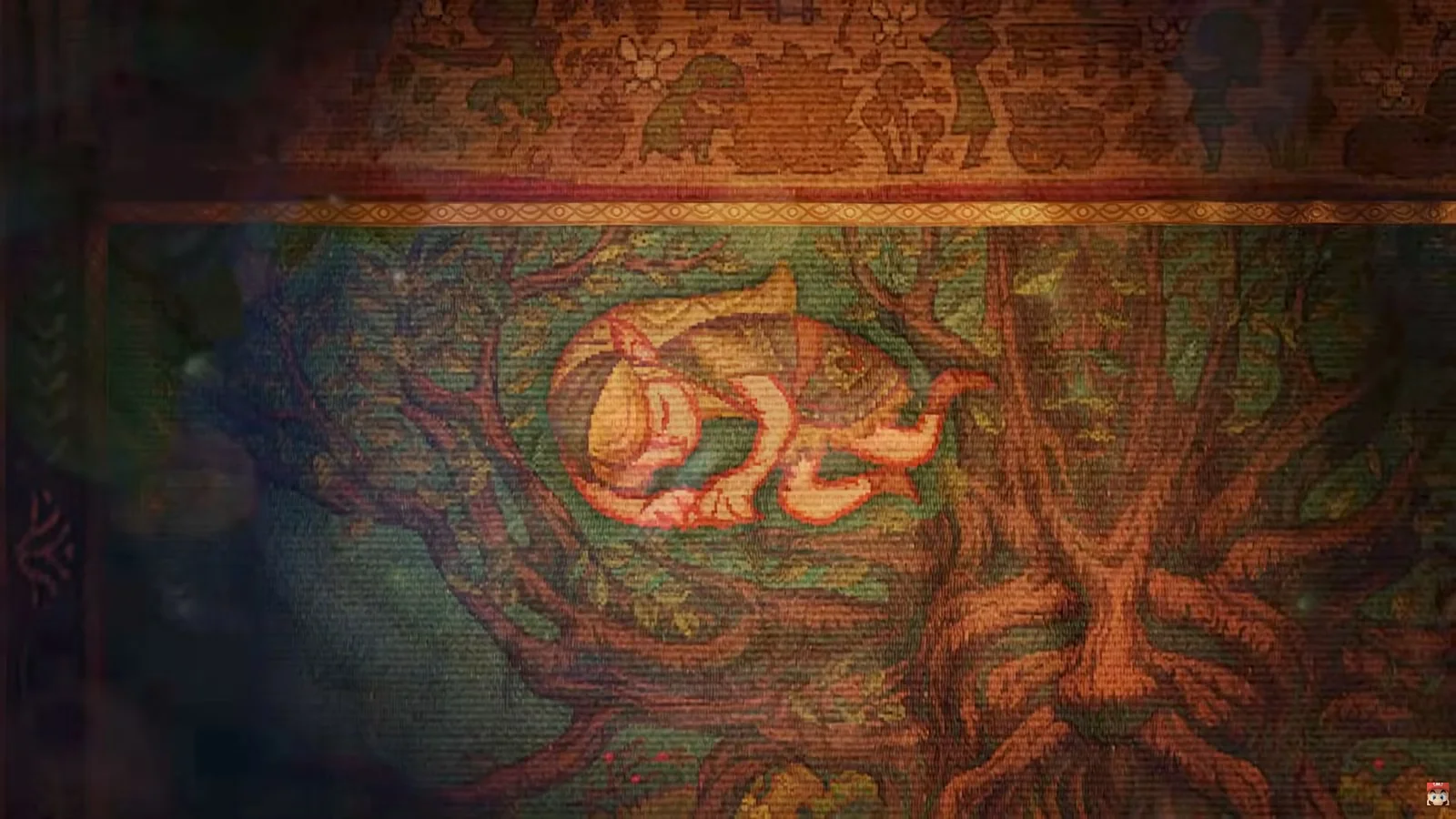
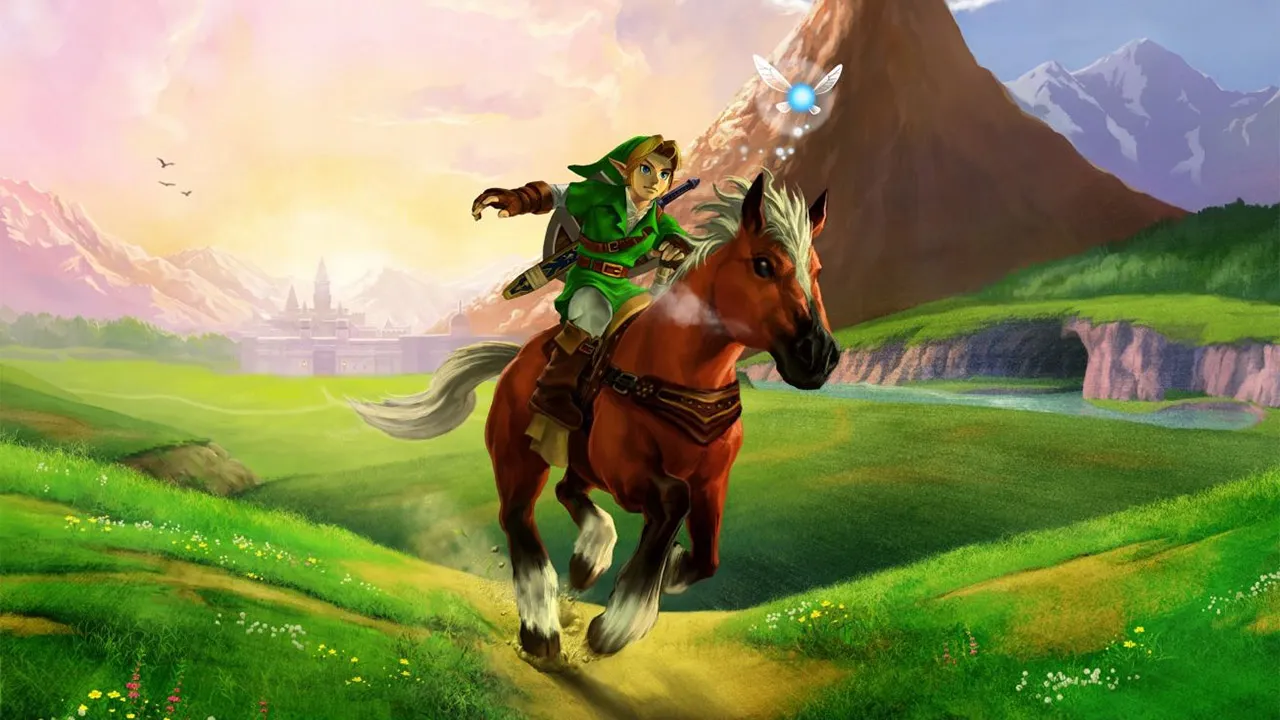
After Satoru Iwata's death in 2015, there was a transitional period where Directs paused briefly, but the series resumed and evolved under new leadership. The June 2026 Nintendo Direct, aired on June 9, 2026, represented a major milestone, featuring blockbuster reveals including The Legend of Zelda: Ocarina of Time remake exclusively for Nintendo Switch 2, Kingdom Hearts IV, Xenoblade Genesis, The Duskbloods, and a Rayman Legends remake.
Types of Nintendo Direct Presentations: Understanding the Different Formats
Over the years, Nintendo has expanded the Direct format to cover different types of content. The main Nintendo Direct (25-60 minutes) is the flagship presentation covering a broad range of upcoming titles across all platforms. Nintendo Direct Mini (5-30 minutes) is a shorter version that often focuses on smaller releases and is frequently "shadow dropped" without prior announcement. Partner Showcases specifically highlight games from third-party developers, while Indie World presentations focus on indie games coming to Nintendo platforms.
There are also game-specific Directs dedicated to major franchises like Super Smash Bros. and Splatoon, often hosted by the games' creators. Nintendo Treehouse: Live events follow major Directs and feature extended gameplay demonstrations. The Pokemon Presents and Pokemon Direct are specialized variants focusing exclusively on Pokemon-related news. This variety allows Nintendo to tailor the format to different audiences while maintaining the core Direct experience.
Regionally, Directs are localized for different markets. International Directs produced in Japan are dubbed or subtitled for worldwide release. Japan, North America, Europe, Australia, South Korea, and even Hong Kong and Taiwan have all received region-specific Directs or localized versions at various times, ensuring fans worldwide can follow the news in their preferred language.
Why Nintendo Direct Became a Gaming Phenomenon
The genius of Nintendo Direct lies in its simplicity and directness. By bypassing traditional media, Nintendo can control exactly how its products are presented, building excitement on its own terms. The format creates a sense of community and shared experience — fans gather online to watch live, discuss announcements in real time, and dissect every trailer frame-by-frame afterward. The element of surprise is carefully orchestrated; Nintendo often announces Directs just days in advance, building anticipation before the broadcast.
From a marketing perspective, Directs are remarkably efficient. A single 40-minute broadcast can generate weeks of news coverage and social media discussion. The format also allows Nintendo to spotlight smaller titles alongside blockbuster franchises, giving indie games and niche releases exposure they might not otherwise receive. For the gaming community, Nintendo Direct has become synonymous with excitement and discovery — the thrill of not knowing what surprise announcements might be hiding around the corner.
Where Things Stand Now: The State of Nintendo Direct in 2026
As of June 2026, Nintendo Direct remains the company's primary method of communicating with fans. The most recent Direct on June 9, 2026, set the gaming world abuzz with its confirmation of an Ocarina of Time remake for Switch 2 — a long-rumored project that fans had speculated about for years. The presentation also showcased Kingdom Hearts IV gameplay, announced the new Xenoblade Genesis title, and revealed The Duskbloods with a closed network test for Switch 2.
The June 2026 Direct followed immediately by Nintendo Treehouse: Live, giving viewers extended looks at the announced games. This two-part format — a fast-paced Direct followed by in-depth Treehouse gameplay — has become the standard for major Nintendo showcases, offering both excitement and substance. The event was streamed live on YouTube, Twitch, and Nintendo's official website, drawing millions of concurrent viewers from around the globe.
What's Next: The Future of Nintendo Direct
Looking ahead, Nintendo Direct is expected to continue evolving alongside the company's hardware and software strategy. With the Nintendo Switch 2 now on the market, future Directs will likely focus heavily on the new console's growing library while still supporting the original Switch. The rise of Nintendo's dedicated Direct presentations for specific franchises — like the Kirby Air Riders Direct hosted by Masahiro Sakurai — suggests a trend toward more specialized, targeted broadcasts.
Industry observers predict that Directs will incorporate more interactive elements and possibly leverage Nintendo's growing mobile and online ecosystems. However, the core formula — direct communication, surprise announcements, and community-driven excitement — is unlikely to change. As Nintendo's game lineup continues to expand, the Nintendo Direct remains the single most important event for fans wanting to know what's next from the legendary game company.
Key Takeaways: Everything You Need to Know About Nintendo Direct
- Nintendo Direct is a series of online presentations by Nintendo, launched on October 21, 2011, by Satoru Iwata.
- Directs range from 5 to 60 minutes and feature game announcements, trailers, and gameplay reveals.
- There are multiple types: main Directs, Direct Minis, Partner Showcases, Indie World, and game-specific Directs.
- The June 9, 2026 Nintendo Direct was a landmark event, revealing the Ocarina of Time remake for Switch 2, Kingdom Hearts IV, Xenoblade Genesis, and more.
- Nintendo Direct revolutionized game marketing by allowing Nintendo to communicate directly with fans, creating a global shared viewing experience.