
If you've ever noticed people walking around with a smudge of ash on their foreheads in late winter, you've witnessed one of Christianity's most visible and ancient traditions: Ash Wednesday. This solemn day marks the beginning of Lent, a 40-day season of prayer, fasting, and reflection that prepares believers for Easter. But what exactly is Ash Wednesday, and why do millions of Christians worldwide participate in this centuries-old ritual? From the symbolic ashes to the biblical foundations, here's everything you need to know about this profound day of spiritual renewal.
From Dust to Dust: The Core Meaning of Ash Wednesday
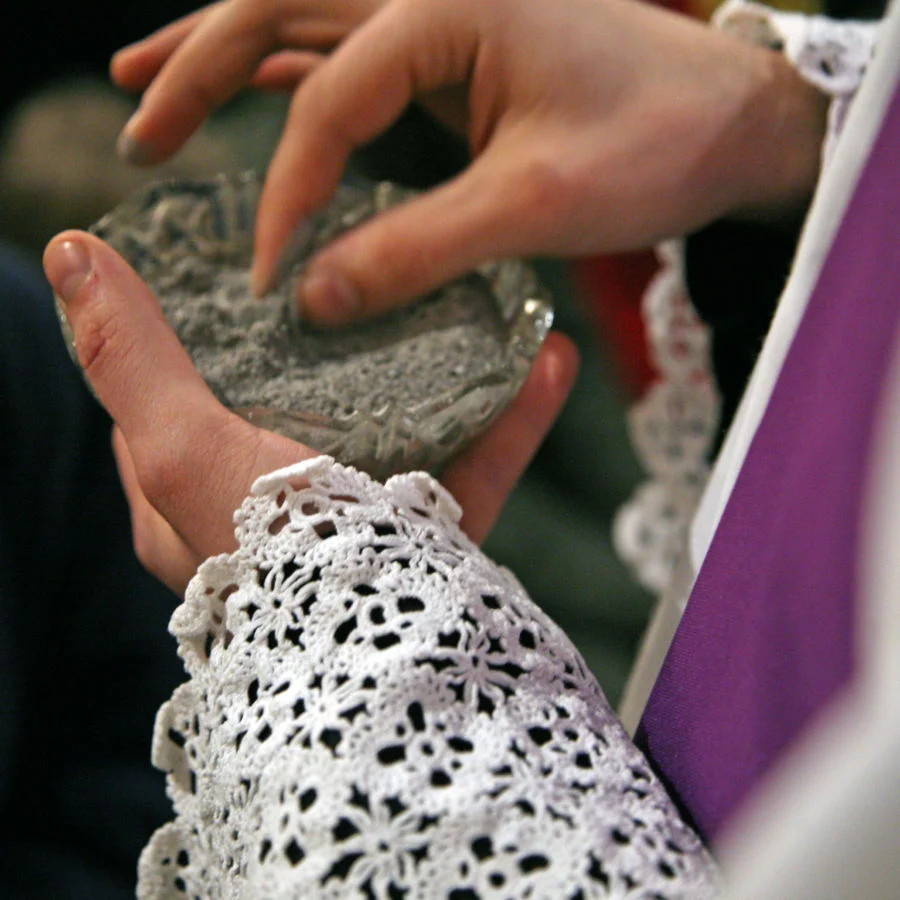
Ash Wednesday serves as a powerful reminder of human mortality and the need for repentance before God. The day gets its name from the practice of placing ashes on worshippers' foreheads, usually in the shape of a cross, while speaking the words from Genesis 3:19: "Remember that you are dust, and to dust you shall return." This physical sign connects participants to ancient biblical traditions where ashes symbolized mourning, humility, and sorrow for sin. According to Bible Study Tools, "The ashes, typically made from the burned palm branches of the previous year's Palm Sunday, symbolize grief over sin, humility before God, and the hope found in Christ's sacrifice on the cross."
The ritual formally begins the Lenten season, which lasts approximately six weeks (excluding Sundays) leading up to Easter Sunday. Lent itself mirrors Jesus' 40-day fast in the wilderness, where he faced temptation before beginning his public ministry. For Christians, this period represents a time to spiritually prepare through self-examination, repentance, and drawing closer to God. While Ash Wednesday is most commonly associated with Catholicism, numerous Protestant denominations—including Anglicans, Lutherans, Methodists, and some Presbyterian and Baptist churches—now observe the day, making it one of the most ecumenical practices in Christianity.
A Thousand-Year Journey: The Historical Development of Ash Wednesday
Although Ash Wednesday isn't mentioned in the Bible, its roots stretch deep into Christian history. The use of ashes as a sign of repentance appears throughout the Old Testament, where figures like Job, Daniel, and the people of Nineveh used ashes to express mourning and humility before God. Early Christians adopted this Jewish practice, initially applying ashes to themselves as a sign of penitence during the Lenten season. The formal observance of Ash Wednesday as we know it today developed gradually over centuries.
The Council of Nicaea in 325 AD first established a 40-day fasting period before Easter, though the starting date varied regionally. According to historical sources, it wasn't until the 5th century that Pope Gregory the Great officially moved the beginning of Lent from a Sunday to the Wednesday we now observe. This created the 46-day period (40 days of fasting plus six Sundays) that characterizes Lent today. By the 11th century, the practice of marking foreheads with ashes had become widespread throughout Western Christianity, with Pope Urban II encouraging the entire Church to adopt the ritual in 1091.
How Ash Wednesday Is Observed: Rituals, Rules, and Modern Practices
Modern Ash Wednesday observances combine ancient symbolism with contemporary worship. The central ritual involves the imposition of ashes, usually during a special church service. A priest, minister, or lay leader applies the ashes to each participant's forehead while speaking words of scripture. The ashes themselves are prepared by burning palm branches saved from the previous year's Palm Sunday celebrations, creating a tangible connection between Jesus' triumphant entry into Jerusalem and the solemn recognition of human mortality.
For Catholics, Ash Wednesday carries specific obligations. It's a day of fasting and abstinence, meaning Catholics between ages 18 and 59 are required to eat only one full meal plus two smaller meals that together don't equal a full meal. Additionally, all Catholics 14 and older must abstain from eating meat. These practices aren't meant as punishments but as spiritual disciplines that help focus attention on God and create space for prayer and reflection. Many Protestants, while not bound by the same canonical requirements, voluntarily adopt fasting or other forms of self-denial as part of their Ash Wednesday observance.
The Biblical Foundations Behind the Ashes
While Ash Wednesday itself doesn't appear in scripture, its theological underpinnings are thoroughly biblical. The phrase "ashes to ashes, dust to dust" draws directly from several Old Testament passages. Genesis 2:7 describes God forming humanity from "dust from the ground," while Genesis 3:19 declares, "By the sweat of your face you shall eat bread, till you return to the ground, for out of it you were taken; for you are dust and to dust you shall return." Ecclesiastes 3:20 echoes this theme: "All go to one place. All are from the dust, and to dust all return."
These verses establish the dual symbolism of the ashes: they remind believers of their humble origins and inevitable mortality, while also pointing toward the hope of resurrection through Christ. As Bible Study Tools explains, "While the ashes remind us that we will die and return to the ground, if we believe in Jesus, we will be raised with Him in glorious new bodies." The New Testament teachings on fasting, prayer, and repentance—particularly Jesus' instructions in Matthew 6:16-18 about practicing spiritual disciplines with proper motives—provide the framework for the Lenten observances that begin on Ash Wednesday.
Who Participates and Why: The Expanding Observance of Ash Wednesday
One of the most remarkable aspects of Ash Wednesday in recent decades has been its spread beyond Catholic churches to diverse Christian communities. What was once primarily a Catholic and Anglican observance now includes Lutherans, Methodists, Presbyterians, and even some evangelical congregations. This ecumenical expansion reflects a growing appreciation for liturgical practices that connect modern believers to ancient Christian traditions.
Participants range from infants receiving ashes with their parents to elderly congregants who have observed the day for decades. Many churches report that Ash Wednesday services attract larger crowds than regular Sunday services, suggesting the day's themes resonate deeply even with those who don't regularly attend church. The visible ash mark—worn throughout the day—serves as both a personal reminder and a public witness, sometimes prompting conversations about faith between Christians and their coworkers, friends, or neighbors.
From Ashes to Easter: The Lenten Journey Ahead
Ash Wednesday isn't an isolated observance but the gateway to the Lenten season. The 40 days that follow (not counting Sundays) provide structured time for spiritual growth through traditional practices of prayer, fasting, and almsgiving. Many Christians use this period to give up something meaningful—like certain foods, entertainment, or habits—as a way of creating space for God. Others take on positive practices such as daily scripture reading, volunteer work, or intentional acts of kindness.
This spiritual preparation culminates in Holy Week, which begins with Palm Sunday (commemorating Jesus' entry into Jerusalem) and proceeds through Maundy Thursday (remembering the Last Supper), Good Friday (observing Jesus' crucifixion), and finally Easter Sunday (celebrating the resurrection). The ashes of Ash Wednesday thus begin a journey that moves from repentance through reflection to ultimate celebration—from mortality acknowledged to resurrection promised.
Key Takeaways: What to Remember About Ash Wednesday
Ash Wednesday stands as one of Christianity's most paradoxically somber yet hopeful observances. It combines ancient biblical symbolism with living tradition, personal repentance with communal worship, and honest confrontation with mortality with confident expectation of resurrection. Whether observed with formal liturgy or simple reflection, the day invites participants to begin their Lenten journey with clear-eyed recognition of human need and divine grace. As the ashes mark foreheads with the sign of the cross, they point toward the central Christian conviction that death doesn't have the final word—and that from dust can come new life.