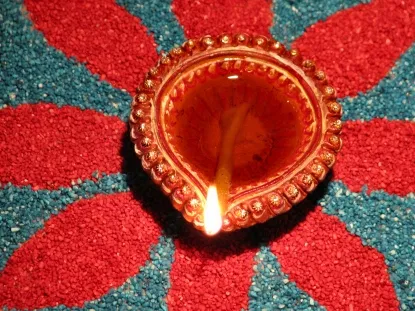
Diwali — also known as Deepavali — is the Hindu "festival of lights" and the most widely celebrated holiday in India. The name Deepavali comes from Sanskrit and literally means "a row of lamps," which captures the heart of the occasion: for five days each autumn, homes, temples, and streets glow with small clay oil lamps called diyas, colorful floor designs called rangoli, and bursts of fireworks. Yet Diwali is far more than a spectacular light show — it is a religious and cultural celebration of the victory of light over darkness, good over evil, and knowledge over ignorance.
The festival is observed not only by Hindus but also by Jains, Sikhs, and some Buddhists, and by Indian diaspora communities around the world. In 2026, the main night of Diwali falls on Sunday, November 8, with the surrounding five-day festival running from Dhanteras through Bhai Dooj.
What Is Diwali and Why Is It Celebrated?
At its core, Diwali marks the triumph of light over darkness. The festival is rooted in several ancient stories that vary by region and faith, but they all share the same theme: goodness, truth, and light ultimately prevail.
The best-known story, told widely across northern India, comes from the Hindu epic the Ramayana. After 14 years of exile — during which Prince Rama rescued his wife Sita from the demon king Ravana — Rama finally returned to his kingdom of Ayodhya. To guide him home on a moonless night, the people of Ayodhya lit rows of clay lamps, an act re-enacted every Diwali when families fill their homes with diyas.
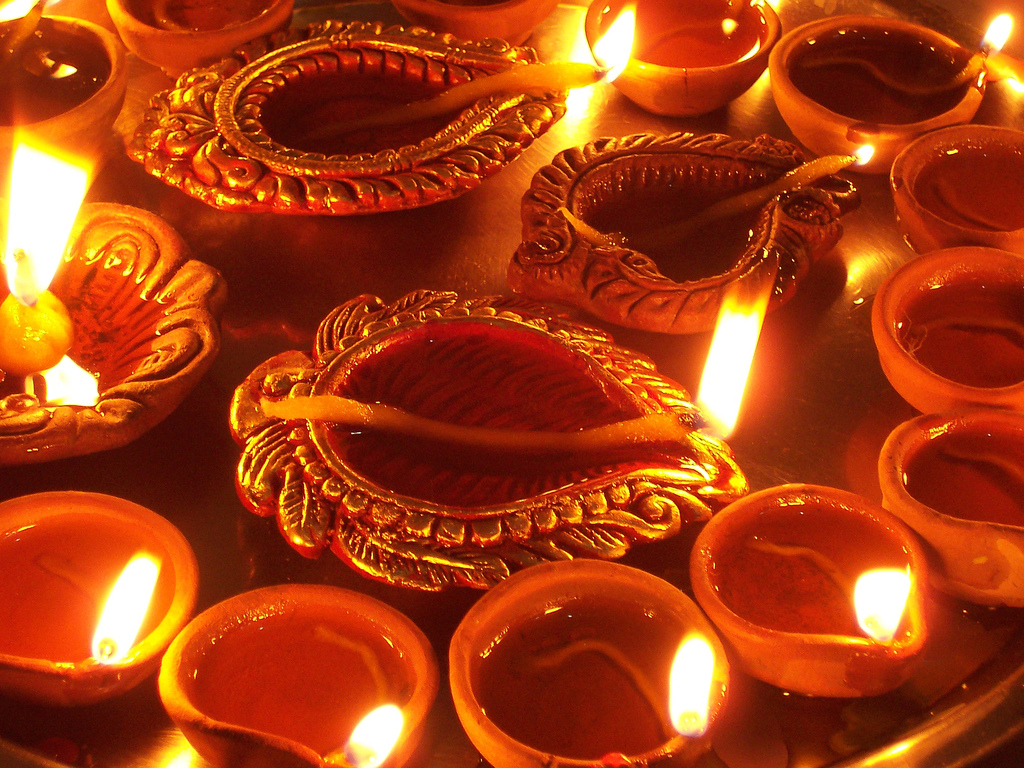
Another central figure is Lakshmi, the Hindu goddess of wealth and prosperity. On the main night of Diwali, many households perform Lakshmi Puja, a prayer ritual welcoming the goddess into clean, lamp-lit homes to invite blessings for the year ahead. She is often worshipped alongside Ganesha, the remover of obstacles.
Because Diwali follows the Hindu lunisolar calendar, its dates shift each year. It always falls on the new-moon night (Amavasya) of the Hindu month of Kartika, which lands between mid-October and mid-November in the Gregorian calendar.
The Five Days of Diwali, From Dhanteras to Bhai Dooj
Although people often speak of Diwali as a single night, it is really a five-day festival, and each day carries its own meaning and rituals:
Day 1 — Dhanteras: The festival opens with Dhanteras, a day devoted to wealth and well-being. Families clean their homes and buy something new — traditionally gold, silver, or a kitchen utensil — as a sign of good fortune. The day is also linked to Dhanvantari, the divine physician of Ayurveda.
Day 2 — Naraka Chaturdashi (Choti Diwali): Also called "small Diwali," this day commemorates Lord Krishna's defeat of the demon Narakasura. In many homes, it is marked by early-morning oil baths and the lighting of the first lamps.
Day 3 — Lakshmi Puja (the main Diwali): This is the heart of the festival. On the new-moon night, families perform Lakshmi Puja, light rows of diyas, set off fireworks, exchange sweets and gifts, and share festive meals.
Day 4 — Govardhan Puja: The fourth day honors Krishna's lifting of Govardhan Hill to shelter villagers from torrential rain. It is also observed as Bali Pratipada and, in some regions, as the start of a new year.
Day 5 — Bhai Dooj: The festival closes with Bhai Dooj, a celebration of the bond between brothers and sisters, when sisters pray for their brothers' well-being.
How Diwali Is Celebrated: Lamps, Rangoli, Sweets and Fireworks
Across its five days, Diwali is marked by a set of shared traditions. Homes are thoroughly cleaned and decorated, a practice tied to the belief that Lakshmi enters only tidy, welcoming spaces. Entrances are adorned with rangoli — intricate patterns made from colored powders, rice, or flower petals — and rows of diyas are placed in windows, doorways, and courtyards.
Food plays a central role. Families prepare and exchange mithai, traditional Indian sweets such as ladoo and barfi, along with savory snacks. Fireworks, though increasingly regulated in some cities because of air quality, remain a popular part of the celebration, as do new clothes, gifts, and visits to extended family and temples.
For many merchants, Diwali also marks the start of the financial year, and new account books are blessed during a ritual called Chopda Pujan in some communities.
Different Faiths, Different Stories
Although Diwali is best known as a Hindu festival, other religions observe it for their own reasons. Jains commemorate it as the day Lord Mahavira, the 24th Tirthankara, attained nirvana, or final liberation. Sikhs celebrate Bandi Chhor Divas ("Prisoner Release Day"), marking the release of Guru Hargobind from the Gwalior prison in the 17th century. Some Buddhists also light lamps during this period, particularly to honor Emperor Ashoka's embrace of Buddhism.
Even within Hinduism, regional stories differ: in parts of eastern India such as West Bengal, the night is dedicated to Kali Puja, while in southern India some communities focus on Krishna's victory over Narakasura. What unites these variations is the shared symbolism of light dispelling darkness.
Diwali in 2026: Dates and Growing Global Recognition
In 2026, the five-day festival runs from Dhanteras on Friday, November 6, through Bhai Dooj on Tuesday, November 10, with the main Lakshmi Puja falling on Sunday, November 8. Because the timing follows the lunar calendar, the dates shift every year — in 2025, the main day fell on October 20.
Diwali's reach keeps growing beyond India. In September 2025, California became the third U.S. state to designate Diwali an official state holiday after Governor Gavin Newsom signed Assembly Bill 268. The festival is now recognized across South Asia, Southeast Asia, and the Caribbean, and is celebrated in major cities in the United Kingdom, Canada, Australia, and the United States.
How You Can Celebrate or Observe Diwali
Diwali is a welcoming festival, and even those who do not observe it religiously can take part. Common ways to celebrate include lighting diyas or candles, creating a simple rangoli at your doorstep, sharing sweets with neighbors and friends, and gathering with family for a meal. Many communities also host public Diwali events with music, dance, and fireworks, offering an easy way to experience the festival firsthand.
If you are invited to a Diwali celebration, a small gift of sweets, dried fruit, or chocolates is a thoughtful gesture, and modest, colorful clothing is often appreciated.
Key Takeaways: Diwali at a Glance
- Diwali, or Deepavali, means "a row of lamps" and is known as the festival of lights.
- It celebrates the victory of light over darkness and good over evil.
- Diwali is a five-day festival: Dhanteras, Naraka Chaturdashi, Lakshmi Puja, Govardhan Puja, and Bhai Dooj.
- It is observed by Hindus, Jains, Sikhs, and some Buddhists, each with their own stories.
- Core traditions include lighting diyas, drawing rangoli, performing Lakshmi Puja, exchanging sweets, and setting off fireworks.
- The date follows the Hindu lunar calendar; Diwali 2026 falls on Sunday, November 8.