Labor Day is a federal holiday in the United States, observed each year on the first Monday of September, that honors the social and economic achievements of American workers. While many people think of it as a three-day weekend, a final summer barbecue, or a chance to grab a discount, the holiday grew out of the late-19th-century labor movement, when workers and union organizers pushed for recognition, dignity, and basic protections. Here is what Labor Day actually is, how it began, and why it is still celebrated more than 140 years later.
What Is Labor Day, and When Is It Celebrated?
Labor Day is a federal holiday that always falls on the first Monday of September. According to the U.S. Department of Labor, it is "an annual celebration of the social and economic achievements of American workers." The holiday pays tribute to the contributions laborers have made to the strength, prosperity, and well-being of the United States, and to the labor movement that helped secure fairer working conditions over time.
Because the date is tied to a weekday rather than a calendar day, it shifts slightly from year to year. Labor Day 2025 fell on Monday, September 1, and Labor Day 2026 falls on Monday, September 7. Unlike holidays that mark a single historical event on a fixed date, Labor Day was designed from the start as a recurring celebration of working people themselves.
How Labor Day Began: The First Parade in 1882
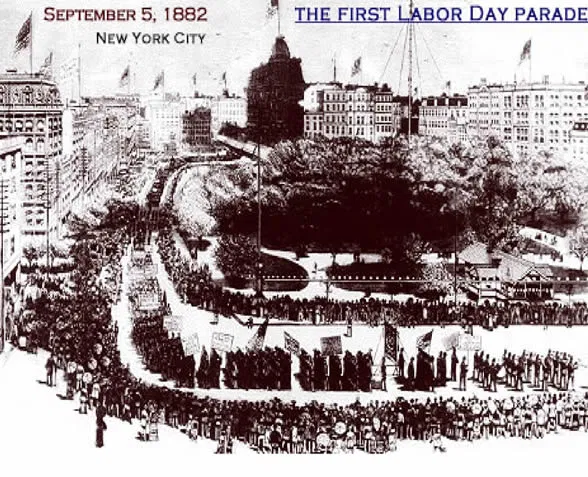
The story of Labor Day starts in New York City in the early 1880s. As the trade union and labor movements grew, workers began calling for a day set aside to celebrate labor. The very first Labor Day holiday was held on Tuesday, September 5, 1882, in New York City, organized under the plans of the Central Labor Union, with support from the Knights of Labor.
That first celebration followed a format that still shapes the holiday today: a street parade to exhibit "the strength and esprit de corps of the trade and labor organizations" of the community, followed by a festival for the recreation and amusement of workers and their families. The Central Labor Union held its second Labor Day celebration just a year later, on September 5, 1883. After municipal ordinances were passed in 1885 and 1886, a wider movement developed to secure state legislation for the holiday.
Who Really Founded Labor Day? The McGuire-Maguire Debate
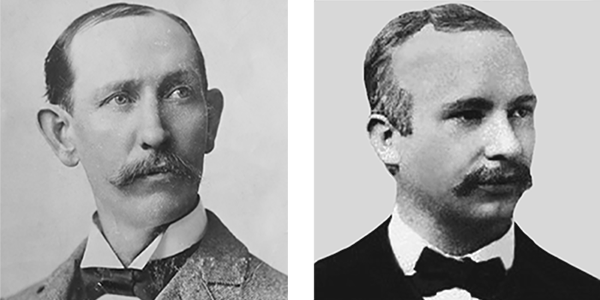
Exactly who first proposed Labor Day is the subject of a friendly historical dispute, and two men with strikingly similar names can each make a claim to the title of founder.
Some records indicate that in 1882, Peter J. McGuire, general secretary of the Brotherhood of Carpenters and Joiners and a co-founder of the American Federation of Labor, suggested setting aside a day for a "general holiday for the laboring classes." McGuire reportedly recommended the first Monday in September because of its mild weather and its position on the calendar, sitting midway between the Fourth of July and Thanksgiving.
However, many historians believe the credit belongs to Matthew Maguire, a machinist who later became secretary of Local 344 of the International Association of Machinists in Paterson, New Jersey. Recent research supports the idea that Matthew Maguire proposed the holiday in 1882 while serving as secretary of the Central Labor Union in New York. After President Grover Cleveland signed the law creating a national Labor Day, the Paterson Morning Call declared that "the souvenir pen should go to Alderman Matthew Maguire of this city, who is the undisputed author of Labor Day as a holiday." Both men attended the country's first Labor Day parade that year.
From State Holiday to Federal Law: The Road to 1894
Before Labor Day became a national holiday, individual states led the way. New York was the first state to introduce a bill, but Oregon was the first to actually pass a law recognizing Labor Day, on February 21, 1887. That same year, four more states — Colorado, Massachusetts, New Jersey, and New York — created their own Labor Day holidays. By the end of the decade, Connecticut, Nebraska, and Pennsylvania had followed suit, and by 1894 roughly thirty states were already celebrating the holiday.
The push for a federal holiday gained urgency in 1894, shortly after the Pullman Strike, a nationwide railroad strike that began near Chicago. In response, Congress passed an act making the first Monday in September a legal holiday, and President Grover Cleveland signed it into law on June 28, 1894. Notably, the federal law initially applied only to federal workers; as late as the 1930s, unions were still encouraging workers to strike to ensure they received the day off. Today, all U.S. states, the District of Columbia, and U.S. territories recognize Labor Day as a statutory holiday.
Why September? Labor Day vs. May Day
Most countries around the world celebrate workers on May 1, known as International Workers' Day or May Day. That date traces to an 1885 American Federation of Labor convention resolution calling for an eight-hour workday, and to the 1886 strike in Chicago that culminated in the violent Haymarket affair of May 4, 1886.
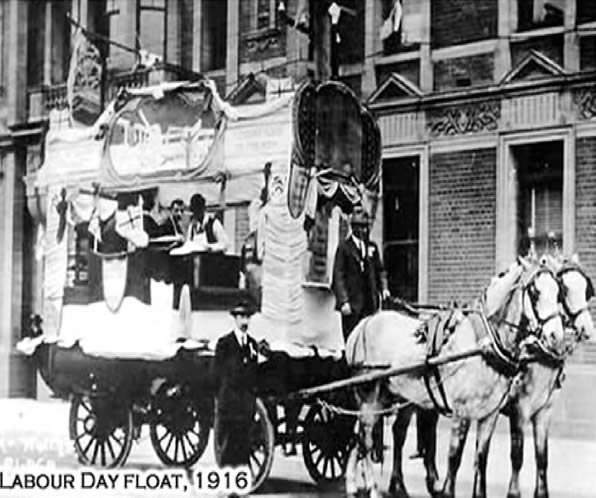
In the United States, however, unions disagreed over which date should honor workers. Some favored the politically charged May 1, while others preferred the September march-and-picnic date. President Grover Cleveland, concerned that a May 1 holiday would become a commemoration of the Haymarket affair and strengthen the socialist and anarchist movements behind it, publicly supported the September date as a less inflammatory alternative. Canada likewise celebrates Labour Day on the first Monday of September, while more than 150 other countries observe International Workers' Day on May 1.
How Americans Celebrate Labor Day Today
Over time, Labor Day has also become known as the "unofficial end of summer." Many Americans take vacations in the weeks leading up to Labor Day weekend, and fall activities — including school and football — begin around this time. Many school districts resume classes around the holiday, NCAA teams usually play their first games that weekend, and the NFL traditionally holds its kickoff game the following Thursday.
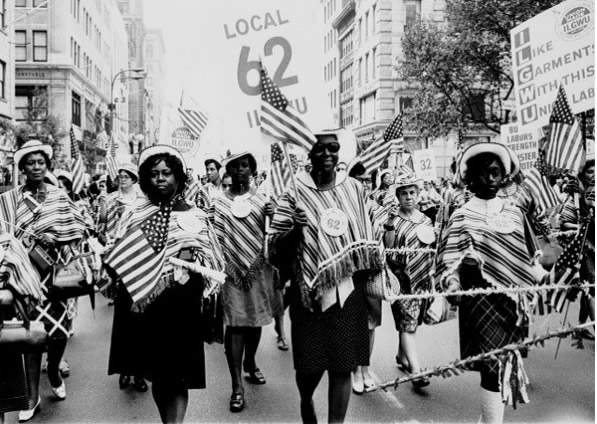
The holiday still retains its original spirit in many communities, with parades, parties, and family gatherings that mirror the very first celebration of 1882. In 1909, the American Federation of Labor designated the Sunday before Labor Day as "Labor Sunday," dedicated to the spiritual and educational aspects of the labor movement. Major cities host signature events, such as New York's Labor Day Carnival (the West Indian/Caribbean Day Parade) and the free Labor Day Concert at the U.S. Capitol featuring the National Symphony Orchestra. Labor Day is also one of the year's biggest shopping weekends, second only to Black Friday, and it once marked the traditional last day to wear white or seersucker — a fashion rule many now happily ignore.
The Bottom Line: What to Remember About Labor Day
- Labor Day is a U.S. federal holiday observed on the first Monday of September, honoring American workers and the labor movement.
- The first Labor Day parade took place on September 5, 1882, in New York City, organized by the Central Labor Union.
- The holiday's founder is debated: Peter J. McGuire and Matthew Maguire both have strong claims to the title.
- Oregon became the first state to make Labor Day an official holiday in 1887, and President Grover Cleveland signed it into federal law on June 28, 1894.
- The United States chose September rather than May 1 to distance the holiday from the Haymarket affair and international socialist movements.
- Today, Labor Day doubles as the unofficial end of summer, marked by parades, travel, football, and major retail sales.