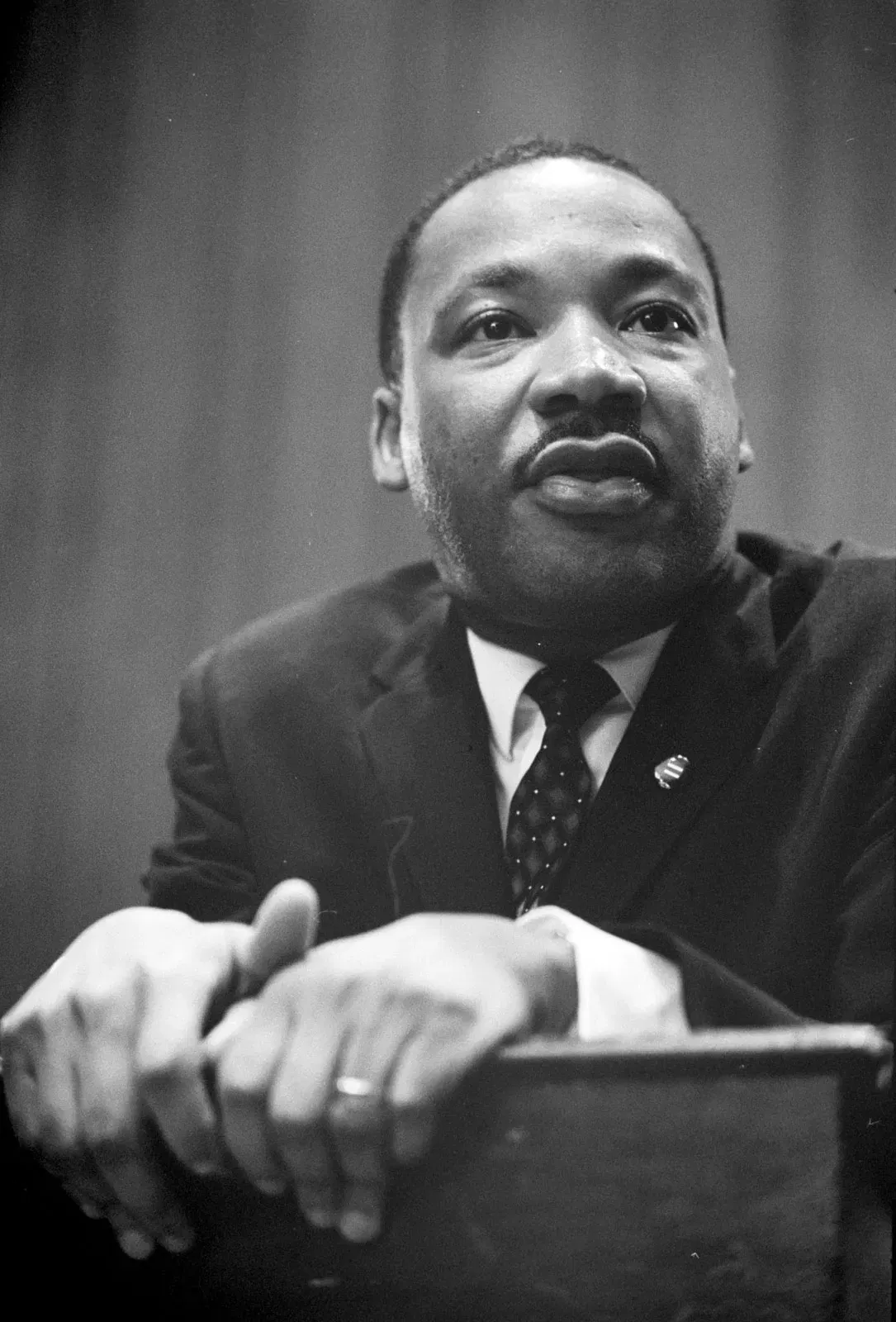
Every third Monday in January, Americans across the nation pause to honor the life and legacy of Reverend Dr. Martin Luther King Jr., the iconic civil rights leader whose dream of equality transformed the United States. Martin Luther King Jr. Day is more than just a federal holiday—it's a national day of service, a time for reflection on the ongoing struggle for justice, and a celebration of the power of nonviolent activism. From its hard-fought establishment in 1983 to its modern-day observances featuring parades, volunteer projects, and educational events, this holiday represents a unique blend of historical remembrance and community action.
The 15-Year Battle: How MLK Day Became a Federal Holiday
The journey to create Martin Luther King Jr. Day was a monumental struggle that took 15 years of persistent advocacy. Just four days after Dr. King's assassination on April 4, 1968, Michigan Congressman John Conyers introduced legislation to establish a federal holiday in his honor. "To me, [King] is the outstanding international leader of the 20th century without ever holding office," Conyers later reflected. Despite early enthusiasm from civil rights activists, the bill faced significant opposition in Congress, where some lawmakers argued against creating a holiday for a private citizen and cited concerns about the cost of an additional federal holiday.
The movement gained crucial momentum in the late 1970s and early 1980s through a powerful coalition that included Coretta Scott King, the Congressional Black Caucus, and musician Stevie Wonder. Wonder's 1980 song "Happy Birthday" became an anthem for the campaign, with lyrics that asked, "I just never understood / How a man who died for good / Could not have a day that would / Be set aside for his recognition." The campaign collected six million signatures in support of the holiday, one of the largest petition drives in American history at that time.
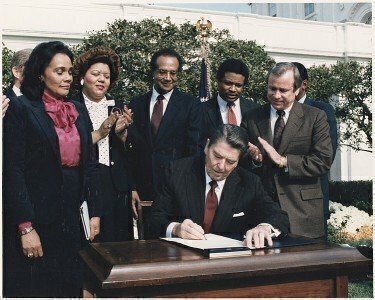
After the bill finally passed the House in 1983 with a 338-90 vote, it faced one last hurdle in the Senate where North Carolina Senator Jesse Helms attempted to block it by presenting documents accusing King of communist ties. New York Senator Daniel Patrick Moynihan famously threw the 400-page binder to the ground, calling it a "packet of filth." The Senate ultimately passed the legislation, and President Ronald Reagan signed the King Holiday Bill into law on November 2, 1983. "I would have preferred a non-holiday in King's honor," Reagan acknowledged, "but since they seem bent on making it a national holiday, I believe the symbolism of that day is important enough that I will sign that legislation."
Timeline: From Civil Rights Movement to National Holiday
The path from Dr. King's birth to nationwide holiday recognition spans nearly a century of American history. Understanding this timeline helps explain why the holiday represents such a significant achievement for the civil rights movement.
January 15, 1929: Martin Luther King Jr. is born in Atlanta, Georgia. He would grow up to become a Baptist minister and the most prominent leader of the American civil rights movement.
1955-1956: King leads the Montgomery bus boycott after Rosa Parks' arrest, emerging as a national figure in the struggle against racial segregation.
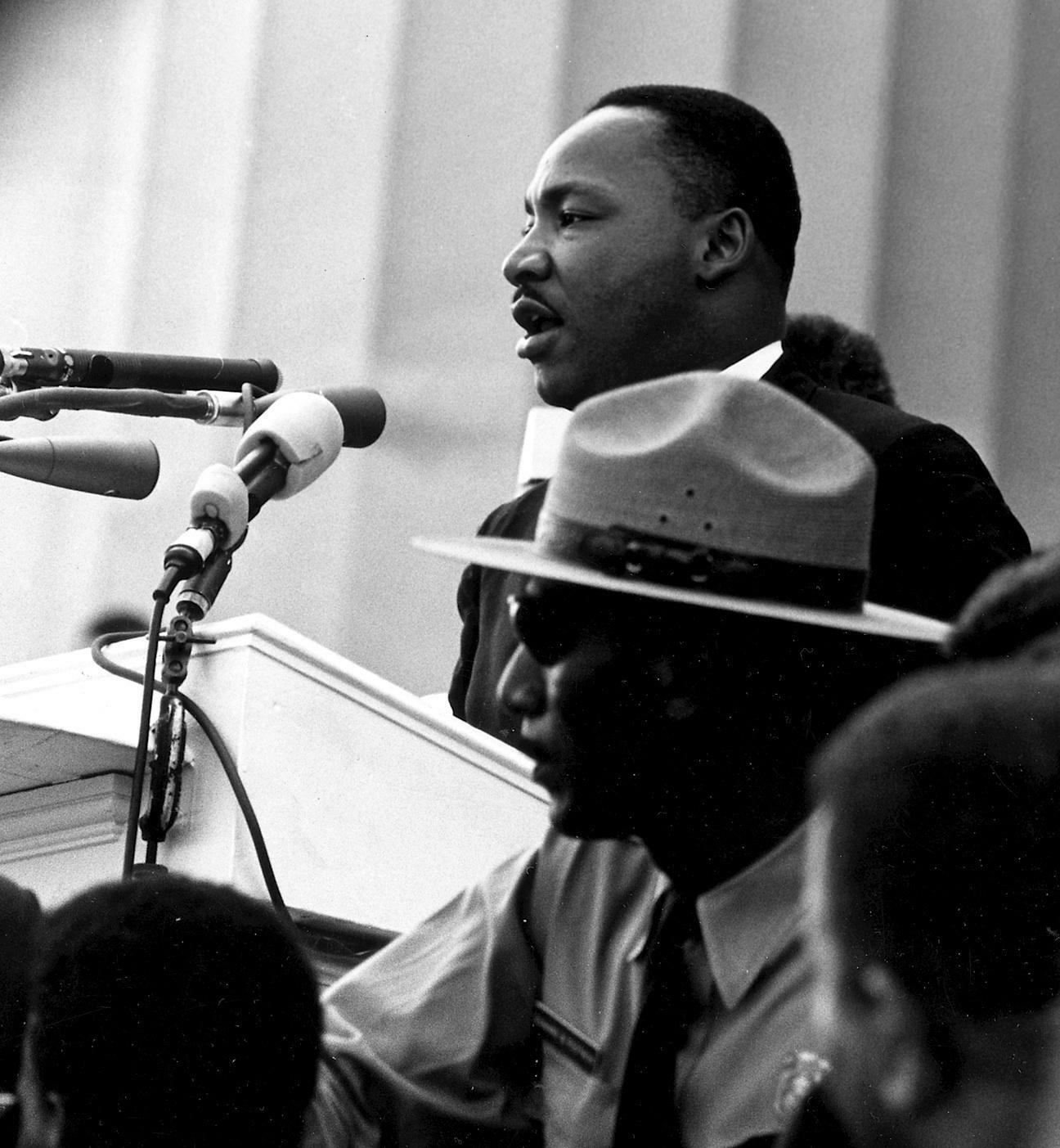
August 28, 1963: King delivers his iconic "I Have a Dream" speech to 250,000 people at the March on Washington for Jobs and Freedom, defining the moral vision of the civil rights movement.
1964: At age 35, King becomes the youngest person to receive the Nobel Peace Prize for his nonviolent resistance to racial prejudice.
April 4, 1968: King is assassinated in Memphis, Tennessee, at age 39. Four days later, Representative John Conyers introduces the first bill to create a federal holiday in his honor.
1970-1979: Several states and cities begin observing King's birthday as a holiday, but federal legislation repeatedly stalls in Congress. In 1979, the House bill falls five votes short of passage.
1983: After a massive public campaign, Congress passes and President Reagan signs the bill creating Martin Luther King Jr. Day as a federal holiday.
January 20, 1986: The first federal observance of Martin Luther King Jr. Day takes place.
1994: Congress passes the King Holiday and Service Act, transforming the holiday into a national day of service.
2000: All 50 states officially recognize Martin Luther King Jr. Day, with South Carolina becoming the last state to approve a paid holiday for state employees.
Why This Holiday Matters: More Than Just a Day Off
Martin Luther King Jr. Day holds unique significance among American holidays. It's the only federal holiday dedicated to honoring an African American, and since 1994, it has been officially designated as a national day of service—making it "a day on, not a day off," as Coretta Scott King described it. This dual purpose reflects both Dr. King's legacy and his philosophy of active engagement in building what he called "the beloved community."
"No other holiday serves as a focal point for encouraging improved race relations," Coretta Scott King observed in 1985. "This holiday can help unify Americans in the spirit of Martin's dream." The holiday encourages Americans to confront ongoing issues of racial inequality, economic justice, and social division—issues that remain relevant today. By combining historical education with community service, MLK Day creates opportunities for people to learn about the civil rights movement while actively working to advance its unfinished goals.
Dr. King's vision extended beyond ending segregation to addressing what he called the "triple scourge" of racism, poverty, and militarism. The holiday serves as an annual reminder that the work he began remains incomplete. As Taylor Branch, King's biographer, noted, "We were on the mission to redeem America from the triple scourge of racial bigotry, of war and poverty for a largely invisible minority—to have that ambition is just stunning."
How Americans Celebrate MLK Day Today
Modern observances of Martin Luther King Jr. Day reflect the holiday's evolution from a simple day of remembrance to a multifaceted celebration of service and community. Across the country, Americans mark the day through various activities that honor Dr. King's legacy while addressing current community needs.
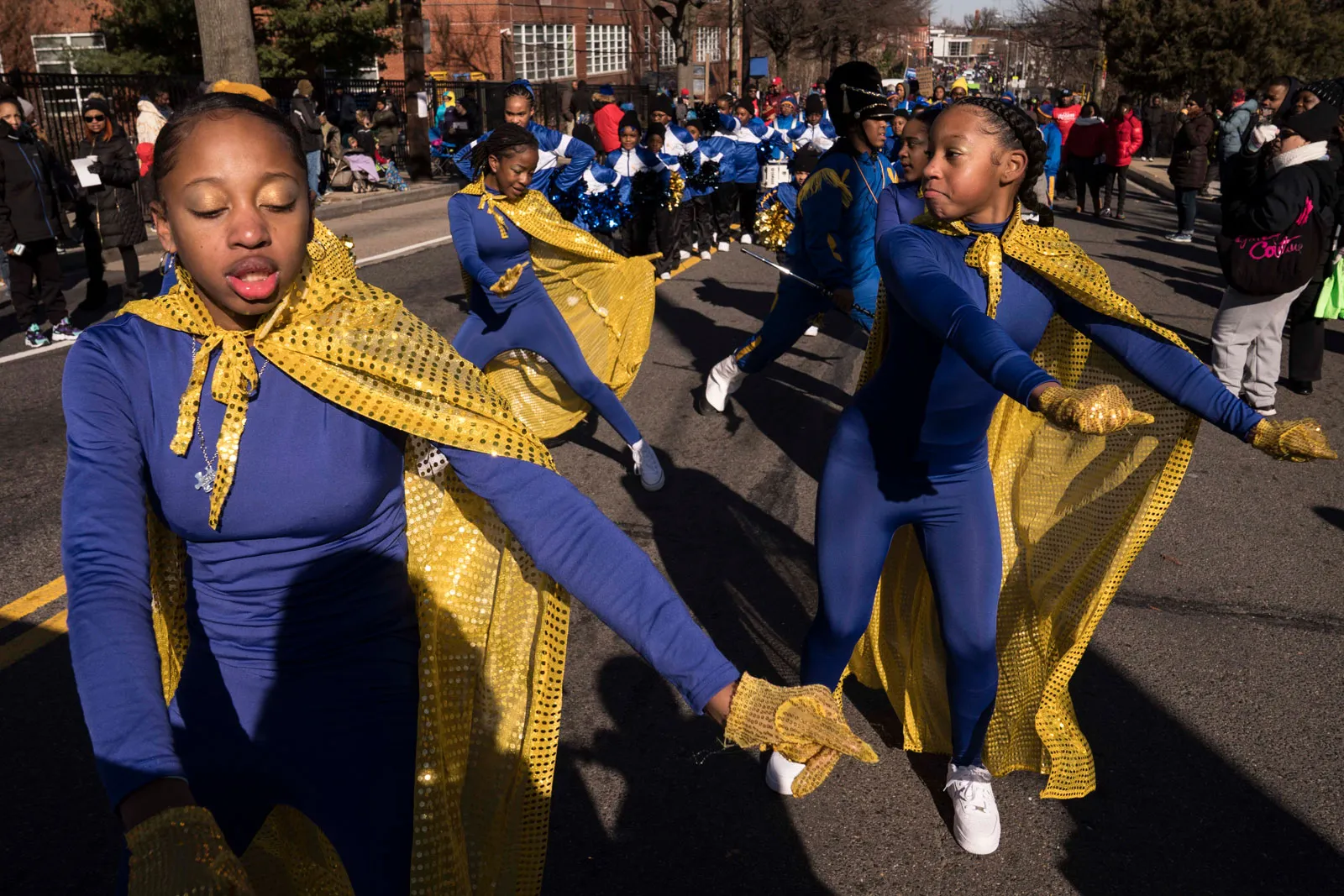
Traditional observances include memorial marches, parades, and interfaith services at churches and community centers. Many cities host educational programs featuring speeches by civil rights leaders, historical exhibitions, and film screenings about the civil rights movement. Schools often incorporate lessons about Dr. King's life and philosophy into their curriculum around the holiday.
The national day of service component has become increasingly prominent. Organizations like the Corporation for National and Community Service coordinate volunteer opportunities ranging from food bank assistance and neighborhood cleanups to tutoring programs and home repairs for low-income families. In recent years, events like those in Boulder, Colorado, have shown how communities creatively honor King's legacy—through hip-hop dance classes exploring social justice themes, spoken word performances reflecting on his message, and intergenerational dialogues about continuing his work.
Political leaders also use the occasion to reflect on the state of civil rights. Presidents traditionally visit significant sites related to King's life, such as the Martin Luther King Jr. Memorial in Washington or the Ebenezer Baptist Church in Atlanta where he preached. These visits often include calls to action on contemporary issues of justice and equality.
The Future of MLK Day: Continuing the Journey Toward Justice
As Martin Luther King Jr. Day approaches its 40th anniversary as a federal holiday in 2026, its relevance continues to grow rather than diminish. The holiday has evolved from a controversial proposal to a widely accepted national tradition, but its deeper purpose—to inspire action toward King's unrealized dream—remains as urgent as ever. Recent years have seen renewed focus on how the holiday can address contemporary challenges while staying true to its origins.
Many communities are expanding their MLK Day observances to include discussions about current civil rights issues, from voting rights and police reform to economic inequality and educational equity. The holiday increasingly serves as a platform for intergenerational dialogue, connecting veterans of the civil rights movement with young activists engaged in today's social justice movements. This continuity ensures that King's legacy remains a living tradition rather than merely historical memory.
Technology has also transformed how Americans observe the holiday. Virtual volunteer opportunities, online educational resources, and digital commemorations have made MLK Day accessible to more people than ever before. Organizations are developing innovative ways to engage younger generations through social media campaigns, interactive exhibits, and multimedia projects that connect King's message to contemporary issues.
Key Takeaways: What Everyone Should Know About MLK Day
Martin Luther King Jr. Day represents one of the most significant achievements of the American civil rights movement—the official recognition of an African American leader with a federal holiday. Its establishment required 15 years of determined advocacy by a broad coalition of activists, politicians, artists, and ordinary citizens. Today, the holiday serves dual purposes: honoring Dr. King's legacy and inspiring community service that advances his vision of justice.
The holiday's journey from controversial proposal to national tradition reflects both progress made and work remaining in the struggle for equality. As Americans continue to grapple with issues of race, poverty, and social division, MLK Day provides an annual opportunity to reflect on how far the nation has come and how far it still must go to realize King's dream of a "beloved community" where all people are valued equally.
Whether through participating in a service project, attending an educational event, or simply taking time to learn more about the civil rights movement, every American can use Martin Luther King Jr. Day as an opportunity to contribute to building the more just society that Dr. King envisioned. As Coretta Scott King reminded us, this holiday isn't just about looking back—it's about moving forward together toward the promise of equality that remains at the heart of the American experiment.