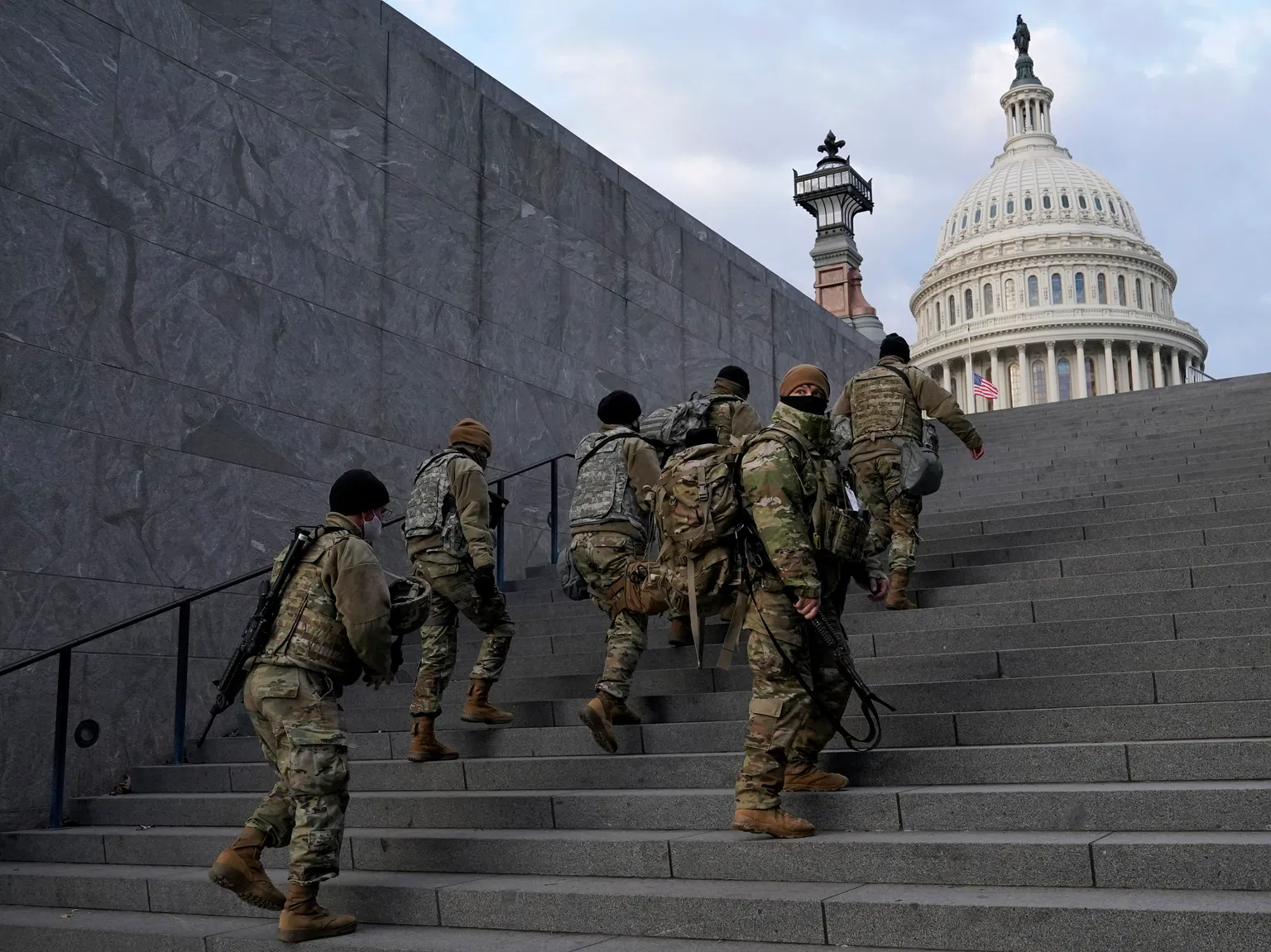
The Insurrection Act of 1807, a powerful and rarely used federal law, grants the president of the United States the authority to deploy military forces on American soil. With recent political debates bringing this centuries-old statute back into the spotlight, understanding its scope, history, and limitations has become crucial. This law serves as the primary exception to the Posse Comitatus Act, which generally prohibits using the military for domestic law enforcement, and it has been invoked at pivotal moments throughout American history—from the Civil War to the civil rights movement.
The Insurrection Act Explained: What the Law Actually Does
At its core, the Insurrection Act authorizes the president to deploy U.S. armed forces inside the country to suppress rebellion, domestic violence, or to enforce federal law when ordinary judicial proceedings become impracticable. The statute is actually an amalgamation of laws passed between 1792 and 1871, now codified in Title 10 of the U.S. Code. It implements Congress's constitutional authority to "provide for calling forth the Militia to execute the Laws of the Union, suppress Insurrections and repel Invasions."
The law contains three main sections that outline different scenarios for deployment. Section 251 allows deployment when a state's legislature or governor requests federal aid to suppress an insurrection. Sections 252 and 253 permit the president to act without state consent—either to enforce federal laws or suppress rebellion when state authorities are unable or unwilling to protect constitutional rights. This latter provision was famously used during the civil rights era to enforce school desegregation orders in the South.
Despite its broad language, the Insurrection Act is not unlimited. The Department of Justice has historically interpreted it as being constrained by the Constitution and American tradition. Troops deployed under the act must still respect constitutional rights—they cannot conduct warrantless searches, for example—and the law only permits enforcement of federal laws, not state or local statutes. Importantly, invoking the Insurrection Act is not the same as declaring martial law, which would involve the military taking over civilian government functions.
From Whiskey Rebellion to LA Riots: A Timeline of the Act's Use
The Insurrection Act and its predecessor statutes have been invoked approximately 30 times throughout American history. President George Washington first exercised similar authority in 1794 to suppress the Whiskey Rebellion, establishing the precedent that would lead to the formal Insurrection Act. The law was signed by Thomas Jefferson in 1807, partly in response to concerns about Aaron Burr's suspected plans to raise a private army in the Southwest.
Abraham Lincoln invoked the act at the start of the Civil War in 1861, marking its most extensive use. During Reconstruction, President Ulysses S. Grant used it multiple times to combat Ku Klux Klan terrorism in the South. In the late 19th and early 20th centuries, presidents including Grover Cleveland and Woodrow Wilson deployed troops under the act to intervene in labor disputes, often siding with employers against striking workers.
The most famous modern applications came during the civil rights era. Presidents Dwight Eisenhower, John F. Kennedy, and Lyndon B. Johnson all invoked the act to enforce desegregation orders when Southern governors refused to comply with federal law. Johnson's 1965 deployment to protect voting rights marchers in Selma, Alabama, marked the last time a president used the act without a state's request.
The most recent invocation occurred in 1992, when President George H.W. Bush sent troops to Los Angeles at California Governor Pete Wilson's request following the acquittal of police officers in the Rodney King beating. The resulting riots had caused 63 deaths and over $1 billion in property damage, overwhelming local authorities.
Why Legal Experts Are Sounding the Alarm About Potential Abuse
In recent years, bipartisan groups of legal scholars and former government officials have raised concerns about the Insurrection Act's potential for abuse. The law hasn't been substantively updated since 1874, and its vague terminology—terms like "insurrection," "domestic violence," and "unlawful obstructions" are not defined—gives presidents wide discretion. "It's really up to the president to decide when to use the armed forces as a domestic police force," said Elizabeth Goitein of the Brennan Center for Justice. "And that is tremendous cause for concern, because an army turned inward can very quickly become an instrument of tyranny."
These concerns gained urgency after the January 6, 2021, Capitol attack, when Stewart Rhodes, founder of the Oath Keepers militia group convicted of seditious conspiracy, urged then-President Donald Trump to invoke the Insurrection Act to keep himself in power. Although Trump didn't take that step, the episode highlighted how the law could potentially be misused. "The general principle is that we don't live in a military dictatorship and we don't use the military for ordinary law enforcement purposes," said Maryland Representative Jamie Raskin, who helped investigate the January 6 attack.
Harvard law professor Jack Goldsmith, who leads the Presidential Reform Project, has outlined three key reforms needed: clarifying and narrowing the language defining when the act can be used, requiring presidential consultation with state officials and Congress before deployment, and imposing time limits on deployments unless Congress approves an extension. "It's a huge blank check, it is easily subject to abuse, it's easy to imagine abuse," Goldsmith said of the current law.
Where Things Stand Now: Recent Threats and Legal Challenges
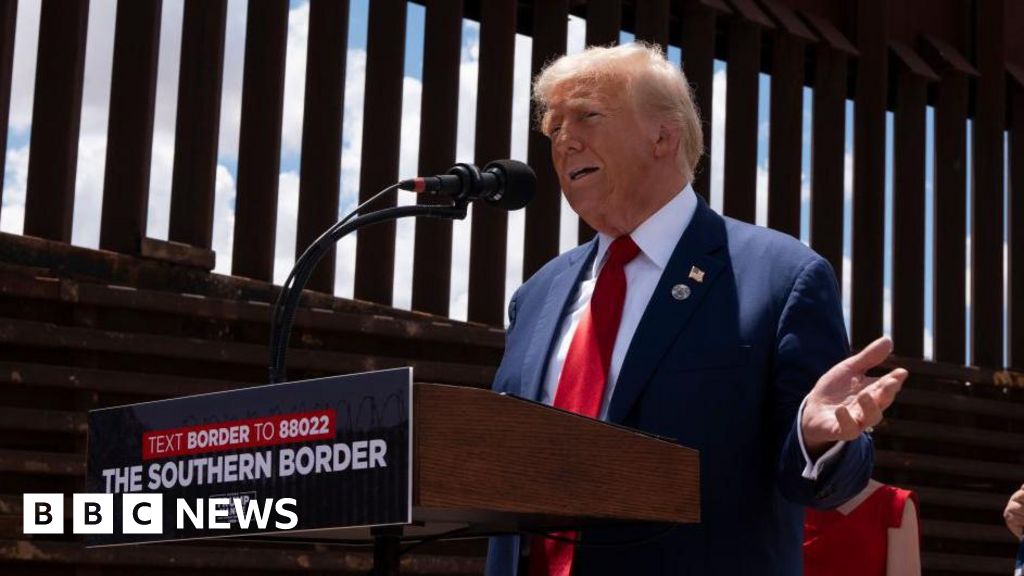
Former President Donald Trump has repeatedly threatened to invoke the Insurrection Act, both during his first term and in his current campaign. In 2020, he considered using it to suppress protests following George Floyd's murder but was reportedly talked out of the idea by advisors. More recently, he has suggested deploying troops to address crime in major cities, patrol the southern border, and respond to protests against Immigration and Customs Enforcement operations.
In October 2025, Trump told reporters he was "allowed" to use the Insurrection Act if courts blocked his efforts to deploy National Guard troops to cities like Portland and Chicago. "We're trying to do it in a nicer manner, but we can always use the Insurrection Act if we want," he said. These statements have prompted legislative responses, including a proposal from Senator Richard Blumenthal (D-Conn.) that would require congressional approval for extended deployments.
Current legal battles over Trump's use of other statutes to deploy National Guard troops to Democratic-led cities suggest any Insurrection Act invocation would face immediate court challenges. Federal judges have already blocked some National Guard deployments, indicating that courts may scrutinize the factual basis for any domestic military deployment.
The Road Ahead: What Reform Might Look Like
The growing consensus among legal experts is that the Insurrection Act needs modernization. Proposed reforms generally focus on several key areas: defining key terms more precisely, establishing clearer thresholds for deployment, requiring consultation with state governments and Congress, and creating sunset provisions that would force congressional review of extended deployments. Some proposals would also require the president to publicly explain the legal basis for invoking the act.
Connecticut Senator Richard Blumenthal has been working on bipartisan legislation that would give Congress about a week to approve any Insurrection Act deployment before troops would need to be withdrawn. "My hope is that my colleagues in a very bipartisan way will recognize the need for safeguards and guard rails on a power that right now is unlimited, untrammeled and could be easily abused by any president, not one particular individual," Blumenthal said.
These reform efforts recognize that while there may be rare circumstances where domestic military deployment is necessary—such as when state authorities are completely overwhelmed or actively obstructing federal law—the current statute's 19th-century language doesn't reflect 21st-century realities. As Joseph Nunn of the Brennan Center noted, the law was designed "for a 19th-century country that doesn't exist anymore."
Key Takeaways: What You Need to Know About the Insurrection Act
- The Insurrection Act of 1807 allows the president to deploy U.S. military forces domestically to suppress rebellion, enforce federal law, or protect constitutional rights.
- It has been invoked about 30 times in American history, most recently during the 1992 Los Angeles riots.
- The law contains three main provisions: one requiring state request, and two allowing federal action without state consent under specific circumstances.
- Legal experts across the political spectrum are calling for reforms to clarify the law's vague language and add congressional oversight.
- Recent political discussions have focused on potential uses for border enforcement, suppressing protests, and addressing urban crime.
- Any future invocation would likely face immediate legal challenges and intense political scrutiny.
Understanding the Insurrection Act is essential for anyone concerned about the balance between national security and civil liberties. As debates about presidential power continue, this centuries-old law remains a potent—and potentially dangerous—tool that sits at the intersection of military authority and domestic governance.