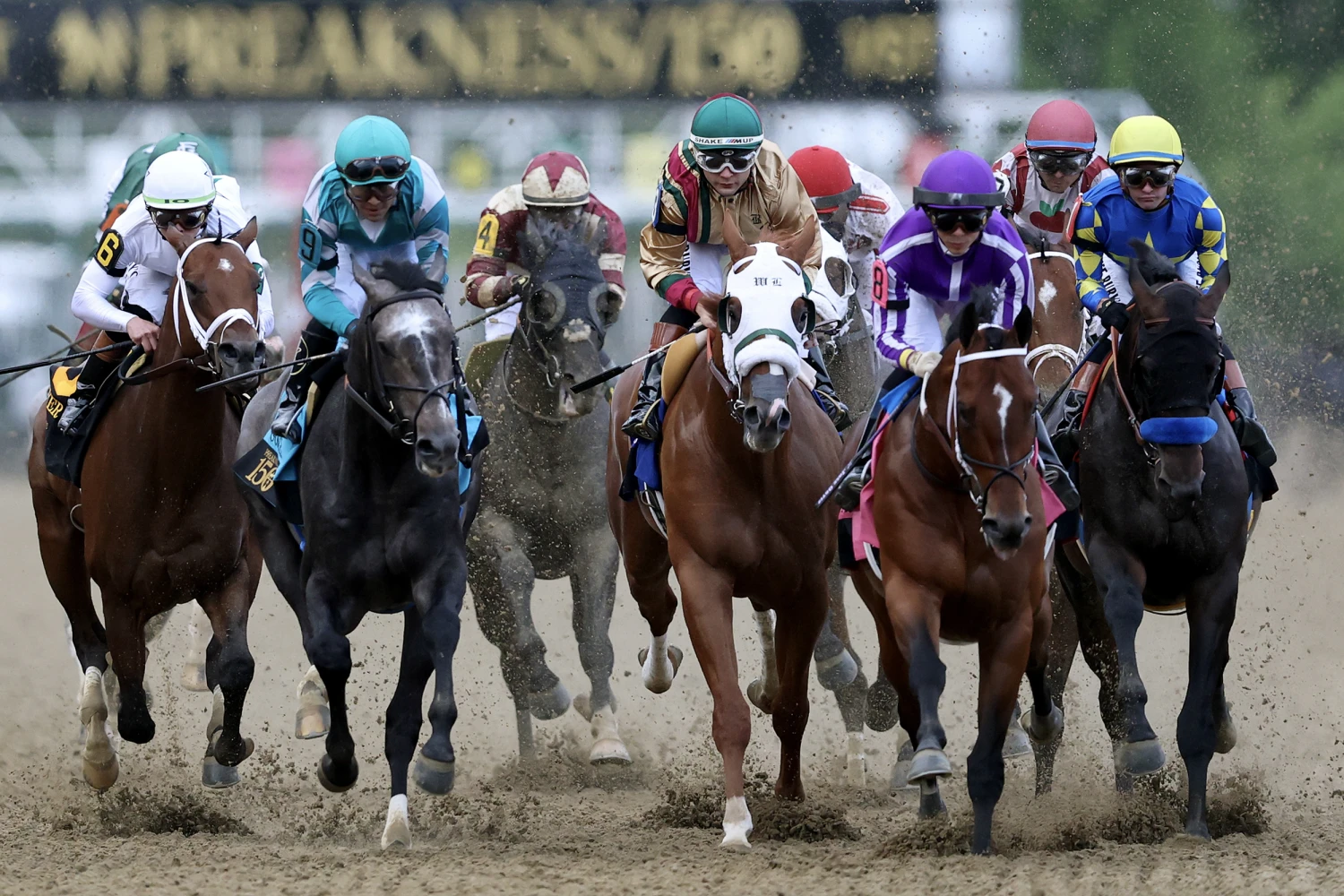
The Preakness Stakes is one of the most celebrated events in American horse racing, serving as the middle jewel of the prestigious Triple Crown. Run annually on the third Saturday of May, this Grade I thoroughbred race draws hundreds of thousands of spectators and millions of television viewers. The 2026 running — the 151st edition — made history by moving to Laurel Park for the first time, and produced a thrilling underdog victory by Napoleon Solo. Here's everything you need to know about this legendary race and how the 2026 edition unfolded.
How the Preakness Stakes Became a Triple Crown Legend
The story of the Preakness Stakes begins over 150 years ago. The first Preakness was run on May 27, 1873, at Pimlico Race Course in Baltimore, Maryland. The race was named after the colt Preakness, who won Pimlico's very first race — the Dinner Party Stakes — on the track's opening day in October 1870. Maryland Governor Oden Bowie had made a wager at a dinner party in Saratoga Springs, New York, that led to the creation of both Pimlico Race Course and the race that would bear the colt's name.
Since then, the Preakness has grown into the second leg of American horse racing's Triple Crown, sandwiched between the Kentucky Derby (run two weeks earlier) and the Belmont Stakes (run three weeks later). Its distance of 1 3/16 miles (9.5 furlongs) makes it the shortest of the three Triple Crown races, often favoring horses with raw speed and tactical positioning.
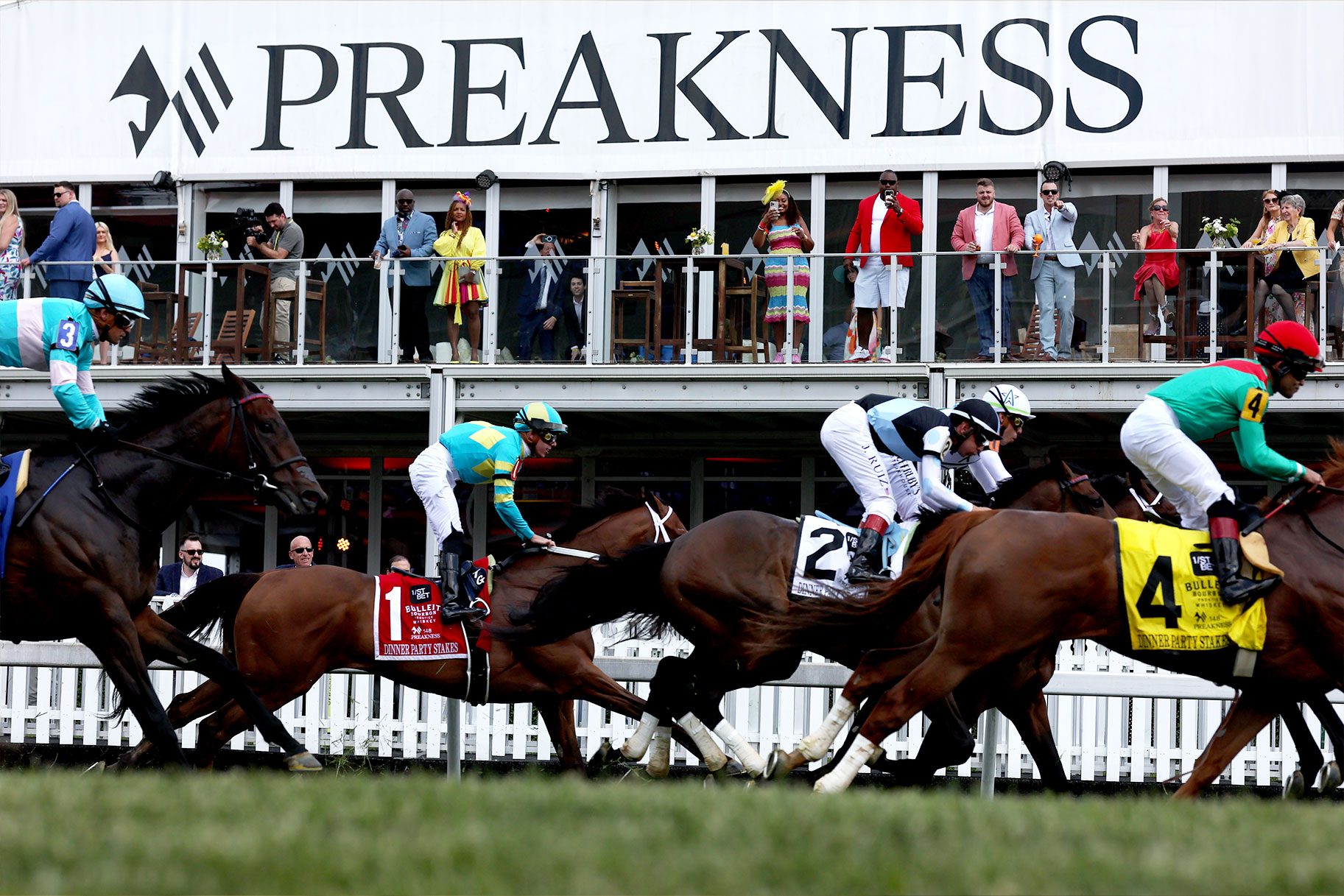
What Makes the Preakness Unique: Traditions of 'The Run for the Black-Eyed Susans'
The Preakness is steeped in traditions that set it apart from its Triple Crown counterparts. Unlike the Kentucky Derby's blanket of roses, the Preakness winner is draped in a blanket of Black-Eyed Susans — Maryland's state flower. The blanket, made from over 800 individual flowers, is actually crafted using Viking Poms (chrysanthemums dyed to resemble the black-eyed Susan) since the real flowers bloom later in the season. The tradition has earned the race its enduring nickname: "The Run for the Black-Eyed Susans."
Another beloved tradition is the singing of "Maryland, My Maryland" before the race, led by the U.S. Naval Academy Glee Club from Annapolis. The winning horse is also painted with the distinctive Woodlawn Vase — a silver trophy valued at over $1 million that stays on display at the Maryland Historical Society, with a smaller replica given to the winning owners. The winner's circle ceremony also includes the playing of the state song and the presentation of the trophy by the governor of Maryland.
Timeline: How the 2026 Preakness Came to Be
1873 — The first Preakness Stakes is run at Pimlico Race Course with a field of seven horses. The winner is Survivor, who finishes three lengths ahead of the field.
1925 — The Preakness officially becomes the second leg of the Triple Crown, cementing its place in racing history. Since then, 13 horses have won the Triple Crown by winning the Kentucky Derby, Preakness, and Belmont Stakes.
2025 — Plans are announced for Pimlico Race Course to undergo extensive renovations. The Maryland Jockey Club confirms the 2026 Preakness will relocate to Laurel Park for the first time in its 153-year history.
May 13, 2026 — Kentucky Derby winner Golden Tempo is officially scratched from the Preakness, with trainer Cherie DeVaux citing the need for rest before the Belmont Stakes. The 14-horse field is finalized.
May 16, 2026 — Race day at Laurel Park. Napoleon Solo, a 10-1 longshot ridden by jockey Paco Lopez and trained by Chad Summers, storms down the homestretch to capture the 151st Preakness Stakes.
Inside the 2026 Race: Napoleon Solo's Historic Underdog Victory
The 2026 Preakness Stakes was historic before the horses even reached the starting gate. For the first time in the race's 153-year history, the event was held at Laurel Park in Laurel, Maryland, instead of its traditional home at Pimlico Race Course in Baltimore. Pimlico was undergoing extensive renovations, making the one-year move necessary. Despite the venue change, the race maintained its $2 million purse, with $1.2 million going to the winner.
The field was considered wide open, with three horses — Taj Mahal, Chip Honcho, and Incredibolt — all sharing the role of 5-1 morning line favorites. Kentucky Derby winner Golden Tempo was absent, having been rested by her trainer for the Belmont Stakes instead. In the end, it was Napoleon Solo — carrying 10-1 odds — who surged ahead at the top of the stretch and held off a charging field to win by a length and a quarter.
"He just kept finding more," said winning trainer Chad Summers after the race. "Every time a horse came to him, he dug in and gave us everything." For jockey Paco Lopez, it marked his first career Triple Crown race victory, coming at odds that made the win all the sweeter. Napoleon Solo paid $17.80 for a $2 win bet, $9.80 to place, and $7.40 to show. Iron Honor (9-2 favorite) finished second, paying $9.20 to place and $6.60 to show, while Chip Honcho rounded out the trifecta, paying $8.20 to show.
The Bigger Picture: Why the Preakness Matters in Modern Horse Racing
The 2026 Preakness highlighted several ongoing trends in thoroughbred racing. The absence of the Kentucky Derby winner continued a pattern seen in recent years where top trainers opt to skip the Preakness to give their horses more recovery time. BloodHorse editor Byron King explained to NPR why this has become increasingly common: "One of the challenges of the whole Triple Crown series is the timing of it. Two weeks from the Kentucky Derby to the Preakness is less than what a lot of trainers prefer."
King added that stricter medication protocols have also changed the game: "In the old days, they might have been able to get some nonsteroidal anti-inflammatories to help take away some of the aches and pains. But now these horses have such strict protocols that people are making sure that horse is feeling his best on race day."
But the Preakness remains a vital part of American sports culture. With roughly 100,000 fans typically attending and millions more watching on NBC and Peacock, the event generates significant economic impact for Maryland. The race also serves as a career-defining moment for trainers, jockeys, and owners — Napoleon Solo's victory launched relative unknowns into the national spotlight.
Where Things Stand Now: Preakness 151 in the Record Books
The 2026 Preakness Stakes is now complete, with Napoleon Solo etching his name alongside legends like Secretariat (who holds the track record of 1:53.0 set in 1973), American Pharoah (2015 Triple Crown winner), and Justify (2018 Triple Crown winner). The $2 million purse was distributed among the top five finishers, with the winning connections taking home $1.2 million.
The full order of finish from the 151st Preakness:
1st: Napoleon Solo (10) — Paco Lopez — $17.80 / $9.80 / $7.40
2nd: Iron Honor (9) — Flavien Prat — $9.20 / $6.60
3rd: Chip Honcho (6) — Jose Ortiz — $8.20
4th: Ocelli (2) — Tyler Gaffalione
5th: Taj Mahal (1) — Sheldon Russell
The exacta (10-9) paid $53.60, the trifecta (10-9-6) paid $597.10, and the superfecta (10-9-6-2) paid $2,377.80.
What's Next for the Triple Crown and Preakness 2027
With Napoleon Solo's victory, the Triple Crown picture now shifts to the Belmont Stakes on June 6, 2026. Without a potential Triple Crown on the line, the Belmont becomes a race for individual glory among the nation's top three-year-olds. Napoleon Solo is expected to be entered, though no official announcement has been made.
The 2027 Preakness Stakes is expected to return to its traditional home at Pimlico Race Course following the completion of renovations. The Maryland Jockey Club has confirmed that Preakness 152 will take place on May 15, 2027, back in Baltimore, where the race has been run for over 150 years. For horse racing fans, that return to tradition — combined with the continuing evolution of the sport — will make the 2027 running one to watch.
Key Takeaways: Everything You Need to Know About the Preakness
- What it is: A Grade I thoroughbred horse race and the second leg of the Triple Crown
- Distance: 1 3/16 miles (1.9 km) on dirt — the shortest Triple Crown race
- When: Third Saturday of May each year
- Where: Historically at Pimlico Race Course in Baltimore; the 2026 edition was at Laurel Park
- First run: 1873 (152 years ago), making it older than the Kentucky Derby by two years
- 2026 winner: Napoleon Solo (10-1 odds), ridden by Paco Lopez and trained by Chad Summers
- Purse: $2 million ($1.2 million to the winner)
- Signature tradition: The winning horse is draped in a blanket of Black-Eyed Susans, Maryland's state flower