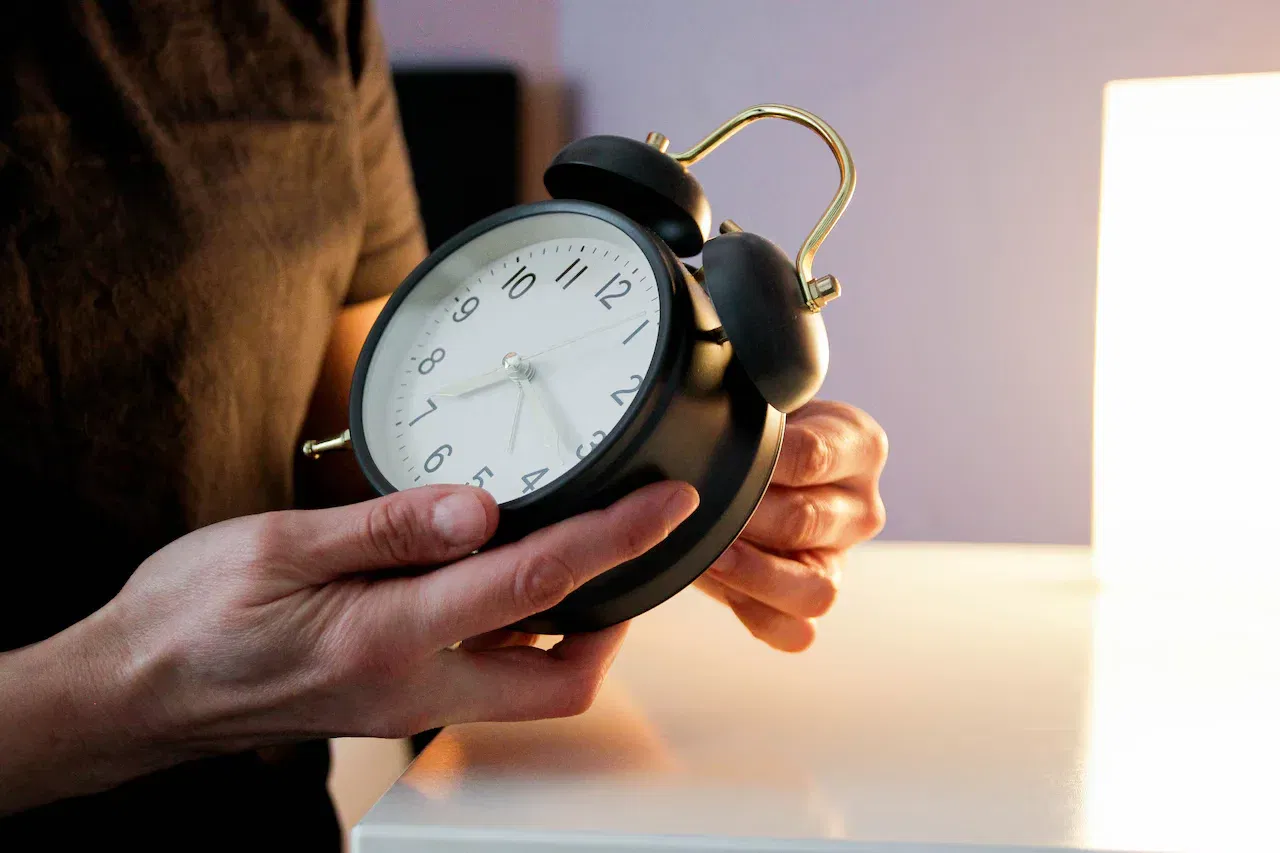
When you ask "What time is it?" the answer depends on more than just your clock. In the United States and many other countries, daylight saving time complicates timekeeping by shifting clocks forward in spring and back in fall. This year, daylight saving time ended on November 2, 2025, at 2 a.m., giving Americans an extra hour of sleep as clocks "fell back." But the simple question of time reveals a complex system of time zones, historical energy-saving measures, and ongoing legislative battles that could change how we set our clocks forever.
How Daylight Saving Time Works: The Basics of Spring Forward and Fall Back
Daylight saving time (DST) follows a predictable annual schedule in the United States. Clocks "spring forward" one hour at 2 a.m. on the second Sunday in March, moving an hour of daylight from morning to evening. This year, DST began on March 9, 2025. Then, on the first Sunday in November, clocks "fall back" one hour at 2 a.m., returning to standard time. In 2025, that occurred on November 2. The next spring forward will be on March 8, 2026.
When clocks fall back, people gain an hour of sleep, but darkness arrives earlier in the evening. Digital clocks often adjust automatically, but analog clocks and some appliances need manual changes. Not all regions observe DST: Hawaii, Arizona (except the Navajo Nation), American Samoa, Guam, the Northern Mariana Islands, Puerto Rico, and the U.S. Virgin Islands stay on standard time year-round, as allowed by the Uniform Time Act of 1966.

The original purpose of DST was to save energy by making better use of daylight during longer summer evenings. However, studies on its actual energy savings have yielded mixed results, and the practice has become increasingly controversial due to health and economic impacts.
A Century of Time Changes: The History of Daylight Saving
Daylight saving time was first implemented by Germany in 1916 during World War I as a way to conserve coal by reducing the need for artificial lighting. Other European countries and the United States soon followed. After the war, many nations abandoned DST, but it returned during World War II for similar energy-saving reasons.
In the United States, the lack of a uniform system led to confusion, with different states and cities observing DST on different dates. This chaos prompted Congress to pass the Uniform Time Act of 1966, which standardized the start and end dates of DST across the country. The law allowed states to opt out entirely but prohibited them from permanently staying on DST without federal approval.
Over the decades, the dates have shifted slightly. In 2007, the Energy Policy Act extended DST by about four weeks, moving the start from the first Sunday in April to the second Sunday in March and the end from the last Sunday in October to the first Sunday in November.
The Health Impact: Why Changing Clocks Twice a Year Affects Your Body
Research increasingly shows that the biannual clock change disrupts circadian rhythms, leading to negative health outcomes. A 2025 study from Stanford Medicine found that the transitions into and out of DST are associated with an increased risk of heart attacks, obesity, and strokes. The "spring forward" loss of an hour is particularly harmful, correlating with a spike in heart attacks in the days following the change.
Beyond physical health, DST shifts can affect mental well‑being, contributing to mood disorders and seasonal affective disorder (SAD). The sudden change in daylight exposure can disrupt sleep patterns, leading to fatigue, decreased productivity, and a higher incidence of workplace accidents.
These health concerns are a major driver behind the push to eliminate seasonal time changes. Public health advocates argue that a permanent time standard would stabilize sleep schedules and reduce the associated health risks.
Current Legislation: Where the Sunshine Protection Act Stands Now
In 2022, the U.S. Senate unanimously passed the Sunshine Protection Act, a bill that would make daylight saving time permanent across the nation. However, the bill stalled in the House of Representatives and did not become law. Since then, similar legislation has been reintroduced but has yet to advance.
At the state level, at least 19 states have passed laws or resolutions to adopt permanent daylight saving time if Congress allows it. These include California, Florida, and Oregon. However, without a change in federal law, these states cannot implement permanent DST. A few states, like Arizona and Hawaii, have chosen permanent standard time, which is currently permitted.
Political figures have weighed in on the debate. Former President Donald Trump has called for eliminating daylight saving time, describing it as "inconvenient and very costly to our Nation." Meanwhile, public opinion strongly favors change: a 2022 CBS News/YouGov poll found that nearly 80% of Americans support ending the twice‑yearly time switch.
What's Next for Daylight Saving Time: Predictions and Possibilities
As frustration with clock changes grows, several scenarios could unfold. The most likely outcome is that Congress eventually passes a version of the Sunshine Protection Act, making daylight saving time permanent. This would require states that prefer standard time to opt out, potentially creating a patchwork of time zones.
Another possibility is that the federal government could allow states to choose between permanent standard time and permanent daylight saving time, giving localities more control. However, this could lead to increased confusion for transportation and communication across state lines.
Some advocates propose abandoning DST altogether and staying on standard time year‑round, arguing that it better aligns with natural sunlight patterns. Regardless of the path, the momentum for ending seasonal time changes appears strong, driven by health concerns, economic arguments, and public demand.
Key Takeaways: What You Need to Know About Time Changes
- Daylight saving time 2025 began on March 9 and ended on November 2. Clocks spring forward on the second Sunday in March and fall back on the first Sunday in November.
- History: DST was first used in 1916 by Germany to save energy during WWI. The U.S. standardized it with the Uniform Time Act of 1966.
- Health effects: Switching clocks disrupts sleep and is linked to increased risks of heart attacks, obesity, and strokes.
- Legislation: The Sunshine Protection Act, which would make DST permanent, passed the Senate in 2022 but stalled in the House. Many states have passed similar measures pending federal action.
- Exemptions: Hawaii, Arizona (except Navajo Nation), and several U.S. territories do not observe DST.
- Public opinion: About 80% of Americans support ending the twice‑yearly time change.
As the debate continues, the question "What time is it?" may soon have a simpler answer—one that doesn't change with the seasons.