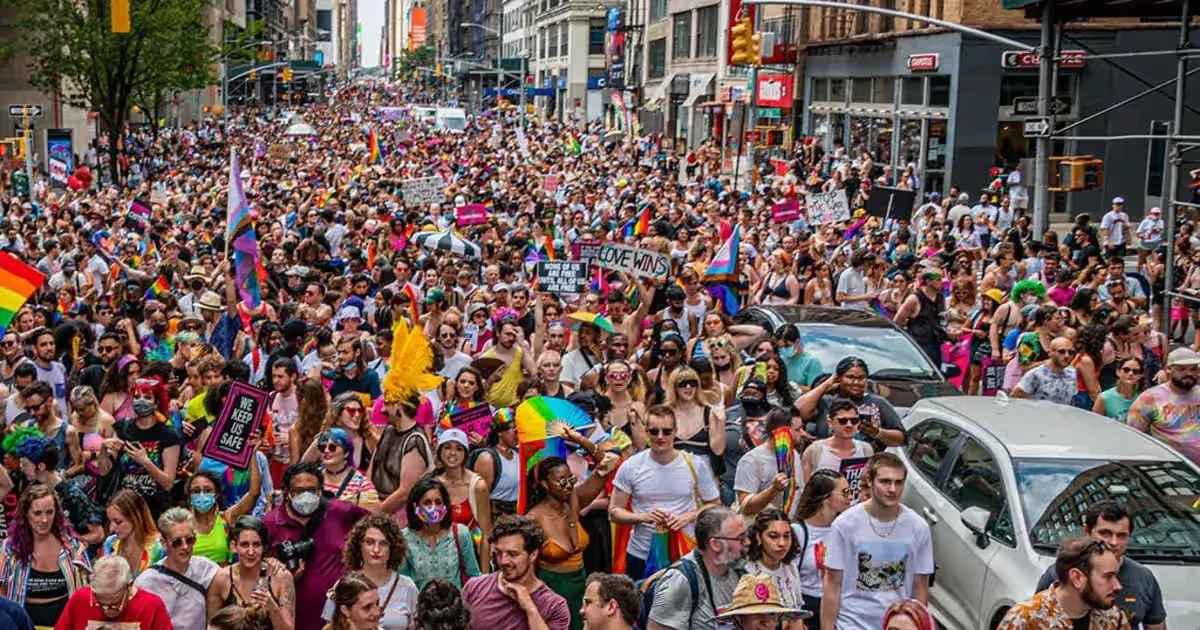
Every June, cities around the world transform into vibrant displays of rainbow colors, parades, and celebrations as part of Pride Month. But what exactly is Pride Month, when does it start and end, and why is it celebrated in June? Whether you're looking to participate in events or simply want to understand the significance behind the month-long observance, here's everything you need to know about when Pride Month is and why it matters.
When Is Pride Month? The Simple Answer
Pride Month takes place every year from June 1 through June 30. In the United States and many countries around the world, the entire month of June is dedicated to celebrating LGBTQ+ communities, honoring their history, and advocating for equal rights. While the official month runs the full 30 days, many of the biggest Pride parades and events are held on or around June 28, the anniversary of the historic Stonewall Uprising that sparked the modern gay rights movement.
Why Is Pride Month Celebrated in June?
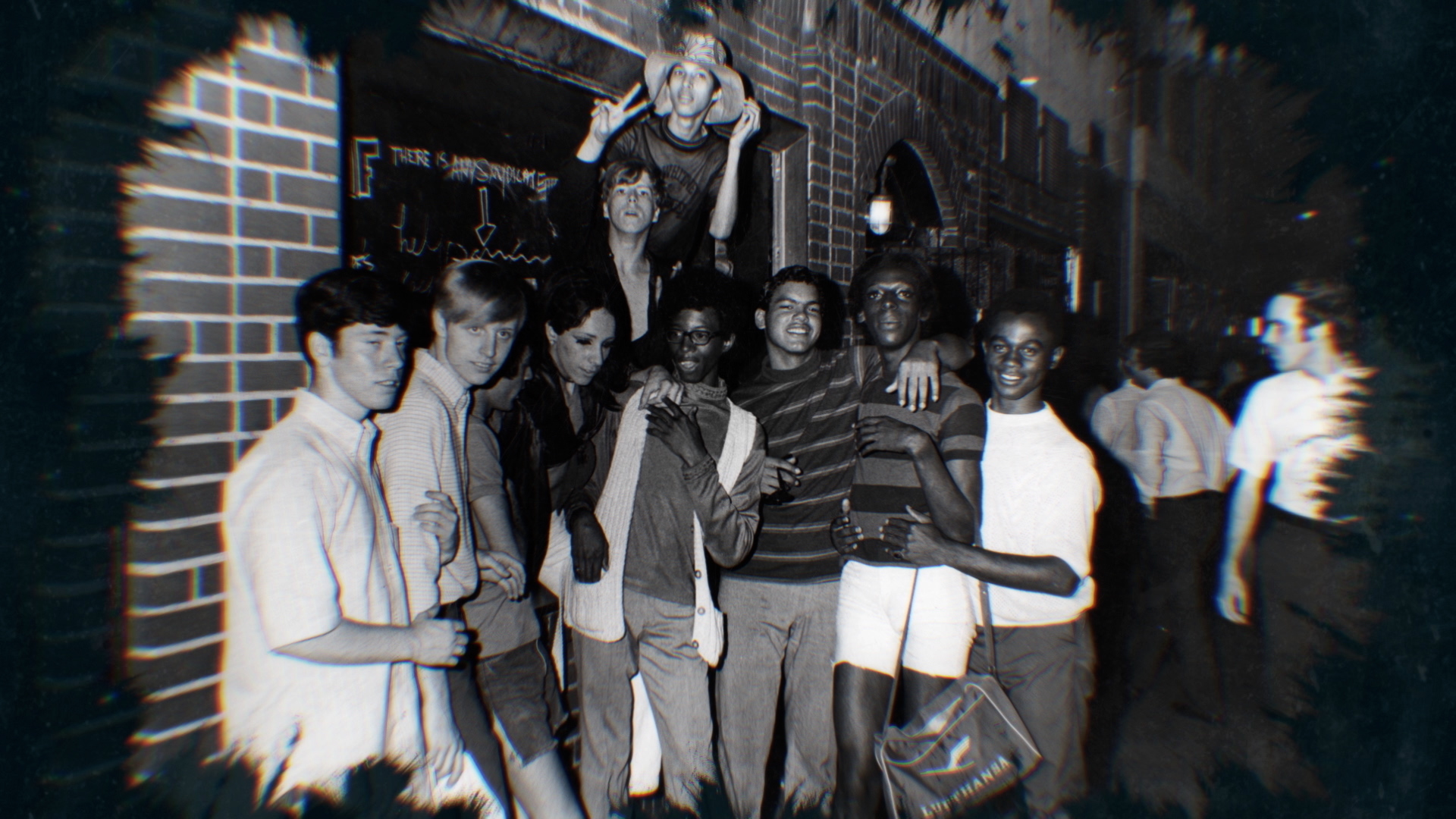
The choice of June is no coincidence. Pride Month is held in June to commemorate the Stonewall Uprising (also known as the Stonewall Riots), a pivotal series of protests that began on June 28, 1969, and lasted for six days. In the early morning hours of that day, police raided the Stonewall Inn, a popular gay bar in Greenwich Village, New York City. Such raids were common at the time, but on this night, patrons and bystanders fought back. The confrontations escalated into full-scale protests and clashes with police that continued for nearly a week.
Before Stonewall, basic civil rights were largely denied to gay, lesbian, bisexual, and transgender people in the United States. Homosexuality was criminalized in most states, and LGBTQ+ individuals faced widespread employment and housing discrimination, police harassment, and social ostracism. The Stonewall Riots marked a turning point, transforming what had been a fringe issue into a national movement that demanded attention.
Timeline: How Pride Month Developed Over the Decades
June 28, 1969 — Police raid the Stonewall Inn in New York City, sparking six days of protests and violent clashes. The event galvanizes the gay liberation movement.
June 28, 1970 — The first Pride marches take place in New York, Los Angeles, Chicago, and San Francisco on the one-year anniversary of the Stonewall Uprising. In New York, an estimated 3,000 to 5,000 participants march 51 blocks from Greenwich Village to Central Park in what was called the Christopher Street Liberation Day March.
1999 — President Bill Clinton officially declares June as "Gay and Lesbian Pride Month," marking the first federal recognition of the observance.
2009 — President Barack Obama expands the designation to "Lesbian, Gay, Bisexual and Transgender Pride Month," making it more inclusive.
2016 — President Obama designates the Stonewall National Monument, a 7.7-acre site around the Stonewall Inn, as a national park unit — the first U.S. national monument dedicated to LGBTQ+ rights.
Present day — Pride Month is celebrated in countries across the globe, including Canada, Australia, Brazil, Spain, Germany, the United Kingdom, and many more.
Important Dates During Pride Month
Throughout June, several awareness days and memorials are observed within the LGBTQ+ community:
- June 5: HIV Long-Term Survivors Day (HLTSAD) — honors and raises visibility around HIV survivor issues
- June 12: Pulse Remembrance Day — commemorates the 2016 Pulse nightclub shooting in Orlando, which claimed 49 lives
- June 27: National HIV Testing Day — encourages individuals to get tested for HIV
- June 28: Stonewall Riots Anniversary — the historic date that marks the beginning of the modern LGBTQ+ rights movement
- June 30: Queer Youth of Faith Day — celebrates and empowers LGBTQ+ youth of different faiths
Major Pride Events and Parades Across the U.S.
Pride celebrations take place in hundreds of cities each year, with some of the largest drawing millions of attendees. Here are dates for some of the most notable 2025 and 2026 Pride events in the United States:
- New York City: NYC Pride March — typically the last Sunday of June (June 29, 2025; June 28, 2026)
- San Francisco: June 28–29, 2025; June 26–29, 2026
- Los Angeles: LA Pride — June 8, 2025; June 14, 2026
- Chicago: Pride Fest — June 21–22, 2025; June 20–21 and June 28, 2026
- Denver: Denver PrideFest — June 28–29, 2025
- Seattle: June 29, 2025
- Washington, D.C.: Capital Pride — June 12–21, 2026
- Philadelphia: June 1, 2025
- New Orleans: June 13–15, 2025
How Pride Month Is Celebrated Around the World
While Pride Month originated in the United States, it has spread to countries on every continent. International Pride events have become some of the largest public gatherings in the world. The Pride parades in São Paulo, Brazil; Sydney, Australia; Madrid, Spain; Taipei, Taiwan; and Toronto, Canada each routinely attract up to 5 million attendees. In many countries, Pride events serve not only as celebrations but as vital protests against ongoing repression, discrimination, and violence targeting LGBTQ+ individuals.
In places such as Serbia, Turkey, and Russia, Pride marches have been met with government opposition and anti-LGBTQ+ violence, highlighting the continued importance of the month as a platform for advocacy and human rights.
Where Things Stand Now: Pride Month Today
Today, Pride Month has grown from a single day of remembrance into a worldwide phenomenon. In the United States, the federal government, along with countless corporations, organizations, and civic groups, officially recognize and participate in Pride Month events. However, the month is not without its controversies. Some early activists have criticized the increasing commercialization of Pride, noting that some corporations that sponsor Pride events also donate to politicians who vote against LGBTQ+ rights. Additionally, a rise in anti-LGBTQ+ legislation and hate crimes in recent years has reminded the community that the fight for equality is far from over.
Despite these challenges, Pride Month remains a powerful time for celebration, reflection, and advocacy. As the Library of Congress notes, the purpose of the commemorative month is "to recognize the impact that lesbian, gay, bisexual and transgender individuals have had on history locally, nationally, and internationally."
What Happens Next: The Future of Pride
As Pride Month continues to evolve, organizers are focusing on making events more inclusive — particularly for transgender people and people of color within the LGBTQ+ community. Many cities are expanding their Pride programming to include year-round events, educational initiatives, and mental health resources. Globally, activists continue to push for decriminalization of homosexuality in the more than 60 countries where it remains illegal, and for stronger protections against discrimination worldwide.
Key Takeaways About Pride Month
- Pride Month is celebrated every year from June 1 to June 30
- It honors the 1969 Stonewall Uprising, which began on June 28, 1969, and launched the modern LGBTQ+ rights movement
- The first Pride march was held on June 28, 1970, with thousands of participants in New York City
- President Bill Clinton first recognized Pride Month in 1999, and President Barack Obama expanded it in 2009
- Major U.S. Pride events take place in New York City, San Francisco, Los Angeles, Chicago, and dozens of other cities
- Pride Month is celebrated worldwide, with some international events drawing up to 5 million people
- Beyond the parades, Pride Month includes important awareness days honoring HIV survivors, remembering Pulse victims, and promoting health equity