Thanksgiving 2026 falls on Thursday, November 26, 2026 — a date set not by any fixed calendar day but by a nearly century-old rule that places the holiday on the fourth Thursday of every November. For millions of American families, that Thursday opens a long weekend built around turkey dinners, parades, football, and the unofficial start of the holiday shopping season. Here is a closer look at when Thanksgiving lands in 2026, why the date shifts from year to year, and how one of the United States' most cherished holidays came to be.
When Is Thanksgiving 2026? Mark Your Calendar for November 26
In 2026, Thanksgiving Day is observed on Thursday, November 26, according to calendar references such as Timeanddate.com and Calendar Date. Because the holiday is always tied to the fourth Thursday of November, the day after — Black Friday — falls on Friday, November 27, 2026, while Cyber Monday lands on Monday, November 30, 2026. November 27 is also recognized as American Indian Heritage Day in several states, creating an extended four-day weekend for many workers and students.
The fourth-Thursday rule means Thanksgiving can never arrive before November 22 or after November 28. A Thanksgiving on November 26 sits toward the later end of that window, leaving roughly 29 days between the holiday and Christmas — a detail retailers watch closely, since a later Thanksgiving shortens the traditional holiday shopping season.
From a 1621 Harvest Feast to a National Holiday
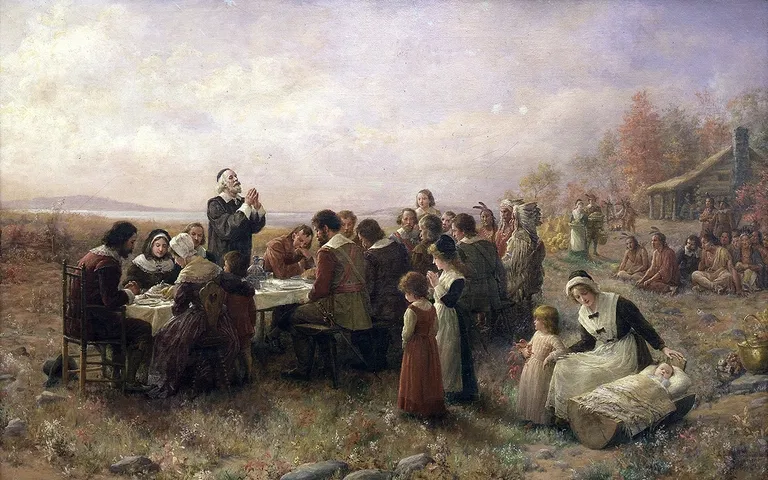
The story of Thanksgiving stretches back nearly four centuries. In the autumn of 1621, the Pilgrims of Plymouth Colony in present-day Massachusetts held a harvest celebration after their first successful growing season in the New World, and members of the Wampanoag tribe joined the gathering for three days, according to the Pilgrim Hall Museum. That 1621 feast is widely remembered as the First Thanksgiving, though historians note it was one of many harvest and thanksgiving observances in early America rather than a single point of origin.
The menu looked nothing like a modern table. A letter from colonist Edward Winslow — the main primary source describing the event — records that the governor sent four men on fowling, and that Wampanoag leader Ousamequin (also known as Massasoit) arrived with about 90 men who brought five deer. The feast likely featured wild fowl, venison, and corn. But there was no pumpkin pie, no mashed potatoes, and no cranberry sauce as we know it — those staples arrived much later.
Earlier presidents approached the holiday unevenly. George Washington issued the first presidential Thanksgiving proclamation on October 3, 1789, at the request of Congress, designating Thursday, November 26 of that year as a national day of thanks. Several of his successors — including Thomas Jefferson — declined to issue Thanksgiving proclamations, viewing them as too closely tied to religion or as a relic of monarchy. As a result, Thanksgiving remained a patchwork of regional observances rather than a unified national day.
The push to make it a fixed national holiday came largely from Sarah Josepha Hale, the editor of Godey's Lady's Book, who spent decades writing letters to presidents and governors. Her campaign finally succeeded when, on October 3, 1863, in the midst of the Civil War, President Abraham Lincoln issued a proclamation — drafted by Secretary of State William Seward — setting aside the last Thursday of November as a national day of Thanksgiving.
Lincoln's last-Thursday tradition held for decades, but it created a problem in years when November had five Thursdays. In 1939, President Franklin D. Roosevelt moved Thanksgiving up a week — from November 30 to November 23 — hoping to give retailers more shopping days between Thanksgiving and Christmas during the Great Depression. The move, nicknamed Franksgiving, split the country: some states followed the new date while others kept the traditional one, creating two competing Thanksgivings.
The confusion was settled in 1941, when Congress passed a joint resolution establishing Thanksgiving as the fourth Thursday of November, and President Roosevelt issued a proclamation the following year confirming the rule. That standard is the one Americans still follow today.
Why the Date Changes Every Year: The Fourth-Thursday Rule Explained
Thanksgiving is often described as a floating holiday because it is not tied to a specific calendar date. Instead, it is anchored to a day of the week — Thursday — and a position within the month — the fourth one. Since November 1 can fall on any day of the week, the fourth Thursday shifts each year within the November 22–28 range.
The choice of Thursday also has practical roots. Thursday did not conflict with the Sabbath and fit the rhythm of colonial New England life, where market days and midweek church lectures shaped the weekly calendar. When Lincoln fixed the national holiday in 1863, he continued the long-standing Thursday tradition by setting it on the last Thursday of November.
The switch from last Thursday to fourth Thursday in 1941 was itself a compromise. The last-Thursday rule meant Thanksgiving fell on November 30 in years with five Thursdays, which some merchants worried left too few shopping days before Christmas. The fourth-Thursday rule keeps Thanksgiving in late November while guaranteeing the holiday season always has a full month of shopping runway — a balance that has held for more than 80 years.
How Americans Celebrate: Turkey, Parades, and Football
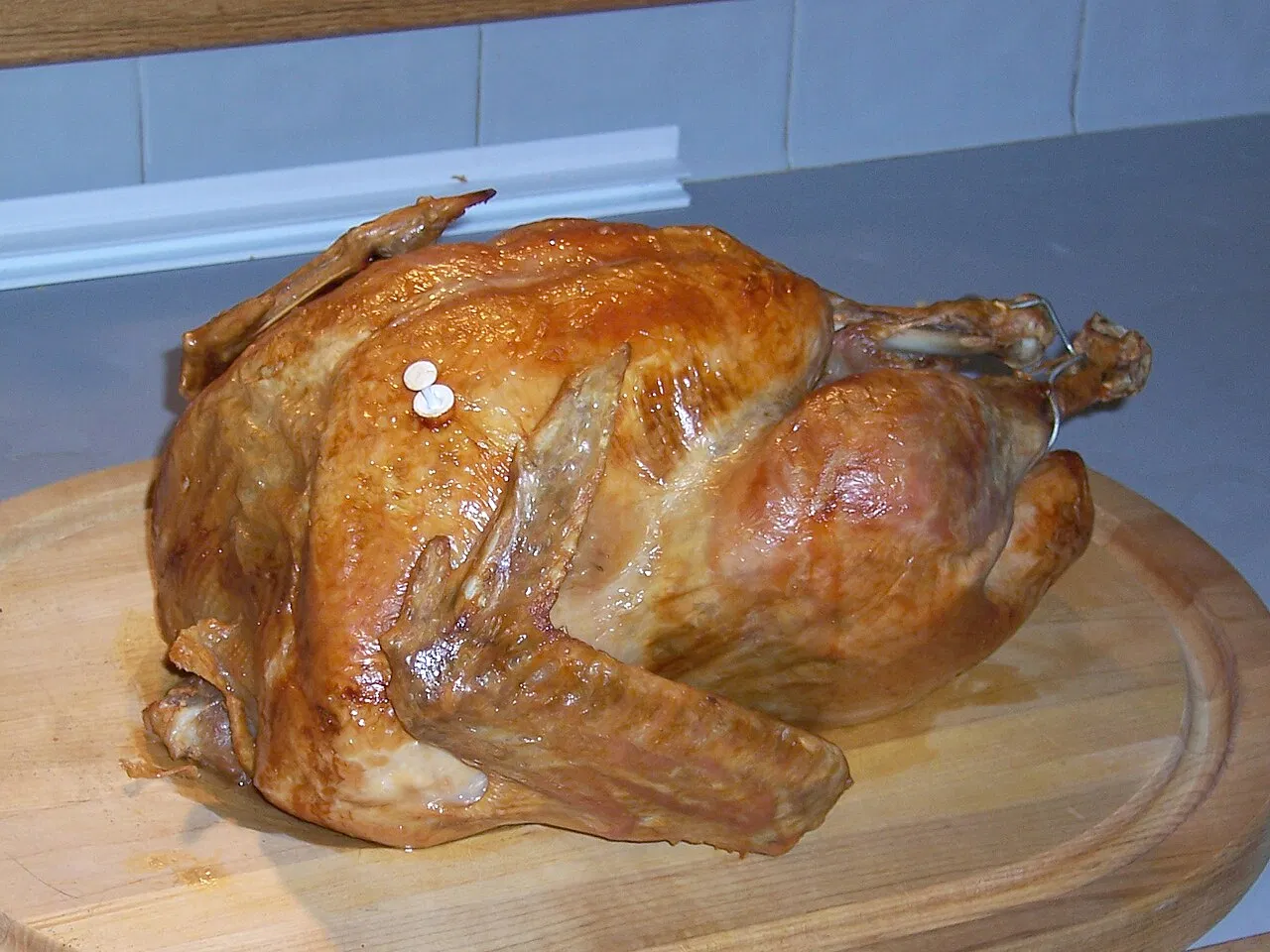
Modern Thanksgiving is built on a familiar set of traditions. The centerpiece is the Thanksgiving dinner, typically featuring roast turkey, stuffing, cranberry sauce, mashed potatoes, and pumpkin pie. Turkey is so central to the holiday that it is often simply called Turkey Day, and each year the sitting president continues a lighthearted ritual of pardoning a turkey at the White House — a practice that became official under President George H.W. Bush in 1989.
The Macy's Thanksgiving Day Parade has been a New York City institution since 1924, when Macy's employees first marched with floats and live animals in what was then called the Macy's Christmas Parade. Today, the parade's giant character balloons draw millions of spectators along the route and tens of millions more on television. Football is another cornerstone: the NFL has played on Thanksgiving for nearly a century, with the Detroit Lions hosting a game since 1934 and the Dallas Cowboys since 1966. Many communities also hold turkey trot fun runs on Thanksgiving morning, and millions of Americans travel to gather with family — making the Wednesday before and Sunday after Thanksgiving among the busiest travel days of the year.
Thanksgiving 2026 and the Years Ahead
Because November 26 falls near the later end of the possible range, Thanksgiving 2026 gives retailers a slightly shorter-than-average runway to Christmas. That can influence when stores launch Black Friday deals and how early holiday promotions begin. The date also sets the rhythm for the rest of the holiday weekend: Black Friday on November 27, Small Business Saturday on November 28, and Cyber Monday on November 30.
Looking ahead, the fourth-Thursday rule makes future dates easy to calculate. Thanksgiving will fall on November 25 in 2027, November 23 in 2028, and November 22 in 2029 — the earliest date possible. The cycle then resets, with the holiday drifting later again in the years that follow.
The Bottom Line: Thanksgiving 2026 Essentials
- Thanksgiving 2026 is Thursday, November 26, 2026.
- The holiday is always the fourth Thursday of November, landing between November 22 and November 28.
- Black Friday follows on November 27, 2026; Cyber Monday is November 30, 2026.
- The modern national holiday dates to Lincoln's 1863 proclamation, championed by editor Sarah Josepha Hale.
- The fourth-Thursday rule was set by Congress in 1941 after FDR's 1939 Franksgiving controversy.
- Core traditions include the turkey dinner, the Macy's parade (since 1924), and NFL football (Lions since 1934, Cowboys since 1966).