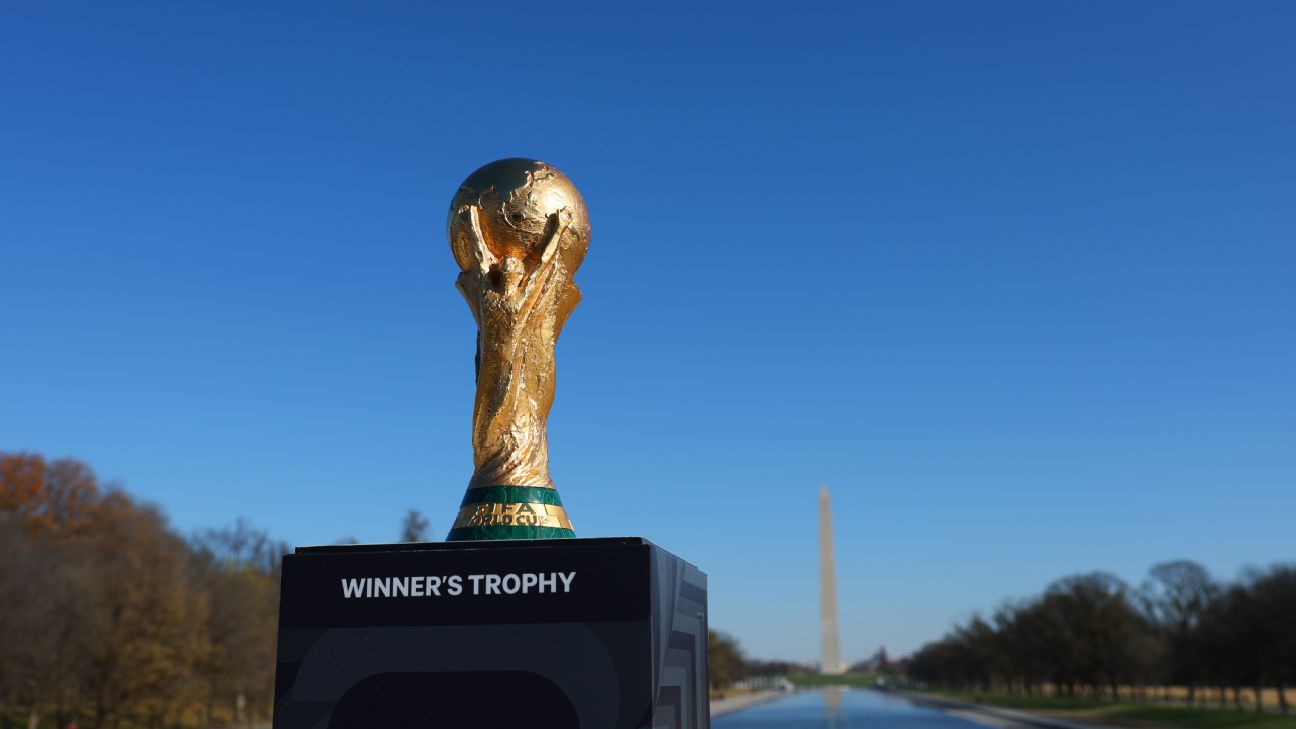
The FIFA World Cup is the biggest sporting event on the planet, and the 2026 edition is shaping up to be the most expansive in the tournament's 96-year history. With 48 teams, 104 matches, and three host nations spanning North America, the schedule is more complex than ever. Here's everything you need to know about how the World Cup schedule works, from the group stage draw all the way to the Final on July 19.
How the 2026 World Cup Format Breaks Down
The 2026 FIFA World Cup marks a historic expansion from 32 to 48 teams, the first time the tournament has grown since 1998. The 48 participating nations are divided into 12 groups of four teams each, a structure that FIFA settled on after initially considering 16 groups of three. Each team plays three group-stage matches in a round-robin format, meaning every squad gets at least three games on the world's biggest stage.
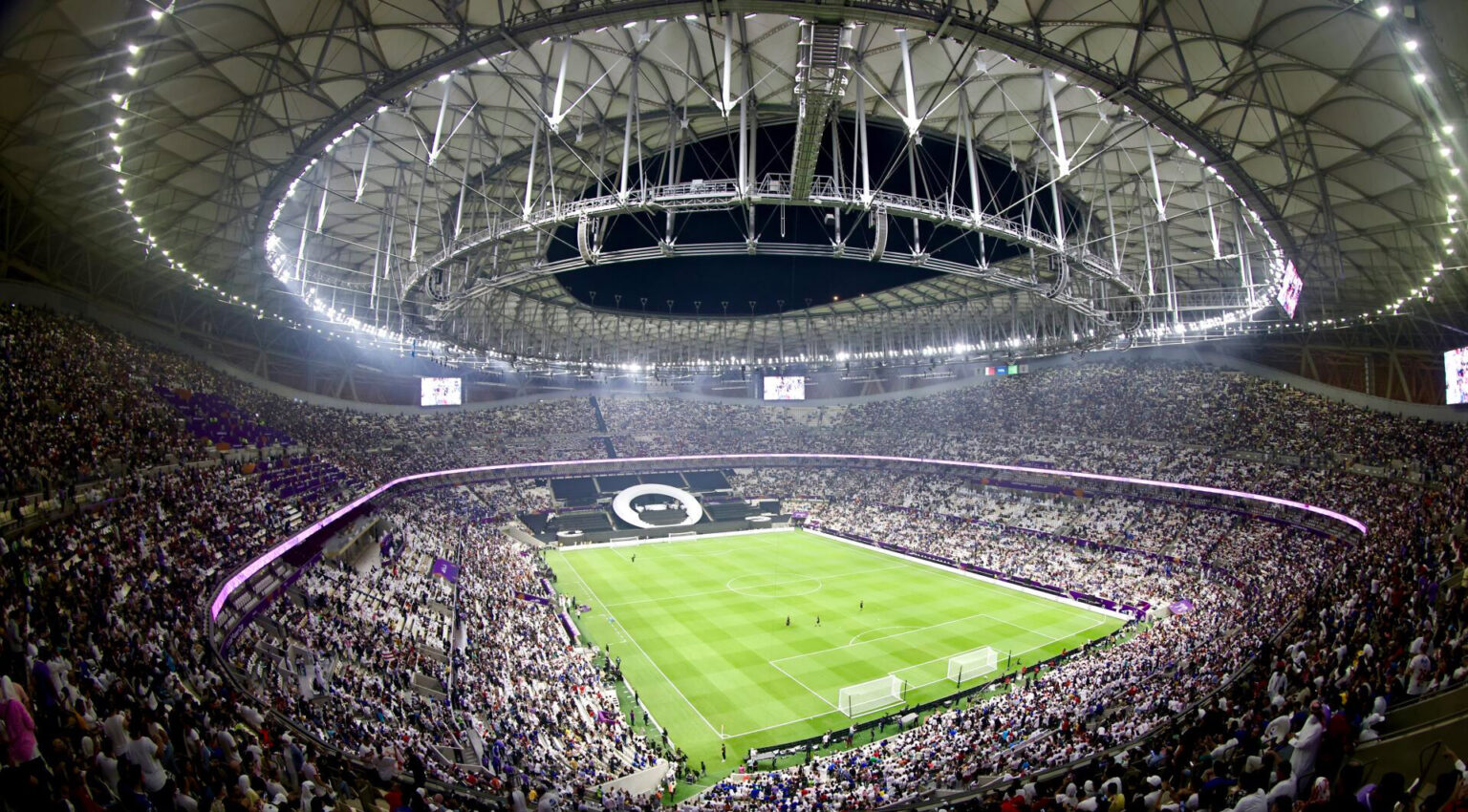
In total, 72 group-stage matches will be played, up significantly from the 48 matches in previous 32-team tournaments. The tournament runs for 38 to 39 days — from June 11 to July 19, 2026 — and is jointly hosted by 16 cities: 11 in the United States, three in Mexico (Mexico City, Guadalajara, and Monterrey), and two in Canada (Vancouver and Toronto).
Timeline: The World Cup Schedule From Start to Finish
The 2026 World Cup kicks off on June 11 with the opening match at Estadio Azteca in Mexico City, one of the most iconic venues in football history and the first stadium to host three separate World Cup opening matches (1970, 1986, and 2026). The group stage runs from June 11 through June 27, with matches spread across all 16 host cities. Up to four matches per day are played during the group stage, typically at 12:00 PM, 3:00 PM, 6:00 PM, and 9:00 PM local time.
Following a brief transition period, the knockout stage begins on June 28 with the newly introduced Round of 32. The Round of 16 follows in early July, quarterfinals in mid-July, and the semifinals on July 14 and 15. The tournament culminates on July 19 with the World Cup Final at MetLife Stadium in East Rutherford, New Jersey, just outside New York City. A third-place match is also held on July 18.
Why the 2026 Schedule Matters: The Expanded Knockout Stage
The most significant change to this year's schedule is the introduction of a Round of 32 knockout round. Under the previous format, 16 teams advanced directly from the group stage to the Round of 16. Now, 32 teams will qualify for the knockout rounds: the top two finishers from each of the 12 groups (24 teams) plus the eight best third-placed teams across all groups.
This means that for the first time, some teams finishing third in their group can still win the World Cup. It also means that finalists will play eight matches instead of the traditional seven, adding an extra layer of endurance and squad depth requirements. The knockout stage consists of 32 matches total: Round of 32 (16 matches), Round of 16 (8 matches), quarterfinals (4 matches), semifinals (2 matches), the third-place match, and the Final.
How Teams Qualify From the Group Stage
Understanding how teams advance from the group stage is key to following the tournament. Each group operates on a points system: a win earns three points, a draw earns one point, and a loss earns zero. After all teams in a group have played each other once, the standings are determined first by total points, then by a series of tiebreakers if needed.
The tiebreaker rules, in order, are: goal difference (goals scored minus goals conceded), total goals scored, head-to-head result between tied teams, head-to-head goal difference, head-to-head goals scored, fair play points (yellow and red cards), and finally, drawing of lots by FIFA. The top two teams in each of the 12 groups advance automatically, joined by the eight third-placed teams with the best records across all groups.
Knockout Stage Rules: How Matches Are Decided
Once the knockout stage begins, every match is sudden death. If the score is tied after 90 minutes of regular time, two 15-minute periods of extra time are played. If the match remains tied after 120 minutes, a penalty shootout determines the winner. Unlike the group stage, where teams can afford a draw, the knockout rounds demand a winner — and the losing team is immediately eliminated from the tournament.
The bracket is pre-determined based on the group stage draw, with the Round of 32 pairings designed so that group winners face third-placed qualifiers, and second-placed teams are matched against each other in specific cross-group combinations. This structure rewards strong group-stage performances with theoretically easier paths through the early knockout rounds.
Where Things Stand Now: The 2026 World Cup So Far
The 2026 World Cup is currently underway, having begun on June 11. The group stage is in full swing with matches taking place daily across North America. The tournament has already seen memorable moments, with host nations the United States, Canada, and Mexico playing in front of passionate home crowds. The expanded format has given more nations than ever the chance to compete on football's biggest stage, with teams from all six continental confederations represented.
Fans around the world are following the action through broadcasters in more than 200 countries, with matches available on Fox Sports (English) and Telemundo (Spanish) in the United States, and various networks internationally. The official FIFA website and app provide real-time updates, live scores, and match schedules.
What Happens Next: The Road to the Final
As the group stage concludes on June 27, attention will turn to the Round of 32 draw and matchups. The elimination rounds will narrow the field from 32 teams down to just two over three weeks of high-stakes football. The semifinals on July 14 and 15 will determine the finalists, who will then have a few days to prepare for the biggest match of their lives.
The 2026 World Cup Final on July 19 at MetLife Stadium is expected to draw a global television audience of over 1.5 billion viewers, making it one of the most-watched events in human history. With the expanded format ensuring more nations, more matches, and more drama, this World Cup is already delivering on its promise to be the most inclusive and exciting edition ever staged.
Key Takeaways: The World Cup Schedule at a Glance
- 48 teams competing in 12 groups of 4, each playing 3 group matches
- 104 total matches over 38-39 days (June 11 - July 19, 2026)
- 16 host cities across the US (11), Mexico (3), and Canada (2)
- 32 teams advance to knockout stage: 24 group top-two + 8 best third-placed
- New Round of 32 added for the first time in modern World Cup history
- Finalists play 8 matches instead of the traditional 7
- Final on July 19 at MetLife Stadium, East Rutherford, New Jersey
- Points system: Win = 3, Draw = 1, Loss = 0; tiebreakers include goal difference, goals scored, head-to-head, and fair play