
When you think of mint, you might picture a garnish on your dessert or a flavor in your tea. But this humble herb, belonging to the Mentha genus, is far more than just a palate pleaser. With a history stretching back thousands of years in traditional medicine, mint is now backed by modern science as a legitimate wellness powerhouse. From soothing digestive distress to sharpening cognitive function, the health benefits of mint are impressive — and increasingly well-documented.
A 2025 randomized controlled trial published in the journal Nutrients found that consuming just 200 mL of peppermint tea significantly boosted cognitive performance and increased cerebral blood flow in healthy adults. Meanwhile, the American College of Gastroenterology's 2021 clinical guidelines recommend peppermint oil for relief of overall irritable bowel syndrome (IBS) symptoms. Whether you're sipping it as tea, adding fresh leaves to your salad, or using peppermint oil capsules, here's what the science says about making mint a regular part of your wellness routine.
The Nutritional Profile: Why Mint Is More Than Just Flavor
Mint is surprisingly nutrient-dense for an herb used in such small quantities. According to Healthline, two tablespoons (about 3.2 grams) of fresh peppermint contain just 5 calories but deliver 0.8 grams of fiber, 3% of the Daily Value (DV) of vitamin A, 8% of the DV of iron, 6% of the DV of manganese, and 3% of the DV of folate. Vitamin A is critical for eye health and immune function, while iron is essential for oxygen transport in the blood and energy production.
Medical News Today notes that mint also contains potassium, magnesium, calcium, phosphorus, and vitamin C. These micronutrients contribute to everything from bone health to immune defense. "Mint leaves are a rich source of vitamin A, iron, manganese, and folate," reports a 2023 overview in Economic Times, "making it a great superfood for those with anaemia."
How Mint Unlocks Better Digestion and IBS Relief
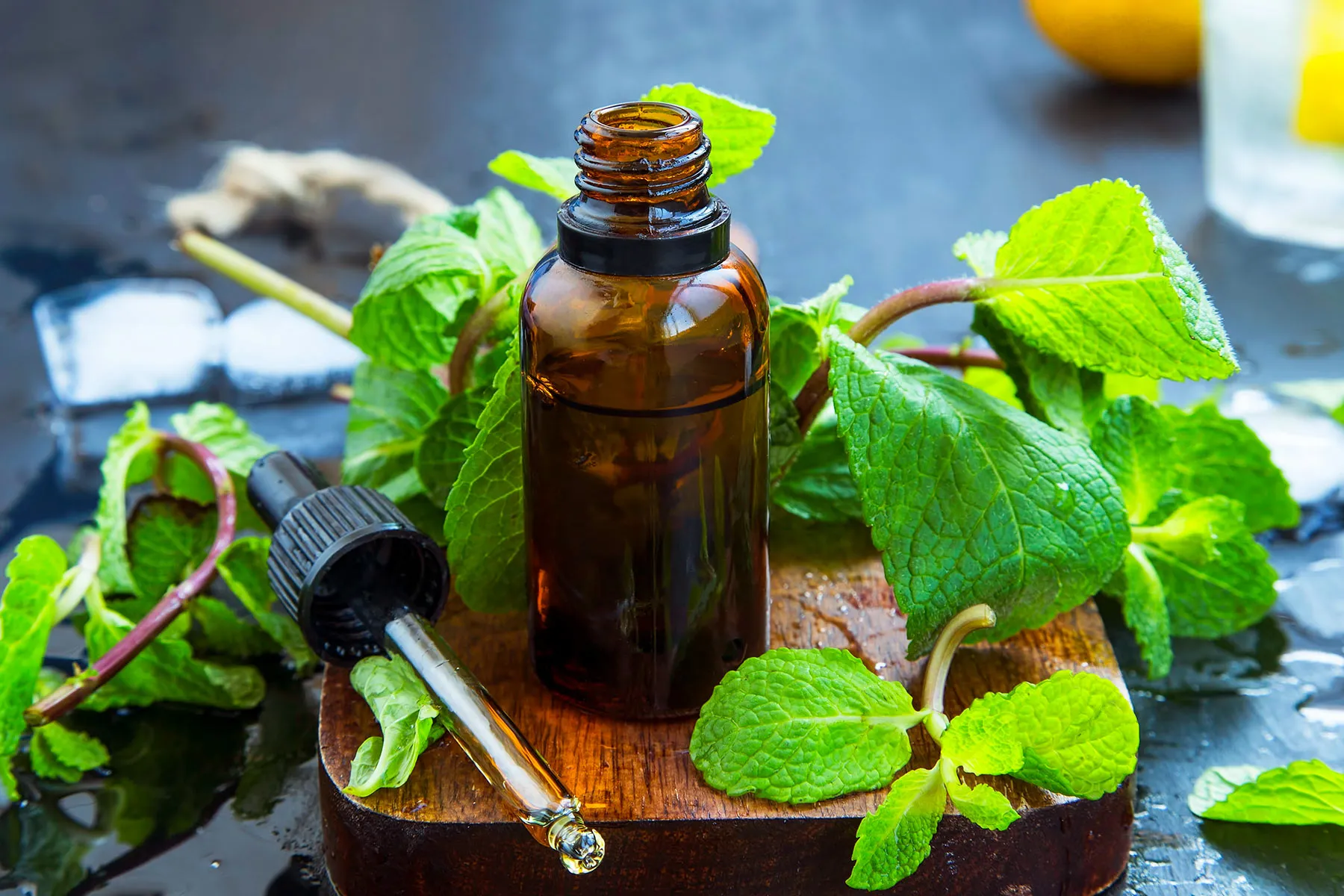
Mint's most celebrated benefit is its ability to soothe the digestive system. The menthol compound in peppermint acts as a natural antispasmodic, relaxing the muscles of the gastrointestinal tract. This makes it particularly effective for people with irritable bowel syndrome (IBS).
A comprehensive review of over 700 IBS patients found that taking peppermint oil capsules improved IBS symptoms significantly more than placebo capsules, according to research cited by Healthline. The National Center for Complementary and Integrative Health (NCCIH) reports that a 2021 clinical guideline from the American College of Gastroenterology recommended the use of peppermint oil for relief of overall IBS symptoms. Enteric-coated peppermint oil capsules, which release the oil in the intestines rather than the stomach, may have modest short-term benefits for abdominal pain, bloating, and gas.
Beyond IBS, mint can help with general indigestion. Multiple studies have shown that food passes through the stomach more quickly when people take peppermint oil with meals, alleviating the uncomfortable sensation of fullness and sluggish digestion that characterizes functional dyspepsia. Dietitian Natalie Romito, RDN, LD, of Cleveland Clinic notes that "the best thing about tea is that it's affordable, readily available and easy to make. That means anyone can enjoy the benefits."
New Research: Mint Tea Boosts Brain Function
Perhaps one of the most exciting areas of mint research involves cognitive health. A 2025 randomized placebo-controlled clinical trial published in Nutrients found that 200 mL of peppermint tea effectively boosted cognition and cerebral blood flow in otherwise healthy adults. The study, conducted by researchers including L. Netzler and colleagues, demonstrated measurable improvements in mental performance after consuming peppermint tea.
Previous research has supported these findings. A 2022 animal study demonstrated that inhaling peppermint essential oil aroma produced significant improvements in learning and memory while protecting neurons from oxidative damage. A 2015 study found that smelling peppermint oil while driving increased alertness and decreased levels of frustration, anxiety, and fatigue. The scent of peppermint appears to stimulate the hippocampus, the brain region responsible for memory and learning.

Natural Relief for Cold Symptoms and Respiratory Health
Many over-the-counter cold and flu treatments contain menthol, the primary active compound in peppermint oil. While research shows that menthol doesn't actually work as a decongestant in the physiological sense, it does subjectively improve nasal breathing. A 2023 study confirmed that menthol can make people feel like they are breathing through their nose more easily, even if congestion persists. This perceptual benefit can still provide meaningful relief for those suffering from colds or allergies.
Mint also contains antimicrobial and anti-inflammatory compounds. Test-tube studies have demonstrated that peppermint oil possesses significant antibacterial, antiviral, and antioxidant activities. These properties may help fight off the bacteria and viruses that cause common illnesses, though more human research is needed to confirm the extent of these effects.
Fresher Breath and Better Oral Hygiene
Mint-flavored gum and breath mints are go-to solutions for bad breath, but fresh mint leaves may offer more than just a temporary cover-up. While most commercial mint products mask foul-smelling breath for only a few hours, drinking peppermint tea or chewing on fresh leaves may actually kill the bacteria that cause bad breath in the first place. Test-tube studies have highlighted the antibacterial effects of peppermint oil against oral pathogens.
The American Dental Association notes that sugar-free mint gums can stimulate saliva flow, which helps cleanse the mouth. However, fresh mint offers additional benefits without the added sugars or artificial ingredients found in commercial products.
Relief for Headaches and Muscle Pain
Peppermint oil has a long history of use for tension headaches. When applied topically to the temples, the menthol creates a cooling sensation that can help relax tense muscles and improve blood flow. A randomized clinical trial found that a 10% peppermint oil solution was as effective as 1,000 mg of acetaminophen for treating tension-type headaches when applied to the forehead and temples.
For breastfeeding mothers, mint has shown impressive results in reducing nipple pain and cracking. One study found that only 3.8% of mothers who applied a peppermint gel experienced nipple cracks, compared to 6.9% of those who used lanolin and 22.6% of those who used a placebo. Both pain and severity of nipple cracks decreased in mothers who applied menthol essential oil after each feeding.
Where Things Stand Now: Latest Research on Mint
The scientific community continues to uncover new benefits of mint. A 2025 study from the Journal of Clinical Medicine found that inhaling peppermint essential oil reduced nausea scores in patients over a five-day observation period. Research published in Frontiers in Pharmacology has explored peppermint's potential anti-allergenic properties, while ongoing clinical trials are investigating peppermint oil for pediatric IBS and functional abdominal pain.
The 2025 updated review from Medical News Today confirms that mint may have positive effects on allergies, the common cold, indigestion, IBS, and breastfeeding discomfort. The herb's antioxidant and anti-inflammatory properties continue to be areas of active investigation, with researchers exploring potential applications for metabolic health and even cancer prevention.
What's Next: The Future of Mint in Wellness
Emerging research is pointing toward mint's potential role in exercise recovery and sports nutrition. Some preliminary studies suggest that menthol's cooling effect may help athletes regulate body temperature during exercise, potentially improving endurance performance. Additionally, the combination of peppermint and caraway oil (sold as Menthacarin) is currently being evaluated in phase IV clinical trials for disorders of gut-brain interaction.
Experts predict that we'll see more targeted peppermint oil formulations — from improved enteric-coated capsules for IBS to aromatherapy patches for cognitive enhancement. As registered dietitian Natalie Romito of Cleveland Clinic puts it, the beauty of mint is its accessibility: it's affordable, readily available, and easy to incorporate into daily life.
Key Takeaways: Everything You Need to Know About Mint
- Digestive aid: Peppermint oil is clinically recommended for IBS symptom relief and helps speed gastric emptying for indigestion
- Brain booster: A 2025 clinical trial confirmed peppermint tea improves cognitive function and increases cerebral blood flow
- Nutrient-rich: Mint provides vitamin A, iron, manganese, and folate with minimal calories
- Natural pain relief: Topical peppermint oil can help with tension headaches and breastfeeding-related nipple pain
- Respiratory support: Menthol subjectively improves nasal breathing during colds and allergies
- Easy to use: Add fresh mint to salads, smoothies, teas, and water for a flavorful health boost
Whether you grow it in your garden, buy it fresh at the market, or use it in supplement form, mint is one of the most versatile and scientifically supported herbs you can add to your wellness toolkit.