
Aesthetic treatments have become a popular way to enhance skin health and overall appearance, but the wide range of options can feel overwhelming. From non-invasive procedures to more advanced services, understanding the types available and their benefits is key to making an informed choice. In this guide, we'll explore aesthetic treatment services for skin & beauty, explain the types of aesthetic treatments, and outline what to expect during a consultation.
Benefits of Aesthetic Treatments

One of the key benefits of aesthetic treatments is their ability to address specific concerns without the need for surgery. According to the American Academy of Dermatology, many procedures can improve skin texture, reduce hyperpigmentation, and minimize the appearance of scars. Additionally, aesthetic treatments can help you feel more confident in your skin, which may positively impact social and professional interactions. However, results vary depending on the treatment type and your skin's unique response. Here are some common benefits you might experience:
- Improved skin tone and texture through exfoliation and collagen stimulation
- Reduction in the appearance of fine lines, wrinkles, and mild acne scarring
- Enhanced facial contours and volume restoration for a more youthful look
- Minimal downtime compared to surgical procedures, allowing for quicker recovery
- Personalized treatment plans that target your specific skin and beauty goals
Because many of these treatments are non-invasive, they can be an appealing option if you are not ready for a surgical commitment.
Types of Aesthetic Treatments Explained
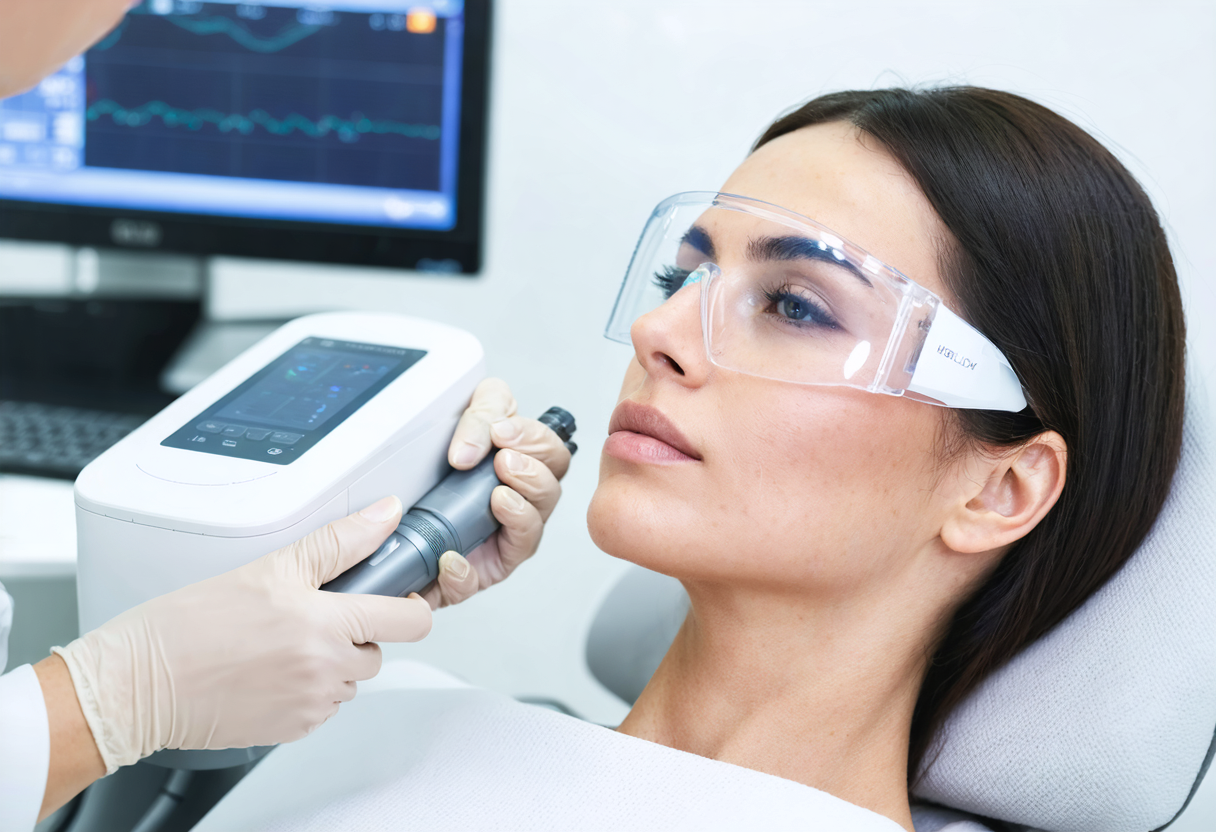
Understanding the types of aesthetic treatments explained below can help you decide which approach aligns with your goals. Laser and light-based therapies, for example, target pigmentation, redness, and unwanted hair by delivering controlled energy to the skin. Chemical peels, on the other hand, use exfoliating acids to remove dead skin cells and improve overall texture. Injectable treatments such as dermal fillers and neuromodulators can temporarily restore volume and soften expression lines. According to the American Society of Plastic Surgeons, minimally invasive procedures like these have seen consistent growth in popularity. The FDA regulates many aesthetic devices and products, so choosing a licensed provider who uses FDA-cleared technology is essential for safety. Other options include microneedling, radiofrequency skin tightening, and microdermabrasion, each offering unique benefits for different skin concerns.
What to Expect During a Consultation
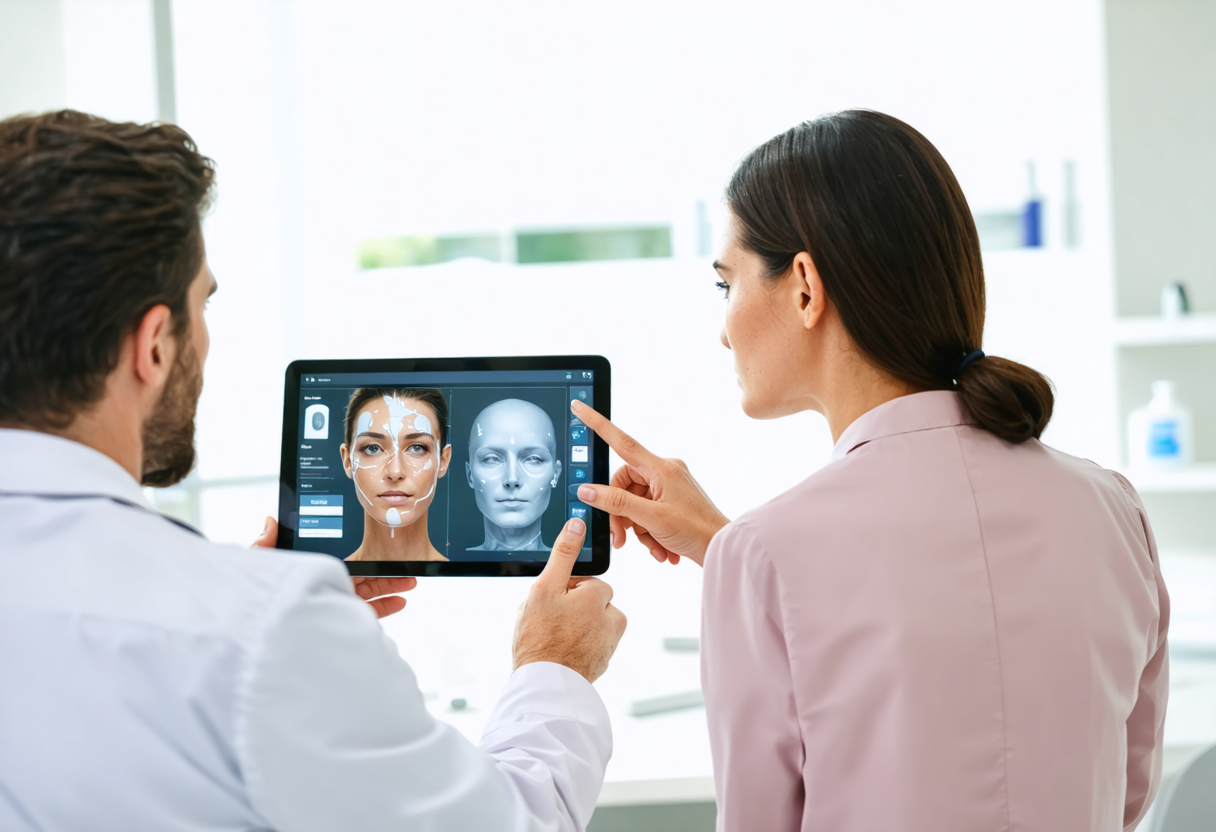
Knowing what to expect during a consultation can ease any anxiety and help you prepare for the conversation. Typically, a board-certified dermatologist or plastic surgeon will begin by reviewing your medical history, including any skin conditions, allergies, or previous procedures. They will then assess your skin type and discuss your aesthetic goals in detail. Moreover, they may take photographs for your records and use imaging tools to simulate potential outcomes. This is also your opportunity to ask questions about downtime, costs, and realistic expectations. Consider asking the following:
- What results can I realistically expect from this treatment?
- How many sessions will I need to achieve my goals?
- What are the potential side effects and recovery time?
- Are you board-certified and experienced with this specific procedure?
Remember, a reputable provider will be transparent about limitations and will never guarantee perfect results. Always consult a healthcare professional for personalized advice.
Why Consider Aesthetic Treatment Today? Aesthetic treatments offer a range of options to address skin and beauty concerns, from non-invasive procedures to more targeted interventions. By understanding the types available, their benefits, and what to expect during a consultation, you can make a more informed decision. Always consult a qualified healthcare professional before starting any treatment. If you're curious about aesthetic treatment services for skin & beauty, exploring your options and scheduling a consultation can be a valuable next step.