
The U.S. Food and Drug Administration has escalated a frozen blueberry recall to its most severe classification, warning that organic GreenWise berries sold at Publix could be contaminated with E. coli O145:H28 — a Shiga toxin-producing strain that can trigger serious illness and, in rare cases, life-threatening kidney failure. The blueberry recall now carries the FDA's "Class 1" label, a designation reserved for products where there is "a reasonable probability" that exposure will cause "serious adverse health consequences or death."
The recall, and the multistate outbreak behind it, is a sharp reminder that even the healthiest staples — including antioxidant-rich blueberries — carry real food-safety risks, especially when they are blended into smoothies or eaten straight from the freezer without cooking. Here is everything you need to know about the recalled products, how the outbreak unfolded, and how to keep your kitchen safe.
The 4 GreenWise Products Caught Up in the Blueberry Recall
On July 29, 2026, Publix recalled all lots of GreenWise Organic Frozen Whole Blueberries and Whole Mixed Berries because they may be contaminated with E. coli O145. The recalled frozen berries were distributed by Frutas y Hortalizas del Sur S.A., a supplier based in San Carlos, Chile, and shipped to Publix stores across eight Southeastern states: Alabama, Florida, Georgia, Kentucky, North Carolina, South Carolina, Tennessee, and Virginia.
The blueberry recall covers four specific products, all of which carry expiration dates before February 9, 2028:
- GreenWise Organic Whole Blueberries, 10-ounce, UPC 41415-06453
- GreenWise Organic Whole Blueberries, 48-ounce, UPC 41415-12053
- GreenWise Organic Whole Mixed Berries, 10-ounce, UPC 41415-06753
- GreenWise Organic Whole Mixed Berries, 48-ounce, UPC 41415-12153
Publix is advising customers not to consume any of the recalled berries — even after washing them — and to discard the products or return them to any Publix location for a full refund. Washing does not reliably remove E. coli, and because these frozen berries are typically eaten raw, the risk of infection is especially high.
Timeline: How the Frozen Blueberry E. coli Outbreak Unfolded
The investigation traces back to early summer. According to the FDA, illnesses in the outbreak began between May 11 and June 5, 2026, and eventually grew to 12 confirmed cases. Here is how the investigation progressed:
- May 11 – June 5, 2026: Twelve people in Florida and Georgia fall ill with E. coli O145 infections later linked to frozen blueberries.
- July 1, 2026: The Florida Department of Health notifies the CDC about a cluster of E. coli O145 illnesses, pointing to frozen GreenWise-brand organic blueberries sold at Publix.
- July 3, 2026: Frutas y Hortalizas del Sur S.A. recalls frozen GreenWise Organic IQF Blueberries (10-ounce, lot code 60401, best by February 9, 2028).
- July 6, 2026: The FDA issues its first public update, reporting 12 illnesses, four hospitalizations, and no deaths.
- July 29, 2026: Publix expands the recall to all lots of GreenWise Organic Frozen Whole Blueberries and Whole Mixed Berries.
- August 18–19, 2026: The FDA upgrades the recall to Class 1, its highest risk level.
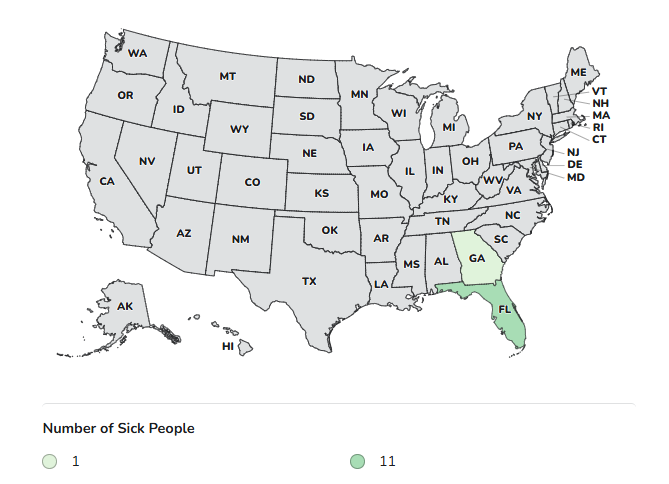
Federal officials note that 7 of 9 interviewed patients (78%) reported eating frozen blueberries, and 5 of those specifically identified GreenWise organic frozen blueberries purchased at Publix — a strong epidemiological link that helped investigators zero in on the source.
Why E. coli O145 Makes This a Class 1 Blueberry Recall
The FDA reserves its Class 1 classification for situations "in which there is a reasonable probability that the use of or exposure to a violative product will cause serious adverse health consequences or death." E. coli O145:H28 earns that label because it belongs to the Shiga toxin-producing E. coli (STEC) family, the same group that includes the notorious O157:H7 strain.
For most people, a STEC infection causes severe stomach cramps, diarrhea — often bloody — and vomiting, with symptoms typically appearing three to four days after exposure and lasting five to seven days. But in some cases, particularly among young children, older adults, and people with weakened immune systems, the infection can progress to hemolytic uremic syndrome (HUS), a serious condition that can lead to kidney failure and become life-threatening. Among the current outbreak's 12 cases, four people have required hospitalization.
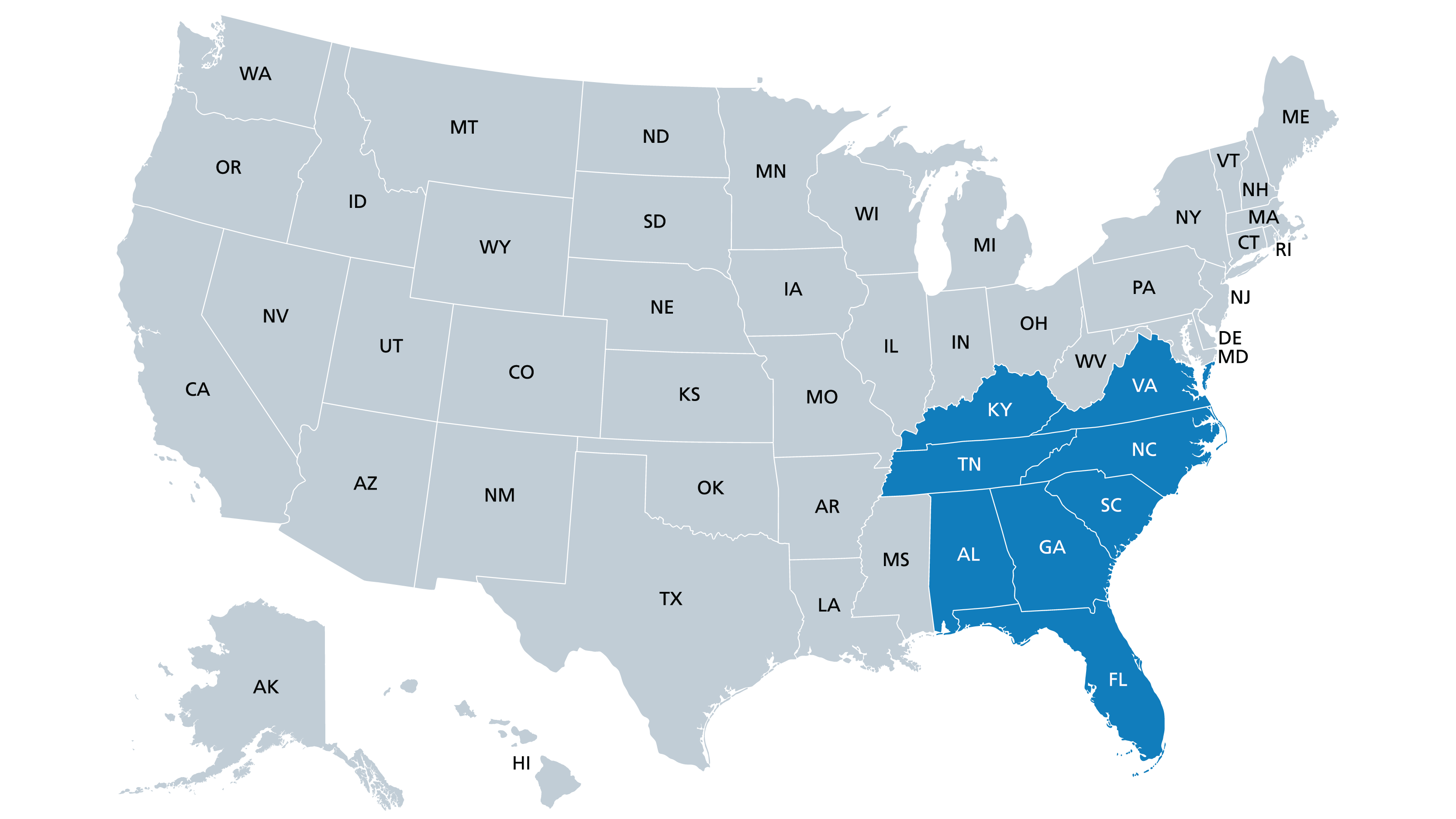
What makes this outbreak particularly notable is the sheer reach of the recalled products. The frozen berries were distributed to eight states, and the FDA cautions that product could have traveled even further. Frozen berries also have a long shelf life — the recalled packages carry dates stretching into 2028 — which means contaminated bags could linger in home freezers for months, extending the window for new infections. The current recall also follows a separate 2024–2025 hepatitis A cluster in the Netherlands, in which contaminated frozen blueberries sold by the Albert Heijn chain were linked to dozens of illnesses — underscoring that frozen berries, while convenient and nutritious, are a recurring vehicle for foodborne pathogens when consumed raw.
Where the Blueberry Recall Stands Today
As of July 30, 2026, the confirmed case count stands at 12 illnesses across two states — 11 in Florida and 1 in Georgia — with four hospitalizations and no reported deaths. The last known illness onset was June 5, 2026, and the investigation remains open and ongoing.
Beyond the Publix recall, the FDA has taken additional steps to contain the threat. The agency conducted a remote regulatory assessment of Frutas y Hortalizas del Sur S.A. and, based on inspection findings, raised concerns about at least one other lot of blueberries used in additional frozen GreenWise products. The FDA has also added products from the Chilean supplier to Import Alert 99-35, meaning frozen blueberries from the firm may be detained at U.S. borders without physical examination.
What Happens Next for the Blueberry Recall
The FDA says it is actively working with state partners to determine the source of the contamination, and additional products could be added to the advisory as the investigation continues. Officials have not yet pinpointed exactly how the berries became contaminated, though E. coli outbreaks in produce are often linked to contaminated irrigation water, soil, or handling during harvest and processing.
For consumers, the guidance is straightforward: check your freezer, and if you have any GreenWise Organic frozen blueberries or mixed berries with a best-by date before February 9, 2028, throw them out or return them. Clean and sanitize any surfaces or containers the berries may have touched, and contact a healthcare provider immediately if you experience severe symptoms such as bloody diarrhea, a fever above 102°F, or diarrhea lasting more than three days.
The Bottom Line: Key Points to Remember
- The FDA upgraded the Publix blueberry recall to Class 1 — its highest risk level — over E. coli O145:H28 contamination.
- Four GreenWise Organic frozen products are recalled: whole blueberries and mixed berries in 10-ounce and 48-ounce bags.
- Twelve people have been sickened across Florida and Georgia, with four hospitalizations and no deaths reported.
- The recalled berries were shipped to eight Southeastern states and have expiration dates before February 9, 2028.
- Do not eat, sell, or serve the recalled berries — discard them or return them to Publix for a full refund.