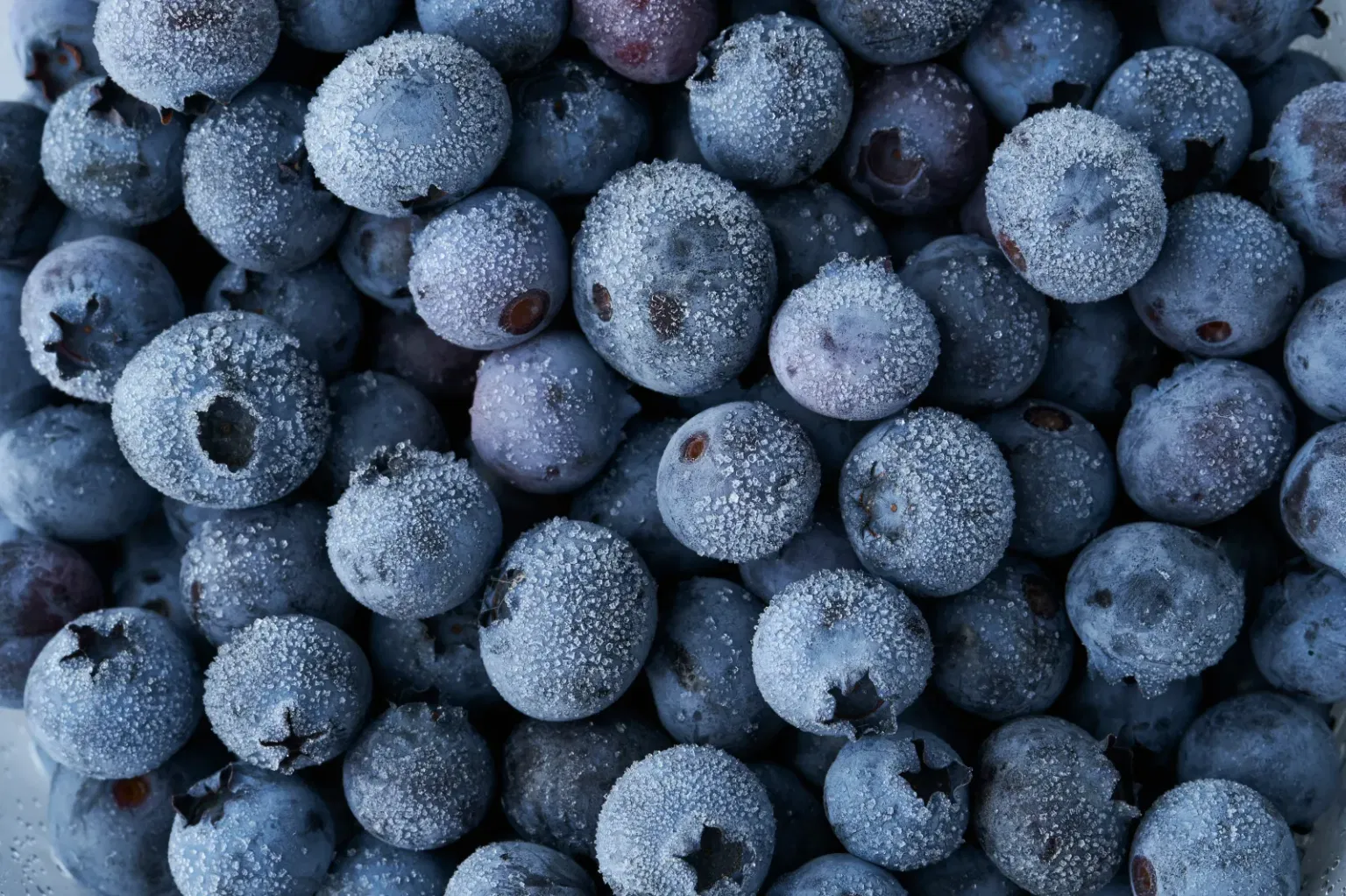
Frozen organic blueberries sold at Publix grocery stores have been recalled and upgraded to the U.S. Food and Drug Administration's highest risk level, putting the blueberry recall back in the news and raising a question many shoppers face after a food-safety alert: what should you actually do if a product in your kitchen is recalled?
Frutas y Hortalizas del Sur S.A., a produce supplier based in Chile, issued the recall for its 10-ounce Frozen GreenWise Organic IQF Blueberries because the fruit may be contaminated with E. coli, according to a Publix news release. The recall began in early July 2026 and was later elevated by the FDA to a Class I recall — the agency's most serious classification — after the product was linked to 12 reported illnesses, including four hospitalizations.
The situation is a reminder of how quickly a staple smoothie and baking ingredient can become a health risk, and why understanding recall classifications, lot codes, and the symptoms of E. coli matters for every household.
The Recalled Product and Where It Was Sold
At the center of the recall is a single item: the 10-ounce Frozen GreenWise Organic IQF Blueberries, a Publix store-brand product. “IQF” stands for “individually quick frozen,” a freezing method that keeps each berry separate so they don't clump together in the bag.
If you have a bag in your freezer, check for these identifying details:
- Product: Frozen GreenWise Organic IQF Blueberries, 10 ounces
- Lot code: 60401
- Best-by date: Feb. 9, 2028
Publix said the recalled blueberries were sold at its stores in eight states:
- Alabama
- Florida
- Georgia
- Kentucky
- North Carolina
- South Carolina
- Tennessee
- Virginia
How the Recall Unfolded
Food-safety investigations often move slowly, and the timeline here shows how a recall can evolve over several months as more information comes to light.
According to Publix, the company and its supplier received 12 reports of consumers experiencing stomach illnesses between May 11 and June 5 that were linked to E. coli infections. Frutas y Hortalizas del Sur S.A. issued its voluntary recall in early July, pulling the affected blueberries from store shelves.
In mid-August, the FDA took the additional step of classifying the recall as Class I, the agency's highest threat level. That upgrade signals that regulators now believe there is a reasonable probability the product could cause serious health consequences or death — the same classification reserved for recalls involving severe pathogens, undeclared allergens, and other high-stakes safety problems.
What a Class I Recall Actually Means
Not all recalls carry the same weight, and understanding the difference can help you decide how seriously to take an alert. The FDA sorts food recalls into three classes:
- Class I — a situation in which there is a reasonable probability that using or being exposed to the product will cause serious adverse health consequences or death.
- Class II — the product may cause temporary or medically reversible health problems, or the likelihood of serious consequences is remote.
- Class III — the product is unlikely to cause adverse health consequences, often due to a labeling or regulatory issue rather than contamination.
A Class I recall, like the Publix blueberry alert, is the most urgent category and typically involves pathogens such as E. coli, Salmonella, or Listeria, or undeclared allergens that could trigger severe reactions.
What Is E. coli and What Are the Symptoms?
Escherichia coli, or E. coli, is a large and diverse group of bacteria. Most strains are harmless and live naturally in the intestines of healthy people and animals. But certain strains — particularly Shiga toxin-producing E. coli, or STEC — can cause serious illness when ingested, usually through contaminated food or water. Because frozen fruit is often added to smoothies or baked goods without being cooked first, any bacteria present may survive and reach the person eating it.
Symptoms of an E. coli infection typically appear two to eight days after exposure and can include:
- Watery diarrhea, sometimes bloody
- Stomach pain and cramps
- Nausea and vomiting
- Low fever
- Loss of appetite
- Fatigue
Most people recover within about a week, but some infections can lead to a severe complication called hemolytic uremic syndrome (HUS), which can cause kidney failure and is most common in young children, older adults, and people with weakened immune systems. Anyone experiencing bloody diarrhea, persistent vomiting, or signs of dehydration should contact a health care provider.
What to Do If You Bought the Recalled Blueberries
If you find the recalled product in your freezer, the advice from Publix is straightforward: do not eat it. Either throw the blueberries away or return them to the store for a full refund. Publix advises discarding any affected blueberries with a purchase date of July 3, 2026, or earlier.
If you have questions, you can reach the supplier at 336-899-5612 between 8 a.m. and 6 p.m. Eastern Time, Monday through Friday, or email [email protected].
A few general food-safety habits can also help whenever a recall is announced: check your freezer and pantry against the product name, lot code, and best-by date; wash any surfaces the product may have touched; and monitor yourself for symptoms if you think you may have eaten a recalled item.
What Happens Next
With the recall now at Class I status, regulators and the supplier will continue investigating how the contamination occurred and whether any additional products or lots are affected. Some reporting has noted the recall may extend to related mixed-berry products, so shoppers should watch for updates from the FDA and Publix.
Food recalls of this kind are rarely isolated events — they often prompt broader supply-chain reviews and can lead to expanded alerts if testing finds contamination in related batches. For consumers, the best practice is to rely on official recall announcements from the FDA or the retailer rather than social media posts, which can spread outdated or incorrect information.
The Bottom Line: Key Points to Remember
- The FDA upgraded a recall of 10-ounce Frozen GreenWise Organic IQF Blueberries sold at Publix to Class I, its highest risk level.
- The product, with lot code 60401 and a best-by date of Feb. 9, 2028, may be contaminated with E. coli and was linked to 12 illnesses, including four hospitalizations.
- The recalled blueberries were sold in Alabama, Florida, Georgia, Kentucky, North Carolina, South Carolina, Tennessee, and Virginia.
- Do not eat the recalled berries; discard them or return them for a full refund, and watch for E. coli symptoms such as bloody diarrhea and stomach cramps.