
Cellulite is a common cosmetic concern that affects up to 90% of women at some point, but 2026 brings more advanced and effective reduction options than ever before. Whether you're dealing with mild dimpling or more pronounced texture changes, understanding today's treatment landscape can help you make an informed choice. In this guide, we'll explore the top Cellulite Reduction Treatments 2026—from non-invasive approaches to surgical solutions—and break down what you need to know.
Understanding Cellulite and Its Formation in 2026

Cellulite is not simply excess fat; it's a structural issue beneath the skin. Fibrous bands called septae tether the skin to deeper tissues, while fat cells push upward, creating the characteristic dimpled appearance. Hormones, genetics, age, and lifestyle factors all influence its development. According to the American Academy of Dermatology, cellulite affects between 80% and 90% of women at some point after puberty, making it an extremely common concern. In 2026, researchers better understand the role of collagen structure and blood flow, but there is still no permanent cure. However, a range of treatments can significantly improve skin texture and boost confidence.
Non-Invasive Cellulite Reduction Approaches in 2026
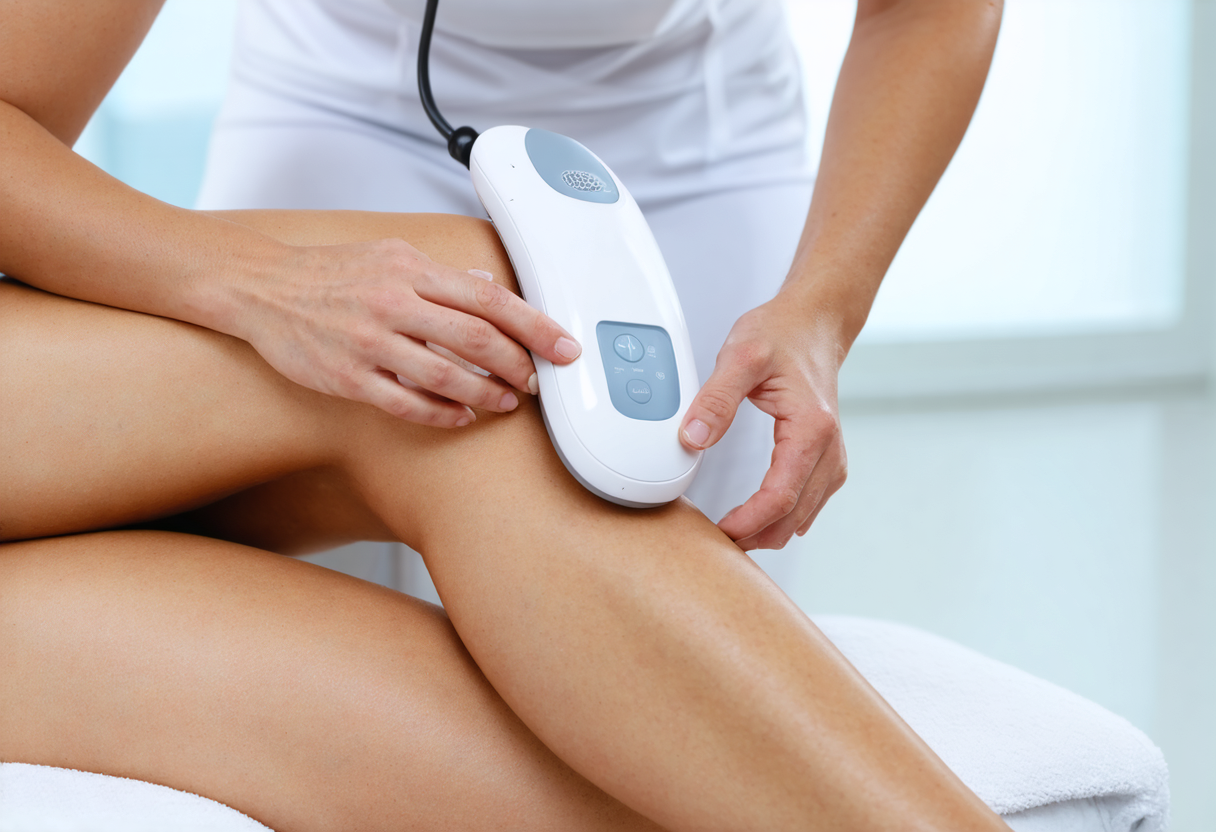
If you prefer to avoid needles or downtime, non-invasive treatments are a popular first step. These methods work by stimulating collagen production, improving circulation, or breaking down fibrous bands using external energy. According to the Mayo Clinic, several non-invasive procedures can temporarily reduce the appearance of cellulite, though results typically require maintenance sessions. Common options in 2026 include:
- Acoustic wave therapy: Uses sound waves to break up fibrous tissue and improve skin elasticity.
- Radiofrequency (RF) devices: Heat the deeper skin layers to tighten tissue and encourage collagen remodeling.
- Laser and light treatments: Target the underlying structure to smooth dimpling, sometimes combined with massage or suction.
- Topical creams with caffeine or retinol: Provide modest, temporary improvement by plumping the skin surface.
Most people need a series of treatments, and results may last from several months to over a year.
Minimally Invasive Cellulite Reduction Procedures
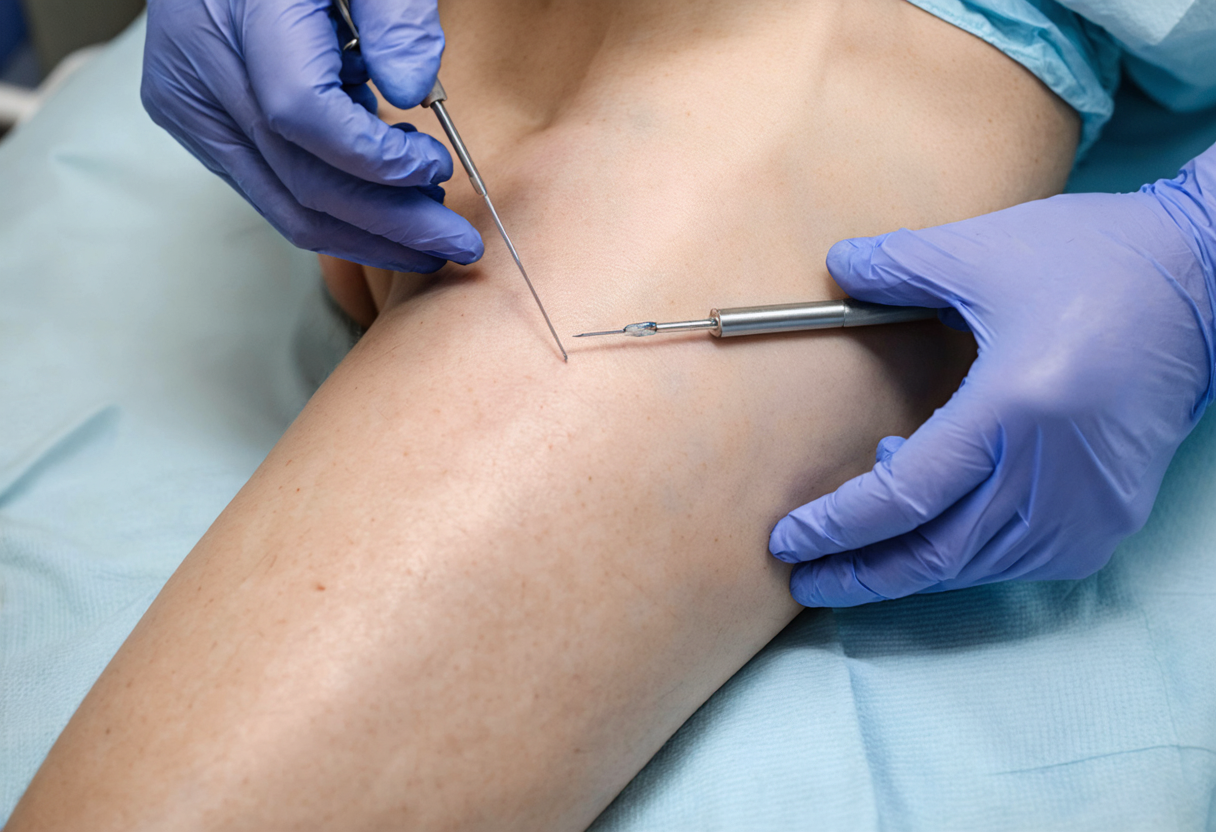
For longer-lasting results with less downtime than surgery, minimally invasive procedures offer a middle ground. These treatments involve tiny incisions and local anesthesia, allowing the provider to directly address the fibrous bands causing dimpling. The American Society of Plastic Surgeons notes that techniques like subcision (e.g., Cellfina) release the tethered septae, which can smooth the skin for up to two years or longer. Another option is laser-assisted cellulite reduction, which uses a small fiber to melt fat and sever bands from beneath the skin. While these procedures require some recovery—typically a few days of bruising and soreness—they produce more predictable outcomes than non-invasive methods. Always choose a board-certified dermatologist or plastic surgeon for these treatments.
Surgical Options for Advanced Cellulite Cases

When cellulite is severe or accompanied by loose skin, surgical intervention may be considered. It's important to note that traditional liposuction alone often does not improve cellulite and can sometimes make it worse. Instead, surgical options in 2026 combine fat removal with techniques that address the fibrous bands and tighten skin. For example, some surgeons use laser- or radiofrequency-assisted liposuction to both remove fat and stimulate collagen, while others perform a direct excision of deep dimples. According to the American Society of Plastic Surgeons, surgical cellulite treatments carry higher risks and require significant recovery, so they are usually reserved for cases where other methods have failed. A thorough consultation with a board-certified plastic surgeon is essential to determine if you are a good candidate.
Cost Considerations for Cellulite Reduction in 2026

The cost of cellulite reduction varies widely depending on the treatment type, the area treated, your location, and the provider's expertise. In 2026, non-invasive sessions typically range from $200 to $600 each, with a full series often costing $2,000 to $5,000. Minimally invasive procedures like subcision generally fall between $3,000 and $6,000 per area, while surgical options can exceed $10,000. Because cellulite treatment is considered cosmetic, health insurance rarely covers it. Additionally, you should budget for maintenance sessions, as most results are not permanent. When evaluating costs, prioritize board certification and proven technology over bargain prices, and ask about package discounts or financing plans.
Why You Should Consider Cellulite Reduction Treatments in 2026
Cellulite is a normal, widespread skin condition, but that doesn't mean you have to live with it if it bothers you. From non-invasive maintenance options to more permanent minimally invasive procedures, 2026 offers a spectrum of solutions to fit different goals, budgets, and comfort levels. The key is to understand the trade-offs between cost, downtime, and longevity of results. If you're curious about your options, consider scheduling a consultation with a board-certified dermatologist or plastic surgeon to discuss which Cellulite Reduction Treatments 2026 might work best for you.