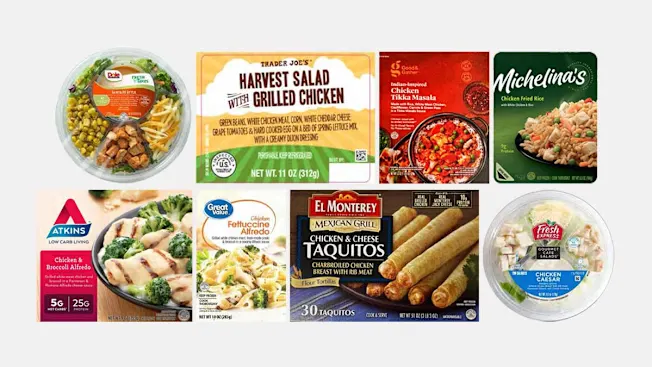
A massive nationwide recall of ready-to-eat chicken products has consumers checking their freezers and refrigerators after nearly 12 million pounds of potentially contaminated poultry were pulled from store shelves. The BrucePac recall, initiated on October 9, 2024, affects hundreds of products sold at major retailers including Trader Joe's, Walmart, Target, Kroger, and Aldi, with health officials warning of serious Listeria contamination risks that pose particular danger to pregnant people, older adults, and those with compromised immune systems.
How the Massive Chicken Recall Unfolded: 12 Million Pounds Pulled from Stores
What began as routine testing by the U.S. Department of Agriculture's Food Safety and Inspection Service (FSIS) has escalated into one of the largest meat recalls in recent history. During standard product testing in early October, inspectors discovered Listeria monocytogenes in ready-to-eat chicken products produced by BrucePac, a major precooked meat supplier based in Durant, Oklahoma. The discovery triggered an immediate recall that started at approximately 9.9 million pounds but has since expanded to nearly 12 million pounds as investigators identified more potentially contaminated products.
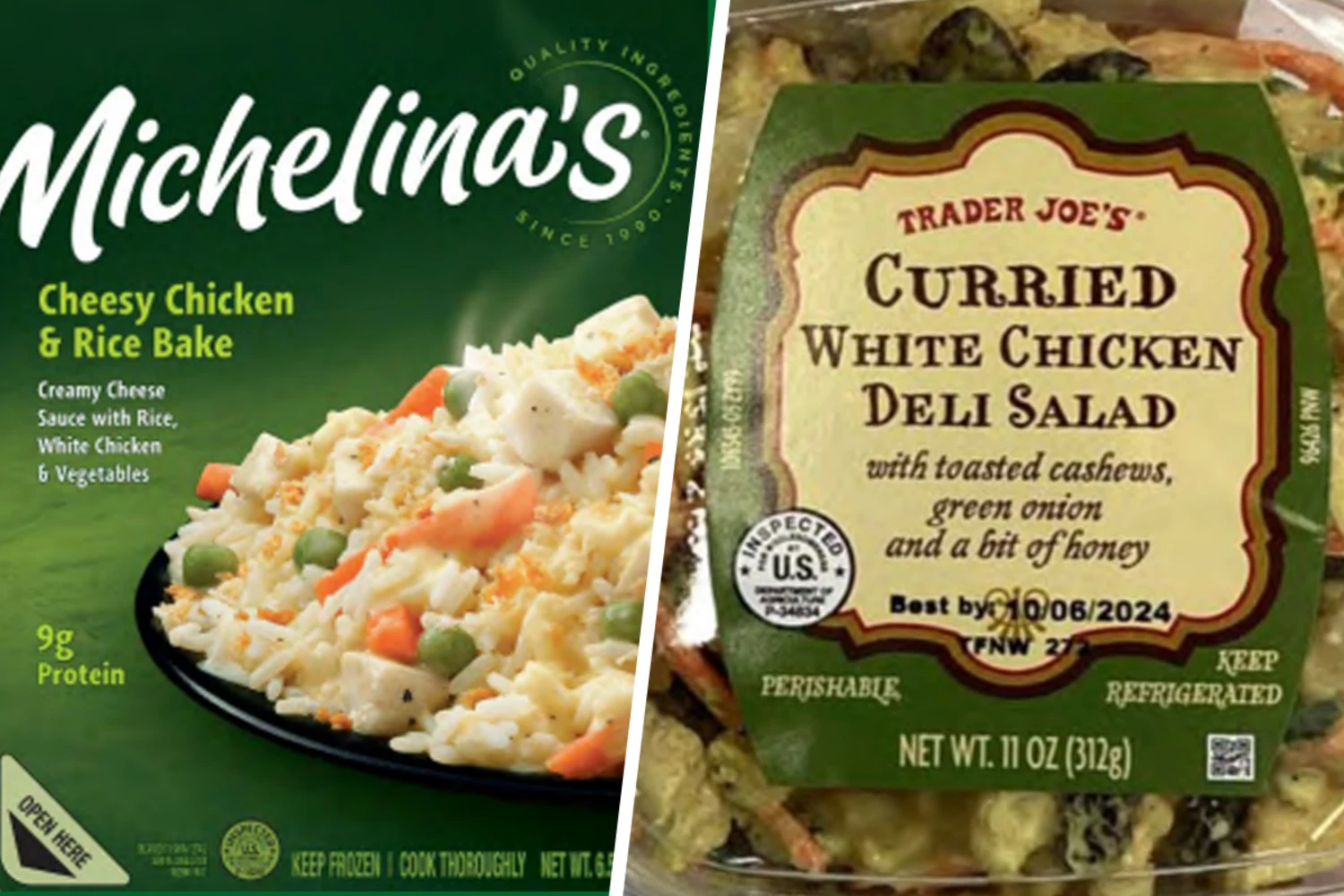
The contaminated chicken was used in a wide variety of prepared foods including burritos, pasta dishes, salad bowls, sandwiches, and wraps. These products were produced between June 19, 2024, and October 8, 2024, and were distributed nationwide to grocery stores, restaurants, schools, and other institutions. While no illnesses have been reported in connection with this recall, the FSIS has expressed concern that some contaminated products may still be in consumers' homes or available in food service establishments.
From Discovery to Expansion: The BrucePac Recall Timeline
The timeline of this growing food safety crisis reveals how quickly a localized contamination issue can become a national concern. The FSIS first detected Listeria in BrucePac products during routine testing in early October, leading to the initial recall announcement on October 9. Within days, the recall expanded as investigators traced the contamination source specifically to BrucePac's ready-to-eat chicken operations.
By October 11, the recall list had grown significantly, and on October 16, officials announced the expansion to nearly 12 million pounds. The complexity of the recall stems from BrucePac's role as a supplier to numerous food companies and retailers. The contaminated chicken was incorporated into hundreds of different products under various brand names and store labels, creating what consumer advocates describe as a "nightmare scenario" for food safety tracking.
Why Listeria Poses Serious Health Risks, Especially for Vulnerable Groups
While many healthy adults might experience only mild symptoms from Listeria exposure, this bacterial infection represents a significant threat to vulnerable populations. According to the Centers for Disease Control and Prevention, approximately 1,600 people contract listeriosis annually in the United States, with about 260 deaths each year. The infection poses particular dangers to pregnant women, who are approximately 10 times more likely to develop severe illness, with about 20 percent of infected pregnant women experiencing pregnancy loss.

"Listeria is one of the most dangerous foodborne pathogens because it can survive and even grow under refrigeration," explains Sana Mujahid, PhD, manager of food safety and testing at Consumer Reports. "For high-risk individuals including older adults, pregnant women, newborns, and those with compromised immune systems, listeriosis can lead to severe illness, hospitalization, and even death." Symptoms typically appear one to four weeks after consuming contaminated food but can present as early as the same day or as late as 70 days later, making it difficult to trace the source of infection.
Where Things Stand Now: Which Products and Stores Are Affected
The current recall encompasses hundreds of products sold under both national brands and store labels. Major retailers affected include Trader Joe's, Walmart, Target, Kroger, Aldi, 7-Eleven, Amazon Kitchen, Giant Eagle, H-E-B, Meijer, Save Mart, and Wegmans. Brand names involved in the recall include Atkins, Boston Market, Dole, Jenny Craig, Rao, ReadyMeals, and Udi's.
Consumers should look for establishment numbers "51205" or "P-51205" near the USDA mark of inspection on packaging. However, due to the complexity of the supply chain, some products may bear different establishment numbers. The FSIS recommends checking their comprehensive 345-page PDF list of affected products, which is regularly updated as new information emerges. Schools in at least 21 states and the District of Columbia have also received potentially contaminated products, raising additional concerns about food safety in institutional settings.
Protecting Yourself: Food Safety Tips to Avoid Listeria Contamination
Given the widespread nature of this recall, food safety experts emphasize several key precautions. First and foremost, consumers should thoroughly check their refrigerators and freezers for any recalled products. If you find any, either throw them away immediately or return them to the place of purchase. "When in doubt, throw it out," advises Mujahid. "If you have a ready-made product containing cooked chicken that you aren't sure was recalled, the safest bet is to just dispose of it."
For those at higher risk of listeriosis, additional precautions include avoiding ready-to-eat meats unless they are heated to an internal temperature of 165°F or until steaming hot just before serving. Proper food handling practices—such as washing hands thoroughly, keeping raw and cooked foods separate, and maintaining proper refrigerator temperatures below 40°F—can also help reduce the risk of foodborne illness. Anyone experiencing symptoms such as fever, muscle aches, headache, stiff neck, confusion, loss of balance, or convulsions after consuming potentially contaminated food should contact their healthcare provider immediately.
Key Takeaways: What You Need to Know About the Chicken Recall
As this food safety situation continues to evolve, several critical points remain constant. The BrucePac recall affects nearly 12 million pounds of ready-to-eat chicken products sold under numerous brand names at major retailers nationwide. While no illnesses have been reported, Listeria contamination poses serious health risks, particularly for vulnerable populations. Consumers should actively check for recalled products in their homes and dispose of them properly. This incident underscores the importance of robust food safety systems and serves as a reminder that even processed, ready-to-eat foods can carry significant health risks when contamination occurs in the supply chain.