
Dental implants are a popular and effective way to replace missing teeth, restoring both function and confidence. However, with so much information online—including offers like £1500 for Dental Implants Participation—it can be confusing to separate genuine clinical opportunities from marketing. In this guide, we'll explore how implants work, what they cost, and what participation incentives really involve.
What Are Dental Implants and How Do They Work?
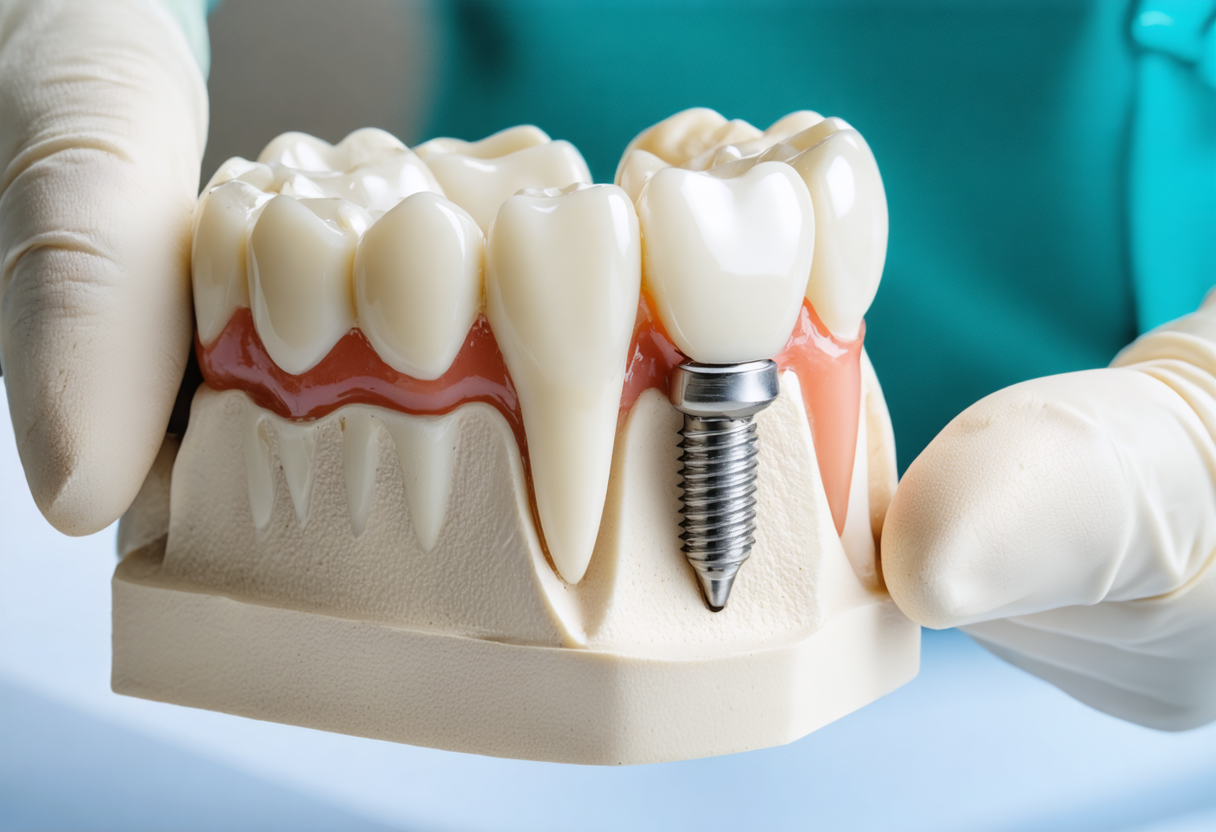
A dental implant is an artificial tooth root, typically made of titanium, that is surgically placed into the jawbone to support a replacement tooth or bridge. According to the NHS, implants are a long-term solution for missing teeth and can help maintain jawbone structure. The process usually involves three stages: implant placement, healing (osseointegration), and attaching the crown. For many patients, implants feel and function like natural teeth, making them a preferred alternative to dentures or bridges.
What Does the Procedure Involve and What Is Recovery Like?

The implant procedure is typically performed under local anaesthesia, and some patients may opt for sedation. After the implant is placed, it takes several weeks to months for the bone to fuse with the implant—a process called osseointegration. During this time, you'll follow a soft diet and maintain excellent oral hygiene. Most people experience only mild discomfort, similar to a tooth extraction. However, recovery times vary, so it's important to follow your dentist's instructions closely. For more detailed guidance, the Mayo Clinic offers a thorough overview of what to expect.
Understanding Costs and Participation Incentives
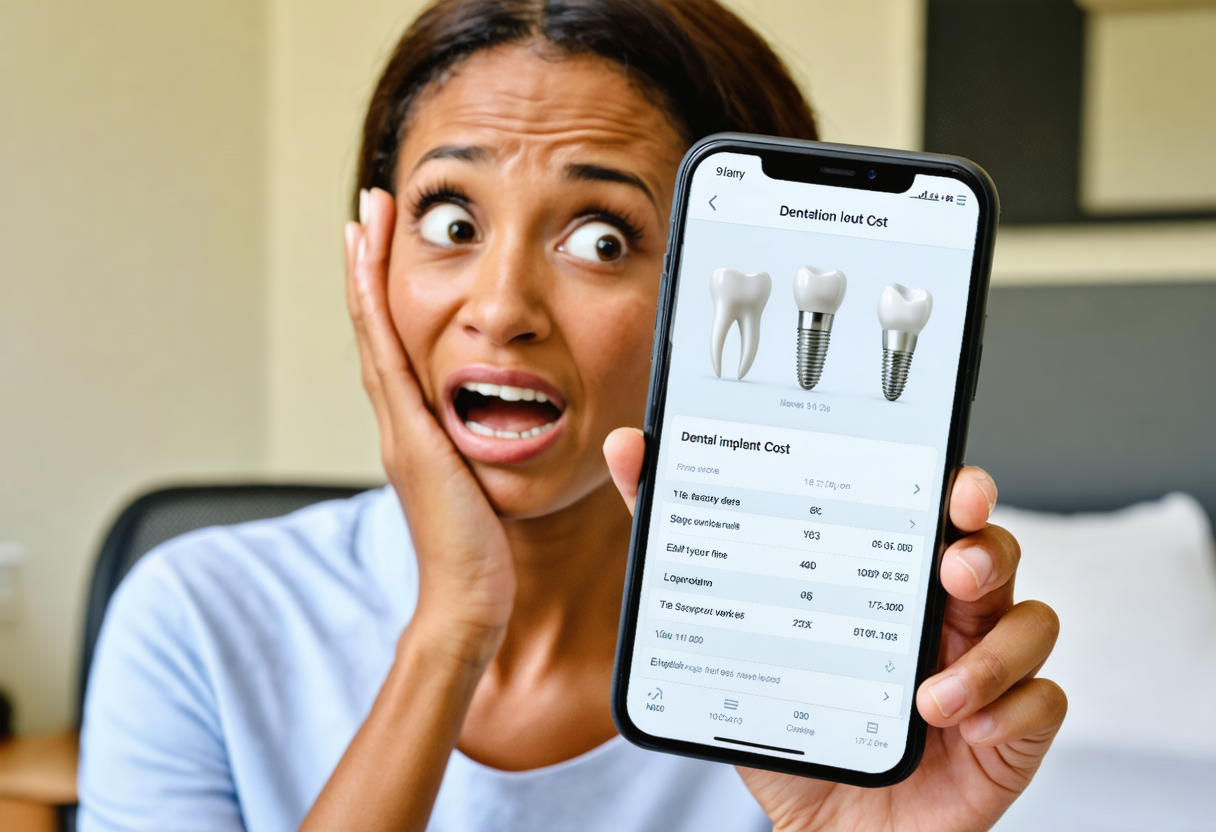
The cost of dental implants varies widely based on location, the number of implants needed, and whether additional procedures like bone grafts are required. In the UK, a single implant can range from £1,500 to £3,000 or more. You may encounter advertisements or search results mentioning £1500 for Dental Implants Participation, £1500 for Dental Implants Participation [Search Now], and similar phrases. These typically refer to clinical trial participation incentives, where volunteers may receive a set payment for taking part in research. It's crucial to verify any such opportunity through official channels and understand that £1500 for Dental Implants Trial Participation is not a standard price for treatment. Always ask for a detailed written treatment plan before proceeding. Key points to remember when evaluating such offers include:
- Verify the source: £1500 for Dental Implant Participation may refer to a paid research study, not a discount.
- Beware of misleading ads: See £1500 for Dental Implants Participation always confirm the details with the clinic or research centre.
- Consult a professional: Before joining any trial, discuss risks and benefits with your dentist.
Benefits, Risks, and Long-Term Care

Dental implants offer several advantages: they prevent bone loss, restore chewing ability, and do not affect adjacent teeth. According to the American Academy of Implant Dentistry, implants have a success rate of over 95% when placed by a qualified professional. However, they are not without risks, including infection, nerve damage, or implant failure. Good oral hygiene and regular dental visits are essential to keep implants healthy for decades. If you're considering implants, a comprehensive evaluation will determine if you're a suitable candidate.
Dental implants can significantly improve your quality of life, but it's essential to understand the procedure, costs, and any promotional offers you encounter. Phrases like £1500 for Dental Implants Participation often signal research incentives rather than treatment discounts, so always verify details with trusted sources. By consulting a qualified dentist and asking the right questions, you can decide whether implants are the best option for your oral health. Consider exploring reputable dental associations and speaking with your dental provider to learn more.